Did You Know 1960s Fashion Helped Turn Clothing Into Cultural Protest?
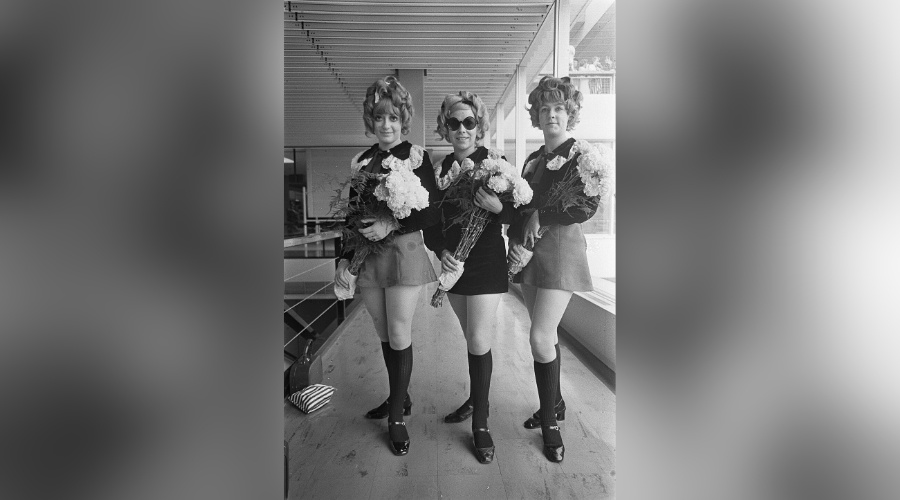
During the 1960s, getting dressed each morning could become a political act. A simple pair of jeans, a black armband, or a brightly patterned handmade shirt often communicated a person's beliefs before they ever spoke a word. Fashion stopped being just about following trends and became a powerful way to express identity, challenge authority, and stand in solidarity with social movements.
That transformation permanently changed pop culture. The decade proved that clothing could carry messages just as effectively as speeches, songs, or newspaper headlines. Many of today's slogan T-shirts, sustainable fashion movements, gender-neutral styles, and celebrity activism through clothing all trace part of their heritage back to the visual language that emerged during the 1960s.
Why 1960s Protesters Reached for Clothing First
When social movements gathered momentum during the 1960s, clothing offered something that speeches and pamphlets often couldn't: instant recognition. What someone wore immediately communicated values, affiliations, and beliefs to complete strangers. Protesters didn't have to explain themselves before making an impression because their appearance often did the talking first.
Clothing also created visual unity. Civil rights marches, anti-war demonstrations, women's rights rallies, and student protests looked organized not simply because people gathered together but because many participants adopted similar styles. Black armbands, handmade buttons, denim jackets, and carefully chosen accessories helped individuals become part of something much larger than themselves.
Unlike a protest sign that could be put away after a march, clothing stayed with its wearer throughout daily life. A jacket covered in political buttons or a shirt carrying a meaningful slogan remained visible at school, work, or around town. Fashion became an everyday conversation starter, turning ordinary people into walking expressions of political and cultural identity.
What the Civil Rights Movement Communicated Through Dress
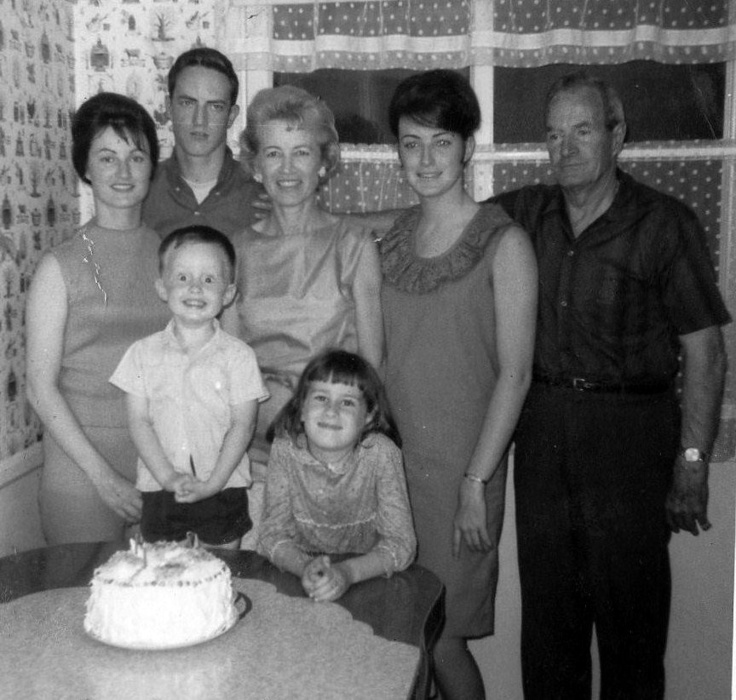
The Civil Rights Movement understood that appearance could shape public perception. Leaders and organizers often encouraged participants to wear pressed suits, dresses, polished shoes, and conservative hairstyles during marches, sit-ins, and demonstrations. Their goal wasn't simply to look formal—it was to present dignity, discipline, and professionalism in the face of discrimination and hostility.
Historical photographs from the era reveal just how intentional those choices were. Crowds of well-dressed marchers created powerful visual contrasts against scenes of violence and injustice, reinforcing the movement's message of equality and human dignity. Organizations such as the Southern Christian Leadership Conference understood that appearance influenced how newspapers and television audiences interpreted the events unfolding before them.
Accessories carried meaning as well. Buttons supporting voting rights, badges representing organizations, and small symbolic pins transformed ordinary outfits into statements of purpose. Figures such as Martin Luther King Jr., John Lewis, and countless local activists demonstrated that carefully chosen clothing could reinforce a movement's moral authority while helping shape public opinion throughout the country.
The Anti-War Wardrobe: Armbands, Jeans, and Dissent
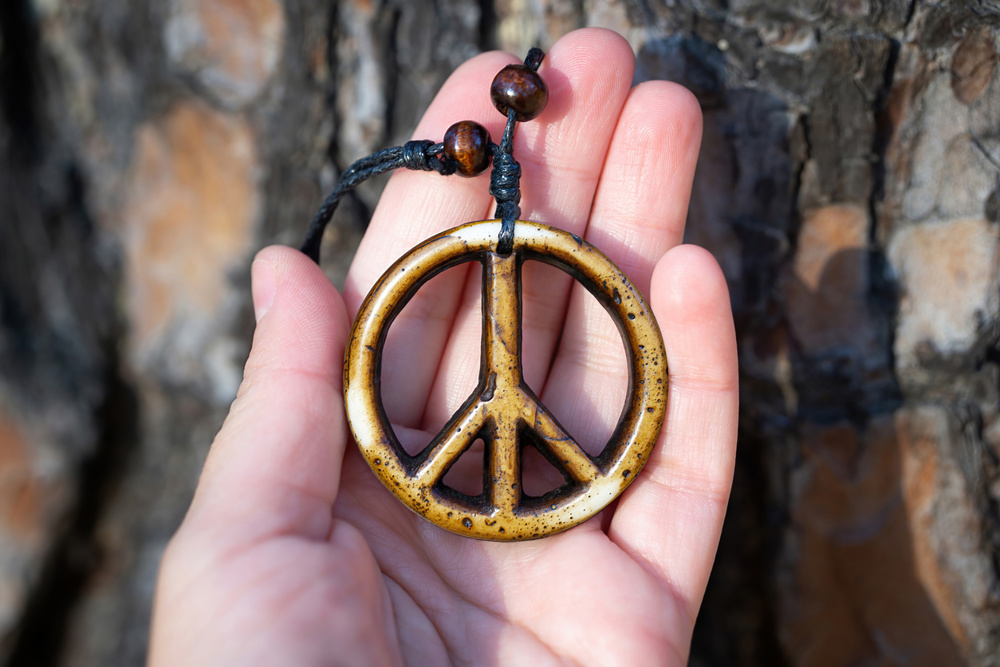
While civil rights demonstrators embraced formal attire to demand respect, anti-war protesters often communicated their opposition by rejecting traditional expectations altogether. Faded jeans, military surplus jackets, tie-dyed shirts, sandals, peace-symbol necklaces, and black armbands became recognizable symbols of resistance to the Vietnam War and the establishment that supported it.
Denim played an especially important role. Once associated primarily with manual labor, blue jeans became a universal symbol of youth rebellion and authenticity during the decade. Wearing worn-out jeans instead of tailored clothing challenged conventional ideas about professionalism, social status, and conformity. Long hair on men also became a visible rejection of military grooming standards, reinforcing opposition to compulsory service and traditional gender expectations.
Black armbands became one of the era's most recognizable protest symbols. Students wore them to express opposition to the Vietnam War, leading to famous legal battles over freedom of expression in schools. Combined with handmade protest buttons and hand-painted clothing, these simple garments showed that everyday fashion could communicate powerful political messages without saying a single word.
Hippie Fashion and the Revolt Against Consumer Culture
The hippie movement pushed protest fashion beyond politics and into everyday lifestyle choices. Instead of rejecting only war or government policies, hippies questioned consumerism itself. They deliberately avoided mass-produced clothing whenever possible, choosing handmade garments, vintage finds, flea market treasures, and secondhand clothing that reflected individuality rather than corporate trends.
Natural fabrics, loose silhouettes, embroidered tunics, fringe jackets, beads, and handcrafted jewelry became symbols of a different way of living. Rather than purchasing identical outfits from department stores, many people learned to sew, knit, embroider, or repurpose older garments. Every outfit became a personal creation rather than a standardized product, reinforcing ideals of creativity, sustainability, and independence.
Music festivals such as Woodstock brought these styles into the global spotlight. Performers including Janis Joplin, Jimi Hendrix, Joan Baez, and members of The Grateful Dead embraced colorful, unconventional wardrobes that inspired millions of fans. Their festival appearances demonstrated how music and fashion could work together to spread countercultural ideals far beyond the original protest movements.
Why the Miniskirt Became a Feminist Symbol
Fashion also became a powerful tool in the growing women's liberation movement. British designer Mary Quant helped popularize the miniskirt during London's Swinging Sixties, introducing a style that challenged long-standing expectations about femininity, modesty, and who had the authority to decide how women should dress. What appeared to be a simple change in hemline quickly became one of the decade's most recognizable cultural symbols.
Models such as Twiggy and Jean Shrimpton helped bring the look into mainstream fashion magazines, while actresses and musicians introduced it to wider audiences through television and film. Younger women embraced the style not only because it looked modern but because it represented independence, confidence, and the freedom to define themselves on their own terms rather than according to older social conventions.
The miniskirt was only one part of a broader transformation. Women increasingly adopted trousers, jumpsuits, tailored suits, and denim as everyday clothing, expanding the range of styles considered socially acceptable. Together, these changes reflected a growing belief that fashion should support personal choice instead of reinforcing outdated gender expectations.
How Music Turned Protest Fashion Into Mainstream Style
Music became one of the most powerful vehicles for spreading protest fashion beyond marches and demonstrations. As rock, folk, and psychedelic music gained enormous popularity during the 1960s, musicians introduced audiences to styles that reflected individuality, social activism, and countercultural values. Concerts became more than musical performances—they became fashion showcases that inspired fans around the world.
Artists like Bob Dylan, Joan Baez, Janis Joplin, Jimi Hendrix, The Beatles, and The Rolling Stones each contributed to this visual revolution in different ways. Denim jackets, military-inspired coats, colorful scarves, embroidered shirts, velvet jackets, fringed vests, and handcrafted accessories became closely associated with the musicians who wore them on stage, album covers, and television appearances. Fans eagerly adopted these looks, turning personal style into a shared cultural language.
Events like the 1969 Woodstock Music & Art Fair amplified those influences on an unprecedented scale. Images of hundreds of thousands of young people dressed in tie-dye, fringe, denim, and handmade clothing spread through newspapers and television broadcasts across the world. What had once been associated with small protest groups suddenly became part of mainstream popular culture, proving that music could transform political fashion into an international style movement.
How Young Activists Pushed Protest Dress Into the Cultural Center
College campuses became some of the most influential fashion stages of the 1960s. Student activists protesting segregation, the Vietnam War, and broader social inequalities transformed everyday clothing into highly visible political statements. Instead of reserving symbolic dress for organized demonstrations, they wore it to class, coffee shops, concerts, and public spaces, making activism part of daily life rather than occasional events.
Simple items like denim jackets covered with buttons, handmade slogan shirts, black armbands, and natural hairstyles became recognizable symbols of youth activism. These weren't expensive fashion pieces—they were accessible items that allowed students from different backgrounds to participate in a shared visual movement. Every outfit communicated values of independence, social awareness, and resistance to established norms.
The visibility of these young activists also influenced the wider fashion industry. Designers, retailers, photographers, and advertisers began noticing that styles born on college campuses were capturing public attention. What started as grassroots self-expression gradually entered mainstream fashion, proving that young people could shape national style trends rather than simply follow them.
How 1960s Protest Fashion Still Shapes What We Wear Today
The influence of 1960s protest fashion remains visible throughout modern wardrobes. Graphic T-shirts supporting social causes, sustainable clothing choices, vintage denim, natural hairstyles, and gender-inclusive fashion all reflect ideas that gained momentum during that decade. While today's messages may focus on climate action, equality, or mental health awareness, the concept of expressing beliefs through clothing remains remarkably similar.
Modern brands have also embraced protest-inspired aesthetics, although not always without controversy. Companies frequently borrow visual elements once associated with counterculture—distressed denim, military jackets, peace symbols, and vintage-inspired graphics—to market products to younger consumers. This has sparked ongoing debates about whether authentic activism loses meaning when its imagery becomes commercialized.
At the same time, many people intentionally use fashion to support causes they believe in. Wearing clothing produced through ethical labor practices, shopping from sustainable brands, or choosing apparel that supports charitable organizations reflects the same idea that clothing can represent personal values. The methods have evolved, but the underlying principle remains rooted in the cultural shifts of the 1960s.
How Television and Magazines Popularized Protest Fashion
Television and print media helped transform protest fashion from something seen at demonstrations into something recognized by millions of households. Evening news broadcasts regularly showed civil rights marches, anti-war protests, and student demonstrations, allowing viewers to notice not only the events themselves but also the distinctive styles worn by participants. Clothing became part of the visual story that audiences remembered.
Magazines such as Life, Time, and Vogue also played important roles. Photojournalists documented everything from peaceful marches to music festivals, while fashion editors began incorporating youth-inspired styles into editorial spreads. As images of denim, miniskirts, fringe, bold prints, and handcrafted accessories appeared in widely circulated publications, these iconic 60s fashion trends quickly moved beyond protests and music festivals to influence everyday wardrobes around the world.
Celebrity influence strengthened the trend even further. Actors, musicians, and public figures appeared in magazines and television interviews wearing styles inspired by the counterculture, encouraging audiences to experiment with similar looks. Media exposure helped blur the line between political dress and everyday fashion, allowing protest-inspired clothing to become part of popular culture around the world.
Why Vintage and Thrift Fashion Still Carries the Spirit of the 1960s
The 1960s encouraged people to think differently about where clothing came from, and that philosophy continues influencing fashion today. Rather than constantly buying new garments, many members of the counterculture embraced thrift stores, flea markets, military surplus shops, and handmade clothing as alternatives to mass-produced fashion. Their choices reflected both economic practicality and resistance to consumer culture.
Today's popularity of vintage shopping, secondhand marketplaces, and clothing resale platforms echoes many of those same values. Younger generations frequently explore thrift stores and online marketplaces like Depop and other resale platforms not only to save money but also to find unique pieces while reducing waste. Sustainable fashion has become both an environmental movement and a style statement, much like the handmade clothing movement of the 1960s.
Vintage clothing also offers something increasingly rare in fast fashion: individuality. Wearing a decades-old denim jacket, embroidered vest, or handcrafted accessory allows people to express personal identity in ways that mass-produced garments often cannot. In that sense, every thrifted outfit carries forward the spirit of creativity, independence, and thoughtful consumption that helped define the counterculture movement.
Conclusion
The fashion revolutions of the 1960s proved that clothing could become much more than a reflection of personal taste. Civil rights activists, anti-war protesters, and members of the counterculture all demonstrated that what people wore could communicate powerful ideas about equality, freedom, identity, and social change. Through television, and everyday life, those messages spread far beyond protest movements and became lasting parts of popular culture.
Today, the legacy of those choices continues every time someone wears a slogan T-shirt supporting a cause, shops secondhand instead of buying new, embraces gender-inclusive fashion, or uses clothing to express personal beliefs. The garments may have changed, but the idea remains remarkably familiar: fashion can still be a powerful form of communication, reminding us that sometimes the simplest outfit can say more than words ever could.