Beauty and Lifestyle Trivia Facts for Fashion Fans
Fashion and beauty are filled with fascinating stories that stretch far beyond the runway. Every wardrobe staple, beauty product, and iconic trend has a history shaped by inventors, designers, celebrities, and cultural movements. From ancient civilizations experimenting with cosmetics to Hollywood stars transforming simple garments into timeless classics, the world of fashion is packed with surprising trivia that continues to influence people.
Whether you're a lifelong fashion enthusiast or simply enjoy learning unusual facts, these beauty and lifestyle trivia highlights reveal the hidden stories behind everyday style. You'll discover where familiar clothing items got their names, how groundbreaking inventions changed women's fashion forever, and why certain beauty trends have remained popular for centuries. Along the way, you'll also see how these historical moments continue to shape modern pop culture.
The Oldest Clothing Items in Human History
Long before fashion became an industry, clothing existed to solve practical problems. Early garments protected people from changing weather, rough terrain, and harsh environments. Over time, however, these simple pieces evolved into symbols of identity, culture, and social status, laying the foundation for the global fashion industry we know today.
The loincloth holds the title of humanity's oldest known clothing item, followed closely by the skirt as one of the earliest garments worn across civilizations. When you trace the evolution of the loincloth, you'll find it appeared in cultures throughout Africa, Asia, Europe, and the Americas, serving as practical everyday apparel long before woven outfits became common. The skirt also developed independently across numerous societies, demonstrating how similar clothing solutions emerged around the world.
Beyond practicality, these garments gradually gained cultural meaning. Skirts became associated with ceremonies, royalty, religious traditions, and social hierarchy in many civilizations. Even today, modern designers continue drawing inspiration from ancient silhouettes, proving that some of fashion's oldest ideas never truly disappear. Understanding these origins gives you a deeper appreciation for how basic necessities eventually became powerful forms of personal expression.

Where Jeans, Cravats, and T-Shirts Actually Got Their Names
Many of the clothing names people use every day have fascinating origins that most wearers never consider. Behind familiar words like "jeans" and "cravat" are centuries of trade, travel, military history, and cultural exchange that helped shape modern wardrobes.
"Jeans" takes its name from Genoan sailors, often called "Genes," who wore durable cotton trousers that became known throughout Europe. The word "cravat" originated from Croatian soldiers whose distinctive neckwear caught the attention of the French during the seventeenth century, eventually inspiring the modern necktie. Meanwhile, the T-shirt earned its straightforward name from its T-shaped silhouette, though it remained an undergarment until Hollywood helped transform it into everyday fashion.
Marlon Brando's appearance in A Streetcar Named Desire and James Dean's effortless style in Rebel Without a Cause turned the plain white T-shirt into a cultural icon rather than simple underwear. Likewise, blue jeans evolved from durable workwear into one of the most recognizable fashion staples in history, worn by everyone from Marilyn Monroe and Bruce Springsteen to Beyoncé, Taylor Swift, and countless social media creators. These names remind us that ordinary wardrobe essentials often carry extraordinary stories.
Which Iconic Garments Changed Women's Fashion Forever?
Some garments do much more than introduce new trends—they permanently change how women dress, move, and express themselves. Throughout fashion history, a handful of innovations challenged traditional expectations and reshaped wardrobes across generations.
Coco Chanel introduced the little black dress as an elegant piece that proved simplicity could be sophisticated. Decades later, Mary Quant's miniskirt became one of the defining symbols of the 1960s, representing youth culture, confidence, and women's growing independence. In 1914, Mary Phelps Jacob revolutionized undergarments by creating the first modern bra from two silk handkerchiefs and ribbon, offering a more comfortable alternative to restrictive corsets.
Fashion has a remarkable way of revisiting its own past. Today's corset revival demonstrates how historical garments continue inspiring contemporary designers and celebrities alike. Stars such as Zendaya, Dua Lipa, and Bella Hadid have embraced modern interpretations of corsetry on red carpets and magazine covers, showing how garments first introduced centuries ago continue influencing today's fashion conversation.
Ancient Beauty Practices That Still Exist Today
Beauty traditions often feel modern, but many actually date back thousands of years. Ancient civilizations experimented with cosmetics, fragrances, and skincare long before today's beauty industry existed. Many of the products people use every morning are modern versions of routines developed by some of history's earliest cultures.
Ancient Egyptians famously used eyeliner made from minerals such as kohl, believing it offered both cosmetic appeal and protection from the harsh desert sun. Archaeologists have discovered cosmetic containers in royal tombs, including those connected to King Tutankhamun, showing how important beauty rituals were within Egyptian society. Similar traditions appeared in ancient Greece, Rome, China, and India, where skincare and fragrance became part of everyday life.
Modern beauty continues building upon those early foundations. Winged eyeliner, bold brows, facial oils, perfumes, and skincare rituals remain incredibly popular, while Korean skincare routines have introduced another influential chapter in global beauty culture. Rather than replacing ancient traditions, today's beauty industry continues refining ideas that have fascinated people for thousands of years.
The First Bra, Bikini, and Perfume: And Who Made Them
Many beauty and fashion essentials have surprisingly specific origin stories. Behind every wardrobe staple is someone willing to challenge convention, solve a problem, or introduce an entirely new idea that eventually transformed everyday style.
Bra origins begin with Mary Phelps Jacob, whose 1914 invention offered women greater comfort and freedom than traditional corsets. Before that breakthrough, Herminie Cadolle had already introduced the split corset in 1869, helping pave the way for modern lingerie. Louis Réard shocked the fashion world in 1946 by unveiling the bikini, a design considered scandalous at the time but destined to become one of history's most recognizable swimwear styles.
Perfume followed a similarly groundbreaking path. While scented oils existed in ancient civilizations, Coco Chanel revolutionized modern fragrance with Chanel No. 5 in 1921. More than a century later, it remains one of the world's most famous perfumes, worn by celebrities, featured in films, and forever linked to Marilyn Monroe's legendary remark that she wore "only a few drops of Chanel No. 5" to bed.
Beauty Trends That Became Pop Culture Icons
Some beauty trends become much bigger than cosmetics themselves. They evolve into cultural symbols that instantly remind people of specific celebrities, decades, or entertainment moments. Movies, television, music videos, fashion magazines, and now social media have helped transform simple makeup techniques into global beauty movements.
See how many of these iconic beauty moments you recognize:
- Which makeup look is closely associated with Cleopatra and remains one of the world's most popular eye styles? (Winged eyeliner)
- Which classic lipstick shade has been worn by stars like Marilyn Monroe, Taylor Swift, and countless Hollywood actresses? (Classic red lipstick)
- Which nail style became famous for its natural look with white tips? (French manicure)
- Which skincare movement from South Korea introduced multi-step routines that became popular worldwide? (Korean skincare)
These beauty trends continue appearing on red carpets, magazine covers, TikTok tutorials, and celebrity beauty brands. Their lasting popularity shows how beauty culture constantly blends historical inspiration with modern entertainment, ensuring that timeless looks remain relevant for every new generation.
Fashion Industry Numbers Most People Get Wrong
Behind every runway show, viral trend, and designer collection is an enormous global industry that reaches far beyond luxury fashion. Millions of people work behind the scenes as designers, pattern makers, manufacturers, marketers, photographers, stylists, retailers, and content creators. If you enjoy beauty and lifestyle trivia, these surprising figures offer another perspective on how fashion influences everyday life around the world.
The numbers behind fashion are often surprising:
- The fashion industry employs more than 4 million people in the United States alone across a wide range of careers.
- More than 2 billion T-shirts are sold worldwide every year.
- The average American owns about seven pairs of jeans.
- The average American spends roughly $362 per month on clothing.
These figures reveal just how deeply fashion is woven into everyday life. Beyond personal style, the industry influences global manufacturing, entertainment, advertising, celebrity branding, and social media, making it one of the most culturally significant businesses in the world.
What Your Wardrobe Habits Reveal About Global Style Trends
The clothes hanging in your closet say more than you might realize. Individual shopping habits collectively influence what brands design, which trends continue, and how retailers respond to changing consumer preferences. Every purchase contributes to larger movements that shape fashion around the globe.
Today's wardrobe choices increasingly reflect changing priorities. Many shoppers are embracing capsule wardrobes, buying secondhand clothing, or supporting sustainable fashion brands instead of following fast-fashion cycles. Others enjoy experimenting with aesthetics such as Quiet Luxury, Barbiecore, the Clean Girl look, or the Y2K revival, demonstrating how personal style often mirrors larger cultural conversations happening online.
Statistics also reveal some surprising habits. Around 80% of women worldwide have worn shoes that are too small for comfort, while standard women's clothing sizes are still designed around a relatively narrow height range. These realities continue encouraging brands to rethink sizing, inclusivity, and comfort, proving that consumer choices help shape the future of fashion just as much as designers do.
How Marlon Brando and Mary Quant Rewrote the Dress Code
Sometimes one person can completely change how millions of people dress. Fashion revolutions don't always begin on luxury runways—they often start when someone wears something unexpected and inspires others to do the same. Marlon Brando and Mary Quant each demonstrated how individual style choices could reshape entire generations.
When Marlon Brando appeared wearing a plain white T-shirt in A Streetcar Named Desire, he transformed what had been considered an undergarment into a symbol of effortless confidence and rebellion. Soon afterward, James Dean reinforced that image, making jeans and T-shirts the unofficial uniform of youthful independence. Meanwhile, Mary Quant's introduction of the miniskirt challenged traditional expectations about women's fashion and became one of the defining styles of the 1960s.
Their influence extends well beyond their own era. Modern celebrities such as Rihanna, Zendaya, Hailey Bieber, and Bella Hadid continue redefining everyday fashion in much the same way, proving that cultural icons still have the power to transform simple garments into worldwide trends almost overnight.
Celebrity Fashion Moments Everyone Recognizes
Some fashion moments become so iconic that they remain instantly recognizable decades later. These unforgettable appearances don't simply showcase beautiful clothing—they influence designers, inspire trends, and become lasting parts of entertainment history. Awards shows, film premieres, and major public appearances often produce styles that continue influencing fashion long after the event ends.
See how many of these legendary fashion moments you remember:
- Which actress made the little black dress legendary in Breakfast at Tiffany's? (Audrey Hepburn)
- Whose famous "Revenge Dress" became one of the most discussed outfits of the 1990s? (Princess Diana)
- Which singer shocked audiences by wearing a dress made entirely of meat at the 2010 MTV Video Music Awards? (Lady Gaga)
- Which singer became known for spectacular Met Gala appearances featuring dramatic yellow gowns and elaborate capes? (Rihanna)
These moments continue appearing in documentaries, fashion exhibitions, and social media discussions because they represent more than clothing alone. They capture confidence, creativity, and the power of fashion to become part of popular culture.
Conclusion
Beauty and fashion trivia reveal much more than interesting historical facts—they tell the story of how people have expressed creativity, identity, and culture across thousands of years. From ancient Egyptian cosmetics and the invention of the little black dress to celebrity fashion moments and viral social media trends, every garment and beauty ritual carries a fascinating history that continues influencing modern life.
Whether your interests lie in designer history, beauty culture, celebrity style, or everyday wardrobe essentials, these trivia facts show that fashion is constantly evolving while remaining connected to its past. Every generation introduces new icons, new trends, and new ways to express individuality, ensuring that beauty and lifestyle remain some of pop culture's most creative and enduring forms of self-expression.
Fashion and beauty are filled with fascinating stories that stretch far beyond the runway. Every wardrobe staple, beauty product, and iconic trend has a history shaped by inventors, designers, celebrities, and cultural movements. From ancient civilizations experimenting with cosmetics to Hollywood stars transforming simple garments into timeless classics, the world of fashion is packed with surprising trivia that continues to influence people.
Whether you're a lifelong fashion enthusiast or simply enjoy learning unusual facts, these beauty and lifestyle trivia highlights reveal the hidden stories behind everyday style. You'll discover where familiar clothing items got their names, how groundbreaking inventions changed women's fashion forever, and why certain beauty trends have remained popular for centuries. Along the way, you'll also see how these historical moments continue to shape modern pop culture.
The Oldest Clothing Items in Human History
Long before fashion became an industry, clothing existed to solve practical problems. Early garments protected people from changing weather, rough terrain, and harsh environments. Over time, however, these simple pieces evolved into symbols of identity, culture, and social status, laying the foundation for the global fashion industry we know today.
The loincloth holds the title of humanity's oldest known clothing item, followed closely by the skirt as one of the earliest garments worn across civilizations. When you trace the evolution of the loincloth, you'll find it appeared in cultures throughout Africa, Asia, Europe, and the Americas, serving as practical everyday apparel long before woven outfits became common. The skirt also developed independently across numerous societies, demonstrating how similar clothing solutions emerged around the world.
Beyond practicality, these garments gradually gained cultural meaning. Skirts became associated with ceremonies, royalty, religious traditions, and social hierarchy in many civilizations. Even today, modern designers continue drawing inspiration from ancient silhouettes, proving that some of fashion's oldest ideas never truly disappear. Understanding these origins gives you a deeper appreciation for how basic necessities eventually became powerful forms of personal expression.
Image: Woman wearing denims - https://www.istockphoto.com/photo/cropped-shot-of-young-slender-woman-in-fashionable-blue-jeans-with-a-high-fit-on-a-gm1392352768-448623516?searchscope=image%2Cfilm (Alt-txt: Cropped shot of young slender woman in a fashionable blue jeans with a high fit isolated on a white background. Beauty and fashion concept)
Where Jeans, Cravats, and T-Shirts Actually Got Their Names
Many of the clothing names people use every day have fascinating origins that most wearers never consider. Behind familiar words like "jeans" and "cravat" are centuries of trade, travel, military history, and cultural exchange that helped shape modern wardrobes.
"Jeans" takes its name from Genoan sailors, often called "Genes," who wore durable cotton trousers that became known throughout Europe. The word "cravat" originated from Croatian soldiers whose distinctive neckwear caught the attention of the French during the seventeenth century, eventually inspiring the modern necktie. Meanwhile, the T-shirt earned its straightforward name from its T-shaped silhouette, though it remained an undergarment until Hollywood helped transform it into everyday fashion.
Marlon Brando's appearance in A Streetcar Named Desire and James Dean's effortless style in Rebel Without a Cause turned the plain white T-shirt into a cultural icon rather than simple underwear. Likewise, blue jeans evolved from durable workwear into one of the most recognizable fashion staples in history, worn by everyone from Marilyn Monroe and Bruce Springsteen to Beyoncé, Taylor Swift, and countless social media creators. These names remind us that ordinary wardrobe essentials often carry extraordinary stories.
Which Iconic Garments Changed Women's Fashion Forever?
Some garments do much more than introduce new trends—they permanently change how women dress, move, and express themselves. Throughout fashion history, a handful of innovations challenged traditional expectations and reshaped wardrobes across generations.
Coco Chanel introduced the little black dress as an elegant piece that proved simplicity could be sophisticated. Decades later, Mary Quant's miniskirt became one of the defining symbols of the 1960s, representing youth culture, confidence, and women's growing independence. In 1914, Mary Phelps Jacob revolutionized undergarments by creating the first modern bra from two silk handkerchiefs and ribbon, offering a more comfortable alternative to restrictive corsets.
Fashion has a remarkable way of revisiting its own past. Today's corset revival demonstrates how historical garments continue inspiring contemporary designers and celebrities alike. Stars such as Zendaya, Dua Lipa, and Bella Hadid have embraced modern interpretations of corsetry on red carpets and magazine covers, showing how garments first introduced centuries ago continue influencing today's fashion conversation.
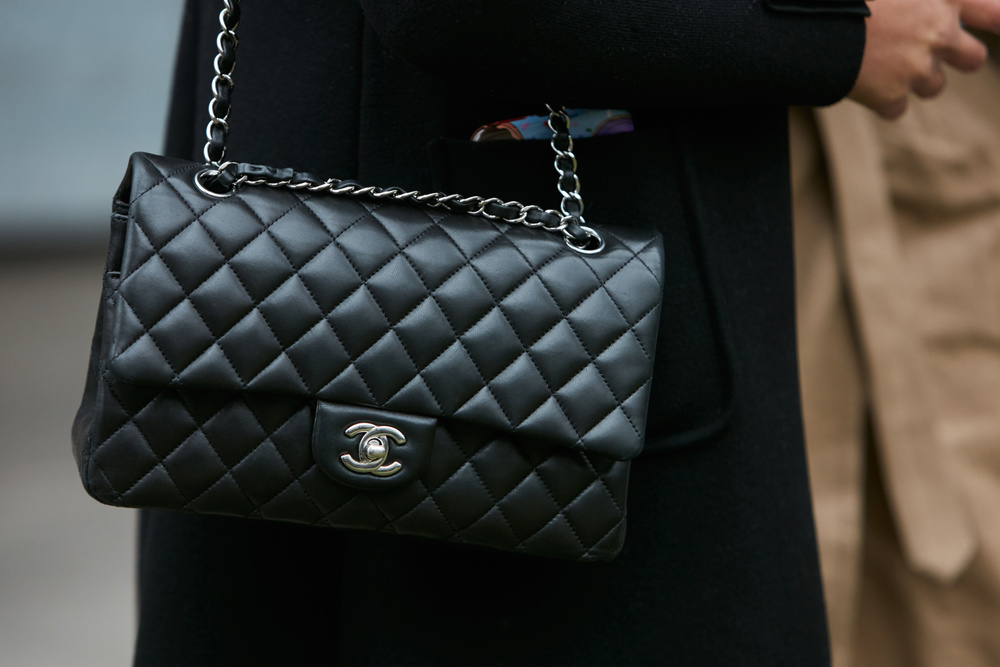
Image: Chanel leather bag - https://www.istockphoto.com/photo/woman-with-black-chanel-leather-bag-with-silver-chain-gm917888624-252509493?searchscope=image%2Cfilm (Alt-txt: MILAN - JANUARY 15: Woman with black Chanel leather bag with silver chain before Giorgio Armani fashion show, Milan Fashion Week street style on January 15, 2018 in Milan.)
Ancient Beauty Practices That Still Exist Today
Beauty traditions often feel modern, but many actually date back thousands of years. Ancient civilizations experimented with cosmetics, fragrances, and skincare long before today's beauty industry existed. Many of the products people use every morning are modern versions of routines developed by some of history's earliest cultures.
Ancient Egyptians famously used eyeliner made from minerals such as kohl, believing it offered both cosmetic appeal and protection from the harsh desert sun. Archaeologists have discovered cosmetic containers in royal tombs, including those connected to King Tutankhamun, showing how important beauty rituals were within Egyptian society. Similar traditions appeared in ancient Greece, Rome, China, and India, where skincare and fragrance became part of everyday life.
Modern beauty continues building upon those early foundations. Winged eyeliner, bold brows, facial oils, perfumes, and skincare rituals remain incredibly popular, while Korean skincare routines have introduced another influential chapter in global beauty culture. Rather than replacing ancient traditions, today's beauty industry continues refining ideas that have fascinated people for thousands of years.
The First Bra, Bikini, and Perfume: And Who Made Them
Many beauty and fashion essentials have surprisingly specific origin stories. Behind every wardrobe staple is someone willing to challenge convention, solve a problem, or introduce an entirely new idea that eventually transformed everyday style.
Bra origins begin with Mary Phelps Jacob, whose 1914 invention offered women greater comfort and freedom than traditional corsets. Before that breakthrough, Herminie Cadolle had already introduced the split corset in 1869, helping pave the way for modern lingerie. Louis Réard shocked the fashion world in 1946 by unveiling the bikini, a design considered scandalous at the time but destined to become one of history's most recognizable swimwear styles.
Perfume followed a similarly groundbreaking path. While scented oils existed in ancient civilizations, Coco Chanel revolutionized modern fragrance with Chanel No. 5 in 1921. More than a century later, it remains one of the world's most famous perfumes, worn by celebrities, featured in films, and forever linked to Marilyn Monroe's legendary remark that she wore "only a few drops of Chanel No. 5" to bed.
Beauty Trends That Became Pop Culture Icons
Some beauty trends become much bigger than cosmetics themselves. They evolve into cultural symbols that instantly remind people of specific celebrities, decades, or entertainment moments. Movies, television, music videos, fashion magazines, and now social media have helped transform simple makeup techniques into global beauty movements.
See how many of these iconic beauty moments you recognize:
- Which makeup look is closely associated with Cleopatra and remains one of the world's most popular eye styles? (Winged eyeliner)
- Which classic lipstick shade has been worn by stars like Marilyn Monroe, Taylor Swift, and countless Hollywood actresses? (Classic red lipstick)
- Which nail style became famous for its natural look with white tips? (French manicure)
- Which skincare movement from South Korea introduced multi-step routines that became popular worldwide? (Korean skincare)
These beauty trends continue appearing on red carpets, magazine covers, TikTok tutorials, and celebrity beauty brands. Their lasting popularity shows how beauty culture constantly blends historical inspiration with modern entertainment, ensuring that timeless looks remain relevant for every new generation.
Fashion Industry Numbers Most People Get Wrong
Behind every runway show, viral trend, and designer collection is an enormous global industry that reaches far beyond luxury fashion. Millions of people work behind the scenes as designers, pattern makers, manufacturers, marketers, photographers, stylists, retailers, and content creators. If you enjoy beauty and lifestyle trivia, these surprising figures offer another perspective on how fashion influences everyday life around the world.
The numbers behind fashion are often surprising:
- The fashion industry employs more than 4 million people in the United States alone across a wide range of careers.
- More than 2 billion T-shirts are sold worldwide every year.
- The average American owns about seven pairs of jeans.
- The average American spends roughly $362 per month on clothing.
These figures reveal just how deeply fashion is woven into everyday life. Beyond personal style, the industry influences global manufacturing, entertainment, advertising, celebrity branding, and social media, making it one of the most culturally significant businesses in the world.
What Your Wardrobe Habits Reveal About Global Style Trends
The clothes hanging in your closet say more than you might realize. Individual shopping habits collectively influence what brands design, which trends continue, and how retailers respond to changing consumer preferences. Every purchase contributes to larger movements that shape fashion around the globe.
Today's wardrobe choices increasingly reflect changing priorities. Many shoppers are embracing capsule wardrobes, buying secondhand clothing, or supporting sustainable fashion brands instead of following fast-fashion cycles. Others enjoy experimenting with aesthetics such as Quiet Luxury, Barbiecore, the Clean Girl look, or the Y2K revival, demonstrating how personal style often mirrors larger cultural conversations happening online.
Statistics also reveal some surprising habits. Around 80% of women worldwide have worn shoes that are too small for comfort, while standard women's clothing sizes are still designed around a relatively narrow height range. These realities continue encouraging brands to rethink sizing, inclusivity, and comfort, proving that consumer choices help shape the future of fashion just as much as designers do.
How Marlon Brando and Mary Quant Rewrote the Dress Code
Sometimes one person can completely change how millions of people dress. Fashion revolutions don't always begin on luxury runways—they often start when someone wears something unexpected and inspires others to do the same. Marlon Brando and Mary Quant each demonstrated how individual style choices could reshape entire generations.
When Marlon Brando appeared wearing a plain white T-shirt in A Streetcar Named Desire, he transformed what had been considered an undergarment into a symbol of effortless confidence and rebellion. Soon afterward, James Dean reinforced that image, making jeans and T-shirts the unofficial uniform of youthful independence. Meanwhile, Mary Quant's introduction of the miniskirt challenged traditional expectations about women's fashion and became one of the defining styles of the 1960s.
Their influence extends well beyond their own era. Modern celebrities such as Rihanna, Zendaya, Hailey Bieber, and Bella Hadid continue redefining everyday fashion in much the same way, proving that cultural icons still have the power to transform simple garments into worldwide trends almost overnight.
Celebrity Fashion Moments Everyone Recognizes
Some fashion moments become so iconic that they remain instantly recognizable decades later. These unforgettable appearances don't simply showcase beautiful clothing—they influence designers, inspire trends, and become lasting parts of entertainment history. Awards shows, film premieres, and major public appearances often produce styles that continue influencing fashion long after the event ends.
See how many of these legendary fashion moments you remember:
- Which actress made the little black dress legendary in Breakfast at Tiffany's? (Audrey Hepburn)
- Whose famous "Revenge Dress" became one of the most discussed outfits of the 1990s? (Princess Diana)
- Which singer shocked audiences by wearing a dress made entirely of meat at the 2010 MTV Video Music Awards? (Lady Gaga)
- Which singer became known for spectacular Met Gala appearances featuring dramatic yellow gowns and elaborate capes? (Rihanna)
These moments continue appearing in documentaries, fashion exhibitions, and social media discussions because they represent more than clothing alone. They capture confidence, creativity, and the power of fashion to become part of popular culture.
Conclusion
Beauty and fashion trivia reveal much more than interesting historical facts—they tell the story of how people have expressed creativity, identity, and culture across thousands of years. From ancient Egyptian cosmetics and the invention of the little black dress to celebrity fashion moments and viral social media trends, every garment and beauty ritual carries a fascinating history that continues influencing modern life.
Whether your interests lie in designer history, beauty culture, celebrity style, or everyday wardrobe essentials, these trivia facts show that fashion is constantly evolving while remaining connected to its past. Every generation introduces new icons, new trends, and new ways to express individuality, ensuring that beauty and lifestyle remain some of pop culture's most creative and enduring forms of self-expression.