The Influence of the "Mad Men" Era on 2000s Fashion
The Influence of the "Mad Men" Era on 2000s Fashion
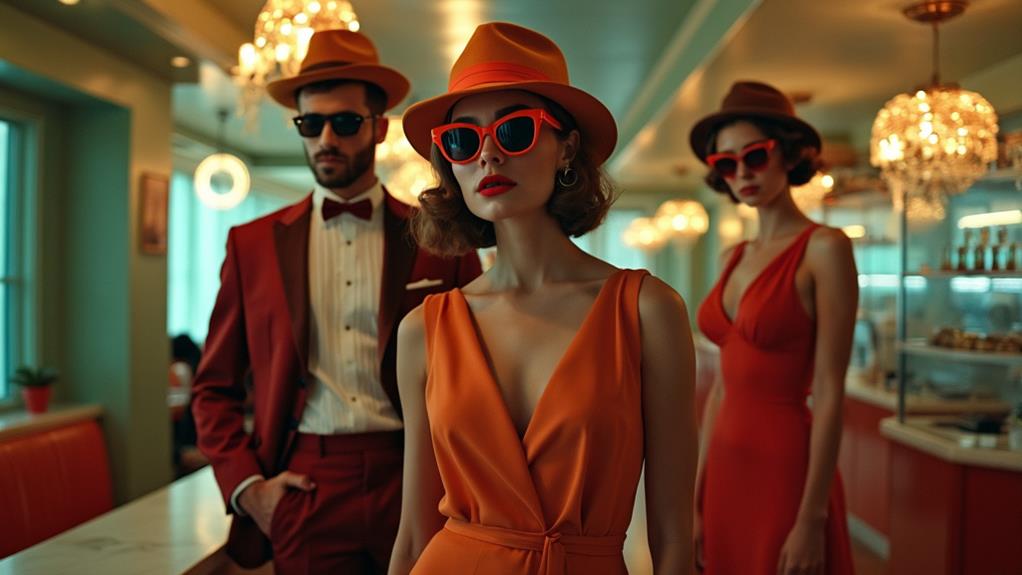
The impact of the "Mad Men" era on 2000s fashion is undeniable, particularly in how it revived the tailored aesthetic of the 1960s. Following the show's debut in 2007, suit sales surged, and polished menswear became a cultural staple once again. Janie Bryant's meticulous costume designs did more than just dress the characters; they reflected their personal journeys and ignited a renewed interest in vintage styles. This shift extended beyond the screen, permeating contemporary fashion and influencing designers to adopt a timeless, classic look. Each character's wardrobe played a significant role in this transformation, showcasing the versatility and enduring appeal of 1960s fashion.
Legacy of Mad Men
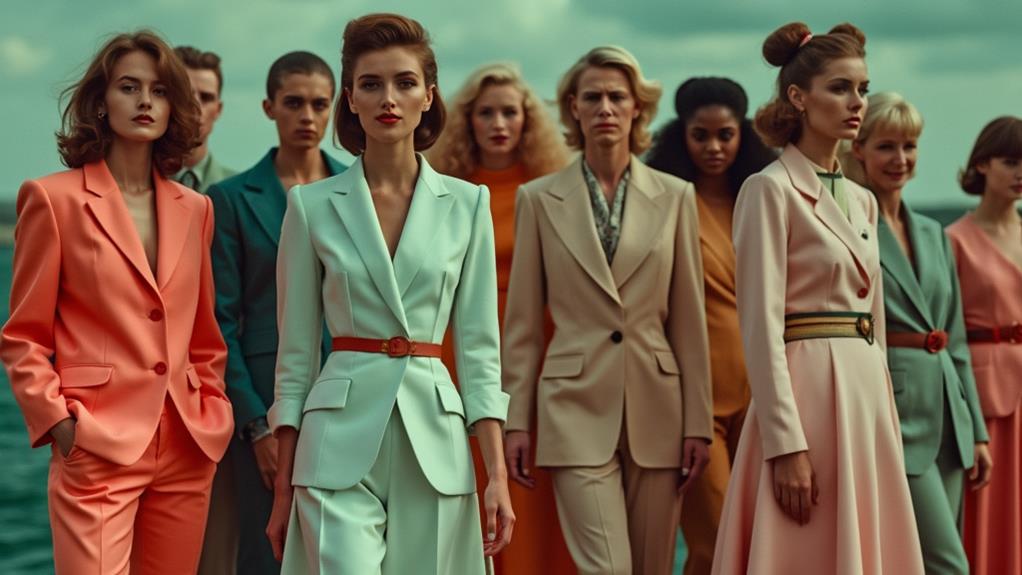
From 2007 to 2015, "Mad Men" didn't just captivate audiences with its storytelling; it transformed men's fashion. During its run, the show doubled suit sales in the US, signaling a renaissance in men's tailored clothing. The show's impact was undeniable as it brought a sophisticated, polished aesthetic back into the mainstream. Men started embracing fitted suits, slim ties, and pocket squares, all inspired by the characters they saw on screen.
The attention to precision in "Mad Men" was unparalleled. Costume designer Janie Bryant crafted wardrobes that not only suited the period but also reflected the characters' psychological states. This careful approach made the fashion an integral part of the storytelling, giving viewers a deeper connection to the characters.
Beyond just clothing, "Mad Men" left a lasting legacy in men's fashion. It sparked academic interest and ongoing discussions about its influence on modern menswear and fashion cycles. The show's aesthetic continues to inspire designers and fashion enthusiasts, proving that its impact extends far beyond the small screen. By embracing the elegance showcased in "Mad Men," you're participating in a broader cultural shift towards refined, timeless style.
Costume Design Evolution
Exploring the costume design evolution of "Mad Men," Janie Bryant's meticulous work significantly shaped the show's visual style and cultural resonance. As the costume designer, Bryant intricately crafted wardrobes that mirrored the 1960s fashion evolution, from the conservative early years to the more colorful and expressive styles of the late decade.
In the show's early seasons, characters wore skinny suits, ties, and lapels, reviving mid-century aesthetics in the 2000s. This "nostalgia-chic" phenomenon leveraged the 40-year fashion cycle, reintroducing vintage styles to modern wardrobes. Bryant's designs not only reflected the period accurately but also sparked a broader appreciation for fashion history.
As "Mad Men" progressed, the costumes became more vibrant, reflecting characters' psychological states and personal growth. This evolution inspired contemporary designers to blend historical accuracy with modern creativity in their collections. Bryant's attention to detail led to a resurgence of interest in vintage styles, encouraging both designers and consumers to seek inspiration from the past. Through her work, Janie Bryant greatly influenced contemporary fashion, demonstrating that history can indeed repeat itself in style.
Character Wardrobe Symbolism
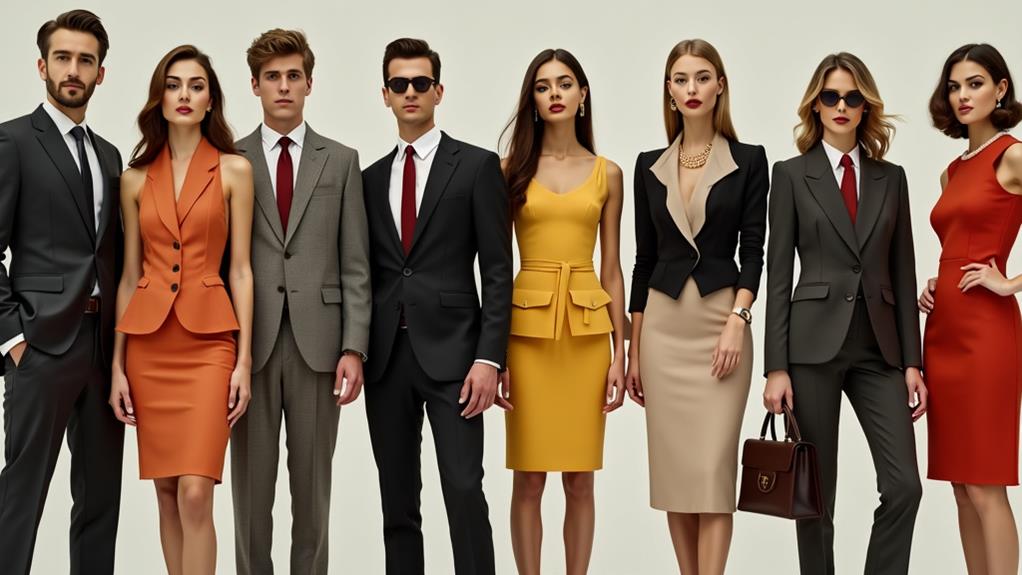
As you investigate character wardrobe symbolism in "Mad Men," notice how Don Draper's evolving style mirrors his quest for identity, shifting from conservative to sophisticated looks. Roger Sterling's bold double-breasted suits and monogrammed cuffs highlight his mix of confidence and tradition in the agency. These wardrobe choices not only define their personalities but also reflect the broader cultural influences of 1960s fashion.
Don Draper's Wardrobe Evolution
Don Draper's wardrobe evolution in "Mad Men" is more than a showcase of changing fashion trends; it serves as a narrative device reflecting his personal journey and complex identity. As Don transitions from dark, conservative suits to more tailored and sophisticated styles, viewers witness his ongoing reinvention. His iconic gray Brooks Brothers suit represents modern masculinity and significantly influenced men's fashion during the show's run from 2007 to 2015, spurring an increase in tailored suit sales.
Draper's choice of billowy white shirts and meticulous grooming, including his pomaded hair, underscores his aspirational and suave persona, cementing him as a contemporary menswear icon. The careful detailing in his outfits, such as slim ties and well-fitted trousers, showcases the show's dedication to authenticity in depicting 1960s fashion.
Don's wardrobe choices go beyond mere style; they reflect his personal struggles and social status, while also commenting on the evolving norms of masculinity throughout the series. Every piece he wears communicates who he is and who he aims to become.
Roger Sterling's Bold Statements
Roger Sterling's wardrobe in "Mad Men" isn't just about fashion; it's a powerful statement of his enduring status and confidence in the competitive advertising world of the 1960s. His immaculate three-piece suits, often double-breasted, immediately convey his authority and self-assuredness. Sterling's tailored clothing and classic aesthetic, such as the memorable steel-grey suit paired with sunglasses, reinforce his suave persona.
Sterling's silver hair and polished attire act as a protective layer, showcasing both his wealth and his desire to remain relevant amid the evolving cultural landscape. He masterfully blends traditional masculinity with a modern twist, making him a quintessential style icon of the "Mad Men" era.
His influence stretches beyond the screen, impacting contemporary fashion. Modern tailoring options, such as those offered by brands like Cos, often mirror Sterling's sophisticated essence, capturing that same blend of classic and contemporary.
Roger Sterling's bold fashion statements are more than just clothes; they're a reflection of his character's inner strength and timeless appeal, setting a high bar for style and confidence that continues to inspire.
Grooming and Accessories
Anyone who has admired the meticulous grooming and iconic accessories in "Mad Men" understands they were more than mere fashion choices; they were intentional expressions of character and status. The grooming choices in the show provide deep insights into the characters' psychology. For example, Roger Sterling's white hair symbolizes a unique blend of youth and maturity, reflecting his complex personality. In contrast, Pete Campbell's mutton chops highlight his insecurity and his desperate attempts to assert maturity within the competitive advertising world.
Accessories are equally crucial in defining character identities. Lane Pryce's shattered glasses, for instance, signify his internal turmoil and professional struggles. These subtle but meaningful details reveal the emotional states and social standings of the characters. Michael Ginsberg's distinctive mustache serves as a foreshadowing element, hinting at his eventual personal breakdown and demonstrating how grooming choices can mirror deeper character arcs.
The influence of these styles extended beyond the screen, sparking a resurgence in tailored looks and classic men's grooming techniques in the 2000s. "Mad Men" has left a lasting impact on contemporary men's fashion trends, making sophisticated grooming and accessories relevant once again.
Cultural and Fashion Impact
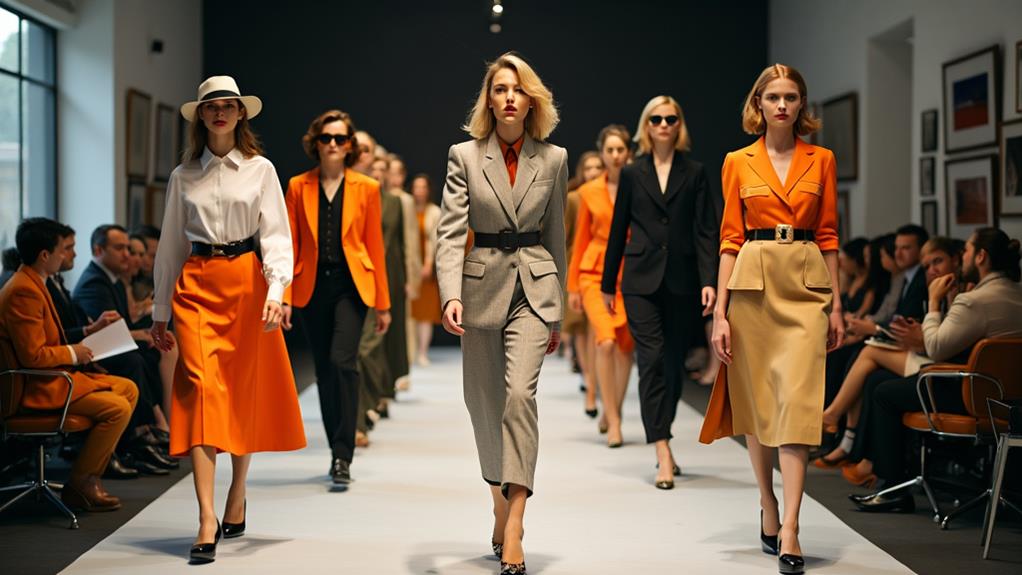
The popularity of "Mad Men" sparked a significant revival of 1960s aesthetics in mainstream fashion, countering the casual styles that dominated the 1990s and early 2000s. The show not only entertained but also reshaped cultural and fashion norms. During its run from 2007 to 2014, suit sales in the United States surged by 200%, reflecting a renewed interest in polished, tailored menswear. "Mad Men" made looking sophisticated and put-together fashionable again, moving away from the overly relaxed styles of previous decades.
Nostalgia played a crucial role in this shift. The show's influence led to greater acceptance of vintage clothing and retro-themed events, fostering a cultural shift towards more refined styles. Collaborations between AMC and Banana Republic made these vintage styles accessible to the masses. Additionally, the show's impact extended beyond mere fashion choices to a broader interest in fashion history and education, resulting in more workshops and resources focused on retro fashion and sewing.
Key impacts include:
- Revival of tailored menswear
- Increased suit sales
- Acceptance of vintage clothing
- Retro-themed events
- Partnerships making vintage styles accessible
"Mad Men" undeniably left a lasting mark on 2000s fashion and culture.
Don Draper's Influence
Building on the broader cultural and fashion impact of "Mad Men," Don Draper's influence stands out as a defining element. His signature look, characterized by gray Brooks Brothers suits, pomaded hair, and crisp white shirts, became a modern symbol of masculinity. When the show premiered in 2007, it coincided with a resurgence in tailored suits, reflected in the doubling of suit sales in the U.S. between 1998 and 2014. Draper's polished style contrasted sharply with the casual trends of the late 1990s and early 2000s, prompting a cultural shift towards more formal dressing.
Costume designer Janie Bryant's vision for Draper's wardrobe set the stage for a wave of fashion trends. Designers and brands like Brooks Brothers and Banana Republic drew inspiration from Draper's look, creating collections that mirrored his sophisticated style. Consequently, well-tailored suits became synonymous with sophistication and coolness. Draper's timeless elegance reshaped men's fashion, making tailored suits a staple of modern wardrobes and encouraging a return to classic, polished styles.
Pete Campbell's Style
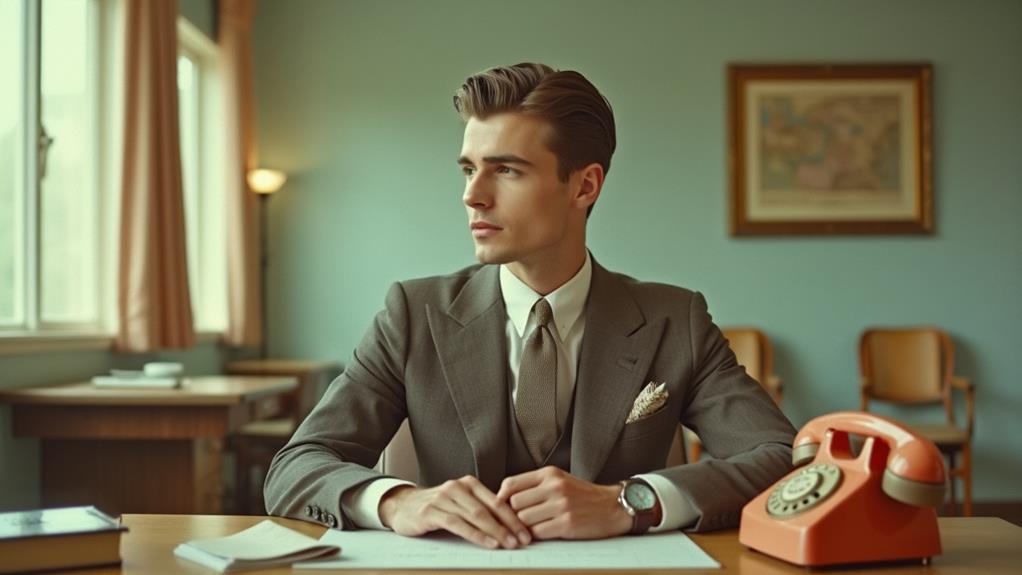
Pete Campbell's style embodies an attempt at sophistication with well-tailored suits and meticulously Brylcreemed hair, striving to emulate Don Draper's effortless cool. His iconic pajamas, popularized by Brooks Brothers, became a quirky trend that balanced innocence with traditional masculinity. Campbell's evolving color palette and wardrobe choices subtly highlight his inner conflict between ambition and authenticity, leaving a lasting impact on mid-century fashion in the 2000s.
Attempted Sophistication
Pete Campbell's style in *Mad Men* epitomizes an attempt at sophistication that often feels forced and overly precise. His wardrobe, replete with well-tailored suits and meticulously styled Brylcreemed hair, aims to replicate Don Draper's effortless charm but often comes across as overly sharp and uptight. Pete's business casual choices reflect his desire for acceptance and recognition, yet they reveal his underlying insecurities and struggle with identity.
Pete's fashion sense is a blend of ambition and moral descent. The colors he chooses evolve as his character progresses, mirroring his internal battles and shifting personality. His pyjamas, which gained a cult following, underscore this mix of innocence and aspiration. They symbolize his personal conflicts and the duality of his character.
Brooks Brothers has capitalized on Campbell's aesthetic by offering styles that resonate with his persona, including suitable pyjamas. His wardrobe juxtaposes traditional masculinity with a sense of insecurity, visually representing his longing for acceptance and the facade he maintains.
- Well-tailored suits: Reflects Pete's attempt at sophistication.
- Brylcreemed hair: Aimed at emulating Don Draper's charm.
- Business casual: Shows his desire for recognition.
- Color palette shifts: Mirrors his evolving personality.
- Brooks Brothers pyjamas: Blend of innocence and aspiration.
Mid-Century Fashion Influence
Examining Pete Campbell's style offers a unique lens through which to appreciate the mid-century fashion influence on modern trends. Campbell's wardrobe in "Mad Men" was meticulously designed to reflect his ambition and desire for approval, often emulating the coolness of Don Draper. His sharp, tailored suits and Brylcreemed hair were hallmarks of his character, yet the rigidity of his attire underscored his struggles with confidence and social dynamics.
Brooks Brothers capitalized on Campbell's aesthetic, translating his mid-century style into modern fashion collections. The brand's tailored pieces and polished loungewear, including pyjamas inspired by Campbell, resonate with today's fashion-forward men seeking a blend of sophistication and comfort.
| Aspect | Pete Campbell's Style |
|---|---|
| Suits | Sharp, tailored, reflecting ambition |
| Hair | Brylcreemed, emulating Don Draper |
| Confidence | Rigid appearance, struggles socially |
| Brooks Brothers Impact | Inspired modern tailored pieces, pyjamas |
Campbell's fashion choices were more than just clothing; they conveyed his complex personality, making him a compelling yet socially awkward figure maneuvering the corporate world of the 1960s. His style has left a lasting impact, influencing contemporary fashion trends and illustrating the enduring appeal of mid-century aesthetics.
Iconic Pajama Trend
Amid the polished suits and slick hairstyles, Pete Campbell's pajamas in "Mad Men" stood out as a distinctive hallmark of his character. Often designed by Brooks Brothers, these well-cut pajamas combined innocence and aspiration, earning a cult following among fans. Campbell's nightwear mirrored a broader late-2000s trend toward stylish loungewear, emphasizing comfort without sacrificing aesthetics.
Pete's pajamas contributed to the resurgence of vintage-inspired nightwear, influencing modern fashion and prompting retailers like Banana Republic to incorporate similar styles into their collections. His fashion choices highlighted a significant shift in men's fashion, where comfortable yet polished looks gained acceptance in both private and public settings.
To enjoy the iconic pajama trend, consider the following:
- Invest in well-cut, classic designs: Emulate Pete's style with pajamas that are both comfortable and elegant.
- Opt for vintage-inspired patterns: Choose timeless prints that nod to mid-century aesthetics.
- Choose high-quality materials: Prioritize fabrics like cotton and silk for ultimate comfort.
- Explore brands like Brooks Brothers: They offer classic American styles perfect for this trend.
- Look for modern adaptations: Retailers like Banana Republic offer updated versions suitable for contemporary tastes.
Michael Ginsberg's Eccentricity
Michael Ginsberg's eccentricity, both in fashion and demeanor, brings a refreshing change to the otherwise conservative world of "Mad Men." His bold wardrobe choices, ranging from loud checked jackets to chunky cardigans and printed shirts, embody youthful rebellion against the 1960s office norms. Notably, his billowy white shirts often peek out from under these statement pieces, adding an extra layer of nonconformity.
Ginsberg's style is not merely about standing out; it reflects a broader cultural shift towards self-expression and individuality in menswear. His fashion choices highlight the emerging trend of the 60s, where dressing began to communicate personal identity rather than conforming to societal expectations. This sartorial defiance resonated with audiences and inspired high-street brands like Topman to incorporate similar bold patterns and lively colors into their collections.
Looking ahead, the anticipation for Ginsberg's future style moments hints at even more daring fashion, potentially featuring 70s suits and statement jackets. His influence on contemporary fashion is clear, offering a nostalgic yet invigorating take on individuality that continues to inspire modern wardrobes.
Roger Sterling's Armor
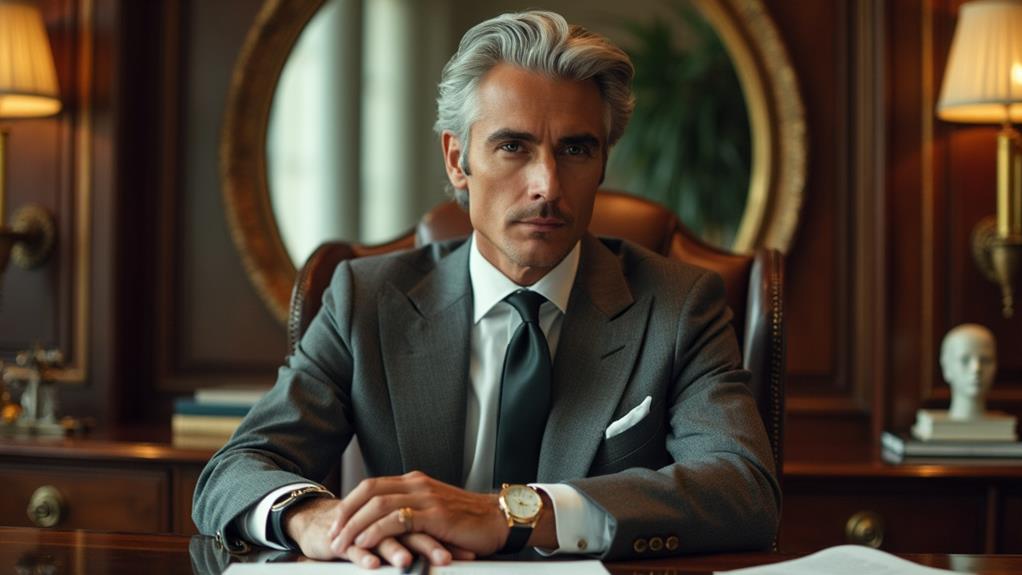
Roger Sterling's armor, his iconic three-piece suits, wasn't just about style—it was his way of asserting dominance in a cutthroat industry. His timeless aesthetic, marked by perfect tailoring and sophisticated appeal, set a standard that continues to influence menswear today. Modern retailers, like Cos, have embraced this by offering contemporary versions of his polished look, making it easier for you to channel Sterling's powerful presence.
Iconic Three-Piece Suits
Many fans of "Mad Men" can't help but admire the timeless elegance of Roger Sterling's three-piece suits. These pristine ensembles weren't just about fashion; they served as his armor in the cutthroat world of 1960s advertising. Sterling's choice of double-breasted suits and tailored vests emphasized a classic aesthetic that defined mid-century men's fashion. Each three-piece suit was meticulously crafted, highlighting his authority and refined taste.
Roger's signature looks often included sophisticated accessories like pocket squares and stylish sunglasses, adding layers of charisma and status. His silver hair further complemented his polished attire, symbolizing his blend of experience and modernity. This combination made Sterling an unforgettable character, whose style continues to influence contemporary menswear. Retailers like Cos have even created modern interpretations of his iconic grey tailoring, proving the lasting impact of his sartorial choices.
To emulate Roger Sterling's iconic three-piece suits, consider the following:
- Double-breasted jackets: Opt for a structured fit.
- Tailored vests: Ensure they're snug but comfortable.
- Sophisticated accessories: Think pocket squares and stylish sunglasses.
- Classic grey tones: A versatile and timeless choice.
- Focus on detail: Prioritize fit and finish for a polished look.
Embrace these elements to channel Sterling's impeccable style.
Timeless Classic Aesthetic
In the competitive world of 1960s advertising, Roger Sterling's timeless classic aesthetic served as his armor, reflecting his status and confidence. Sporting immaculate three-piece suits, often double-breasted, Sterling's style was synonymous with sophistication and formality. His tailored suits in classic colors underscored a timeless elegance that has greatly influenced modern menswear.
Sterling's silver hair paired with his sartorial choices created a striking visual of youthful maturity. One of his most memorable looks featured a steel-grey suit accessorized with sunglasses, setting a benchmark for polished, confident dressing that remains relevant today. This blend of elements makes Sterling a fashion icon whose influence transcends decades.
Here's a glimpse into the emotions Roger Sterling's timeless classic aesthetic evokes:
| Emotion | Description | Example |
|---|---|---|
| Confidence | Exudes self-assurance | Steel-grey suit with sunglasses |
| Sophistication | Reflects refined taste | Immaculate double-breasted suits |
| Timelessness | Enduring appeal through decades | Classic colors and tailored fits |
| Authority | Commands respect and attention | Immaculate three-piece suits |
| Inspiration | Influences contemporary fashion trends | Modern brands like Cos |
Brands like Cos have adopted this aesthetic, offering modern interpretations of Sterling's grey tailoring, ensuring his enduring sartorial influence continues to shape today's fashion landscape.
Fashion's Modern Trends
Fashion's modern trends are a captivating fusion of past and present, with the influence of iconic periods like the 1960s clearly evident. The revival of 1960s aesthetics in the 2000s, significantly driven by "Mad Men," reintroduced tailored suits and classic silhouettes into mainstream fashion. This retro resurgence reshaped consumer preferences, as seen in the increased sales of vintage and retro clothing lines following the show's premiere.
Contemporary fashion frequently embraces a polished style reminiscent of "Mad Men," particularly in workplace attire. The shift from the casual trends of the 1990s and early 2000s to more refined looks is largely attributed to the show's impact. Larger, vintage-inspired eyewear frames, popularized in the 2000s, also owe their resurgence to this period.
Designers like Miuccia Prada and Marc Jacobs have masterfully integrated these retro elements into their collections, further cementing "Mad Men's" lasting influence on modern fashion trends. To embrace these trends, consider:
- Tailored suits
- Classic silhouettes
- Vintage clothing
- Polished workplace attire
- Larger, vintage-inspired eyewear frames