The "Goth" Subculture and Its Impact on Fashion
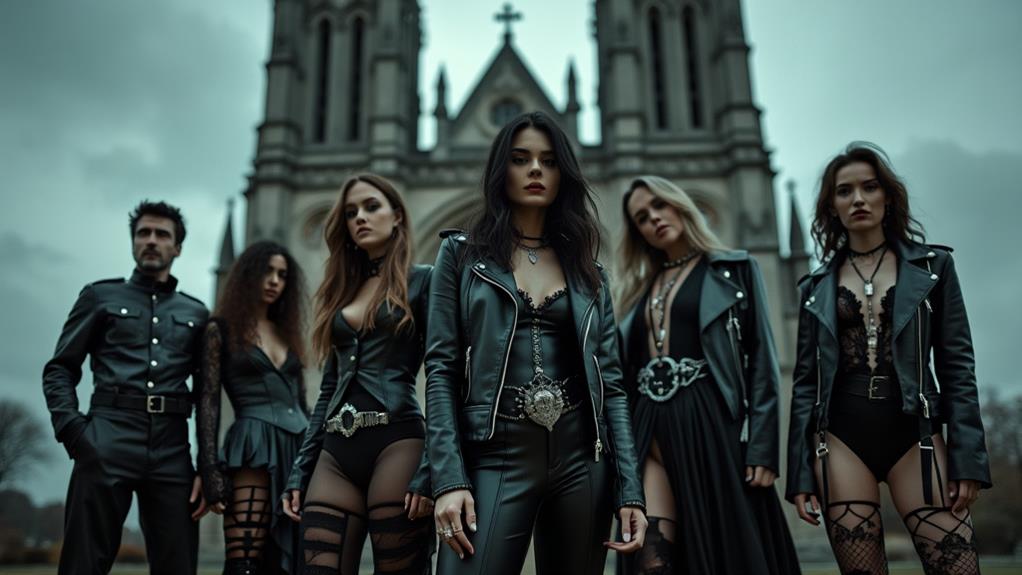
The goth subculture, often characterized by dark clothing, dramatic makeup, and an air of mystery, traces its origins to the post-punk music scene of the late 1970s. However, its aesthetic roots extend back to Victorian fashion and Gothic literature. This fusion of historical and contemporary elements creates a striking visual statement that continues to evolve. From the romantic elegance of lace and velvet to the futuristic vibes of Cybergoth, the influence of the goth subculture on fashion is both profound and diverse. Curious about how these elements seamlessly blend to form a cohesive style? Let's delve deeper.
Origins and Evolution
The goth subculture originated in the late 1970s, influenced by the post-punk sounds of bands like Siouxsie and the Banshees and Joy Division. The term "gothic rock" was coined during this period, with Bauhaus's 1979 release "Bela Lugosi's Dead" often cited as the genre's seminal moment. The haunting melodies and atmospheric soundscapes of these bands laid the foundation for goth's distinctive aesthetic.
Goth fashion quickly became associated with dark clothing, which contrasted sharply with mainstream trends. By the 1980s, the movement embraced Victorian styles, incorporating lace, leather, and elaborate hairstyles. This focus on individuality and self-expression mirrored the subculture's core values.
In the 1990s, retailers like Hot Topic popularized goth fashion, blending traditional elements with contemporary twists. This commercialization led to the emergence of hybrid styles, such as mall goth and cybergoth.
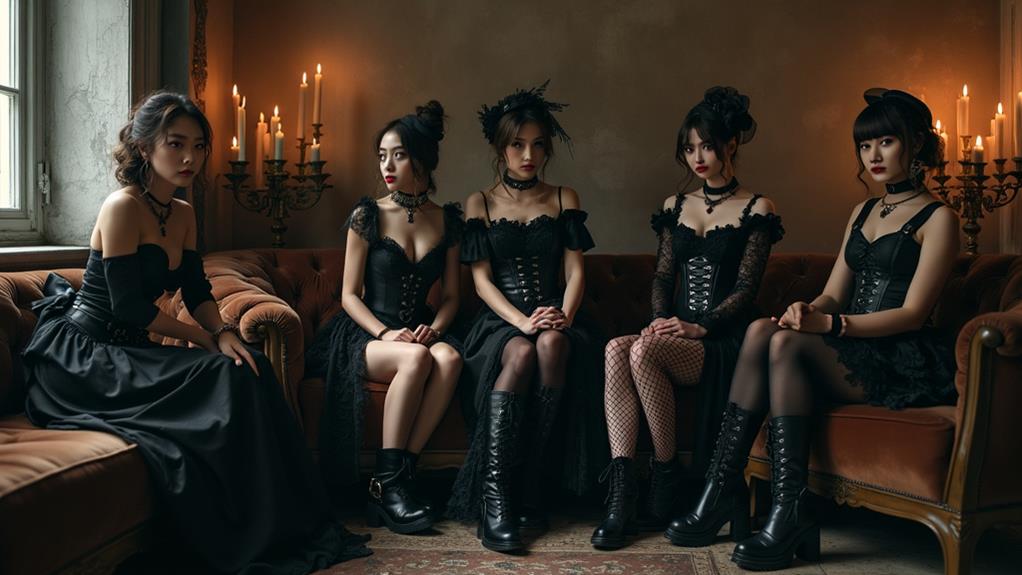
Today, goth fashion continues to evolve, incorporating influences from various subcultures, including Japanese Gothic Lolita and pastel goth. This ongoing evolution ensures that goth aesthetics remain vibrant and diverse, celebrating a legacy of innovation and self-expression.
Musical Influences
From its inception, gothic rock shaped not just a musical genre but an entire subculture. Emerging in the late 1970s, goth music found its defining moment with Bauhaus's "Bela Lugosi's Dead" in 1979. This track set the stage for the goth movement, influencing bands like Siouxsie and the Banshees, Joy Division, and The Cure. These groups played crucial roles in establishing the sound and goth aesthetic that became synonymous with the genre during the early 1980s.
Goth music often explores themes of melancholy, introspection, and existentialism, resonating deeply with its audience. Key venues like The F Club in Leeds and the Batcave in London became cultural hubs where fans and musicians congregated, fueling the genre's growth.
Here's a snapshot of influential bands and their contributions:
| Band | Defining Song | Influence on Goth Movement |
|---|---|---|
| Bauhaus | "Bela Lugosi's Dead" | Pioneered the goth aesthetic and sound |
| Siouxsie and the Banshees | "Spellbound" | Integrated post-punk elements |
| Joy Division | "Love Will Tear Us Apart" | Melded melancholy with goth themes |
These contributions were pivotal in shaping a genre that continues to influence music and culture today.
Fashion Elements
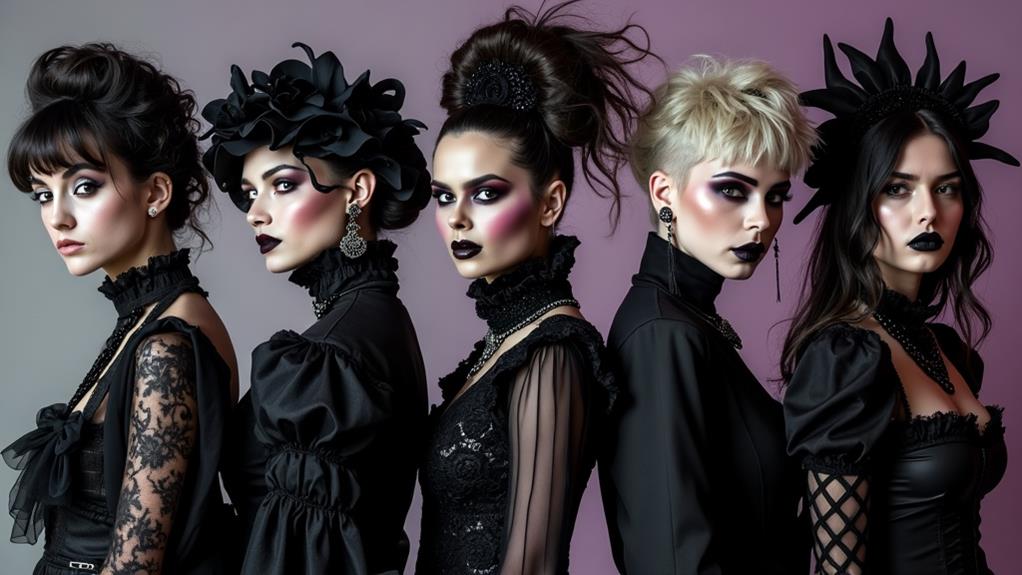
Gothic fashion captivates with its distinctive blend of dark clothing and dramatic accessories. The striking black outfits, often crafted from lace, leather, and velvet, draw immediate attention. This aesthetic draws from punk, Victorian, and Edwardian influences, creating a unique and timeless look. Heavy dark makeup and black back-combed hair are key elements that amplify the gothic appearance.
Accessories play an essential role, with chokers and silver jewelry highlighting a pale complexion. From ripped stockings and bondage gear popularized in the 1980s to today's more varied styles, each piece adds depth to the gothic fashion narrative. Substyles like Romantic Goth and Pastel Goth demonstrate the scene's versatility. Romantic Goth emphasizes lace and deep colors, while Pastel Goth blends traditional dark elements with softer, childlike shades.
Contemporary goth fashion continues to evolve, incorporating trends like cybergoth, where neon colors and tech-inspired touches meet the classic gothic framework. This adaptability shows how the subculture remains resilient and dynamic, consistently reinventing itself while staying true to its core elements. Embracing these aspects allows for full engagement with the goth subculture.
Cultural Inspirations
The goth subculture draws from a rich tapestry of cultural inspirations, including 19th-century Gothic literature and classic horror films. Influential writers like Edgar Allan Poe and Bram Stoker have significantly shaped its dark, romantic themes. Additionally, the imagery from horror films enhances its macabre aesthetic. The goth style also incorporates historical fashion from the Victorian and Edwardian eras, along with elements from various mythologies, creating a deeply symbolic and eclectic visual identity.
Gothic Literature Influence
Imagine walking through dimly lit streets, where shadows dance and the air hums with a sense of mystery—this is the essence that gothic literature brings to the goth subculture. Gothic literature, with its dark themes and supernatural elements, has profoundly shaped the visual style and emotional depth of goth fashion. Authors like Edgar Allan Poe and Bram Stoker crafted tales of death, melancholy, and the macabre, which resonate deeply within the community.
The visual style of goth fashion includes Victorian influences, echoing the romanticism and dark settings found in gothic fiction. Think corsets, lace, and long, flowing garments that evoke a sense of timeless elegance. Iconic symbols such as bats, skulls, and occult imagery, drawn from the pages of gothic literature, are staples in goth attire and accessories, making a strong statement about one's connection to these existential themes.
Gothic literature's influence extends beyond mere aesthetics; it celebrates personal expression and introspection. The existential themes found in these works encourage a deep exploration of one's identity, reflected in the unique and often elaborate fashion choices within the subculture. Events like Wave Gotik Treffen continue to honor this literary legacy, blending literature with the goth aesthetic.
Horror Film Imagery
The goth subculture draws heavily from the chilling imagery of classic horror films, infusing its fashion and aesthetics with macabre influences. Iconic horror figures like vampires and ghosts manifest in goth fashion through clothing motifs, accessories, and makeup styles that evoke an eerie and uncanny atmosphere. Classic films such as "Nosferatu" and "The Cabinet of Dr. Caligari" have significantly shaped the visual language of goth, inspiring artists and musicians to incorporate dark, haunting visuals into their work.
Historical Fashion Elements
Rooted in the eerie allure of horror film imagery, the goth subculture draws profound inspiration from historical fashion elements. A significant influence comes from the Victorian and Edwardian eras, characterized by dark clothing, lace, and corsetry. This aesthetic romanticizes themes of death and melancholy, echoing the gothic literature of Edgar Allan Poe and Bram Stoker. The motifs of decay and the supernatural are frequently woven into gothic attire.
Early goth fashion also embraced the DIY ethos of punk, incorporating elements such as ripped stockings, bondage gear, and distinctive styles from the late 1970s and early 1980s. This blend created a unique and recognizable look. Historical influences extend further to medieval art and architecture, fueling a fascination with castles and mythological themes, which are reflected in intricate designs and accessories.
In contemporary goth fashion, hybrid styles like Cyber Goth have emerged, incorporating futuristic tech elements and bright colors. This evolution demonstrates how historical influences continue to shape and adapt within the subculture, keeping goth fashion dynamic and intriguing.
Community and Social Impact
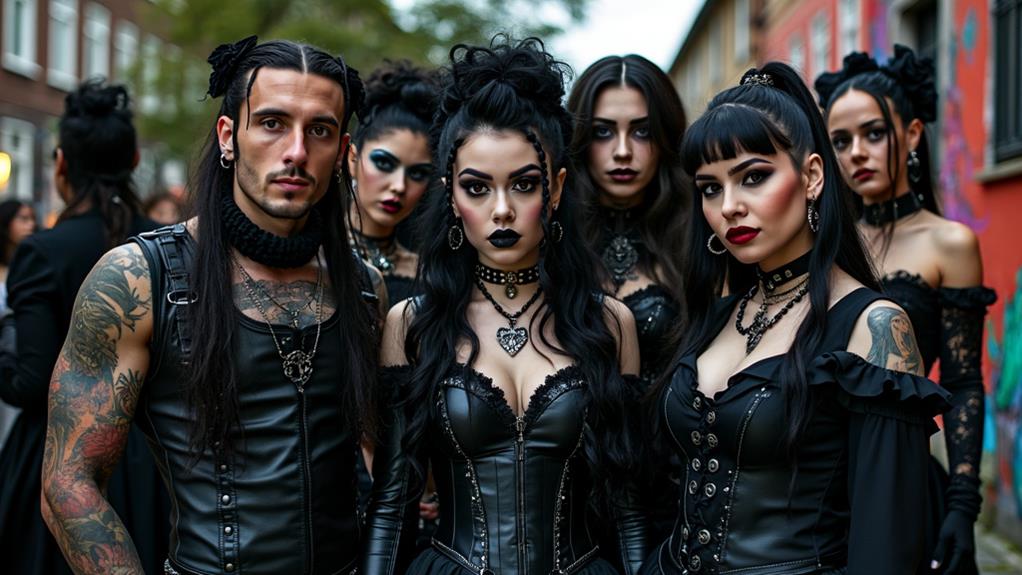
Attending goth festivals and gatherings fosters a strong sense of community and belonging. These events facilitate global cultural exchanges, showcasing the subculture's resilience and adaptability. Embracing themes of melancholy, introspection, and individualism, goth gatherings provide a unique space for self-expression and collective identity.
Festivals and Gatherings
Goth festivals and gatherings, such as the renowned Wave Gotik Treffen in Germany and Prague Gothic Treffen, play a crucial role in strengthening the goth community. These events are more than just gatherings; they are essential spaces for immersing yourself in the goth scene, exploring alternative expressions, and solidifying your identity. Here's how they impact the community:
- Cultural Hubs: Festivals like Wave Gotik Treffen and Prague Gothic Treffen host performances, workshops, and cultural exchanges, enriching the community experience.
- Fashion Expression: These gatherings are ideal for showcasing goth fashion, allowing you to express your identity through elaborate costumes and themed activities.
- Social Networking: Early venues like London's Batcave nightclub set the precedent for these festivals, providing essential social spaces for goths to connect, share ideas, and build lasting friendships.
- Community Bonding: Activities such as costume contests and dance parties at these festivals encourage individuality and creativity, reinforcing a collective sense of belonging.
Global Cultural Exchange
Many goths find a sense of belonging and cultural exchange through global events like the Wave Gotik Treffen in Germany and NecronomiCon in Providence. These gatherings unite individuals from around the world, reinforcing the goth subculture's global significance. At these events, participants experience rich exchanges that celebrate music, literature, and distinctive aesthetics, reflecting the subculture's diversity.
The goth community has spread across continents, adapting to various cultural contexts while maintaining themes of melancholy, introspection, and individualism. This adaptability is evident in fashion, where goth influences blend with local traditions, creating a rich tapestry of styles. Inclusivity within the subculture is growing, as seen in the rise of Afrogoths, who challenge traditional associations and expand the narrative of goth identity.
Digital media plays a crucial role in this global exchange. Platforms like Instagram and TikTok enable artists and musicians to engage with gothic themes, facilitating community building and cross-cultural interactions. This digital engagement enriches the alternative scene, making the goth subculture more accessible and inviting. Embracing these global influences and connections, the goth subculture continues to evolve, impacting fashion and community worldwide.
Identity and Belonging
A significant aspect of the goth subculture is its ability to foster a strong sense of belonging among its members. By embracing diversity and individuality, the goth community creates a supportive environment where individuals can freely express their identity. Early participants, known as "Batcavers," established crucial social networks around music festivals and nightclubs, solidifying these community ties and laying the foundation for enduring social bonds.
The goth identity often incorporates themes of melancholy and introspection, allowing members to share deeper emotional experiences collectively. This emotional connectivity is further reinforced during major events like the Wave Gotik Treffen, a significant gathering for the goth community. These events help in:
- Reinforcing social bonds: Shared cultural experiences strengthen connections.
- Promoting acceptance: A diverse environment where everyone feels welcomed.
- Encouraging creativity: Unique self-expression through fashion and art.
- Building a global community: Adaptation to different cultural contexts while maintaining core values.
Future Trends
As we look ahead, the goth subculture's future promises a lively blend of tradition and innovation. The emphasis on diverse identities will continue, with new generations redefining goth aesthetics. Emerging trends like pastel goth and cybergoth showcase the adaptability of goth fashion, allowing individuals to express themselves distinctively while retaining core gothic themes.
| Trend | Key Elements |
|---|---|
| Pastel Goth | Soft colors, goth motifs |
| Cybergoth | Neon accents, industrial influences |
| High Fashion | Gothic elements integrated into couture |
As the subculture evolves, there's a growing interest in blending goth aesthetics with mainstream fashion trends. This fusion is leading to a revival of gothic elements in high fashion and everyday wear. Events like Wave Gotik Treffen ensure that traditional goth aspects are preserved while embracing contemporary styles, safeguarding the subculture's relevance today.
The intersection of goth with genres like metal and alternative rock will continue to shape its evolution. This fosters a rich tapestry of cultural expression that resonates with a broader audience, ensuring the subculture remains vibrant and influential. The future of goth fashion is not just alive but thriving, continually reinventing itself.