The 2010s Craze for "Normcore" Fashion
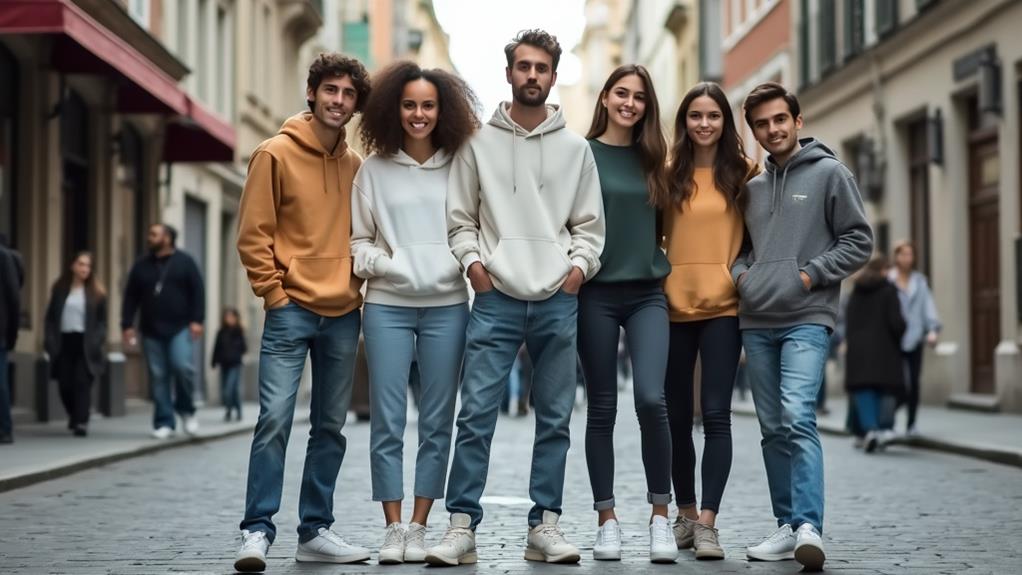
The 2010s are often remembered for their digital revolution, but do you recall the fashion trend that quietly captivated many? Normcore, characterized by its stonewashed denim, dad sneakers, and basic tees, offered a refreshing escape from the high-pressure demands of standing out. Inspired by figures like Jerry Seinfeld and Steve Jobs, this trend emphasized comfort and practicality, resonating deeply with Millennials and digital natives. But was it just a fleeting fad, or did it signal a deeper cultural shift? Let's explore how this understated style reshaped the fashion landscape and why it mattered more than you might think.
Origins of Normcore
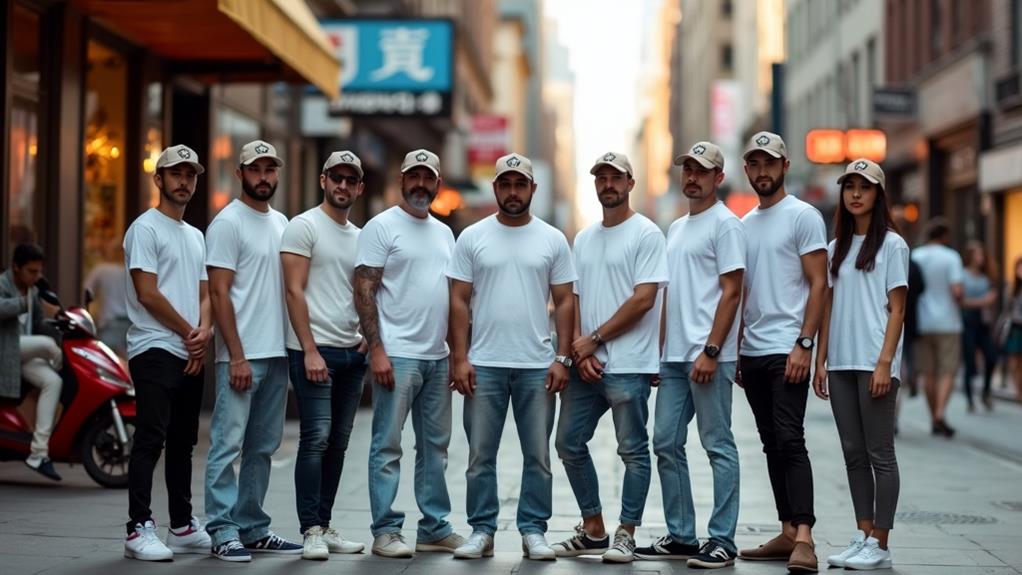
In 2013, the term "normcore" was coined by the trend forecasting collective K-HOLE in their report "Youth Mode: A Report on Freedom." This concept extended beyond fashion, encapsulating a sociological sentiment that pushed back against the "try-hard" Mass Indie period. Normcore emerged as a movement that embraced blending in and ordinariness as a new form of authenticity.
At its essence, normcore revolves around making self-aware clothing choices that prioritize simplicity and comfort over bold fashion statements. This trend rejects the notion that one needs to stand out to be cool. Instead, it champions the idea that being oneself and feeling comfortable in what one wears is the ultimate form of authenticity.
Normcore fashion typically includes items like stonewashed denim, dad sneakers, and other ordinary clothing from the 1990s. This minimalist style reflects a cultural shift, particularly among Millennials and digital natives, who value individuality and authenticity in an increasingly noisy fashion landscape. Embracing normcore signifies that authenticity and comfort hold more importance than adhering to fleeting fashion trends.
Key Designers and Influences
Key Designers and Influences
Several key designers and cultural icons have played significant roles in shaping and popularizing normcore fashion. The normcore trend, which gained traction after K-HOLE introduced it in 2013, found its early champions in unlikely style icons like Jerry Seinfeld and Larry David. Their mundane yet iconic clothing choices—think mock turtlenecks, stonewashed denim, and dad sneakers—became the epitome of normcore's self-aware aesthetic.
Fashion designers quickly caught on. Brands like Balenciaga and Vetements began incorporating normcore elements into their collections, embracing the blend of 1990s grunge and minimalist influences. This signaled a broader acceptance of casual wear in high-fashion circles. These designers saw the appeal in normcore's emphasis on blandness and comfort over ostentation, reflecting a cultural shift towards authenticity and individuality.
Street style photographers also played an essential role in the normcore trend's rise. By capturing everyday people in their unremarkable yet stylish attire, they helped spread the movement's ethos far beyond the runway. This grassroots documentation showcased how normcore resonated with a public tired of the overwhelming fashion landscape dominated by influencers and high fashion, making it a lasting influence on mainstream trends.
Visual Aesthetics
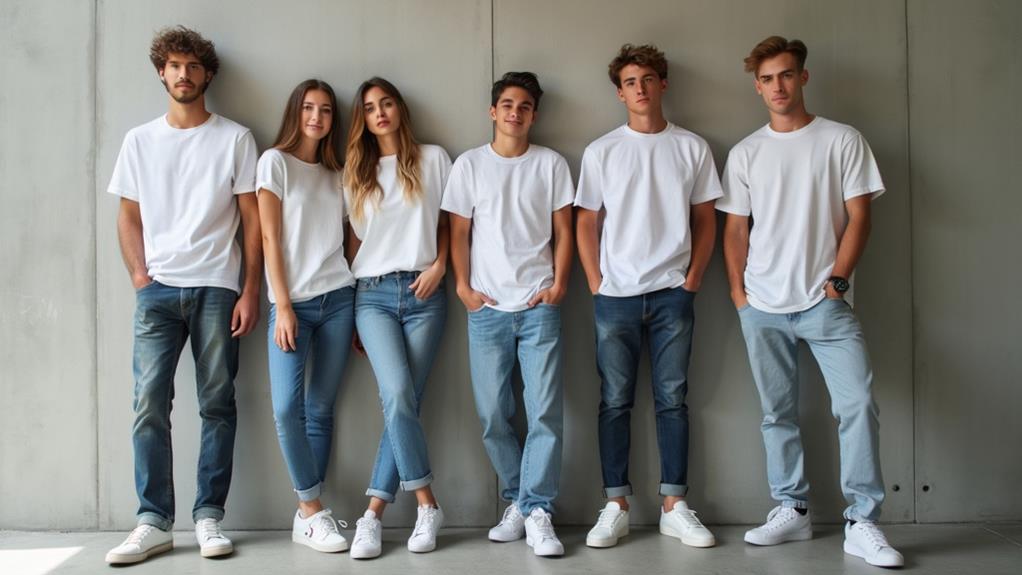
When you think of normcore fashion, picture iconic figures like Jerry Seinfeld, Larry David, and Steve Jobs with their simple, unpretentious wardrobes. Key staples include stonewashed denim, plain t-shirts, and dad sneakers. Simple accessories such as white tube socks, baseball caps, and practical footwear complete the look, emphasizing comfort and a laid-back vibe.
Iconic Normcore Figures
Few figures embody the essence of normcore fashion like Jerry Seinfeld, Larry David, and Steve Jobs. These iconic figures epitomized the aesthetic through their choice of casual clothing that prioritized comfort and simplicity. Jerry Seinfeld's normcore looks featured stonewashed denim, white sneakers, and plain sweaters—unpretentious yet self-aware, making a statement by not making one.
Larry David's approach to normcore is similar, with an emphasis on practicality. He often wears relaxed-fit jeans, plain t-shirts, and dad sneakers, reflecting a cultural shift towards valuing ordinary, relatable clothing over high-fashion extravagance.
Steve Jobs' signature look of a black turtleneck, blue jeans, and New Balance sneakers became iconic. His uniform-like approach underscores the normcore philosophy: blending vintage elements with contemporary casual wear to create a relatable and accessible style.
These figures didn't just wear clothes; they embodied a movement that celebrated the ordinary. Their normcore looks have left a lasting impression, proving that fashion can be both simple and significant.
Key Wardrobe Staples
Normcore fashion thrives on simplicity and self-awareness, making its key wardrobe staples both practical and iconic. You'll often reach for stonewashed denim jeans, perfectly embodying the normcore street style with their understated, worn-in look. Pair them with a simple t-shirt to nail the effortlessly cool yet unpretentious aesthetic that defines this trend.
Dad sneakers are another essential piece in your normcore wardrobe. Their chunky design and emphasis on comfort make them a standout choice for everyday outfits. These shoes are about embracing the ordinary with confidence, not just making a statement.
Mock turtlenecks and Patagonia windbreakers are classic normcore staples that blend 90s grunge with a minimalist approach. These items prioritize functionality over flamboyance, reinforcing the idea that being ordinary can be authentically stylish.
White tube socks and no-nonsense baseball caps further enhance your normcore look. These accessories aren't flashy, but they highlight the movement's focus on practicality and simplicity. By incorporating these elements, you celebrate the notion that ordinary fashion can be both cool and inclusive, making you a part of the larger normcore community.
Simple Accessory Choices
Building on key wardrobe staples, simple accessory choices significantly define normcore's visual aesthetics. In normcore fashion, accessories like white tube socks paired with sneakers and no-nonsense baseball caps emphasize comfort and practicality. These items aren't just about looking good; they're about feeling good too. The return of 1990s-inspired choker necklaces, now evolving into high-neck options, adds a touch of nostalgia while maintaining understated elegance.
Your normcore accessories should lean towards small, dainty jewelry, contrasting sharply with the bulky statement pieces of previous fashion trends. This minimalist aesthetic promotes subtlety and functionality over flamboyance. Think of accessories that blend seamlessly with your wardrobe, not ones that scream for attention.
In keeping with normcore's ethos of ordinary, self-aware clothing choices, your accessory selections should convey authenticity and non-exclusivity. Opt for recognizable, everyday items—nothing too flashy or over-the-top. This approach not only enhances the normcore look but also reinforces the idea that fashion can be both accessible and relatable. So, when picking accessories, focus on comfort, nostalgia, and practicality to truly embody the essence of normcore.
Evolution in Fashion
Over the past decade, fashion has transitioned from exuberant styles to understated simplicity, driven by the rise of normcore in the early 2010s. Normcore offered a stark contrast to the over-the-top trends of the Mass Indie period, promoting a self-aware, stylized blandness with ordinary clothing choices becoming a new form of street style. Staples such as mock turtlenecks, dad sneakers, and functional windbreakers became emblematic of this movement.
Social media played a pivotal role in popularizing normcore, with influencers showcasing everyday looks that celebrated comfort and practicality. This anti-fashion sentiment was a refreshing change, countering the exclusivity often associated with high fashion.
As the trend evolved, it gave rise to the concept of "quiet luxury." This new phase retained normcore's understated style but introduced elements of opulence and quality, reflecting a broader shift towards simplicity and refinement in fashion narratives.
Here's a table summarizing the evolution:
| Period | Style | Key Elements |
|---|---|---|
| Early 2010s | Normcore | Mock turtlenecks, dad sneakers |
| Mid 2010s | Street Style | Influencer-driven, practical |
| Late 2010s | Quiet Luxury | Understated, opulent |
| 1990s Influences | Grunge, Minimalism | Functional windbreakers |
| Social Media Era | Anti-fashion Sentiment | Comfort, practicality |
This evolution in fashion reflects a broader cultural shift towards valuing comfort, quality, and understated elegance.
Cultural Impact
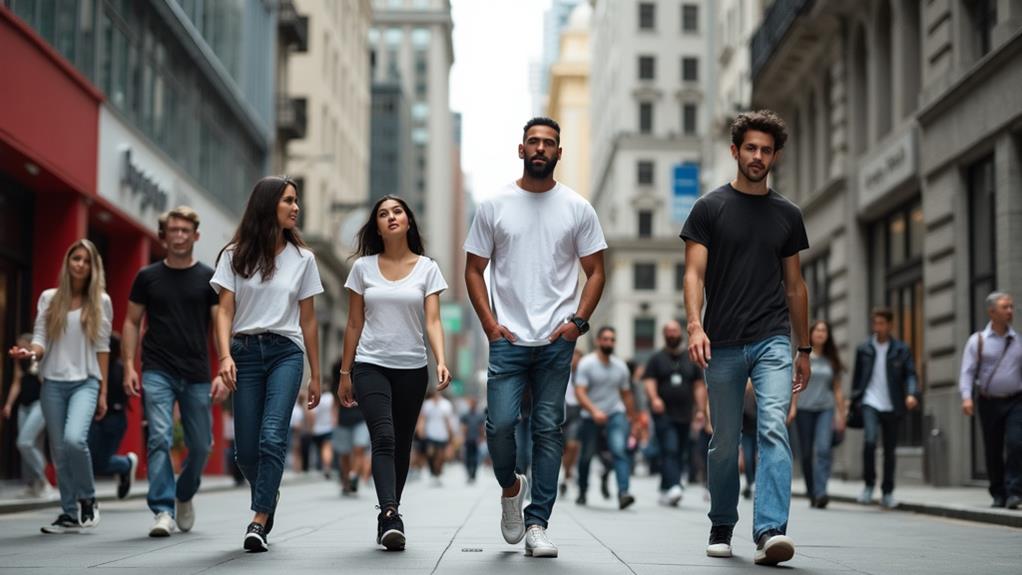
The cultural impact of normcore is significant. As a reaction to the dominance of alternative subcultures, normcore embraced comfort and ordinary clothing choices. It challenged the fashion industry's obsession with standing out, shifting cultural values towards simplicity and authenticity rather than flamboyance. This trend extended beyond fashion, reflecting a broader societal movement towards genuine self-expression in the 2010s. Millennials and digital natives particularly gravitated towards identities that felt authentic, not curated for public consumption.
Social media platforms like Tumblr and Instagram amplified normcore's influence. Instead of showcasing extravagant styles, feeds were filled with images of people adopting mundane fashion, making self-aware statements about the appeal of blending in. This marked a departure from the try-hard ethos of the Mass Indie age, offering relief from fashion pressures. Normcore resonated with those seeking authenticity in a world saturated with over-the-top aesthetics. By adopting normcore, individuals aligned themselves with a cultural shift that valued comfort, simplicity, and genuine self-expression over superficial uniqueness. It made a powerful statement about finding individuality in the ordinary.
Role of Social Media
Social media played a crucial role in amplifying the normcore movement. Platforms like Tumblr and Instagram showcased everyday, self-aware clothing choices to a broad audience, turning ordinary attire into a celebrated trend. Influencers such as Jeanette Hayes and Devonté Hynes used their online presence to highlight normcore aesthetics, effectively reaching younger demographics and shaping their fashion preferences.
User-generated content allowed individuals to share their normcore outfits, fostering a sense of community and acceptance around the style of blending in. This grassroots approach made the trend more relatable and accessible. Consequently, brands adapted their marketing strategies to engage with digital audiences seeking authenticity, aligning themselves with the normcore ethos.
The rise of social media engagement facilitated the rapid dissemination of normcore styles, making it easier for trends to evolve and for individuals to remix and reinterpret ordinary fashion choices. By leveraging the power of social media, normcore fashion quickly moved from niche circles into mainstream awareness, proving that blending in could be a bold fashion statement.
Normcore Icons
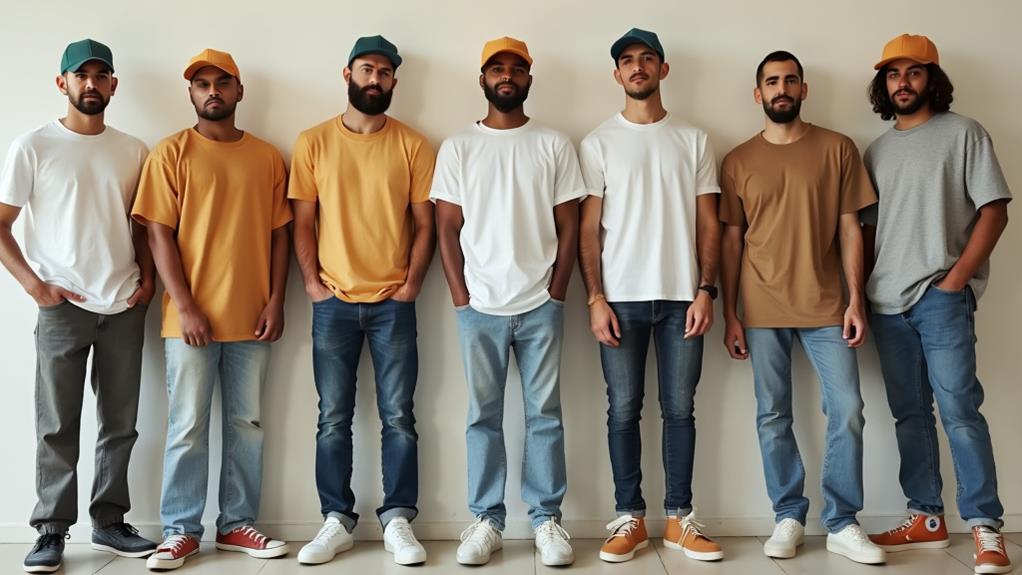
When you think of normcore icons, figures like Jerry Seinfeld, Larry David, and Steve Jobs come to mind, each known for their simple yet iconic outfits such as stonewashed denim and dad sneakers. Their choice of practical, self-aware clothing challenged high-fashion norms and made a cultural statement about embracing ordinariness. These icons have influenced a shift in fashion, encouraging individuals to find comfort and authenticity in everyday wear.
Influential Normcore Icons
Embracing simplicity and authenticity, normcore icons like Jerry Seinfeld and Larry David redefined fashion with their unassuming yet iconic looks. These cultural figures epitomized normcore by opting for plain clothing, such as stonewashed denim and dad sneakers, emphasizing comfort and simplicity. Jerry Seinfeld's casual jeans and sneakers made him a poster child for this understated style.
Steve Jobs, another quintessential normcore figure, consistently chose black turtlenecks, jeans, and sneakers. His attire underscored the movement's ethos of blending in while promoting practicality. Jobs' minimalist wardrobe choices made him a powerful symbol of the normcore aesthetic, proving that fashion doesn't always need to be extravagant to be impactful.
Influencers and artists like Jeanette Hayes and Devonté Hynes played a significant role in popularizing normcore on social media platforms. Their everyday, unpretentious outfits showcased the appeal of ordinary fashion, resonating with many who were tired of high-fashion trends.
The term "normcore," coined by the trend forecasting collective K-HOLE in 2013, highlighted this cultural shift toward valuing sameness and authenticity. Normcore icons didn't just adopt ordinary clothing; they made a statement against the overwhelming nature of high-fashion trends, celebrating the beauty in the mundane.
Signature Normcore Outfits
Normcore icons have carved out their niche with signature outfits that champion comfort and simplicity. Think of Jerry Seinfeld and Larry David, who epitomize the normcore look with stonewashed denim, dad sneakers, and no-frills baseball caps. Their attire reflects an intentional embrace of ordinary, everyday clothing that's practical and relatable.
Normcore enthusiasts often sport mock turtlenecks and oversized windbreakers from brands like Patagonia. These pieces are about more than just fashion; they signify a rejection of fast fashion's chaos. Geox shoes and basic graphic tees are preferred for their self-aware, stylized blandness over high-fashion extravagance. This minimalistic approach promotes authenticity in mundane styles, making it easy to blend into any environment comfortably.
Social media has played a significant role in popularizing normcore. Digital influencers captured these looks in street-style photography, highlighting the appeal of simplicity over flamboyance. Millennials and Gen Z found comfort and relatability in these normcore outfits, adopting them as a fresh, unpretentious alternative to ever-changing fashion trends. By focusing on comfort and simplicity, normcore has solidified its place in fashion history.
Cultural Normcore Impact
Normcore's cultural impact extends well beyond its signature outfits. Icons like Jerry Seinfeld, Larry David, and Steve Jobs exemplified this movement by opting for ordinary, comfortable, and simple clothing over ostentatious fashion. Emerging as a response to the high-fashion excesses of the early 2010s, normcore suggested that blending in could be a genuine form of self-expression.
The movement's influence was significant, signaling a shift towards valuing simplicity and uniformity. Influencers and artists such as Jeanette Hayes and Devonté Hynes further popularized normcore aesthetics on social media, promoting casual, everyday styling that resonated widely.
Key elements of normcore's cultural impact include:
- Rejecting traditional fashion norms in favor of practicality.
- Promoting authenticity through ordinary clothing choices.
- Challenging the obsession with standing out, prevalent in previous fashion trends.
- Encouraging relatability through an anti-fashion sentiment.
- Blending high and low culture in fashion.
Normcore's cultural significance lies in making simplicity and sameness not only acceptable but desirable in a world fixated on uniqueness.
Comparison With Quiet Luxury
In examining the subtleties between normcore fashion and quiet luxury, it's clear that each trend offers a distinct approach to sartorial expression. Normcore, which emerged in the early 2010s, focuses on simplicity and self-aware clothing choices. It promotes blending in with ordinary, everyday items like stonewashed denim and dad sneakers. Conversely, quiet luxury emphasizes understated elegance, often featuring high-quality materials and impeccable craftsmanship. This trend showcases wealth through subtlety rather than flamboyance.
While normcore embraces the mundane, aiming for comfort and practicality, quiet luxury leans towards exclusivity and sophistication. Tailored silhouettes and refined aesthetics characterize quiet luxury, reminiscent of high-end fashion but without overt branding. Normcore reflects a sociocultural shift towards valuing sameness and authenticity, fostering a sense of collective identity that rejects high-fashion excess. In contrast, quiet luxury appeals to those who wish to convey wealth discreetly, prioritizing timelessness and durability in their style choices.
Both trends serve as antidotes to the overwhelming nature of fashion fads. Normcore advocates for a return to basics, while quiet luxury emphasizes the importance of quality and longevity in fashion.
Subculture Movements
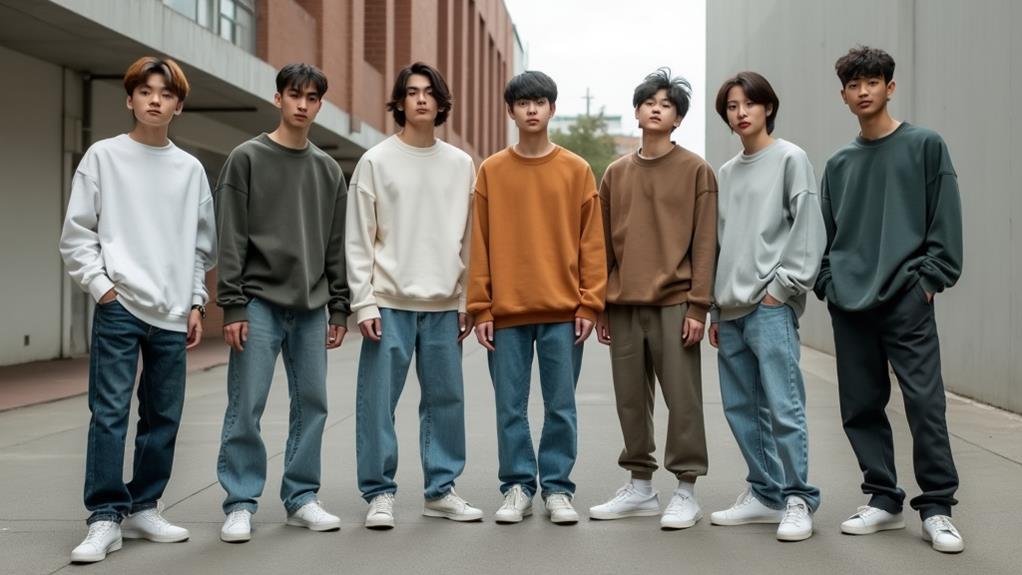
Streetwear's rise parallels normcore's influence, both thriving through social media's rapid dissemination of trends. Influencers often blend elements of streetwear and normcore, showcasing a mix of comfort and style that resonates widely. This intersection highlights how subculture movements adapt and evolve, driven by a quest for authenticity and simplicity in a constantly shifting fashion landscape.
Rise of Streetwear
The explosive rise of streetwear in the 2010s marked a seismic shift in the fashion landscape, seamlessly blending high fashion with casual, everyday styles. Brands like Supreme and Off-White transformed into cultural icons, setting the stage for a new era in fashion that couldn't be ignored. Street style photography surged in popularity, capturing influencers like Leandra Medine and Chiara Ferragni, who showcased their unique outfits, often mixing normcore with elements like skinny jeans.
Major fashion weeks began highlighting streetwear influences, embracing subcultures and reflecting the evolving tastes of the public. High-fashion runways increasingly featured these once-underground styles, effectively breaking down the barriers between casual and couture.
- Supreme and Off-White: Redefined mainstream fashion and became cultural icons.
- Street style photography: Gained prominence by capturing influential fashion figures.
- Normcore: Emphasized comfort and simplicity as a response to flamboyant styles.
- Fashion week showcases: Began to increasingly feature streetwear elements.
- Kanye West's Yeezy line: Blended groundbreaking designs with cultural commentary.
Unique collaborations, such as Kanye West's Yeezy line, further propelled streetwear into the spotlight. These movements transcended mere clothing; they were cultural statements that disrupted traditional fashion hierarchies and reshaped perceptions of everyday style.
Influence of Social Media
As streetwear redefined fashion norms, social media platforms like Tumblr and Instagram amplified normcore's rise, providing a digital stage for ordinary, self-aware fashion choices. Influencers like Jeanette Hayes and Devonté Hynes used their online presence to showcase minimalist, unpretentious styles, turning normcore into a cultural phenomenon. Social media created a space where anti-fashion sentiments thrived, as users sought simplicity over the extravagance of traditional fashion trends.
Through user-generated content, everyday individuals could participate in the normcore aesthetic, sharing their casual, inconspicuous clothing choices. This democratization of fashion allowed anyone to contribute to the movement, emphasizing authenticity and individuality. The normcore trend on social media reflected a broader cultural shift towards blending in as a fashionable statement, countering the pressure to stand out.
Here's a visual representation of these ideas:
| Social Media Platforms | Key Figures | Cultural Shift |
|---|---|---|
| Tumblr | Jeanette Hayes | Authenticity |
| Devonté Hynes | Anti-fashion | |
| User-generated content | Everyday individuals | Individuality |
| Blending in |
In essence, social media didn't just popularize normcore; it redefined what it meant to be stylish, placing authenticity at the forefront of fashion.
Lasting Trends
Normcore's emphasis on simplicity and comfort has left a lasting imprint on fashion trends. By embracing ordinary clothing choices, normcore shifted the focus from flamboyance to casual wear and understated elegance. This movement, which began in 2013, has significantly influenced the way we perceive and value everyday attire.
Normcore's enduring impact is evident in several modern fashion trends:
- Casual Wear Dominance: Casual wear has become a staple, seamlessly blending into both everyday and professional settings.
- Rise of Thrift Shopping: Thrift shopping has gained popularity, promoting sustainability and individuality.
- Unisex Styles: Unisex fashion has broken traditional gender norms, fostering inclusivity.
- Quiet Luxury: The concept of "quiet luxury" places value on quality and simplicity rather than ostentation.
- Social Media Influence: Platforms like Instagram and Tumblr have amplified these trends, making them accessible to a broader audience.
Influential figures like Jerry Seinfeld and Larry David, who embodied the normcore aesthetic, demonstrated that everyday attire could be both stylish and authentic. This cultural shift towards simplicity and comfort over high-fashion excess continues to resonate, making normcore a significant force in contemporary fashion.