Outdoor Fashion Tips for Texas Weather and Travel
Texas weather can change dramatically depending on the season and the region you’re visiting. A trip to humid Gulf Coast cities like Houston or Galveston requires very different clothing choices than a weekend in the dry desert landscapes of West Texas or the windy plains of the Panhandle. Because the state covers several climate zones, travelers often need clothing that balances heat management, sun protection, sudden storms, and cooler evenings. Lightweight fabrics, breathable layers, comfortable footwear, and practical accessories all play important roles when packing for outdoor activities and road trips across Texas. Whether you’re hiking in the Hill Country, walking through downtown Austin, visiting beaches along the Gulf Coast, or exploring Big Bend National Park, thoughtful clothing choices can make outdoor travel far more comfortable throughout the year.
Understanding Texas Climate Regions Before You Pack
Texas contains several distinct climate regions that influence what travelers should pack. The Gulf Coast and Southeast Texas experience high humidity, frequent rain showers, and long stretches of warm weather. Cities such as Houston, Galveston, and Corpus Christi often feel hotter than the actual temperature because of humidity levels, especially during summer. Central Texas and the Hill Country typically experience hot summers, mild winters, and rapid temperature swings between morning and evening. Travelers visiting Austin, Fredericksburg, Wimberley, or San Antonio often benefit from flexible layering options that work across changing conditions. North Texas and the Panhandle can experience far greater seasonal extremes. Winter temperatures in Amarillo and Lubbock occasionally drop below freezing, while spring storms and strong winds are also common. West Texas remains one of the driest regions in the state, especially around Big Bend and El Paso, where daytime heat and cooler nighttime temperatures create very different packing needs. Because Texas weather varies so much geographically, travelers planning road trips across multiple regions usually benefit from versatile clothing rather than destination-specific outfits alone.
What to Wear During Texas Summer Heat
Texas summers regularly bring temperatures above 95 degrees in many parts of the state, especially from June through September. During extreme heat, loose-fitting and breathable clothing becomes especially important. Lightweight fabrics help improve airflow while reducing heat retention during outdoor activities such as hiking, sightseeing, festivals, and park visits. Many travelers choose:
- Linen shirts
- Lightweight cotton clothing
- Moisture-wicking athletic fabrics
- Breathable shorts
- UV-protective fishing shirts
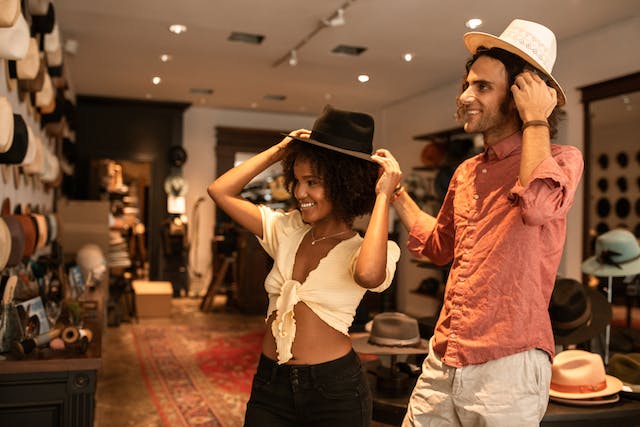
Light-colored clothing also helps reflect sunlight more effectively than darker fabrics. Wide-brim hats, sunglasses, and lightweight long sleeves remain useful during long outdoor excursions, especially in areas with intense sun exposure such as West Texas, South Texas, and coastal beaches. Visitors spending time outdoors during summer afternoons should also prioritize hydration and avoid clothing that traps heat or restricts airflow.
Best Fabrics for Hot and Humid Texas Weather
Fabric choice can dramatically affect comfort levels during Texas travel, particularly in humid regions near the Gulf Coast. Natural fabrics such as linen and lightweight cotton remain popular because they allow airflow and dry relatively quickly in hot conditions. Modern performance fabrics designed for outdoor recreation also help pull sweat away from the body during long periods outside. Bamboo-based fabrics and moisture-wicking athletic materials have also become increasingly common for travelers visiting Texas during warmer months because they help reduce discomfort during humid weather. Heavy polyester blends and thick denim can become uncomfortable during prolonged outdoor exposure, especially in cities such as Houston or along the Gulf Coast where humidity remains high for much of the year. Travelers visiting beaches, rivers, or outdoor festivals often benefit from clothing that dries quickly after sweat, rain, or water activities. Travelers planning outdoor adventures during cooler months can also explore some of the state’s best seasonal hiking destinations and scenic fall trails.
Dressing for Texas Spring and Fall Temperature Swings
View this post on Instagram
Spring and fall often provide some of the best travel weather in Texas, though temperatures can fluctuate significantly throughout the day. A cool morning in the Hill Country may quickly turn into an afternoon approaching 85 degrees before dropping again after sunset. Because of this, layering becomes one of the most practical strategies for Texas travel. A lightweight outfit combination often works best:
- Breathable base layer
- Light overshirt or pullover
- Packable rain jacket or windbreaker
This approach allows travelers to comfortably adjust clothing throughout changing conditions without carrying bulky outerwear. Spring weather also brings thunderstorms and sudden rain showers across much of the state, especially in North Texas and Central Texas. Compact rain jackets and water-resistant shoes can become especially useful during road trips and outdoor festivals.
Winter Clothing for Texas Travel
View this post on Instagram
Texas winters are generally milder than those in many northern states, though temperatures still vary widely depending on location. South Texas and coastal regions often remain relatively mild, while North Texas and the Panhandle can experience freezing temperatures, sleet, and occasional snow. Travelers visiting cities such as Dallas, Lubbock, Amarillo, or Fort Worth during winter should pack:
- Sweaters or fleece layers
- Medium-weight jackets
- Closed-toe shoes or boots
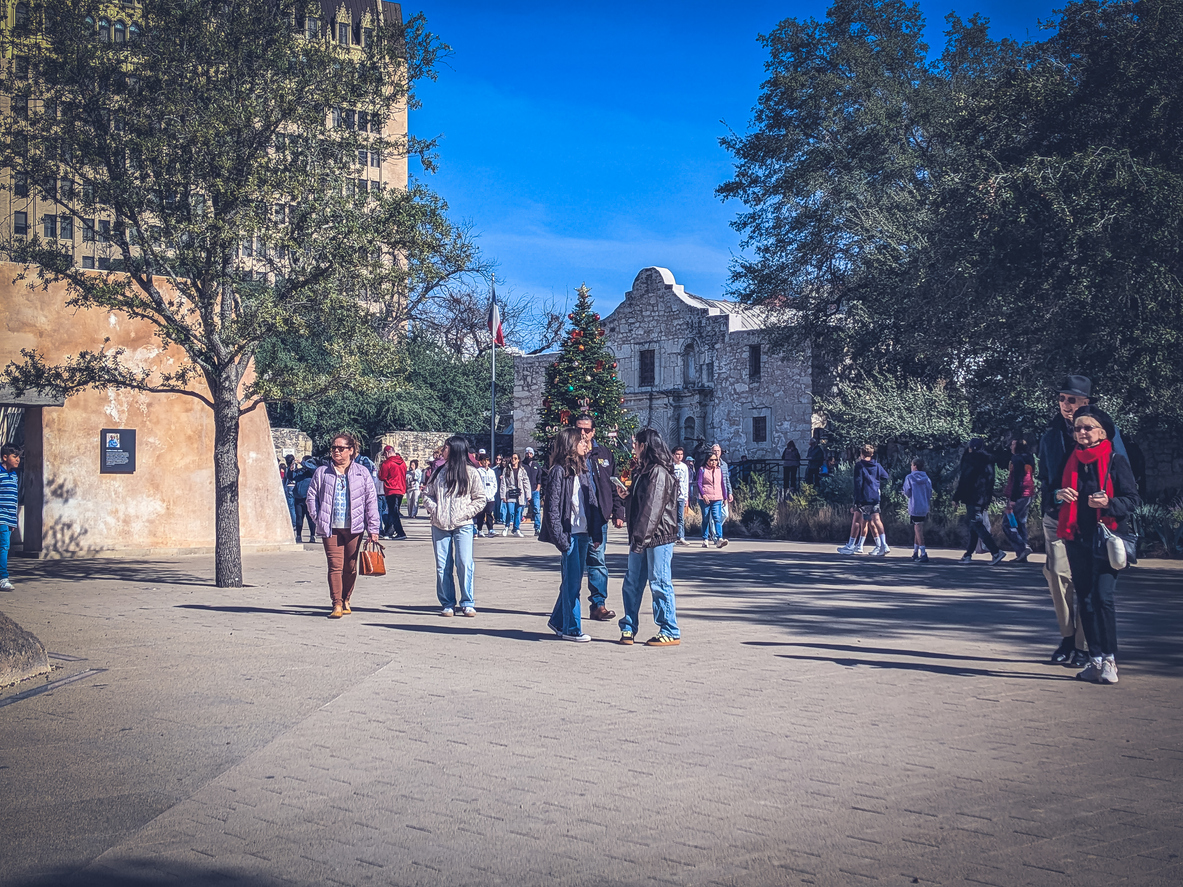
- Scarves and lightweight gloves for colder evenings
In West Texas desert regions, daytime temperatures may feel comfortable while nights become surprisingly cold after sunset. Layering remains especially important during winter because indoor heating and outdoor conditions can differ dramatically throughout the day.
Footwear for Texas Cities, Parks, and Outdoor Travel
Comfortable footwear becomes especially important during Texas travel because many destinations involve long walks, uneven terrain, or outdoor recreation. Travelers exploring:
- State parks
- Riverwalk districts
- Historic downtown areas
- Nature trails
- Outdoor festivals
often spend hours on their feet throughout the day. Breathable sneakers or trail shoes generally work well for most outdoor travel situations, especially during warmer months. Hiking boots become more useful in rocky areas such as Big Bend, Palo Duro Canyon, or Hill Country trails. Sandals may feel comfortable for beaches and lakes, though many outdoor destinations involve rocky terrain, gravel trails, or uneven ground better suited for closed-toe shoes. Because Texas weather can shift quickly, water-resistant footwear also becomes helpful during rainy seasons and spring storm periods.
Sun Protection for Outdoor Activities
Strong sun exposure remains one of the biggest outdoor challenges across Texas, especially during summer. Many travelers underestimate how quickly sunburn and heat fatigue can develop during:
- Hiking trips
- Sporting events
- Beach outings
- Festivals
- State park visits
Protective clothing with UPF-rated fabrics has become increasingly popular for outdoor recreation because it combines breathability with sun protection. Wide-brim hats and polarized sunglasses also help reduce heat and glare during outdoor activities. In areas such as West Texas and the Gulf Coast, lightweight long-sleeve shirts often provide more comfort than sleeveless clothing because they reduce direct sun exposure while still allowing airflow.
Dressing for Sudden Texas Storms
Texas weather can shift rapidly, especially during spring and early summer thunderstorm seasons. A sunny afternoon may quickly turn into heavy rain, strong winds, or severe thunderstorms in many parts of the state. Travelers spending time outdoors should keep lightweight rain gear accessible even when forecasts appear clear earlier in the day. Packable rain jackets and compact umbrellas work especially well for:
- City travel
- Outdoor festivals
- State parks
- Sporting events
- Road trips
Water-resistant bags or backpacks also help protect phones, cameras, and travel gear during unexpected rain showers. Travelers driving across Texas should also remember that weather conditions can vary greatly between regions during the same trip.
Building a Travel-Friendly Texas Capsule Wardrobe
Many travelers find it easier to pack for Texas by creating a small capsule wardrobe built around versatile clothing pieces that work across changing weather conditions. Neutral colors and lightweight layers allow outfits to mix easily while reducing overpacking during longer road trips. A practical Texas travel wardrobe often includes:
- Lightweight shirts
- Breathable shorts or pants
- One versatile jacket
- Comfortable walking shoes
- Rain layer
- Hat and sunglasses
Because outdoor travel remains so common across the state, many visitors prioritize comfort and practicality over formal styling during daytime activities. Wrinkle-resistant fabrics and quick-drying materials also help travelers adjust more easily between outdoor recreation, city exploration, and long driving days.
Fashion Tips for Texas Beaches, Festivals, and Outdoor Events
Texas outdoor events often combine fashion with practical comfort, especially during spring and fall festival seasons. Cities such as Austin, Dallas, Houston, and San Antonio host numerous outdoor concerts, food festivals, rodeos, and cultural events where travelers typically dress casually but comfortably for extended outdoor exposure. At beach destinations such as South Padre Island, Galveston, and Port Aransas, lightweight clothing, sandals, hats, and breathable coverups remain especially popular during warmer months. Meanwhile, Hill Country winery visits and outdoor markets often encourage slightly more polished casual styles that still prioritize comfort for walking and outdoor seating areas. Because Texas outdoor culture places strong emphasis on practicality, most travelers find versatile clothing works better than overly formal outfits during recreational activities.
Conclusion
Texas travel often requires balancing comfort, sun protection, weather preparedness, and versatility across very different climate regions. From humid Gulf Coast cities and Hill Country road trips to desert parks and North Texas winters, thoughtful clothing choices can make outdoor experiences significantly more enjoyable throughout the year. By focusing on breathable fabrics, lightweight layers, practical footwear, and weather-ready accessories, travelers can stay comfortable while exploring Texas parks, festivals, beaches, cities, and outdoor attractions in every season.