San Antonio Fashion Influences from History to Modern Trends
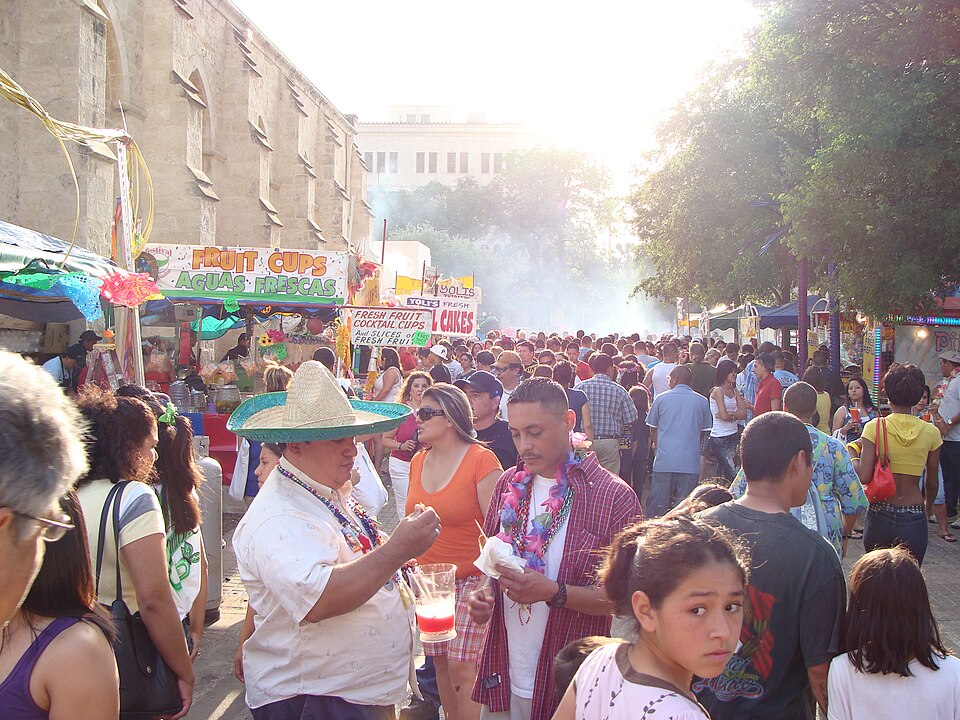
Image: Zereshk, Fiesta SA Nima1, CC BY-SA 3.0
San Antonio’s fashion history reflects the city’s evolution from a Spanish colonial settlement into a multicultural Texas city shaped by Mexican, German, Western, military, and modern urban influences. Local style has never followed national trends exactly. Instead, San Antonio has adapted fashion through climate, culture, craftsmanship, retail traditions, and major civic celebrations like Fiesta San Antonio. From historic department stores and handmade boots to guayaberas, Fiesta gowns, Western wear, and contemporary runway events, San Antonio’s fashion identity continues blending heritage with modern creativity.
San Antonio’s Early Retail and Fashion Identity
View this post on Instagram
By the early 1900s, San Antonio was one of Texas’s most important commercial cities, and downtown retail helped shape how residents dressed for work, church, social events, and public celebrations. One of the city’s most influential retailers was Joske’s Department Store, founded by German immigrant Julius Joske in the late 1860s. Joske’s grew into a major downtown shopping destination near Alamo Plaza and became known for fashion displays, seasonal promotions, and department-store service that drew customers from across South Texas. Other downtown stores, tailor shops, bootmakers, milliners, and dressmakers helped make central San Antonio a fashion destination before suburban malls changed the retail landscape. Fiesta events, parades, debutante balls, and civic gatherings also gave local residents highly visible occasions to dress formally and showcase current styles.
Jazz Age Style and Art Deco Influence in San Antonio
During the 1920s, San Antonio residents followed many of the same fashion changes seen across the country, including shorter hemlines, dropped waists, cloche hats, beaded dresses, and Art Deco patterns. The city’s theaters, hotels, department stores, and dance halls helped introduce Jazz Age glamour to local audiences. Art Deco influence appeared in geometric designs, sleek accessories, modern window displays, and the styling of downtown commercial spaces. Fashion during this period reflected growing mobility, nightlife, music culture, and changing ideas about women’s independence. San Antonio’s version of Jazz Age style still carried regional character. Lightweight fabrics, breathable silhouettes, and festive accessories suited the city’s warm climate and social calendar.
Depression-Era Practicality and Everyday Style
The Great Depression changed fashion in San Antonio just as it did across the country. Clothing became more practical, longer-lasting, and less extravagant as families stretched budgets and reused garments whenever possible. Many residents repaired clothing, repurposed fabrics, and relied on simpler silhouettes instead of elaborate embellishments. Women’s fashions shifted toward longer hemlines and more structured waists, while men’s clothing remained centered on suits, workwear, hats, and durable shoes. This era reinforced a practical side of San Antonio style: clothing had to suit hot weather, economic uncertainty, and daily life while still allowing room for dignity and personal presentation.
Fiesta Fashion and San Antonio’s Celebration Style
View this post on Instagram
Few traditions have shaped San Antonio fashion more visibly than Fiesta San Antonio. The city’s parades, coronations, balls, and neighborhood celebrations created a distinctive culture of formal gowns, embroidered dresses, flower crowns, medals, sashes, and festive accessories. Fiesta royalty gowns and trains remain among the most elaborate examples of San Antonio fashion. The Witte Museum regularly presents Fiesta-related exhibitions featuring coronation gowns, formalwear, and ceremonial dress that reveal how fashion, pageantry, and civic identity intersect in the city. At the community level, Fiesta fashion is more playful and accessible. Locals wear colorful clothing, flower crowns, guayaberas, embroidered blouses, hats, and custom medals that reflect both personal style and neighborhood pride.
Dressing for San Antonio’s Heat and Climate
San Antonio’s climate has always influenced what people wear. Long, hot summers and mild winters make breathable fabrics especially important. Before air conditioning became widespread, residents relied on cotton, linen, chambray, light wool blends, hats, fans, and looser clothing to stay comfortable. Formalwear still mattered, but clothing had to work in warm weather, outdoor events, and buildings without modern cooling. Joske’s helped change shopping comfort when its downtown store became known for modern amenities, including air conditioning during the 1930s. Still, San Antonio style continued favoring practical choices for heat, sun, humidity, and outdoor festivals. Today, climate-conscious dressing remains part of local fashion. Linen shirts, sundresses, sandals, guayaberas, Western hats, and lightweight layers remain common because they fit both the weather and the city’s cultural style.
Western Wear, Boots, and Texas Craftsmanship
View this post on Instagram
San Antonio’s fashion identity is also tied to Western wear and traditional craftsmanship. Cowboy boots, silver belt buckles, denim, pearl-snap shirts, felt hats, and leather goods remain part of the city’s broader Texas image. While bootmaker Charlie Dunn was more closely associated with Austin, his work reflects the larger Texas bootmaking tradition that influenced San Antonio and South Texas style. Custom boots, hand-tooled leather, and rodeo-inspired clothing continue appearing in local boutiques, Western shops, and Fiesta events. San Antonio’s fashion scene also connects to Mexican vaquero traditions, which helped shape Western dress throughout Texas. Embroidery, leatherwork, silver accents, and practical riding clothes all contributed to the region’s distinctive look.
Guayaberas, Menswear, and Cultural Heritage
View this post on Instagram
The guayabera has become one of San Antonio’s most recognizable garments because it blends comfort, formality, and cultural identity. The lightweight shirt works well in South Texas heat while remaining polished enough for weddings, business events, church services, and celebrations. Penner’s, a San Antonio menswear institution founded in 1916, remains closely associated with guayaberas, custom suits, hats, shoes, and traditional menswear. The downtown store has served generations of customers and continues representing the city’s connection to family-owned retail and cultural dress. The guayabera’s popularity in San Antonio reflects the city’s Mexican, Caribbean, and South Texas influences, offering a garment that feels both practical and ceremonial.
Where to See Historic San Antonio Fashion Today
Several San Antonio museums help preserve the city’s clothing, textile, and design history. The Witte Museum is especially important for Fiesta fashion, regularly displaying coronation gowns, ceremonial trains, and formalwear tied to San Antonio’s annual celebrations. These exhibitions show the skill of local dressmakers, embroiderers, and designers who helped turn Fiesta fashion into an art form. The San Antonio Museum of Art holds broad collections that include Latin American art, textiles, ancient Mediterranean works, Asian art, and decorative objects, offering a wider view of how clothing and material culture connect across time. The McNay Art Museum, Texas’s first modern art museum, also presents exhibitions that connect fashion, design, theater, costume, and visual culture, especially through its modern and contemporary art programming.
San Antonio Fashion Week and the Contemporary Scene
View this post on Instagram
San Antonio’s contemporary fashion scene has grown through runway events, local designers, boutiques, stylists, photographers, and creative collectives. Texas Fashion Week, held annually in San Antonio, showcases emerging and established designers from across the state. The event includes runway shows, panels, networking programs, and fashion industry events that highlight diversity, entrepreneurship, and creative talent. Modern San Antonio fashion often blends streetwear, Western elements, Latin American influence, vintage styling, and formalwear traditions. Designers and stylists draw from the city’s history while interpreting it through contemporary silhouettes, sustainable fashion, and multicultural identity. Local boutiques, vintage shops, and independent designers continue shaping a fashion scene that feels less corporate and more rooted in personal expression, heritage, and community.
Conclusion
San Antonio fashion has always reflected the city’s layered identity. Historic department stores shaped early retail culture, Fiesta created a powerful tradition of ceremonial dress, Western and Mexican influences shaped everyday style, and the city’s hot climate encouraged practical elegance. Today, San Antonio’s fashion scene continues evolving through runway events, local designers, vintage boutiques, and cultural celebrations. The result is a style identity that feels distinctly Texan, deeply multicultural, and closely connected to the city’s history.