The Evolution of Denim: From Workwear to High Fashion
Denim's transformation from rugged workwear to a high-fashion staple is a fascinating journey. Initially crafted for 19th-century laborers due to its durability, denim quickly became synonymous with toughness. By the mid-20th century, it evolved into a symbol of youthful rebellion. The 1980s saw designers like Calvin Klein elevate denim into high-fashion collections, redefining its place in style. Today, denim continues to evolve, embracing sustainability and artistic innovation while maintaining its iconic status.
Origins of Denim
The origins of denim date back to the late 17th century in Nîmes, France, where it was originally called "serge de Nîmes" and made from silk and wool. This durable fabric evolved into a cotton-based textile known for its strength and resilience.
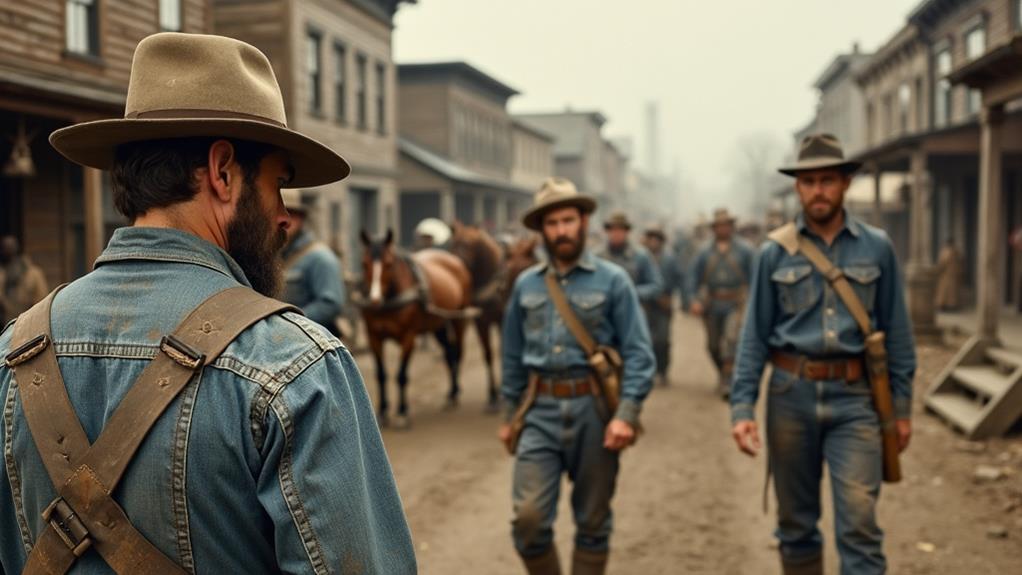
By the 19th century, denim became synonymous with workwear, especially during the California Gold Rush. Miners required robust clothing, and denim met their needs with its strong twill weave and indigo-dyed warp threads that concealed stains and wear. The turning point came in 1873 when Levi Strauss and Jacob W. Davis patented the first denim jeans. Their use of copper rivets to reinforce pockets provided the durability miners needed, marking the birth of modern jeans.
Over time, denim transcended its utilitarian roots. From "serge de Nîmes" to a high-fashion staple, its journey reflects a significant cultural shift. By the mid-20th century, denim had moved beyond the mines and factories, captivating designers and consumers alike. This evolution highlights denim's enduring cultural significance, transforming from practical workwear to a timeless fashion icon.
Denim in Popular Culture
In the mid-20th century, denim became a powerful symbol of rebellion and youthful defiance in popular culture. Iconic figures like James Dean and Marlon Brando wore denim in films that epitomized nonconformity and a break from societal norms. Their portrayals made denim synonymous with the burgeoning youth culture and a bold statement of independence.
As rock 'n' roll music gained momentum, denim's association with this rebellious genre solidified its cultural status. It came to represent freedom and self-expression for a generation eager to challenge traditional values. The 1960s saw denim embraced by diverse subcultures, including hippies and punks, who used the fabric to voice their individuality and anti-establishment sentiments. Denim transcended its role as mere clothing, becoming a canvas for personal and political statements.
High Fashion Influence
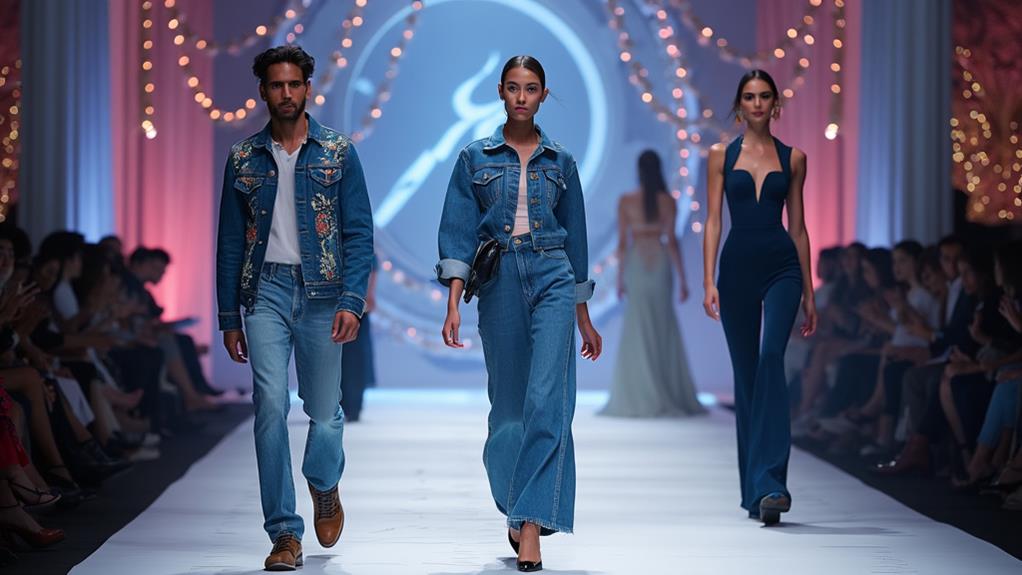
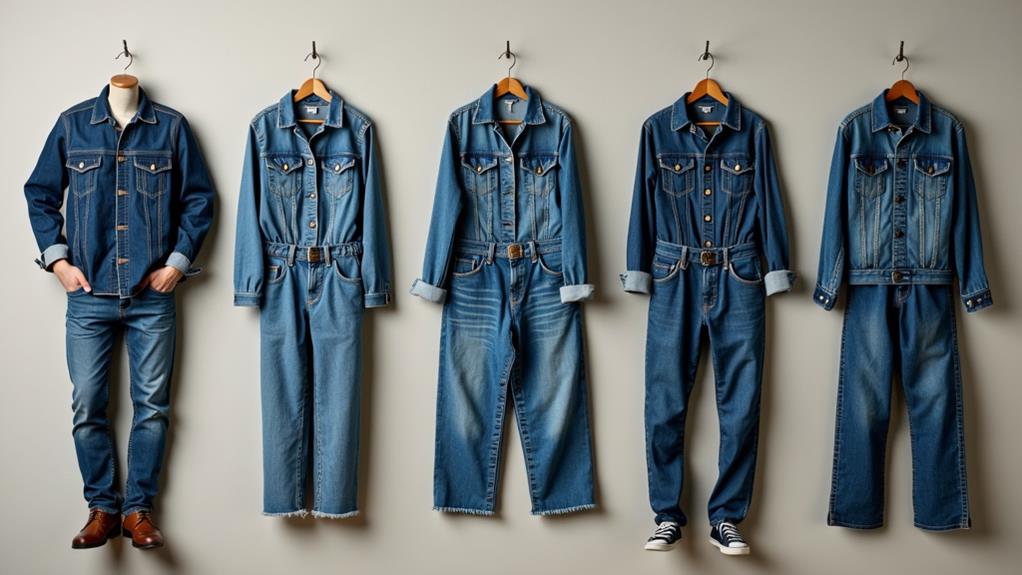
Transitioning from its rebellious origins in popular culture, denim evolved beyond a symbol of youthful defiance. In the 1980s, designers like Calvin Klein elevated denim into a high fashion essential, introducing premium lines with innovative cuts and embellishments. This transformation marked denim's entry into the luxury market, where craftsmanship and quality became central. Brands such as 7 For All Mankind and Citizens of Humanity emerged, focusing on unique designs and meticulous attention to detail, establishing designer denim as a staple in upscale wardrobes.
Exploring the high fashion landscape, you'll observe denim's incredible versatility. Denim skirts, jackets, and dresses began featuring prominently in high fashion collections, seamlessly blending with both casual and formal attire. The 1990s witnessed supermodels showcasing denim on runways, further solidifying its fashionable status across various demographics.
Today, contemporary trends continue to push the envelope of denim design. Artistic concepts and creative cuts keep denim relevant, while sustainable practices underscore its enduring appeal. This fusion of tradition and innovation ensures denim remains a timeless fashion choice, bridging the divide between classic luxury and modern style.
Global Denim Trends
Exploring global denim trends reveals that denim has solidified its status as a universal fashion essential, effortlessly crossing cultural and geographical divides. The global denim market, valued at around $60 billion in 2022, continues to grow, driven by emerging markets and the rise of online retail channels. Denim remains a cornerstone in both casual and formal fashion.
Japanese denim, renowned for its high-quality fabric and meticulous craftsmanship, significantly influences these trends. Brands like Evisu and Edwin set the standard for premium denim, shaping global preferences and establishing benchmarks for quality. Meanwhile, European designers have added a layer of sophistication, integrating denim into formal fashion and enhancing its versatility.
Sustainability stands out as a crucial trend, with eco-friendly practices becoming increasingly prevalent. Brands are adopting methods such as waterless dyeing and sourcing organic cotton to meet the rising demand for ethical fashion. This shift towards sustainability reflects evolving consumer values and ensures denim's enduring presence in the fashion industry.
Sustainable Denim Practices
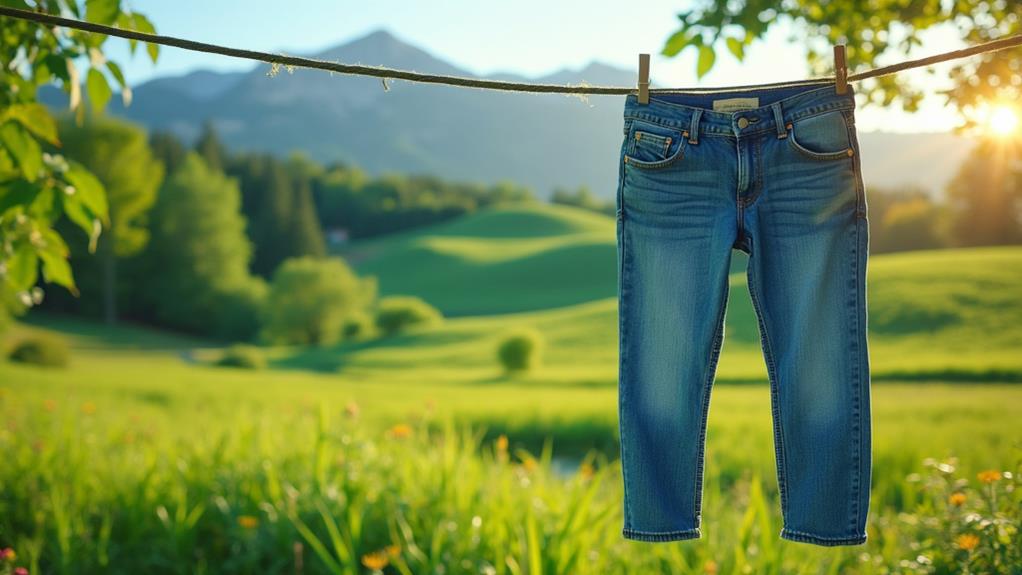
Sustainable denim practices are revolutionizing the industry by focusing on reducing environmental impact and promoting ethical production methods. Using organic cotton supports eco-friendly farming practices that significantly lessen the environmental footprint of cotton cultivation. Innovations such as waterless dyeing technologies have enabled denim production to decrease water consumption by up to 90%, conserving this vital resource.
Brands are increasingly adopting recycled and upcycled denim initiatives to repurpose old jeans, thereby minimizing fabric waste in landfills. These efforts not only benefit the environment but also extend the lifecycle of denim products. Industry leaders like Wrangler and Primark are setting benchmarks by integrating recycled denim and 100% sustainable cotton into their collections.
Consumer awareness is on the rise, with more individuals opting for eco-friendly denim as they become more attuned to environmental concerns. This shift in consumer behavior is fueling the growth of the global sustainable denim market. By choosing sustainable denim, you are contributing to a more sustainable future for the industry.