The Popularity of Leather Jackets Across Decades
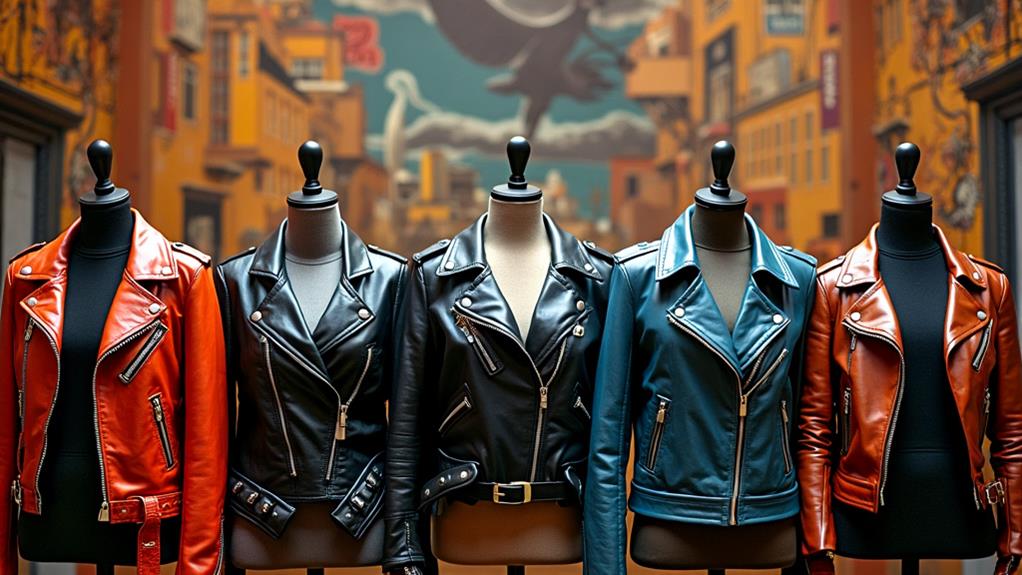
Leather jackets have transcended fashion trends, becoming symbols of rebellion, individuality, and timeless style. Originating in military aviation, they gained iconic status in 1950s Hollywood and 1980s punk scenes. How did these practical garments capture the imaginations of such diverse groups? Understanding their evolution offers insights into how fashion mirrors social and cultural shifts over time.
Historical Origins
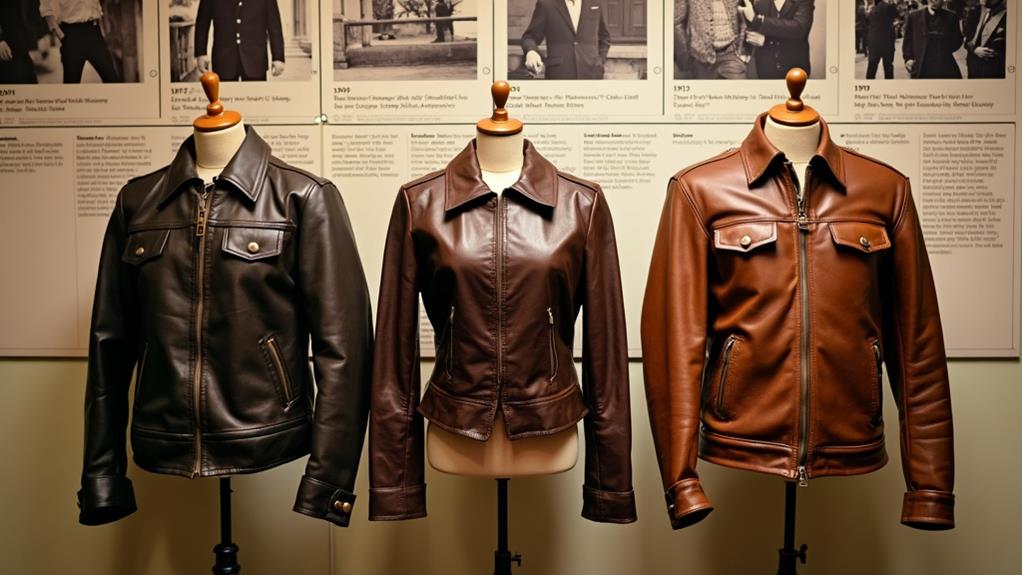
Leather jackets, now a staple in contemporary fashion, originated in the early 1900s as flight jackets for WWI pilots. Crafted primarily from brown horsehide leather, these jackets were designed to keep pilots warm in open cockpits, marking the beginning of their historical significance. Known for their durability and practicality, these early designs laid the foundation for what would become an enduring piece of outerwear.
In 1928, Irving Schott revolutionized the leather jacket with the introduction of the Perfecto jacket, featuring a front zipper closure instead of traditional buttons. Priced at just $5.50 and sold through a Harley-Davidson distributor, the Perfecto quickly became popular among motorcyclists for its fit, durability, and comfort, establishing a strong association with biker culture.
As leather jackets evolved, they transitioned from military wear to fashion icons. The 1950s saw cultural icons like Marlon Brando and James Dean popularize leather jackets, solidifying their status as symbols of rebellion and coolness. Over the years, various styles, including bomber jackets and cropped designs, have emerged, reflecting the ongoing evolution of leather jackets from functional military gear to ubiquitous fashion statements.
Military Influence
Leather jackets, now synonymous with rebellion and style, have deep roots in military history. Initially designed in the early 1900s, these jackets were essential gear for aviators, providing warmth and durability during high-altitude flights in uninsulated cockpits. The US Army Aviation Clothing Board advanced this concept in 1917 by designing bomber jackets specifically for WWI pilots. These early bomber jackets, crafted from brown leather with sheepskin lining, were crucial for insulation in cold conditions.
The influence of military designs on leather jackets can be observed through several key points:
- Aviators' Gear: Leather jackets provided essential warmth and durability for pilots.
- Bomber Jackets: Introduced by the US Army in 1917 to meet the needs of WWI pilots.
- Shift to Civilian Fashion: Military designs laid the groundwork for their adoption into popular culture.
- Symbols of Rebellion and Toughness: By the 1950s, leather jackets epitomized rebellion and toughness.
As these military-inspired leather jackets transitioned into civilian fashion, they became powerful symbols of rebellion and toughness, cementing their iconic status in popular culture.
The Perfecto Jacket

Imagine zipping up a piece of history—Irving Schott's Perfecto jacket, introduced in 1928, revolutionized biker gear with its practical front zip closure. Initially sold for just $5.50 at Harley Davidson distributors, this leather jacket quickly gained popularity among motorcyclists. Its asymmetric design wasn't merely aesthetic; it was engineered for comfort, making it an indispensable motorcycle jacket.
The Perfecto jacket's transformation from practical riding gear to cultural icon began in the 1950s. When Marlon Brando wore it in "The Wild One," it transcended its utilitarian roots, symbolizing rebellion and coolness. This iconic moment cemented the Perfecto jacket as a statement piece beyond the biker community.
Over the decades, the Perfecto jacket has evolved, yet its core elements remain unchanged. Its rich heritage of craftsmanship, enduring style, and rugged durability ensure it remains a fashion staple. Whether you're a biker or a fashion enthusiast, wearing a Perfecto jacket connects you with a piece of timeless history, embodying both heritage and modernity.
1950s Film Impact
When Marlon Brando donned a leather jacket in "The Wild One" (1953), he ignited a fashion revolution. His portrayal of Johnny Strabler transformed leather jackets into symbols of rebellion, capturing the imagination of a generation. This marked a shift in perception, turning leather jackets from military gear into powerful fashion statements.
James Dean's iconic role in "Rebel Without a Cause" (1955) further cemented this trend. Dean's leather jacket became synonymous with teenage angst and defiance against authority. Together, Brando and Dean established leather jackets as essential attire for those seeking to exude coolness and nonconformity.
In the 1950s, the cultural impact of these films was undeniable. Leather jackets were even banned in some schools, underscoring their association with delinquency. These jackets became influential for several reasons:
- Symbol of Rebellion: Represented defiance against societal norms.
- Fashion Statement: Elevated by Hollywood stars, making it a must-have item.
- Youth Culture: Embraced by young people seeking identity and self-expression.
- Timeless Appeal: Continued to influence fashion for decades.
The film industry's portrayal of leather jackets ensured their lasting legacy in American pop culture.
Rock and Roll Era

In the rock and roll era of the 1950s and 1960s, leather jackets became emblematic of rebellion and coolness, popularized by cultural icons like Marlon Brando and James Dean. Musicians such as Elvis Presley and The Beatles embraced them, solidifying leather jackets as a cornerstone of rock culture. By the 1970s and 1980s, punk bands like The Ramones and The Sex Pistols adopted leather jackets as a symbol of defiance against mainstream norms.
Influence of Musicians
Leather jackets became synonymous with rebellion and coolness during the rock and roll period, thanks to iconic figures like Elvis Presley and Marlon Brando in the 1950s. These fashion icons set the stage for musicians to use leather jackets as symbols of a rebellious spirit and counterculture identity. Steve McQueen, though primarily an actor, also contributed to this trend, blending the worlds of rock and roll and Hollywood.
As rock and roll gave way to punk rock in the 1970s and 1980s, bands like The Ramones and The Sex Pistols adopted leather jackets as part of their signature looks. This move cemented the jacket's association with the counterculture and rebellious youth. Musicians continually redefined leather jackets, ensuring their place in fashion history and inspiring generations to incorporate this versatile piece into their wardrobes.
Consider these key moments:
- Elvis Presley: Popularized leather jackets in the 1950s, making them a staple of rock and roll culture.
- Marlon Brando: In "The Wild One," Brando's portrayal of a rebellious biker made leather jackets a symbol of defiance.
- The Ramones: Brought leather jackets to the forefront of punk rock fashion in the 1970s.
- The Sex Pistols: Further solidified the jacket's association with punk rebellion in the late 1970s.
- Michael Jackson: Made the red leather jacket iconic with his "Thriller" music video in the 1980s.
- Steve McQueen: Reinforced the jacket's cool factor, bridging the gap between Hollywood and rock and roll.
Leather jackets have evolved but remain a timeless symbol of musical influence and style.
Cultural Rebellion Symbol
In the 1950s, rebellion took center stage as leather jackets became potent symbols of cultural defiance. Marlon Brando's iconic portrayal in "The Wild One" and James Dean's role in "Rebel Without a Cause" elevated leather jackets to a staple of nonconformity, challenging societal norms. Schools even banned them, fearing their influence on impressionable teens.
As rock stars like Elvis Presley and Steve McQueen rose to fame in the 1960s, leather jackets solidified their place in rock and roll culture. They weren't just clothes; they were declarations of rebellion. In the 1970s and 1980s, punk rock bands like The Ramones and The Sex Pistols took leather jackets to new heights, making them synonymous with the punk movement's anti-establishment ethos.
Even in the 1980s, leather jackets stayed relevant. Michael Jackson's red leather jacket in the "Thriller" music video showcased their evolution and ongoing influence. Throughout these decades, leather jackets remained key symbols of cultural rebellion and style.
Punk Rock Movement
In the punk rock movement of the 1970s and 1980s, leather jackets became iconic symbols of rebellion, famously worn by bands like The Ramones and The Sex Pistols. These jackets were often customized with studs, patches, and graffiti, reflecting the DIY ethos of punk culture. This blend of rebellion and fashion cemented leather jackets as staples in the punk subculture and left a lasting impact on mainstream fashion.
Punk Bands' Iconic Jackets
The Iconic Leather Jackets of Punk Bands
Punk bands in the 1970s and 1980s adopted leather jackets as a symbol of their rebellious spirit and anti-establishment stance. Groups like The Ramones and The Sex Pistols wore these jackets to deliberately reject mainstream fashion, embracing an unpolished look that mirrored their music's ethos.
The cultural impact of these leather jackets is significant. They became synonymous with punk rebellion and individuality, often customized with studs, patches, and graffiti art. This personalization was central to the punk aesthetic, allowing each band member to express their unique style and message.
Here's why these jackets were so iconic:
- Symbol of Rebellion: Leather jackets signified clear defiance against societal norms and mainstream culture.
- Customization: Punk bands personalized their jackets with unique embellishments, making each one a statement piece.
- Fashion Statement: They rejected conventional fashion, opting for a look that was raw and authentic.
- Cultural Impact: The imagery of punk bands in leather jackets influenced street fashion and continues to inspire contemporary styles.
Embrace the enduring legacy of punk fashion and its powerful message of individuality.
DIY Customization Trends
During the late 1970s and early 1980s, the punk rock movement, influenced by bands like The Sex Pistols and The Ramones, popularized DIY customization of leather jackets. Punk enthusiasts transformed ordinary leather jackets into bold fashion statements, adorning them with safety pins, studs, patches, and graffiti-style artwork, each piece reflecting unique individuality.
This trend wasn't merely about fashion; it was a rebellion against mainstream culture. By repurposing old leather jackets with audacious designs, punks challenged conventional fashion norms. This practice highlighted the do-it-yourself ethos central to punk rock, emphasizing individuality over conformity.
Customizing a leather jacket allowed one to showcase creativity and personal identity, making each piece a personal canvas. It was more than just clothing; it was a declaration of one's beliefs and values. In a subculture that prized nonconformity, a customized leather jacket was both a symbol of defiance and an essential part of punk identity.
Rebellion and Fashion Fusion
The DIY customization trend laid the groundwork for a broader cultural phenomenon where rebellion and fashion seamlessly fused. In the 1970s and 1980s, the punk rock movement adopted leather jackets as powerful symbols of nonconformity and rebellion. Bands like The Ramones and The Sex Pistols turned these jackets into fashion icons, defining the gritty, anti-establishment look that resonated with disaffected youth worldwide.
Studded and adorned leather jackets became synonymous with punk rock, reflecting the raw energy and defiance of the genre. These jackets appeared in music videos and live performances, reinforcing their status as statements of identity.
Female punk musicians like Joan Jett and Debbie Harry shattered traditional gender norms by donning leather jackets, proving that rebellion and fashion knew no gender boundaries. This move made leather jackets a unisex staple in punk culture.
Here's how leather jackets became symbols of rebellion:
- Adoption by leading punk bands: The Ramones and The Sex Pistols.
- Customization: Studs and patches represented individualism.
- Gender inclusivity: Icons like Joan Jett made it unisex.
- Global influence: Youth everywhere embraced the style.
In essence, leather jackets in punk rock epitomized a fusion of rebellion and fashion that left a lasting impact.
Women's Fashion Shift
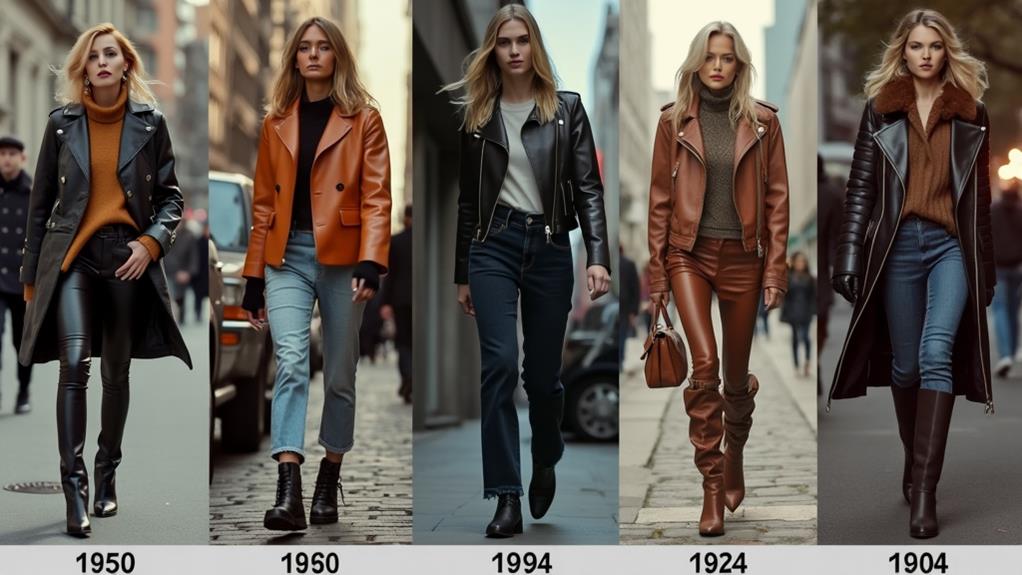
Leather jackets have undergone a significant transformation in women's fashion over the decades. In the 1970s, women around the world adopted leather jackets as symbols of empowerment and rebellion, greatly influenced by iconic musicians like Blondie and Joan Jett. This cultural shift marked the emergence of leather jackets not just as a staple in men's wardrobes but also as a powerful statement piece for women.
The 1980s further solidified this trend. Fashion icons and supermodels began sporting leather jackets, challenging traditional gender norms and making them a unisex fashion statement. Female rock musicians continued to popularize these jackets, pushing them into mainstream fashion with styles like cropped biker jackets and tailored leather blazers.
Television and film also played a role. Characters like The Fonz in *Happy Days* helped soften the bad-boy image of leather jackets, making them more accessible and appealing to women. By the 1990s, leather jackets were firmly entrenched in women's fashion. They appeared in different styles, from grunge to sleek, reflecting individuality and cultural trends. The evolution of leather jackets showcased a blend of rebellion and empowerment, making them timeless pieces in fashion history.
1980s Trends
In the 1980s, leather jackets adopted punk rock influences, with studs and patches making bold statements. Designers pushed boundaries by introducing dyed leather in lively colors, moving away from the traditional black and brown. Feminine biker styles also emerged, blending toughness with elegance, giving you more ways to express your personal style.
Punk Rock Influence
Few fashion items encapsulate the rebellious spirit of the punk rock scene like the leather jacket. In the 1970s and 1980s, leather jackets became central to punk rock's aesthetic, symbolizing defiance and individuality. Bands like The Ramones and The Sex Pistols popularized these jackets, embedding them in the fabric of youth rebellion and counterculture. Fans adopted these trends, often customizing their jackets with studs, spikes, and patches to express anti-establishment sentiments.
- Icons like Joan Jett and Debbie Harry: These women shattered traditional gender norms, proving leather jackets weren't just for men, making them a unisex staple.
- Distinctive features: The punk rock leather jacket typically had a fitted silhouette, wide lapels, and asymmetrical zippers, embodying the raw, edgy ethos of the movement.
- Concerts and festivals: Leather jackets became synonymous with punk rock events, serving as a uniform for both performers and fans, reinforcing their cultural significance.
- Fashion beyond music: The influence of punk rock leather jackets extended beyond music, affecting broader fashion trends and solidifying their place in cultural history.
Dyed Leather Jackets
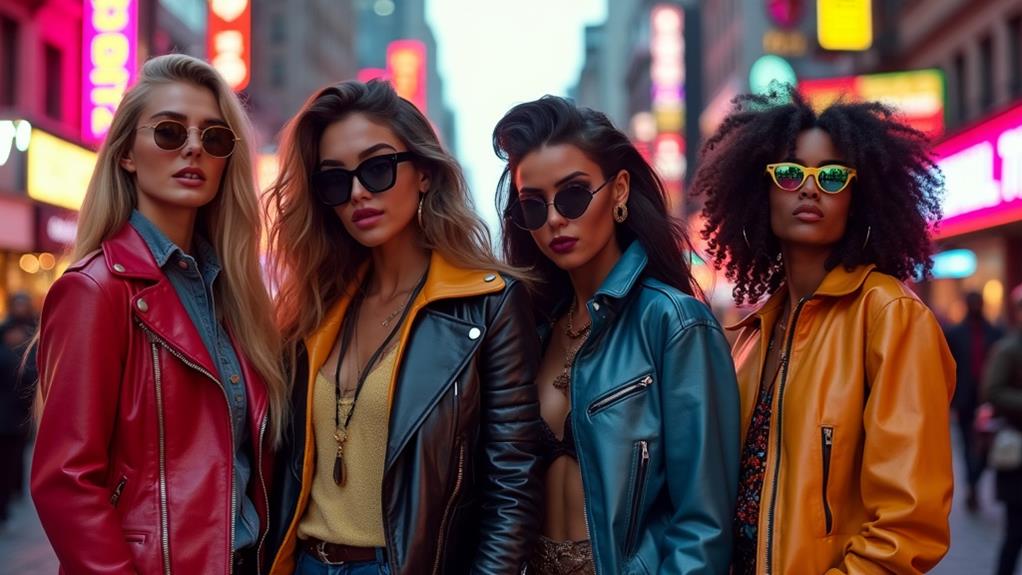
The 1980s witnessed a bold transformation in leather jacket fashion with the introduction of dyed leather jackets, a vibrant shift from the traditional black and brown. The fashion scene was ablaze with vivid hues of red, blue, and even pastel leather jackets. This colorful revolution drew significant inspiration from the punk rock movement, with bands like The Sex Pistols at the forefront. Their studded, brightly dyed designs became symbols of rebellion and youthful defiance.
Dyed leather jackets of the 80s showcased bold patterns, wide lapels, and cropped silhouettes, capturing the spirit of the era's youth. Advances in synthetic dyes and treatments enabled manufacturers to experiment with a broader palette, catering to diverse tastes. This led to a surge in options that allowed individuals to express their personal style through fashion.
Fashion icons and celebrities quickly embraced these dyed leather jackets, propelling them into mainstream popularity. Their endorsement solidified the jackets' status and ensured their lasting impact on leather jacket styles in the decades to come. These vibrant pieces undeniably reshaped the leather jacket landscape of the 1980s.
Feminine Biker Styles
In the 1970s and 1980s, leather jackets took on a fresh dimension with the emergence of feminine biker styles. Icons like Joan Jett and Debbie Harry embraced these jackets, blending traditional biker aesthetics with a more tailored fit. This shift allowed women to enjoy the rebellious edge of leather jackets while maintaining comfort and style. The rise of punk rock culture further amplified this trend, making studded leather jackets a staple among female musicians and fans.
Designers began to innovate, incorporating vibrant colors and patterns into women's leather jackets, moving beyond classic black and brown. This evolution highlighted the versatility of feminine biker styles, appealing to a diverse range of fashion preferences. Here's how feminine biker styles made their mark:
- Cropped Silhouettes: These offered a flattering and modern twist on the classic biker jacket.
- Embellished Designs: Studs, patches, and other decorations added a unique flair.
- Vibrant Colors: Bright hues and patterns broke the monotony of traditional biker wear.
- Celebrity Endorsement: Icons like Joan Jett showcased these styles, making them mainstream.
1990s Styles
During the 2000s, leather jackets seamlessly combined styles from previous decades, becoming a staple in versatile wardrobes. Drawing inspiration from bikers, bombers, and blazers, leather jackets became a go-to fashion item. The rise of celebrity culture saw icons like the Backstreet Boys and NSYNC popularizing these styles, embedding them deeply into mainstream fashion. You couldn't turn on the TV or flip through a magazine without seeing a leather jacket-clad celebrity, making you want one for yourself.
Popular media also played a significant role. Movies like "The Matrix" brought sleek, futuristic leather styles into the limelight, influencing streetwear trends. People began customizing their jackets, making them a canvas for individual expression. Whether you added patches, pins, or painted designs, your leather jacket became a unique extension of your personality.
The 2000s also marked the beginning of a shift towards sustainable fashion. With growing awareness, eco-friendly leather alternatives started to gain traction. More options aligned with responsible consumerism, allowing you to make fashion choices that reflected your values. This decade truly showcased the versatility and enduring appeal of leather jackets.
Modern-Day Relevance
Modern fashion continues to celebrate the timeless allure and versatility of leather jackets, making them more relevant than ever. These iconic garments transcend eras and genders, becoming a universal fashion staple. Opting for a classic style and ensuring a proper fit are key to maintaining their timeless appeal.
Here's why leather jackets remain indispensable in today's fashion landscape:
- Sustainable Leather: With a growing emphasis on environmental responsibility, many brands now offer sustainable leather options. These eco-friendly choices let you make a stylish statement without compromising your values.
- Celebrity Influence: Celebrities and fashion icons frequently showcase leather jackets, reinforcing their chic status. From casual streetwear to high fashion, these endorsements make leather jackets a must-have item.
- Personal Expression: Customization is on the rise, allowing you to personalize your leather jacket. Whether through unique designs or bespoke fits, these jackets serve as a canvas for individual style.
- Timeless Relevance: The heritage and craftsmanship behind leather jackets ensure they are more than just a fashion item. They represent a rich cultural legacy and personal expression, making them enduringly stylish.