The Influence of Music Festivals on Fashion Trends
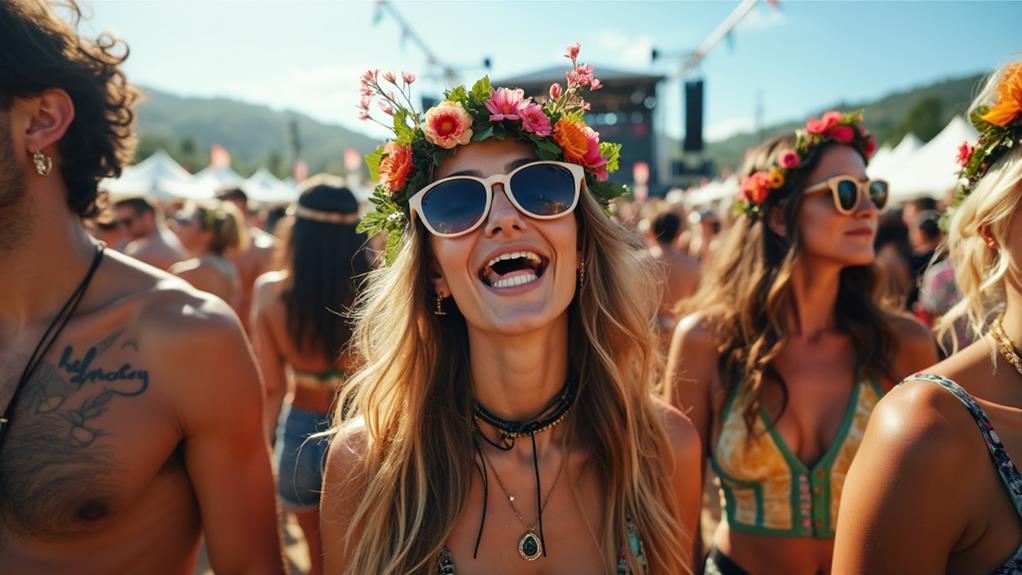
When you think about music festivals, it's not just the performances that come to mind; the fashion on display often steals the spotlight. These events act as cultural milestones where diverse styles emerge and evolve. Whether it's Coachella's bohemian flair or Glastonbury's punk edge, each festival mirrors broader societal movements. Social media accelerates this influence, making festival fashion trends accessible and viral. But how exactly do these festivals shape everyday fashion, and what role do musicians play in this dynamic? There's much to uncover about how these vibrant events drive fashion innovation.
Historical Context and Cultural Impact
Music festivals have long been more than mere venues for live performances; they have actively shaped and reflected cultural movements throughout history. From the iconic Woodstock in 1969, characterized by tie-dye shirts and denim, to contemporary events like Coachella, these gatherings have been trendsetters in the fashion world.
In the 1970s, the punk rock movement introduced an edgy, rebellious style to festivals, marked by leather jackets, band t-shirts, and an anti-establishment ethos. The 1980s saw festivals embrace vibrant fashion trends, featuring neon colors and playful accessories that mirrored a shift toward more expressive styles.
The 1990s grunge scene brought a focus on thrifted clothing and casual looks that prioritized comfort. Today, music festivals are not only significant cultural events but also platforms for sustainable fashion. Attendees showcase their personal style while promoting eco-friendly clothing choices. These festivals continue to influence global fashion trends, proving that they are more than just musical experiences—they are powerful cultural catalysts that continually shape and redefine the fashion landscape.
Evolution of Festival Fashion
Festival fashion has consistently evolved, reflecting the changing times and attitudes rooted in the cultural backdrop of music festivals. This journey began in the 1960s with Woodstock's iconic "flower power" look, featuring tie-dyed shirts and reworked denim as symbols of countercultural rebellion. The 1970s saw the rise of punk culture, showcasing edgy fashion choices like leather jackets and band tees that embodied an anti-establishment ethos.
In the 1980s, festivals embraced a colorful pop aesthetic. Attendees donned neon tutus and leg warmers, especially at events like Glastonbury, capturing the decade's lively spirit. The 1990s introduced the grunge and alternative scene, shifting festival fashion towards thrifted and casual styles that prioritized comfort and a laid-back vibe.
The 2000s marked a significant shift with the rise of fast fashion brands mass-producing festival-specific clothing, driven by social media and celebrity endorsements. This commercialization made festival attire more accessible and heavily influenced by broader trends.
- 1960s: Tie-dyed shirts, reworked denim
- 1970s: Punk culture, leather jackets, band tees
- 1980s: Neon tutus, legwarmers
- 1990s: Grunge and alternative, thrifted styles
- 2000s: Fast fashion, celebrity endorsements
Festival fashion, always in flux, continues to mirror the dynamic cultural landscapes of its time.
Genre-Specific Fashion Trends
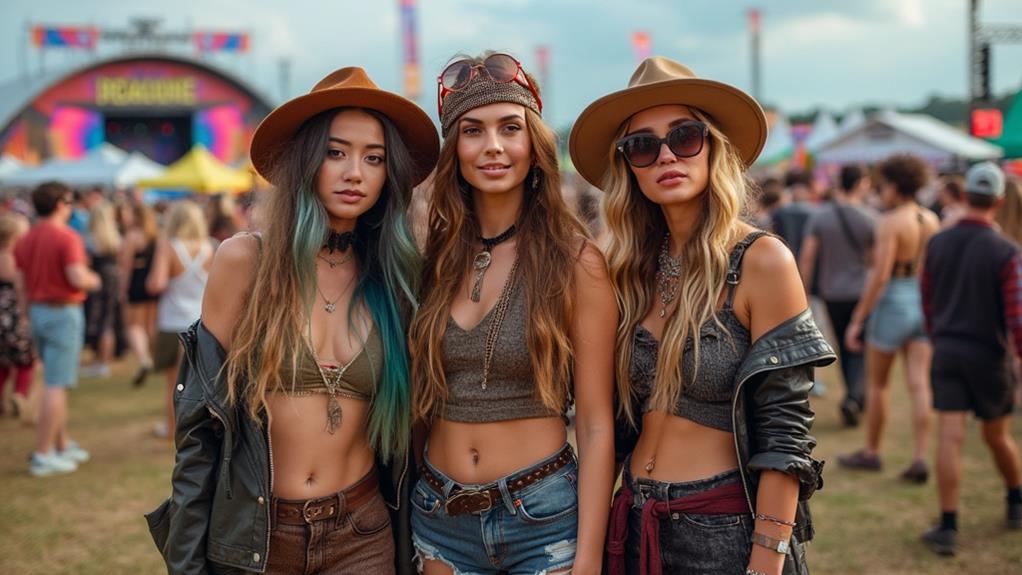
Different music genres bring unique styles to festival fashion, each contributing distinct elements to the overall scene. Rock n roll fashion, with its rebellious attitude, stands out through leather jackets and band t-shirts—a trend that has remained influential since the 1960s. This edgy look continues to shape festival fashion today.
On the other hand, hip-hop culture has made streetwear a festival staple. Characterized by oversized clothing, flashy jewelry, and sneakers, this style reflects the genre's rise since the 1980s, infusing festivals with a casual yet bold energy.
Electronic music festivals often feature futuristic and avant-garde aesthetics. Bold colors, innovative materials, and visually stimulating designs mirror the cutting-edge soundscapes of the genre, offering a unique sensory experience.
Indie and alternative music festivals embrace bohemian looks, including denim cutoff shorts, flowy tops, and quirky accessories. This effortless style captures the laid-back, free-spirited nature of the music and its fans.
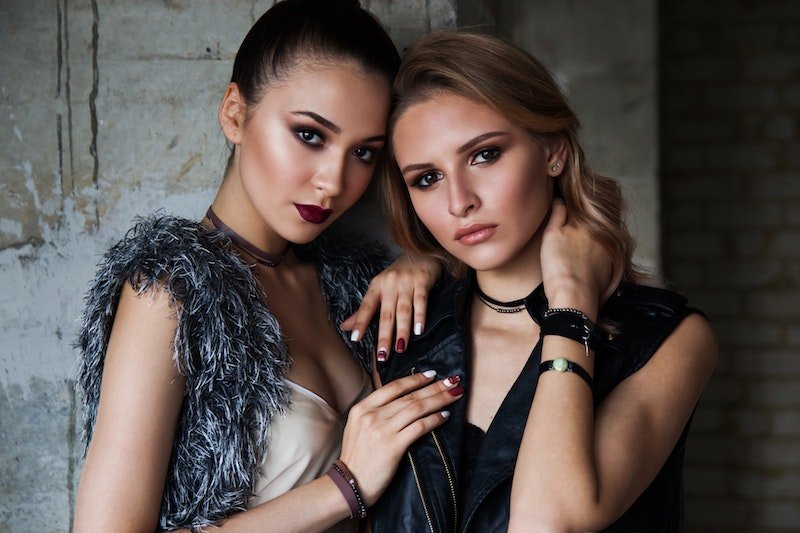
Lastly, punk fashion, which emerged in the late 1970s, adds a DIY flair with studded leather jackets and ripped jeans. These elements symbolize individuality and rebellion, celebrating the genre's enduring legacy.
Each genre-specific style enriches the festival experience, creating a diverse and vibrant fashion landscape.
Music Icons and Fashion Influence
Genre-specific fashion trends may set the stage for festival attire, but it's the music icons who truly elevate and shape these styles. Icons like Madonna and Prince have consistently pushed fashion boundaries with their unique styles, influencing trends and inspiring fans to adopt similar aesthetics. David Bowie's gender-bending fashion and extravagant looks during the glam rock period challenged traditional gender norms, inspiring countless artists and fans alike.
Beyoncé uses fashion as a form of empowerment, making bold statements through her outfits that resonate with her audience and influence contemporary fashion trends. Kanye West and Pharrell Williams have significantly impacted fashion by launching their own clothing lines and collaborating with major fashion houses, seamlessly merging music and style. The rise of social media has allowed musicians and fashion enthusiasts to showcase their unique styles in real-time, leading to viral trends and increasing the visibility of their influence on fashion.
Here's how music icons have shaped fashion trends:
- Madonna and Prince: Pushing boundaries with unique styles.
- David Bowie: Challenging traditional gender norms.
- Beyoncé: Empowering statements through fashion.
- Kanye West and Pharrell Williams: Launching clothing lines and collaborations.
- Social Media: Real-time showcase of fashion influence.
These music icons don't just entertain; they set the tone for what's trendy, making their fashion influence undeniable.
Contemporary Trends and Gender Norms
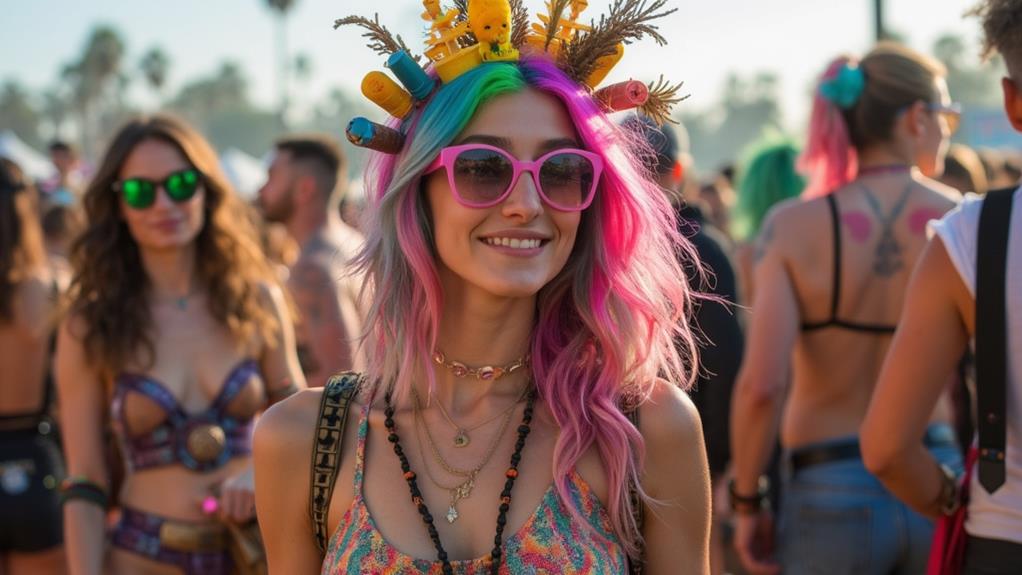
Contemporary fashion trends at music festivals embrace comfort and individuality, allowing you to showcase your unique style through eclectic, layered outfits. Rather than adhering to traditional fashion norms, you can mix and match pieces that highlight your personality. The rise of gender-fluid fashion at these events has reshaped how we view gender norms. Artists and attendees alike embrace androgynous styles, colorful prints, and non-binary aesthetics, breaking away from conventional male and female fashion boundaries.
Global phenomena like K-Pop have introduced lively and avant-garde elements into festival fashion. Bold colors, graphic prints, and a blend of streetwear and high fashion create eye-catching ensembles. Social media platforms amplify this visibility, enabling influencers and festival-goers to share their eclectic outfits, which often go viral and encourage diverse expressions of identity.
Sustainability is also a key trend in contemporary festival fashion. Surveys reveal that 60% of festival-goers prioritize sustainable choices, reflecting a growing awareness of ethical fashion. By opting for eco-friendly materials and upcycled pieces, you contribute to a culture that values both personal expression and environmental responsibility.
Festival Fashion Hotspots
Music festivals like Coachella, Glastonbury, and Afropunk have evolved into vibrant fashion hotspots, each with its distinct sartorial identity. These events seamlessly merge fashion and music, creating platforms where style trends are both born and celebrated.
At Coachella, bohemian fashion reigns supreme. Expect to see flowy dresses, flower crowns, and vivid accessories that epitomize the festival's aesthetic. In contrast, Glastonbury's unpredictable weather gives rise to grunge and utilitarian styles, with attendees often donning wellington boots and layered clothing that balance practicality and flair.
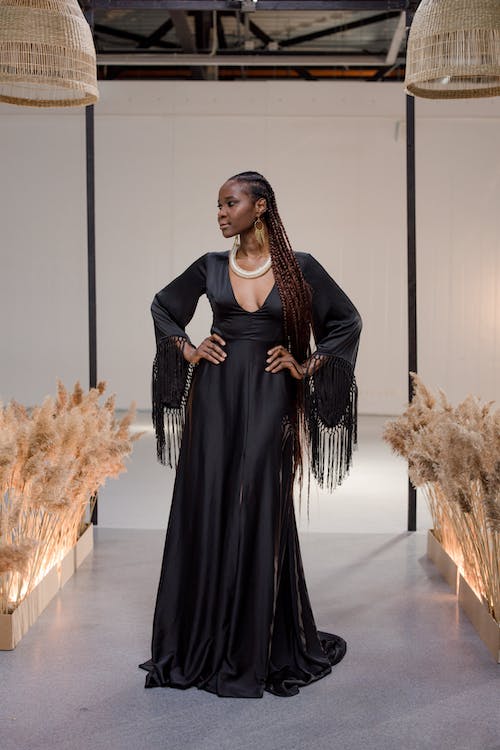
Afropunk distinguishes itself with Afrocentric aesthetics. Bold colors, unique patterns, and statement pieces reflect cultural identity and highlight the work of Black designers. These festivals serve as cultural and style hubs, influencing global fashion movements.
- Coachella: Bohemian vibes with flowy dresses and flower crowns.
- Glastonbury: Grunge and utilitarian styles, practical yet stylish.
- Afropunk: Afrocentric designs with bold colors and unique patterns.
- Cultural Influence: Festivals inspire global fashion trends.
- Retail Impact: Online stores offer curated festival fashion collections.
Music festivals have transcended their original purpose, becoming stages for emerging fashion icons and trends.
Social Media and Festival Fashion
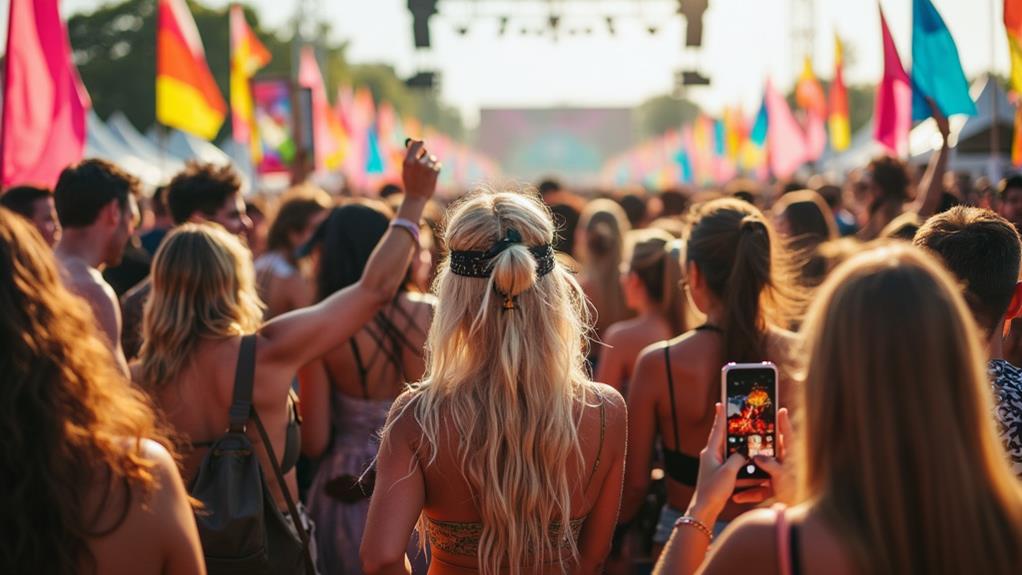
Social media's influence on festival fashion is undeniable, with influencers setting viral trends on platforms like Instagram. Events like Coachella spotlight bohemian and eclectic styles, prompting brands to capitalize on these looks. This has led to a rise in fast fashion production and a culture where unique outfit planning often overshadows the music itself.
Influencer Fashion Impact
The impact of influencers on festival fashion trends is unmistakable, with social media platforms acting as the primary medium for displaying and amplifying these styles. Influencers at major music festivals like Coachella meticulously plan their outfits, often weeks in advance, to ensure they are social media-ready. This careful preparation influences not only their followers but also shapes broader festival fashion trends.
Key factors driving this phenomenon include:
- Collaborations with fast fashion brands: Influencers partner with these brands to quickly produce festival-specific clothing lines.
- Rise of micro-influencers: These influencers, with smaller yet highly engaged followings, foster authentic connections and promote unique festival fashion choices.
- Social media amplification: Platforms such as Instagram and TikTok spotlight viral challenges and outfit inspirations.
- Increased visibility and demand: Influencers showcasing their outfits boost the popularity of specific styles and brands.
- Consumerism surge: The focus on visual aesthetics often eclipses the live music experience, leading to significant spending on festival fashion.
As you scroll through social media feeds, it's evident that influencer-driven trends are dominating festival fashion. The collaboration between influencers and fast fashion brands creates a market where festival-goers eagerly emulate their favorite looks, contributing to an estimated $307 million in annual spending on single-use festival outfits.
Viral Festival Trends
In recent years, social media platforms like Instagram and TikTok have become pivotal in amplifying festival fashion trends. At music festivals, viral trends such as flower crowns and bohemian styles are ubiquitous. Influencers meticulously curate their outfits and share them under festival-related hashtags, garnering millions of views and setting the tone for what's trending in festival fashion.
Instagram has especially turned into a fashion runway for festival-goers, where user-generated content featuring intricate outfits often goes viral. This heightened visibility leads to significant increases in searches and sales for specific items, with some experiencing a 350% spike following major festivals. Online retailers are quick to adapt, launching exclusive collections that align perfectly with the timing of these events.
Flower crowns and bohemian styles, popularized by iconic festivals like Coachella, have become emblematic of the festival experience. Scrolling through social media feeds, the aesthetic appeal of these trends is unmistakable, often prioritizing the perfect shot. Festivals have evolved beyond mere music events to become social media phenomena that significantly influence broader fashion trends.
Musician-Fashion Collaborations
When musicians collaborate with fashion brands, the results often transcend mere clothing lines and create cultural phenomena. These collaborations seamlessly blend music and fashion, often reshaping the fashion industry and influencing fans' fashion sense.
Consider these key points:
- Sales Increases: Collaborations like Travis Scott's Nike partnerships generate immense consumer demand, leading to significant sales and high resale value.
- High Fashion Integration: Rihanna's Fenty fashion house showcases how blending music and high fashion can create successful brands that resonate with diverse audiences.
- Artist-Driven Brands: Many artists, such as Kanye West with Yeezy and Pharrell Williams, have launched their own clothing lines, bringing their unique styles and influences to the fashion world.
- Tour Sponsorships: Luxury fashion houses often sponsor music tours, highlighting the interconnectedness of music and fashion, and enhancing their visibility through association with popular artists.
- Social Media Influence: The rise of social media allows fans to engage with both music and fashion in real-time, amplifying the impact of these collaborations and shaping broader fashion trends.
Your favorite artists are not just shaping music; they're also redefining how you perceive fashion. These collaborations between fashion brands and musicians create lively, trend-setting collections that resonate deeply with fans and the fashion industry alike.
Ethical Fashion and Social Impact
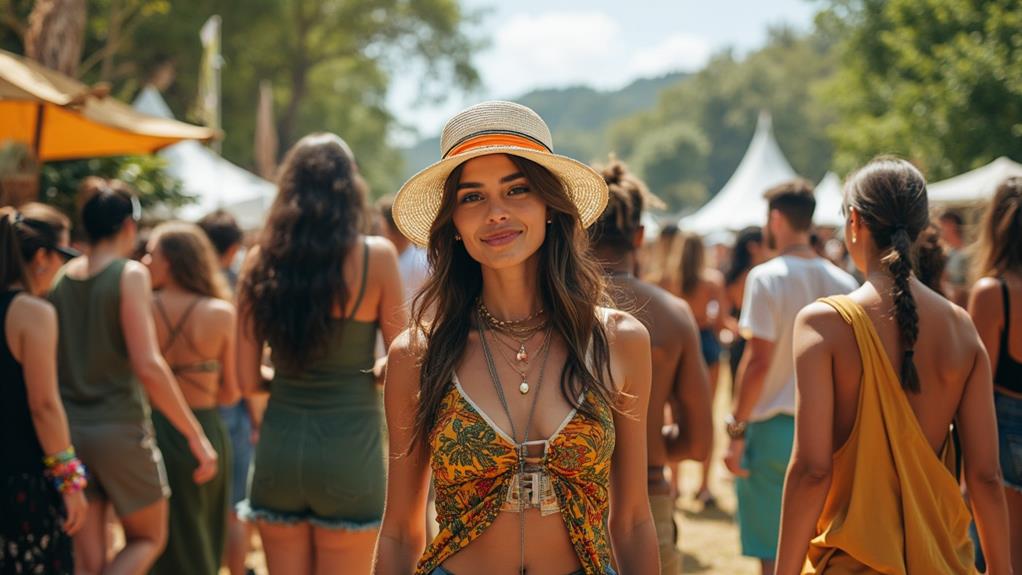
Musicians are increasingly leveraging their influence to promote sustainable fashion, collaborating with brands like Stella McCartney to raise awareness about environmental issues. With fast fashion producing millions of single-use outfits for festivals, the shift towards eco-friendly choices is more critical than ever. By opting for thrifted or DIY festival wear, you can contribute to reducing waste and supporting ethical fashion practices.
Sustainable Fashion Advocacy
As the music festival scene continues to thrive, a growing movement among musicians and attendees is championing sustainable fashion. Influential artists like Billie Eilish and Pharrell Williams are collaborating with eco-conscious brands to highlight the environmental impact of the fashion industry. Their advocacy goes beyond style, promoting ethical practices and encouraging fans to make more sustainable fashion choices.
At music festivals, there is an increasing trend towards vintage clothing and thrifted items, reflecting a shift away from fast fashion. This change is crucial, considering the fast fashion sector accounts for 8-10% of global carbon emissions. By opting for second-hand items, festival-goers can positively impact the environment.
Music festivals often feature panels and discussions on sustainability, emphasizing the importance of eco-friendly brands and ethical practices. These collaborative efforts between musicians and sustainable fashion designers aim to create collections that resonate with younger audiences' values.
Key Actions for Sustainable Fashion at Festivals:
- Adopt vintage clothing and thrifted items
- Support eco-conscious brands
- Consider the environmental impact of your fashion choices
- Participate in sustainability panels and discussions at festivals
- Follow artists who advocate for sustainable fashion
Eco-Friendly Style Choices
As advocacy for sustainable fashion gains momentum, eco-friendly style choices have become a hallmark of modern music festivals. With increasing awareness of the ecological impact of fast fashion, festival-goers are turning to sustainable clothing made from organic or recycled materials. Thrifting and DIY outfits are now more popular than ever, providing unique, budget-friendly, and environmentally friendly options.
High-profile events like Coachella and Glastonbury lead the way in showcasing eco-conscious fashion brands. Designers at these festivals employ sustainable practices, encouraging attendees to make more ethical choices. It's about looking good and feeling good, knowing you're contributing to a better planet.
Research shows that approximately 7.5 million single-use outfits are discarded annually after music festivals. This alarming statistic has prompted calls for more sustainable practices within festival culture. Collaborations between musicians and ethical fashion brands, such as those between Pharrell Williams and Stella McCartney, further emphasize the social impact of these events.
Overview of Eco-Friendly Style Choices at Music Festivals
| Category | Example | Benefit |
|---|---|---|
| Sustainable Clothing | Organic cotton or recycled polyester | Reduces environmental impact |
| Thrifting | Vintage and second-hand outfits | Unique and budget-friendly |
| Ethical Options | Fair-trade and locally made garments | Supports ethical practices |
| Fashion Brands | Collaborations with eco-conscious designers | Raises awareness |
These choices not only enhance personal style but also promote a culture of sustainability, ensuring music festivals can be enjoyed with a clear conscience.