The Influence of 1980s Fitness Culture on Fashion
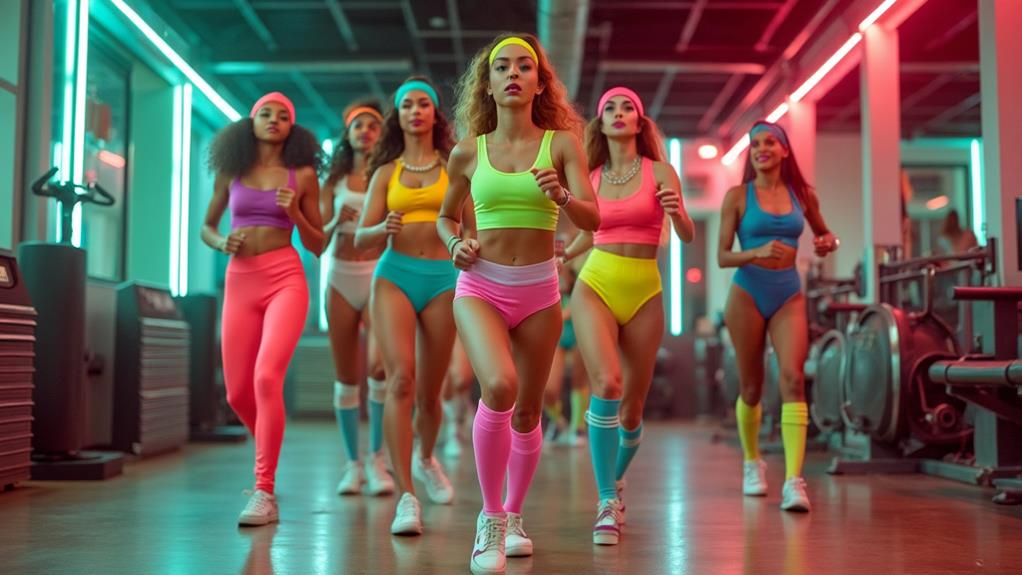
The 1980s fitness craze profoundly reshaped the fashion landscape, embedding gym culture into everyday attire. Icons like Jane Fonda popularized leotards and leg warmers, blurring the lines between workout gear and street fashion. Bold patterns and vibrant colors from this era set the stage for today's athleisure movement. This integration of fitness wear into casual wardrobes has had a lasting impact, influencing modern fashion trends.
The Rise of Gym Culture
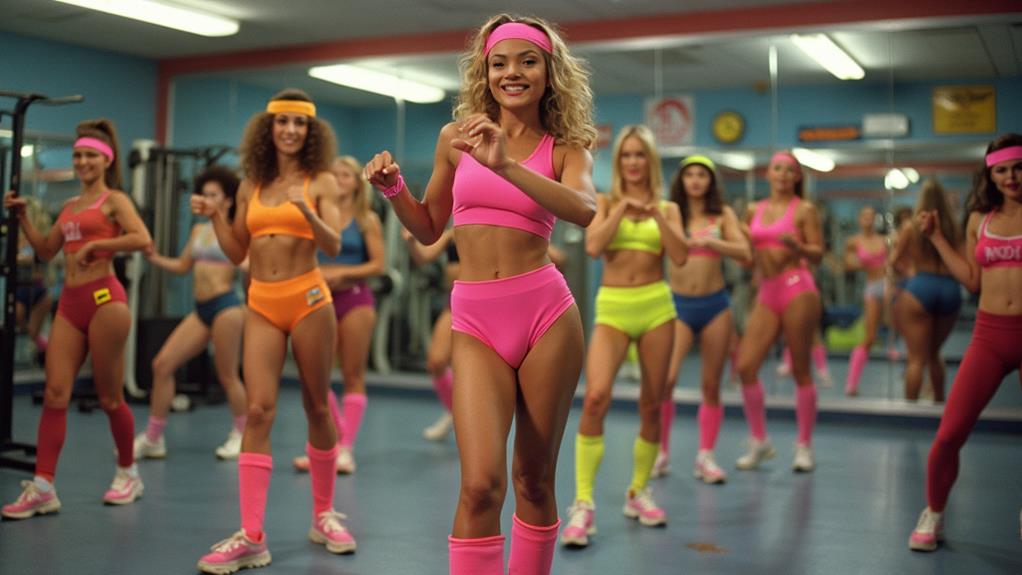
The 1980s gym culture boom wasn't just about fitness; it reshaped social norms and fashion trends. As fitness centers proliferated nationwide, they became social hubs attracting a diverse crowd, including a notable influx of women. This surge in gym attendance, particularly among baby boomers, brought fitness into the mainstream, transforming it from a mere routine into a lifestyle.
Jane Fonda's workout videos played a pivotal role in this transformation. Her influence inspired many to embrace exercise, making it both accessible and appealing. The era's vibrant gym fashion, characterized by neon leggings, headbands, and leotards, seamlessly blended style with functionality.
The increased visibility of women in gyms challenged traditional perceptions of female strength, paving the way for future fitness movements. Gym fashion evolved to reflect this new focus on empowerment and health. The trend of stylish workout attire signified a lasting shift where fitness and fashion merged, influencing mainstream fashion. The 1980s set the stage for a cultural shift that celebrated fitness and normalized looking good while working out.
The Leotard Phenomenon
In the 1980s, leotards transcended gym classes to become a cornerstone of women's fitness fashion. These garments, often paired with tights, symbolized an era defined by aerobics classes and dynamic fashion trends. What began as gym attire swiftly became a staple in street fashion.
Key Elements of the Leotard Phenomenon:
- Gilda Marx's Flexatards: These innovative designs, crafted from surplus girdle fabric, combined support with style, gaining immense popularity among women looking for functional yet flattering workout wear.
- Sales Boom: By 1984, U.S. leotard sales reached 21 million units, highlighting the trend's significant impact on both the fitness and fashion industries.
- Beyond the Gym: Leotards were frequently accessorized with leg warmers, headbands, and vibrant accessories, creating a playful yet chic look suitable for everyday wear.
- Lasting Influence: Contemporary activewear continues to draw inspiration from these classic styles, underscoring the enduring legacy of 1980s fitness fashion.
Leotards and tights blurred the lines between workout attire and street fashion, making a bold statement that physical fitness was not merely a routine but a lifestyle and a major fashion trend.
Spandex Revolution
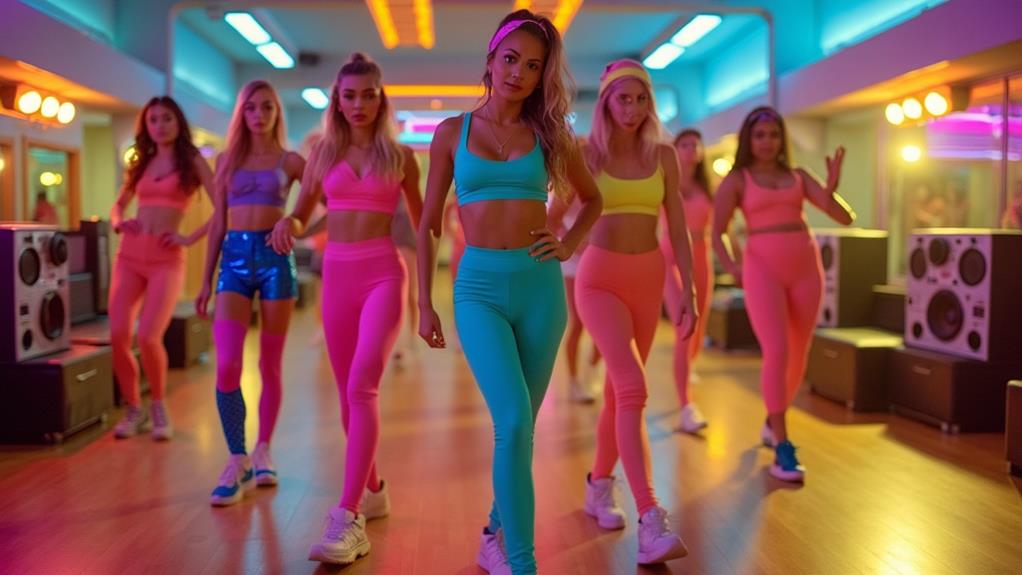
Leotards made a bold statement in fitness fashion, but it was spandex that ushered in an era of unparalleled freedom and comfort. Introduced in the 1980s, spandex, also known as elastane, revolutionized activewear by offering exceptional elasticity and movement. This transformation was led by Lycra®, a brand developed by DuPont, which quickly became synonymous with comfort and support.
Spandex's ability to create form-fitting clothing played a vital role in enhancing body confidence among women. The fabric's elasticity allowed it to move seamlessly with the body, making it an ideal choice for the fitness community. By 1984, the U.S. saw the sale of 21 million leotards, reflecting its widespread popularity.
| Emotion | Impact | Example |
|---|---|---|
| Freedom | Unrestricted movement | Stretch leggings |
| Confidence | Form-fitting clothing | Activewear tops |
| Comfort | Supportive fabric | Lycra® leotards |
| Style | Gym to street wear | Shapewear |
| Empowerment | Body positivity | Athleisure |
The spandex revolution extended beyond gyms, marking a cultural shift that blended functionality with style. Items like shapewear and jeggings became popular, laying the groundwork for today's athleisure trends.
Neon and Bold Colors
Neon and bold colors, often synonymous with 1980s fitness culture, became more than just a trend—they were a revolution. Exercise studios were awash with neon hues, thanks in large part to influential figures like Jane Fonda and Olivia Newton-John who popularized this vibrant attire in their iconic workout videos.
The fashion industry quickly caught on, flooding the market with brightly colored spandex and leotards. Neon pinks, greens, and yellows were ubiquitous, reflecting the period's energetic spirit. These colors transcended workout gear, making their way into casual wear and turning heads on the streets.
Why were neon and bold colors so impactful?
- Visual Motivation: Neon colors encouraged a lively and enthusiastic approach to workouts.
- Individual Expression: They allowed gym-goers to express their unique style.
- Fashion Meets Functionality: Shell suits in bold patterns and neon hues were both comfortable and stylish.
- Resurgence in Modern Fashion: Retro styles and colorful activewear continue to influence contemporary designs today.
Embrace the 1980s spirit by incorporating these vivid hues into your workout wardrobe. This trend has proven timeless, seamlessly marrying fashion with function in the most eye-catching way.
Legacy on Modern Fashion
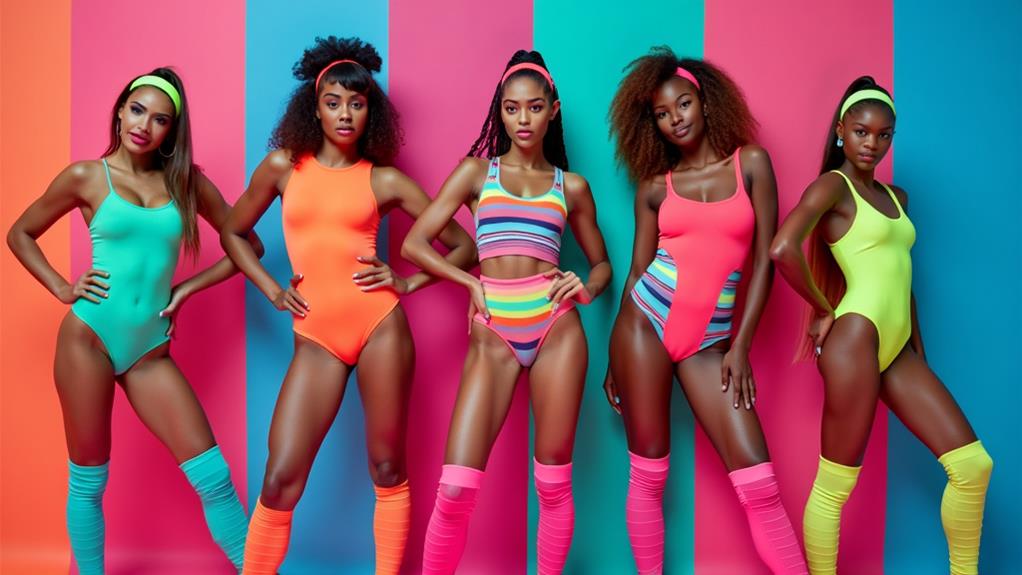
The enduring appeal of 1980s fitness culture has seamlessly integrated into contemporary fashion, bringing its vibrant legacy to the forefront. Energetic neon colors and bold patterns, once the hallmark of workout videos, are now ubiquitous in modern activewear collections, making a striking statement in gyms and beyond.
Lycra, a staple material of the 1980s, continues to be favored in today's athleisure wear, prized for its stretch and comfort. High-waisted leggings and sports bras, reminiscent of 1980s gym attire, effortlessly bridge the gap between fitness and everyday fashion.
Iconic pieces like leotards and leg warmers have also made a stylish return, often reimagined for both fitness routines and casual wear. This resurgence underscores the cyclical nature of fashion, illustrating that past trends can find new life in modern contexts.
Moreover, the 1980s laid the foundation for the ongoing body positivity movement. The era's focus on body confidence and empowerment resonates today, reflected in diverse representations of fitness and beauty. This cultural shift towards inclusivity ensures that modern fashion inspires and empowers everyone.