The 1990s Craze for Flannel Shirts and Grunge Style
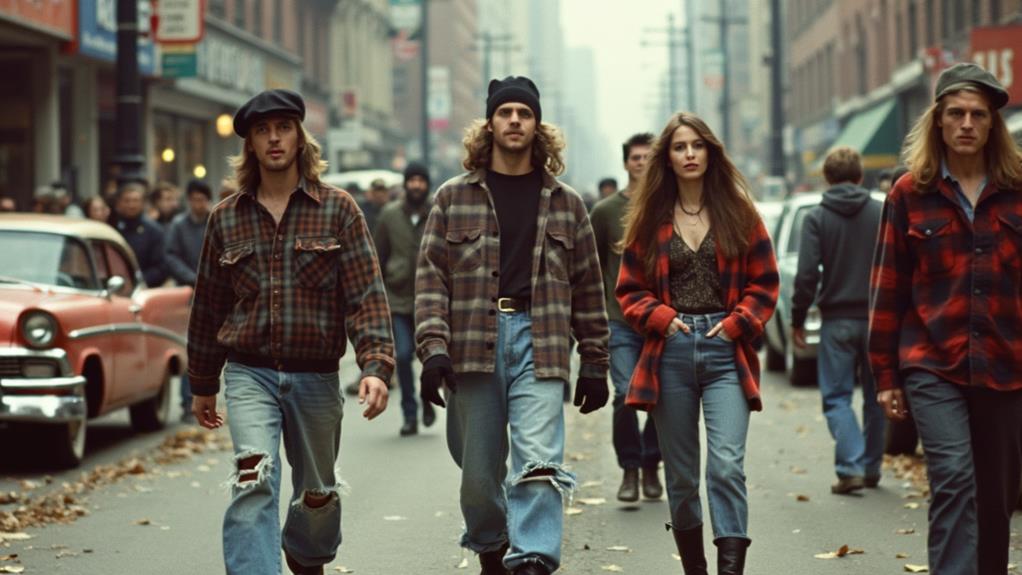
The 1990s witnessed a significant shift in fashion with the rise of flannel shirts and grunge style. Originating from Seattle's burgeoning music scene, this trend was more than just a fashion statement—it encapsulated a spirit of authenticity and rebellion. Icons like Kurt Cobain not only influenced fashion but also shaped a generation's views on conformity and self-expression. What drove this movement to resonate so deeply with youth culture, and how did it leave a lasting impact on fashion and societal norms?
Origins of Grunge Fashion
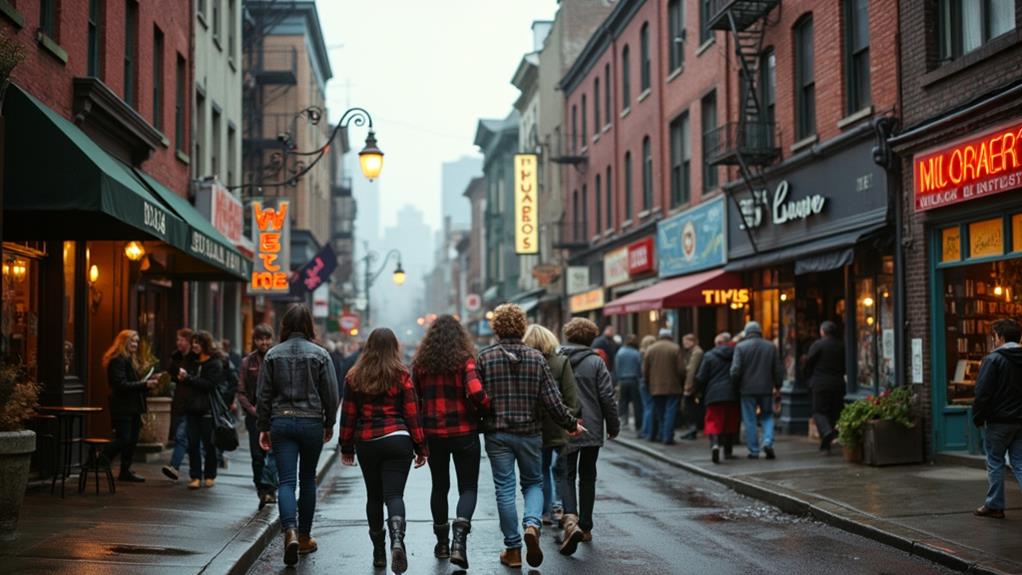
Grunge fashion, which originated in Seattle during the late 1980s, quickly transcended its local roots to become a global trend. Closely tied to the grunge music scene led by bands like Nirvana and Pearl Jam, this style rejected mainstream norms in favor of an alternative aesthetic influenced by punk rock and heavy metal.
Kurt Cobain, one of the most iconic figures in grunge fashion, frequently wore flannel shirts, oversized sweaters, and ripped jeans. His laid-back, unkempt look became emblematic of 1990s alternative fashion culture. This authenticity and rawness resonated with many, making grunge a widespread phenomenon.
The term "grunge" first appeared in the music industry in the early 1990s, though its origins trace back to the 1970s, where it meant something dirty or offensive. This gritty undertone aligned well with the socio-economic conditions of the 90s, as grunge fashion mirrored themes of social isolation and rebellion against cultural expectations.
Key Elements of Grunge Style
Key elements of grunge style often revolve around a sense of effortless rebellion and nonconformity. Oversized clothing is a major component, with flannel shirts being a staple for layering. Ripped jeans add to the rugged, lived-in look that defines grunge fashion.
Combat boots are the go-to footwear, providing both practicality and a tough edge to the outfit. Pair them with shabby T-shirts for an authentic grunge look. Unlike polished styles, grunge embraces distressed fabrics and muted colors like earth tones and dark hues to achieve an unassuming, rebellious vibe.
Accessories also play a significant role. Beanies and chokers enhance the individualistic aesthetic. Vintage pieces are particularly cherished, adding uniqueness and history to the ensemble. Minimal grooming and makeup emphasize a natural, almost disheveled appearance, completing the grunge style.
Influence of Music on Fashion
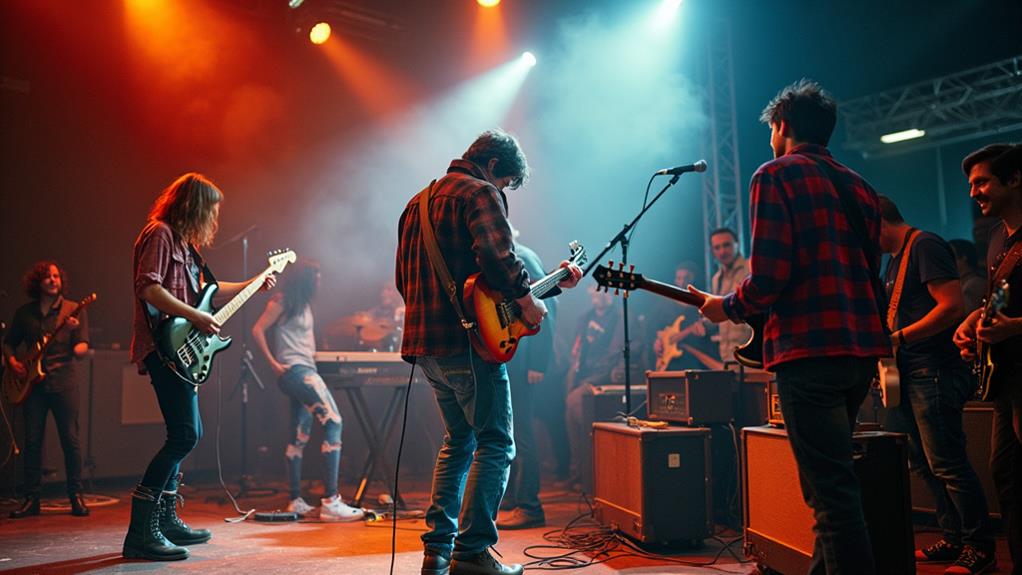
Grunge music icons like Kurt Cobain significantly influenced fashion trends with their distinctive styles. Bands such as Nirvana and Pearl Jam popularized flannel shirts, making them symbols of rebellion and authenticity. The rise of MTV and music videos in the 1990s amplified these styles, embedding them into mainstream culture.
Grunge Music Icons
When you think of grunge fashion, iconic images of grunge music legends such as Kurt Cobain and Courtney Love inevitably come to mind. Kurt Cobain, the frontman of Nirvana, became a defining figure in grunge fashion, popularizing oversized sweatshirts, ripped vintage jeans, and flannel shirts. His laid-back, anti-establishment style perfectly embodied the grunge ethos of comfort and authenticity. Cobain's preference for thrifted and vintage clothing resonated with fans who embraced the carefree, rebellious spirit of the music and lifestyle.
Courtney Love, the lead singer of Hole, added her unique twist to grunge fashion, particularly for women. She often paired babydoll dresses with oversized outerwear, creating a look that was both feminine and rebellious. Love's style encapsulated the blend of vulnerability and defiance that marked the grunge movement.
The rise of grunge music in the early 1990s, with bands like Pearl Jam and Soundgarden, further solidified this fashion trend. Music videos and live performances showcased these styles, reflecting themes of angst, isolation, and nonconformity. The influence of these musicians on fashion extended beyond their era, inspiring contemporary designers to merge high fashion with the raw elements of grunge.
Fashion-Forward Band Styles
While grunge music icons like Kurt Cobain and Courtney Love set the stage for grunge fashion, the broader influence of music on fashion extended well beyond their individual styles. The grunge movement, driven by bands like Nirvana and Pearl Jam, made flannel shirts a key fashion element. Cobain's signature oversized flannel shirts layered over band tees captured the laid-back, anti-establishment ethos, influencing fans and 90s fashion trends.
Flannel shirts quickly became synonymous with the grunge movement, celebrated for their comfort and practicality. They transitioned from concert venues to mainstream fashion, becoming a staple in casual wear. The impact was so profound that even high-end designers like Marc Jacobs adopted grunge elements, including flannel, in their collections, bridging street style and luxury fashion.
The music scene's influence on fashion didn't stop at flannel shirts. It gave rise to:
- Distressed jeans and combat boots: Crucial components of the grunge look.
- Band tees: A way for fans to showcase their musical allegiance.
- Layering: Reflecting the period's eclectic and nonchalant attitude.
- Unkempt hair: Completing the effortlessly cool aesthetic.
The grunge movement's fashion-forward band styles left an indelible mark on 90s fashion and beyond.
Music Industry Trends
Exploring the music industry trends that shape fashion reveals a dynamic interplay where sound influences style. In the 1990s, grunge music became a defining force that reshaped fashion trends. Rock bands like Nirvana and Pearl Jam weren't just known for their music; their laid-back, almost disheveled appearance, often featuring flannel shirts, became a fashion staple. Kurt Cobain's frequent pairing of oversized flannel shirts with distressed jeans and combat boots epitomized the grunge aesthetic, influencing fans and fashion designers alike.
The Seattle music scene's rise, bolstered by labels like Sub Pop, showcased grunge as both a musical genre and a cultural movement. This movement challenged and eventually transformed pop culture norms, making flannel shirts and other grunge-inspired clothing mainstream. Designers such as Marc Jacobs even incorporated these elements into high fashion collections, blending street style with luxury.
MTV and other media outlets amplified the influence of grunge music on fashion, leading to widespread adoption among youth. This trend was not merely a fleeting phase but a significant cultural shift that left a lasting impact on fashion.
| Grunge Element | Iconic Figures | Influence on Fashion |
|---|---|---|
| Flannel Shirts | Kurt Cobain | Mainstream Adoption |
| Distressed Jeans | Pearl Jam | Street to Luxury |
| Combat Boots | Nirvana | Casual Aesthetic |
| Oversized Styles | Seattle Bands | High Fashion Blend |
Iconic Grunge Figures
Why did the grunge movement capture the essence of rebellion and individuality so perfectly? It's because of iconic figures who embodied and popularized the style. Kurt Cobain, the lead singer of Nirvana, became the quintessential grunge icon. He was often seen in oversized flannel shirts, ripped jeans, and Converse sneakers, showcasing the anti-fashion ethos that defined the movement. This laid-back yet rebellious look resonated with a generation craving authenticity.
Courtney Love, frontwoman of Hole, brought a unique twist to grunge fashion for women. She mixed babydoll dresses with grunge staples like flannel, creating a blend of femininity and rebellion that was both edgy and influential. Her style spoke to those who wanted to break free from conventional norms.
Other key figures who shaped the grunge aesthetic include:
- Andrew Wood: Flamboyant frontman of Mother Love Bone, known for vintage pieces.
- Chris Cornell: Lead singer of Soundgarden, favored distressed clothing.
- Layne Staley: Frontman of Alice in Chains, known for his dark, brooding style and combat boots.
These figures didn't just wear grunge; they lived it, each adding their unique flair to the movement.
Grunge's Cultural Impact
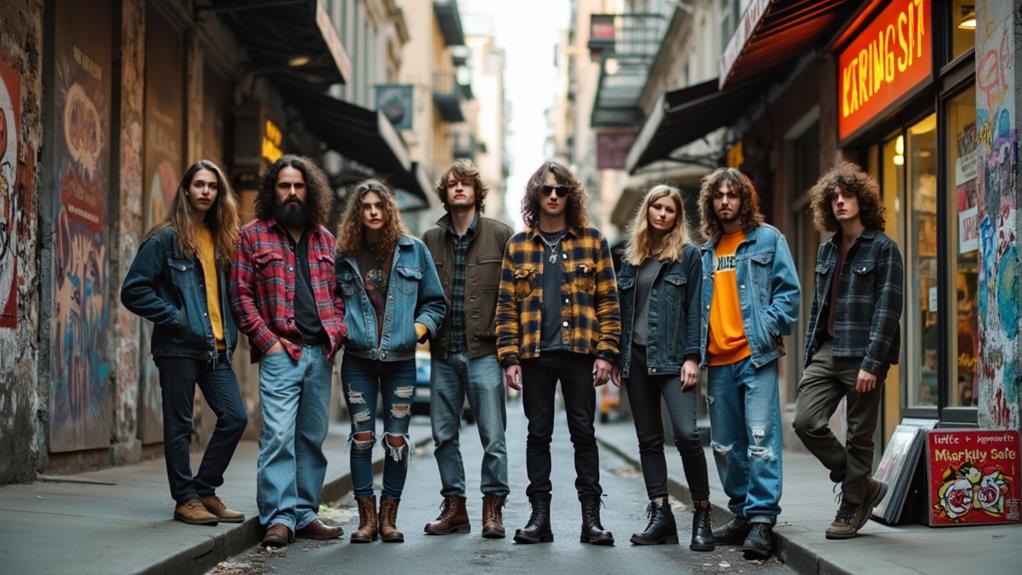
Grunge fashion was a hallmark of 1990s youth culture, symbolizing rebellion against consumerism and mainstream trends. This influence remains evident today, shaping modern fashion and driving a renewed interest in vintage and thrifted styles.
Defining Generation's Youth Culture
In the 1990s, grunge fashion emerged as a defining element of Generation X's youth culture, symbolizing a collective desire for authenticity and individuality amidst pervasive mainstream trends. This look wasn't merely about clothing; it was a lifestyle that resonated deeply with the angst and disillusionment of young people. Flannel shirts, ripped jeans, and combat boots became staples, heavily influenced by the alternative rock scene led by bands like Nirvana and Pearl Jam.
Grunge fashion represented more than just a sartorial choice; it was a rebellion against polished appearances and consumerist ideals. Its cultural impact was evident in various domains:
- Music: Alternative rock bands thrived, their raw sound mirroring the grunge ethos.
- Fashion: Casual, comfortable clothing became the norm, challenging conventional norms.
- Community: Shared values of rebellion and authenticity fostered a sense of unity.
- Influence: The grunge movement extended its reach into art, literature, and societal attitudes.
This multi-faceted influence underscores the enduring legacy of grunge within Generation X's cultural landscape.
Rebellion Against Consumerism
Celebrating a rebellion against consumerism, grunge fashion in the early 1990s marked a significant departure from mainstream, polished aesthetics, favoring thrifted, inexpensive items that reflected a raw, unpretentious style. By embracing second-hand jeans, dark clothes, and ripped fabrics, the movement rejected the artificial glamour of high fashion, promoting authenticity and individuality.
Spearheaded by iconic figures like Kurt Cobain, grunge fashion epitomized an anti-fashion attitude with worn-out, thrifted clothing, conveying a carefree ethos. As grunge became more prominent, it resonated with the disillusionment and social isolation felt by many in Generation X, giving voice to broader societal sentiments of the period.
Grunge's rebellion against consumerism wasn't limited to clothing; it was a statement against the excess and superficiality of the age. The style's emphasis on self-expression and rejection of traditional fashion norms contributed to its lasting cultural impact. Modern interpretations of grunge continue to prioritize sustainable and vintage fashion choices, echoing the movement's original values and proving that its resistance to consumerism remains relevant today.
Influence on Modern Fashion
Grunge fashion continues to leave its mark on modern style, blending comfort with individuality and maintaining the popularity of oversized fits and vintage-inspired pieces. This trend isn't just about nostalgia; it's about embracing an effortlessly cool and authentic look that resonates with today's fashion enthusiasts. Key elements like distressed denim, flannel shirts, and combat boots have become staples in contemporary wardrobes, reflecting the original 90s grunge aesthetic.
- High-end designers such as Yves Saint Laurent have incorporated grunge elements in their collections at major events like New York Fashion Week, showcasing its lasting influence on luxury fashion.
- Social media platforms and influencer culture have amplified this trend, enabling contemporary interpretations that remain true to the grunge ethos.
- Brands like Affliction Clothing seamlessly blend edgy, grunge-inspired styles with current trends, illustrating the subculture's ongoing relevance.
- The demand for grunge staples like oversized fits, distressed denim, and combat boots continues to grow, underscoring its impact on everyday fashion.
Grunge's cultural legacy transcends fleeting trends, reflecting the power of individuality and the enduring appeal of a style that defies mainstream norms.
Modern Grunge Revival
Amid the fashion world's constant evolution, the modern grunge revival has carved out a distinct niche, blending 1990s aesthetics with contemporary flair. This resurgence, gaining momentum in the 2010s, emphasizes oversized silhouettes and comfort. Vintage-inspired items like graphic tees and distressed jeans have made a notable comeback, underscoring the timeless appeal of grunge fashion.
Social media has significantly amplified this revival. Influencers and style bloggers frequently showcase their takes on modern grunge, mixing classic elements with current trends. The anti-consumerism ethos of the original movement persists, with many opting for second-hand or sustainably made pieces to create their looks.
Brands like Affliction Clothing have also embraced this trend, offering edgy styles that incorporate Americana and tattoo art influences. These designs provide a fresh spin on classic grunge, ensuring the style remains relevant today. Whether you're drawn to its nostalgic appeal or modern interpretations, the grunge revival offers a versatile and expressive way to engage with fashion. So go ahead, dig out those flannel shirts and distressed jeans, and make the look your own.
Designer Contributions
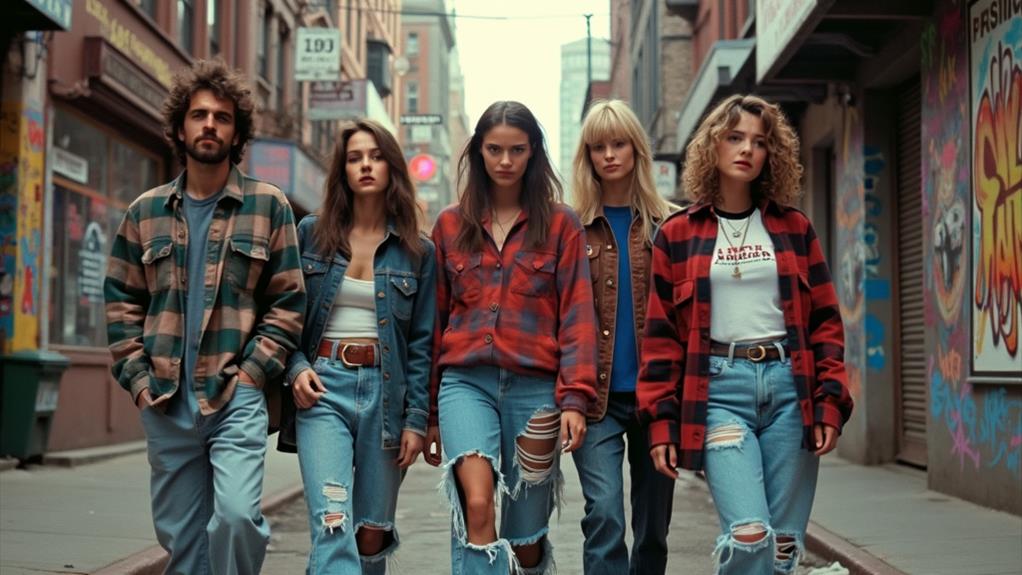
Designer contributions have been pivotal in transforming grunge fashion from a street style to a high-fashion phenomenon. Marc Jacobs, for instance, revolutionized the fashion landscape with his 1993 collection that prominently featured grunge staples such as flannel shirts and granny dresses. Although initially controversial, Jacobs' collection is now celebrated as groundbreaking.
In 1992, Calvin Klein's advertising campaign showcased models in relaxed flannel shirts, significantly contributing to the mainstream adoption of the grunge aesthetic. This campaign played a key role in extending grunge beyond its subcultural origins.
Designers like Dries Van Noten and Ann Demeulemeester further incorporated grunge elements into high fashion, demonstrating its versatility and enduring appeal:
- Marc Jacobs' 1993 collection: Introduced iconic grunge pieces to high fashion.
- Calvin Klein's 1992 campaign: Helped popularize the laid-back grunge look.
- Dries Van Noten: Integrated layered flannels into his collections.
- Ann Demeulemeester: Embraced distressed and oversized flannel designs.
These designers didn't merely bring grunge to the runway; they redefined it by blending comfort with high-fashion elements. Their contributions have ensured that grunge fashion remains a significant and lasting influence in the design world.
Lasting Legacy of Grunge
Fashion designers played a pivotal role in bringing grunge from the streets of Seattle to international runways, but its impact extends far beyond fashion shows. Grunge bands like Nirvana and Pearl Jam didn't just influence music; they also reshaped fashion norms. Their casual, anti-fashion ethos—marked by denim and leather jackets, and baggy sweaters—challenged traditional beauty standards and consumerism.
Designer Marc Jacobs was instrumental in merging grunge with luxury fashion, showcasing flannel shirts and oversized silhouettes in his 1993 collection. Though initially criticized, his work paved the way for a 90s revival in the 2010s, evident in fashion weeks and high-street brands.
Modern interpretations of grunge retain core elements like layering, distressed fabrics, and vintage aesthetics, while also incorporating contemporary trends and sustainable practices. This enduring style resonates with themes of individuality and authenticity, offering an alternative to fast fashion and mainstream trends.
Grunge's legacy isn't confined to clothing; it permeates youth culture and music, echoing the raw, rebellious spirit of heavy metal. Its influence is evident in current fashion choices, emphasizing timeless rebellion and authenticity.