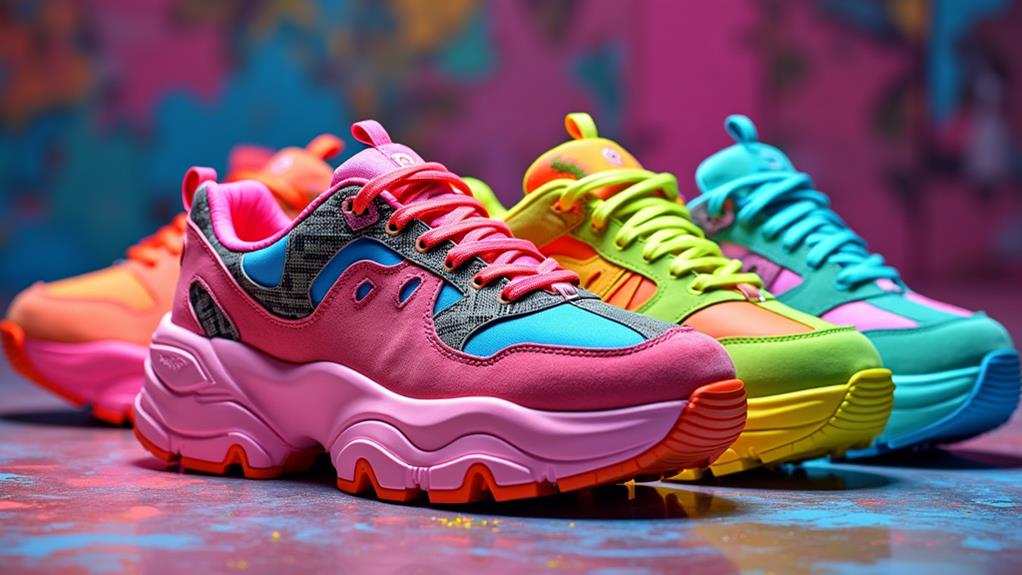
The Rise of the "Ugly" Sneaker Trend in the 2010s
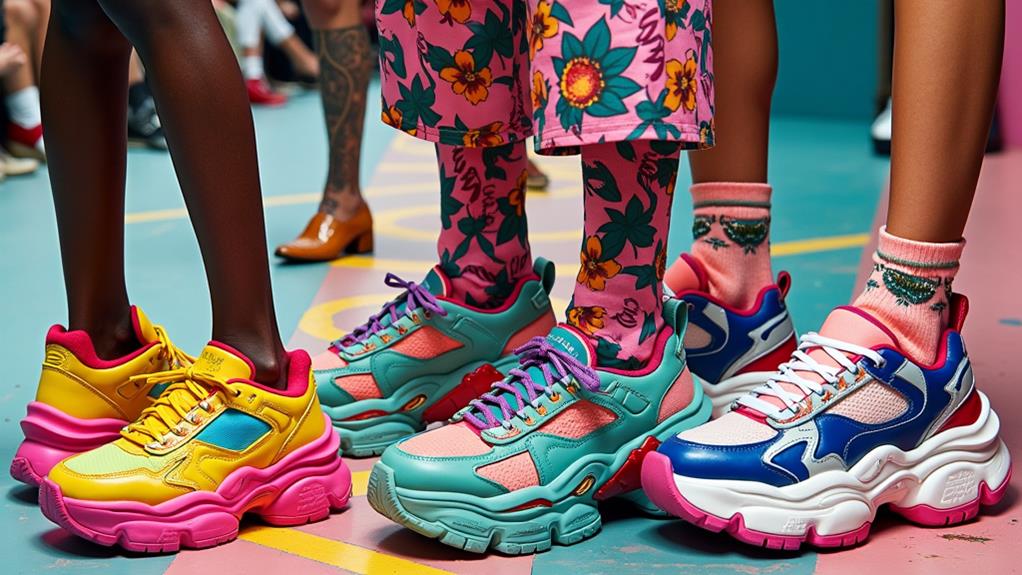
During the 2010s, there was a notable shift in sneaker styles towards what became known as "ugly" sneakers. These chunky, unconventional designs, epitomized by Balenciaga's Triple S, emphasized comfort over traditional aesthetics, quickly capturing consumer attention. But why did these seemingly unattractive shoes gain such popularity? While influencers and celebrities like Kanye West significantly influenced this trend, deeper psychological factors and cultural shifts also played essential roles. What were the underlying forces driving this unexpected fashion phenomenon?
Historical Context of Ugly Sneakers
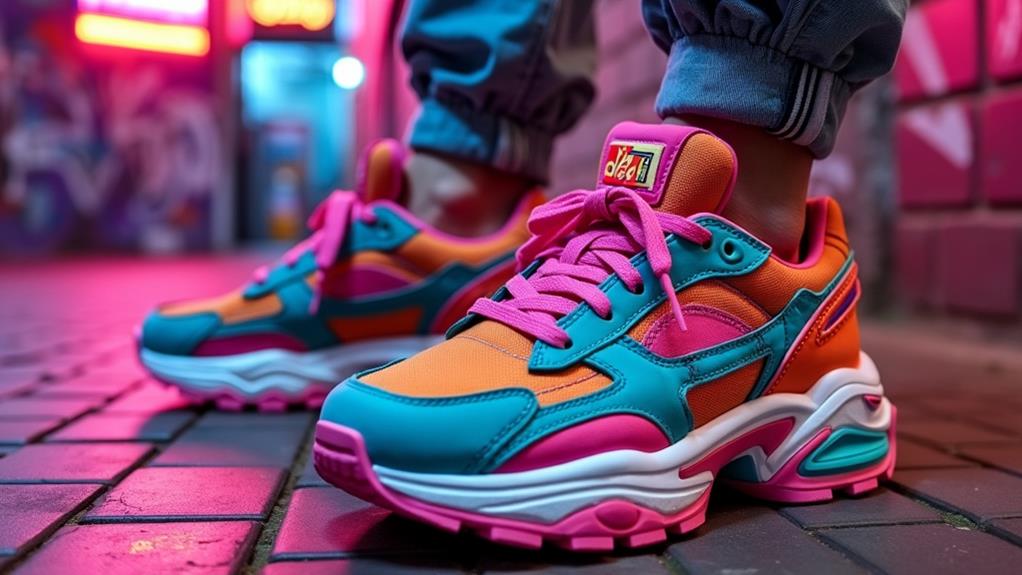
The chunky dad sneaker trend of the 2010s finds its roots in the nostalgic styles of the 1990s, particularly those embraced by skater culture, like Etnies and Nike Airwalk. These brands, with their bulky designs prioritizing comfort and durability over sleek aesthetics, set the stage for what would later be dubbed ugly sneakers.
In 2017, Balenciaga's Triple S sneaker launch marked a pivotal moment. The design, featuring an exaggerated sole and clunky appearance, brought chunky dad sneakers into the fashion mainstream. Kanye West's Yeezy collaboration with Adidas, which began in 2015, also significantly influenced this trend. His avant-garde designs not only garnered attention but also led to a 24% increase in Adidas's revenue in 2016, demonstrating the commercial success of ugly sneakers.
Iconic Ugly Shoe Designs
Iconic ugly shoe designs have left a significant mark on fashion, merging unconventional aesthetics with mainstream appeal. The Balenciaga Triple S, launched in 2017, led the chunky sneaker movement with its oversized silhouette and multi-layered construction, redefining sneaker design. Adidas entered the "ugly" sneaker phenomenon with the Yeezy Desert Rat 500, designed by Kanye West and released in Spring 2018. Its unconventional shape and muted colors pushed sneaker style boundaries.
Nike's Air Monarch IV, initially created for comfort, became a cult favorite in the "dad sneaker" category. Its clunky, affordable design made it a staple for those embracing the ugly sneaker trend. Similarly, the Fila Disruptor II experienced a resurgence in the late 2010s, known for its bulky design and aggressive tread pattern, becoming a staple in both streetwear and high fashion.
Gucci's Flashtrek sneakers, introduced in 2018, furthered the trend by combining hiking boot elements with luxurious materials. They epitomized the blend of high fashion and "ugly" sneaker aesthetics, demonstrating that even prestigious brands couldn't resist the allure of chunky sneakers.
Psychological Appeal of Ugly Shoes
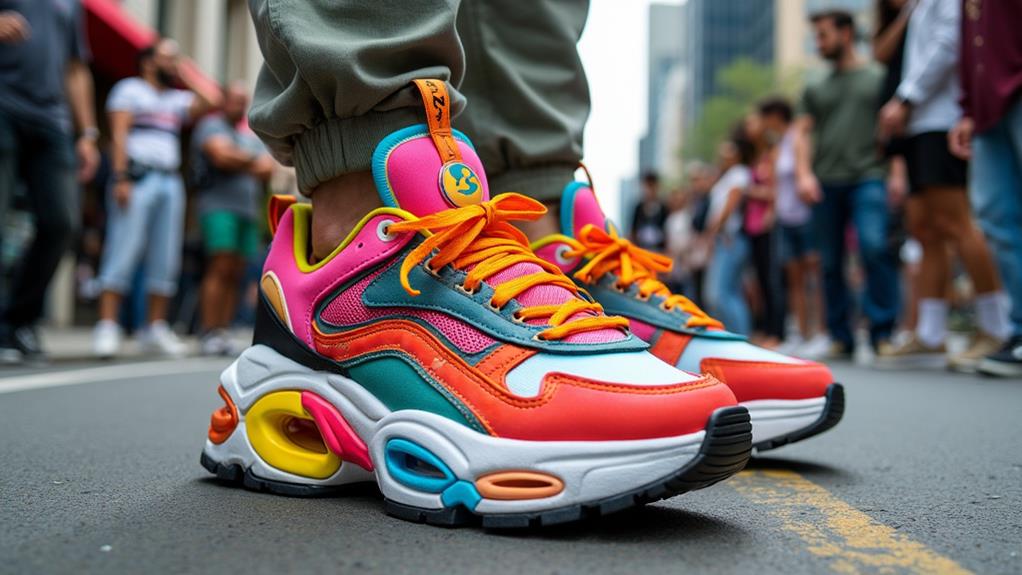
The psychological appeal of ugly shoes lies in their ability to express your uniqueness and challenge traditional beauty norms in fashion. By opting for these unconventional styles, you make a bold statement about your individuality and personal taste. This trend questions the notion that fashion must adhere to a standard of aesthetic perfection, allowing you to prioritize comfort and well-being instead.
Wearing ugly shoes signifies embracing a cultural shift that values chunky soles and durable materials, emphasizing comfort over mere appearance. This rebellion against societal fashion expectations resonates with a diverse range of consumers who seek to showcase their authenticity and individuality.
Additionally, ugly shoes symbolize a readiness to defy societal norms and take risks in fashion choices. They foster a sense of community among like-minded fashion enthusiasts, becoming conversation starters and points of connection. High-end brands have even turned ugly shoes into status symbols, further enhancing their psychological appeal. By wearing them, you make a statement about your values and the importance of comfort and authenticity in fashion.
Influence of Social Media
With the rise of social media platforms like Instagram and TikTok, the ugly sneaker trend found fertile ground to flourish. These platforms played a crucial role in popularizing the trend by showcasing influencers and everyday users adopting unconventional styles. The hashtag #uglysneakers gained traction, allowing people to share their unique footwear choices and fostering a community around the ugly-chic movement.
Influencers, including high-profile figures, adopted and promoted ugly sneakers, driving consumer interest and creating a buzz around brands that embraced this aesthetic. Viral fashion challenges and trends on TikTok further propelled the visibility of ugly sneakers, encouraging users to experiment with bold and unconventional styles. As you scroll through your feed, countless posts feature people confidently turning these once-derided shoes into a fashion statement.
Retailers quickly responded to the surge in ugly sneaker popularity by expanding their product offerings on social media, meeting the demand for these distinctive and comfort-driven designs. You could easily find and purchase your own pair with just a few clicks, thanks to the seamless integration of social media and e-commerce. This democratization of fashion allowed the ugly sneaker trend to thrive and evolve.
Celebrity Endorsements
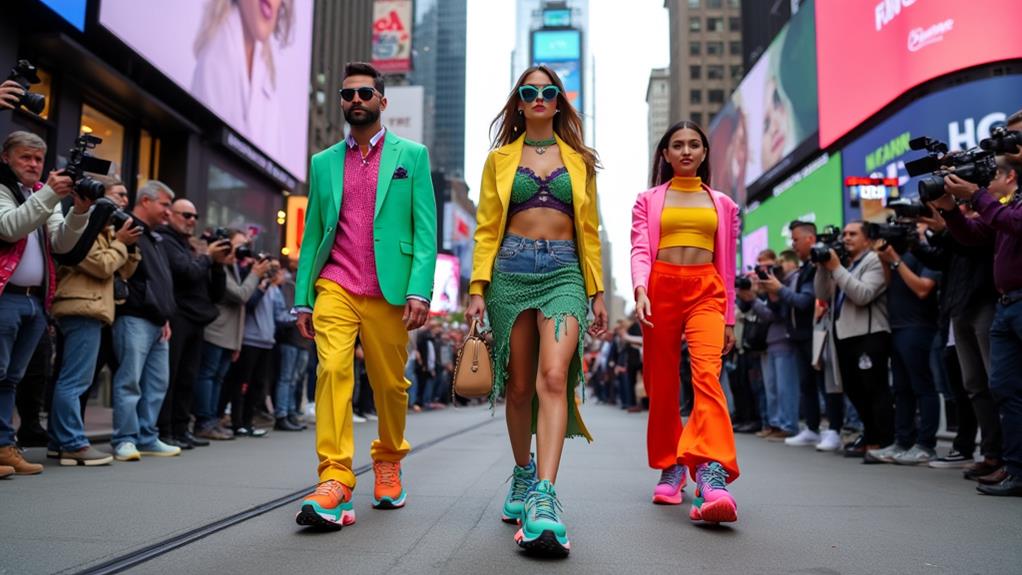
Celebrity endorsements have significantly influenced the rise of the "ugly" sneaker trend. When Kanye West collaborated with Adidas in 2015, it marked a pivotal moment in fashion. The launch of the Adidas Yeezy Desert Rat 500 in Spring 2018 made these unconventional designs not only acceptable but highly sought after.
The impact of celebrity endorsements was evident everywhere. Icons like Kim Kardashian and Lady Gaga embraced these distinctive styles, shifting public perception. What was once considered unattractive quickly became a must-have trend, thanks to these high-profile endorsements. They played a crucial role in shaping consumer interest and boosting sales.
The financial impact was substantial. The Yeezy line alone contributed to a 24% revenue increase for Adidas in 2016, underscoring the power of celebrity branding. Ugly sneakers evolved into status symbols, mirroring broader shifts in fashion norms.
Additionally, collaborations between celebrities and sneaker brands often led to limited edition releases, creating a sense of hype and exclusivity that drove demand even higher. In essence, celebrity endorsements didn't just promote ugly sneakers; they transformed them into cultural phenomena.
Sustainability in Ugly Shoe Fashion
Celebrity endorsements may have initially brought ugly sneakers into the spotlight, but their alignment with sustainability is what makes this trend compelling. Ugly shoes often prioritize comfort and durability, reducing the need for frequent replacements and aligning perfectly with sustainable fashion principles.
Many designs in this trend are crafted from recycled materials and produced using eco-friendly methods, contributing to waste reduction. Supporting brands that prioritize sustainability allows consumers to make environmentally conscious choices.
Additionally, the second-hand market for ugly shoes is booming. Reselling and repurposing footwear minimizes fashion waste and promotes a circular economy. Opting for second-hand shoes not only saves money but also supports environmental sustainability.
Key points to consider:
- Long-lasting wear: Built for durability, reducing the need for frequent replacements.
- Recycled materials: Utilizes eco-friendly resources.
- Second-hand market: Promotes sustainability by buying used shoes.
- Consumer awareness: Increasing demand for sustainable options drives brand innovation.
As awareness of sustainability grows, the ugly sneaker trend will likely continue to evolve with a focus on eco-friendly practices.
Versatility in Styling
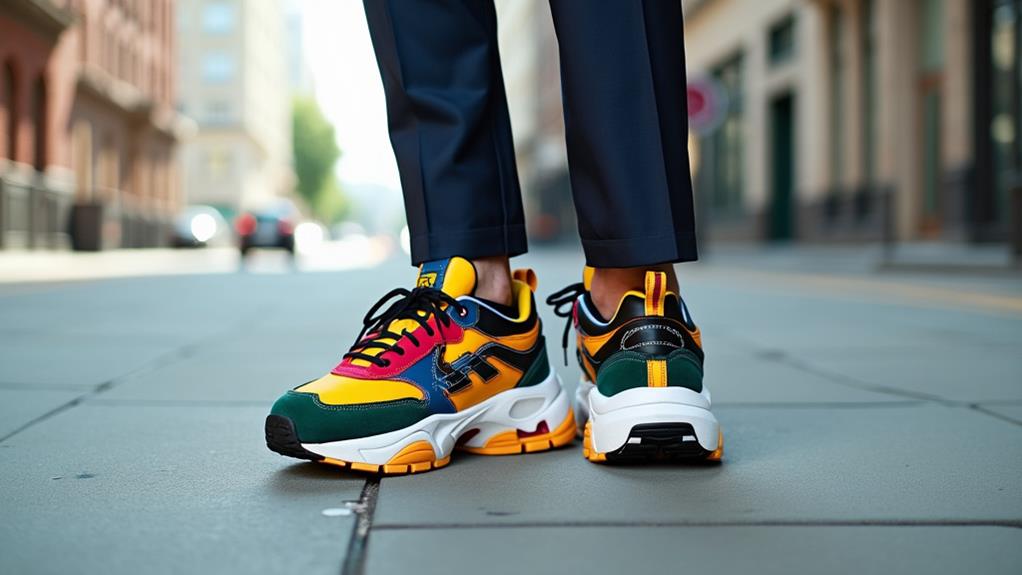
Embracing the chunky aesthetic of "ugly" sneakers, fashion enthusiasts have discovered their remarkable versatility, seamlessly integrating them into a variety of outfits ranging from athleisure to high-fashion ensembles. These sneakers serve as statement pieces, effortlessly complementing both casual and polished looks. Whether you're wearing oversized blazers or flowing dresses, ugly sneakers can elevate your outfit, adding a distinctive edge.
Fashion designers and influencers frequently showcase the adaptability of these shoes on social media platforms like Instagram and TikTok. Their ability to harmonize with different color palettes and textures makes them a staple for creative expression. Retail brands have capitalized on this trend, offering a wide array of styling options that facilitate easy mixing and matching.
Consider these versatile styling combinations:
| Outfit Type | Styling Tip |
|---|---|
| Athleisure | Pair with joggers and a cropped hoodie |
| Casual Chic | Combine with skinny jeans and a tee |
| High-Fashion | Match with an oversized blazer and dress |
Retail brands' innovative designs cater to diverse fashion contexts, ensuring you can find the perfect pair for any occasion. The chunky design of ugly sneakers is not just a fleeting trend; it's a versatile staple poised to remain in your wardrobe.
Cultural Influences
Hip-hop culture and its icons played a pivotal role in shaping the ugly sneaker trend by merging streetwear with high fashion. Nostalgia for 1990s styles, such as chunky dad sneakers, also resonated deeply, reflecting a love for irony and self-expression. Additionally, the fusion of global styles emphasized a cultural shift towards embracing unique and unconventional fashion.
Hip-Hop Culture Impact
The impact of hip-hop culture on sneaker trends in the 2010s is undeniable. It was instrumental in popularizing sneaker designs that blend streetwear aesthetics with high fashion, making sneakers cultural icons of style and identity. Influential artists like Kanye West and Pharrell Williams significantly shaped these trends. Kanye's Yeezy line, for example, showcased the power of celebrity influence in driving demand for unique designs.
High-profile collaborations between hip-hop artists and sneaker brands exemplify this fusion:
- Adidas x Pharrell: Combining vibrant designs with individuality.
- Reebok x Kendrick Lamar: Addressing social issues through sneaker design.
- Nike x Travis Scott: Merging avant-garde styles with mainstream appeal.
- Puma x Big Sean: Elevating streetwear aesthetics.
This integration led to numerous partnerships between luxury brands and streetwear labels, solidifying sneakers as staples in modern fashion. Sneakers became synonymous with both comfort and casualness, aligning with hip-hop's emphasis on authenticity and self-expression. This shift encouraged acceptance of unconventional sneaker styles, expanding the market to an estimated $79 billion in 2021. This growth highlights hip-hop's enduring influence on fashion trends and consumer behavior.
Nostalgia and Retro Revival
Nostalgia often drives fashion trends, and the 2010s saw a significant revival of chunky dad sneakers, a nod to 1990s styles. Brands like Balenciaga and Fila capitalized on this retro sentiment. Balenciaga's introduction of the Triple S sneaker in 2018 marked a pivotal moment, triggering a wave of imitations characterized by oversized silhouettes and bold colorways. These designs weren't solely about aesthetics; they evoked memories and emotions tied to a bygone era.
Celebrity endorsements played a crucial role in mainstreaming these nostalgic designs. Kanye West's Yeezy line, for instance, embraced unconventional, almost "ugly" designs that resonated with both fans and fashion enthusiasts. Social media platforms like Instagram and TikTok further amplified the appeal, with influencers showcasing these styles and embedding them into modern fashion culture.
The blending of athletic and casual styles in the ugly sneaker trend mirrored a broader cultural shift towards comfort and practicality. Consumers were drawn to footwear that offered both nostalgia and functionality, making chunky dad sneakers a staple in the 2010s fashion landscape.
Global Style Fusion
Building on the wave of nostalgia and the retro revival of chunky dad sneakers, the 2010s saw a significant blend of global styles that reshaped the fashion landscape. Streetwear culture, driven by hip-hop and skateboarding, played a crucial role in mainstreaming the chunky sneaker trend. Collaborations between high fashion brands and streetwear labels, such as Adidas x Yeezy and Balenciaga, blurred the lines between luxury and casual footwear, making the chunky aesthetic more appealing.
Social media platforms like Instagram and TikTok democratized fashion, enabling diverse cultural influences to flourish. This global style fusion allowed varied styles to emerge, making unconventional footwear more acceptable and desirable. Designers reintroduced 1990s silhouettes with contemporary twists, capitalizing on consumer nostalgia.
Key factors contributing to the global style fusion include:
- Streetwear culture: Hip-hop and skateboarding influences made chunky sneakers mainstream.
- High fashion collaborations: Partnerships like Adidas x Yeezy and Balenciaga enhanced the chunky sneaker trend.
- Social media impact: Platforms like Instagram and TikTok amplified diverse styles.
- Cultural influences: Global elements in design and marketing broadened sneaker appeal.
This blend of global styles ensured that chunky sneakers weren't just a passing trend but became a fashion staple.
Future Trends in Ugly Sneakers
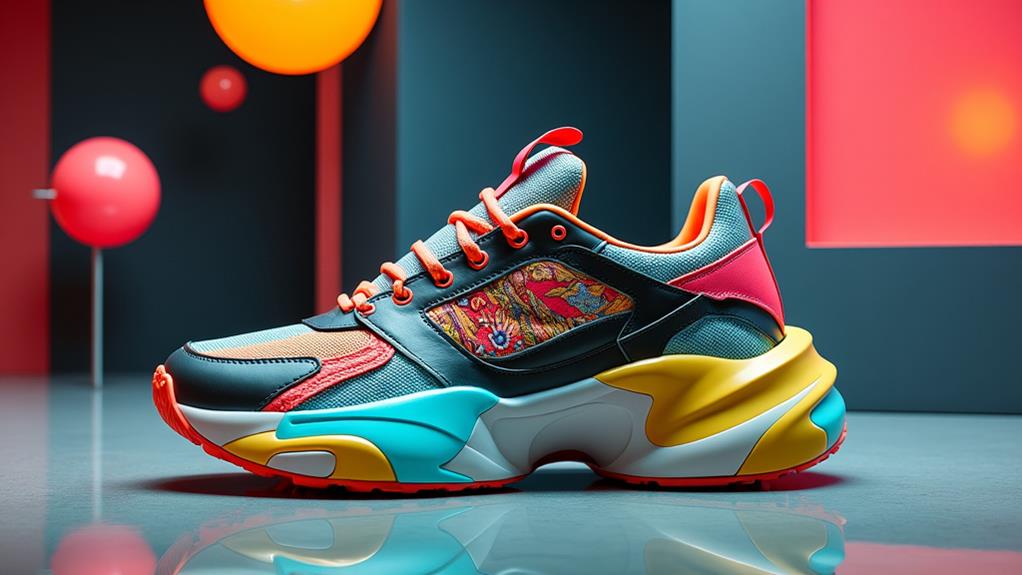
The future of ugly sneakers is set to be even more dynamic and groundbreaking as high-end brands fully embrace unconventional designs and clunky aesthetics. As the demand for comfort and unique fashion statements grows, future trends in ugly sneakers will blend bold aesthetics with advanced technology and ethical production methods.
Expect to see sneakers crafted from sustainable materials, addressing the increasing demand for eco-friendly fashion. Innovations like 3D printing and smart features will enable more personalized and functional footwear, offering the perfect balance of style and practicality. Brands will continue to experiment with daring shapes and vibrant colors, pushing the boundaries of traditional sneaker design to cater to diverse tastes.
| Trend | Description |
|---|---|
| Sustainable Materials | Use of eco-friendly materials to reduce environmental impact. |
| Technological Integration | Incorporation of 3D printing and smart features for customization and utility. |
| Bold Aesthetics | Continued use of unconventional shapes and lively designs. |
| Expanded Resale Market | Growth in second-hand markets for unique, limited-edition sneakers. |
The popularity of ugly sneakers will also spur a thriving resale market, fostering a culture of sustainability and second-hand shopping. Prepare for a future where your sneakers are not just a fashion statement but also a reflection of technological advancement and ethical choices.