The Rise of Minimalist Fashion in the 2010s
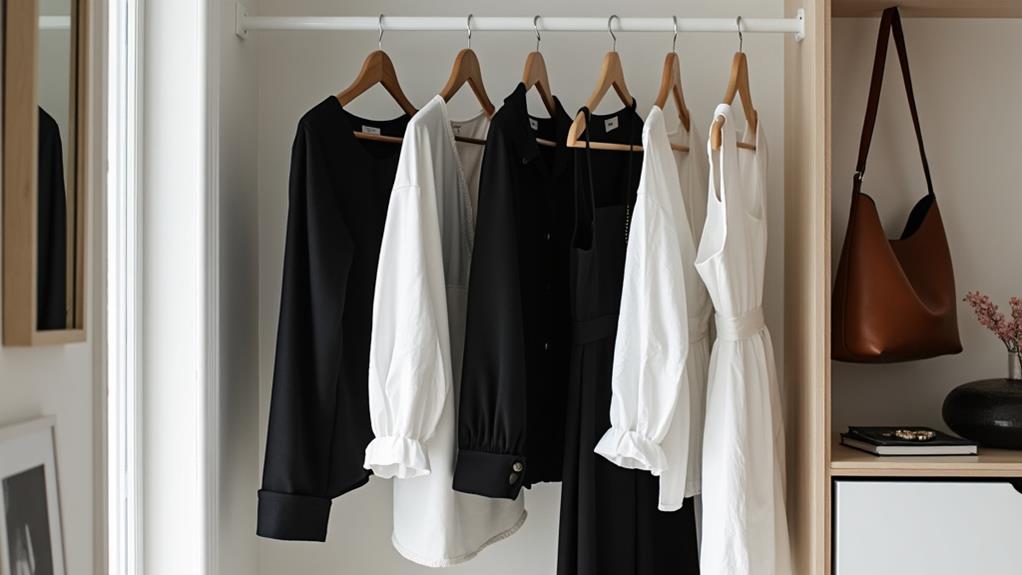
During the 2010s, minimalist fashion emerged as a defining trend, driven by the economic aftermath of the Great Recession. This shift emphasized functionality and quality over excess, with designers like Phoebe Philo and Hedi Slimane leading the way through their focus on clean lines and neutral palettes. Social media significantly contributed to this movement, popularizing capsule wardrobes and promoting the ethos of conscious purchasing. But what made minimalist fashion resonate so deeply with people during this decade, and how has it influenced current trends? Let's delve into the nuances behind this enduring movement.
Cultural Shift to Simplicity
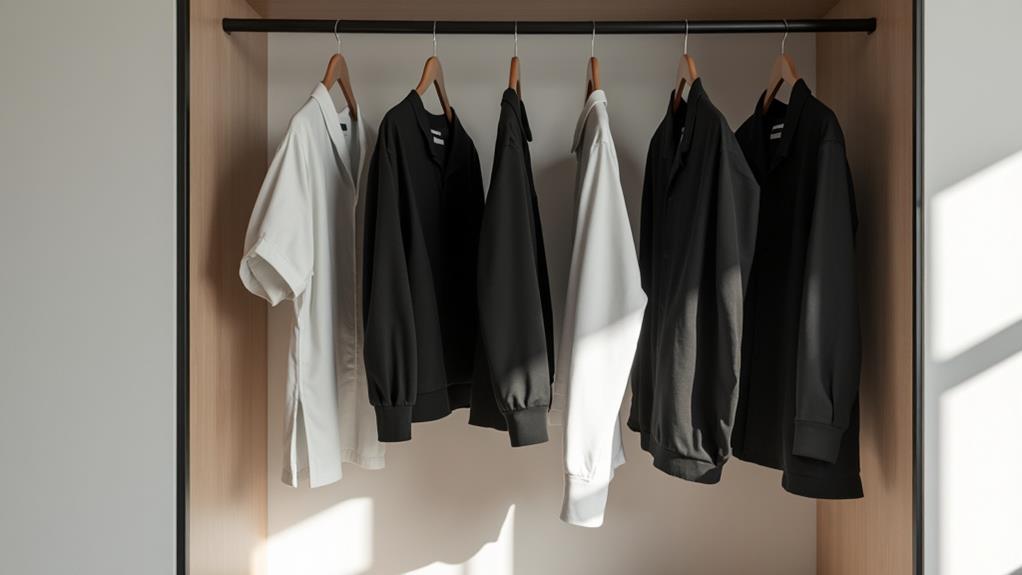
The 2010s witnessed a cultural shift toward simplicity, largely influenced by the economic aftermath of the Great Recession. This period encouraged consumers to prioritize functionality and quality over excess and extravagance. Minimalist aesthetics became prominent in fashion, interior design, and branding, with a noticeable rise in clean lines and neutral colors, moving away from the clutter and bold statements of previous years. This shift was not merely about appearance; it embraced a lifestyle centered on sustainable purchasing and conscious choices.
Brands like Everlane and Cuyana epitomized the "buy less, but better" philosophy, urging consumers to invest in timeless pieces that combined quality and functionality. This approach resonated deeply, as many people gravitated toward understated luxury rather than fleeting trends. Publications such as Kinfolk magazine celebrated this new simplicity, featuring homes and fashions that highlighted authenticity and craftsmanship.
Minimalist fashion marked a clear departure from the maximalism of the previous decade. Designers focused on understated luxury and timeless pieces, creating garments that were both functional and high-quality. This cultural shift embraced the idea that less is more, emphasizing pieces that would endure and contribute to a more sustainable future.
Key Influential Designers
When considering key designers behind the minimalist fashion movement in the 2010s, Phoebe Philo's tenure at Celine stands out, where she championed clean lines and functional designs. Hedi Slimane also made significant contributions, redefining Celine with minimalist silhouettes that contrasted sharply with the maximalist trends of the early 2010s. Their work not only shaped the aesthetic but also set the stage for a broader movement towards simplicity and timeless elegance in fashion.
Phoebe Philo's Minimalism
Phoebe Philo transformed Celine's identity during her decade-long tenure from 2008 to 2018, making minimalist fashion a defining feature of the brand. Under her direction, Celine became synonymous with minimalism, defined by clean lines and functional silhouettes. Philo's design approach emphasized enhanced basics, crafting pieces that exuded understated luxury. Her collections often showcased a muted color palette, appealing to modern women who sought both elegance and practicality.
Philo's designs embodied sophisticated simplicity. She masterfully used luxurious fabrics and groundbreaking tailoring to create garments that were as comfortable as they were stylish. This focus on quality and refinement set a new standard in contemporary women's fashion. Philo's ability to balance modernity with timeless pieces resonated deeply within the fashion community, influencing a generation of designers and leading a broader trend towards simplicity and quality in the 2010s.
Her legacy at Celine is marked by her unwavering commitment to minimalist principles, proving that less can indeed be more. By prioritizing sophisticated simplicity and groundbreaking tailoring, Phoebe Philo redefined what it means to dress the modern woman, leaving an indelible mark on the fashion landscape.
Hedi Slimane's Redefined Celine
Hedi Slimane's 2018 appointment as creative director of Celine marked a transformative shift, steering the brand towards a minimalist, sleek aesthetic. Slimane's vision emphasized sleek lines and understated luxury, embodying a "less is more" philosophy that resonated deeply with fashion enthusiasts.
Slimane's designs frequently feature bold silhouettes and monochrome palettes, making each piece timeless and versatile. By eschewing ornate embellishments, he created collections that seamlessly integrate into everyday wardrobes. This approach not only redefined Celine but also attracted a younger demographic seeking elegance and minimalism.
Slimane's influence extended beyond Celine, sparking a broader trend in the fashion industry. Numerous brands began adopting similar design philosophies in response to the growing consumer demand for simplicity and sophistication.
Key elements of Slimane's Celine:
- Bold silhouettes
- Monochrome palettes
- Tailored pieces
- "Less is more" philosophy
- Appeal to a younger demographic
Role of Social Media
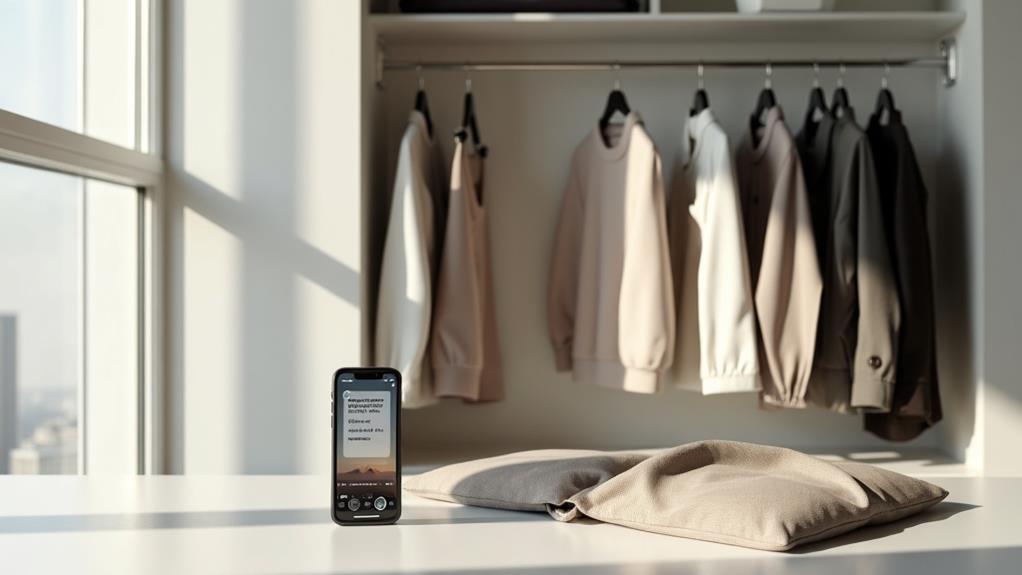
Social media played a pivotal role in the rise of minimalist fashion during the 2010s, revolutionizing how trends were disseminated and embraced. Platforms like Instagram became key venues for influencers to display minimalist designs, promoting clean lines and neutral color palettes that resonated with a growing audience. Personal style was increasingly curated around minimalist principles, with capsule wardrobes becoming a favored choice.
Instagram, Pinterest, and Tumblr were inundated with outfit inspirations showcasing effortless, understated looks. The focus on authenticity and sustainability added depth to the minimalist trend, drawing users to prioritize quality over quantity and seek durable pieces over fast fashion.
Social media facilitated the discovery and integration of minimalist elements into wardrobes, democratizing fashion by allowing anyone to share their interpretation of minimalism. Overall, social media was crucial in establishing minimalist fashion as a defining look of the 2010s, promoting a shift toward more thoughtful and sustainable fashion choices.
Minimalist Wardrobe Essentials
The minimalist wardrobe, gaining traction in the 2010s, emphasizes versatile pieces and neutral color palettes, simplifying daily outfit choices while promoting a cohesive and sophisticated look.
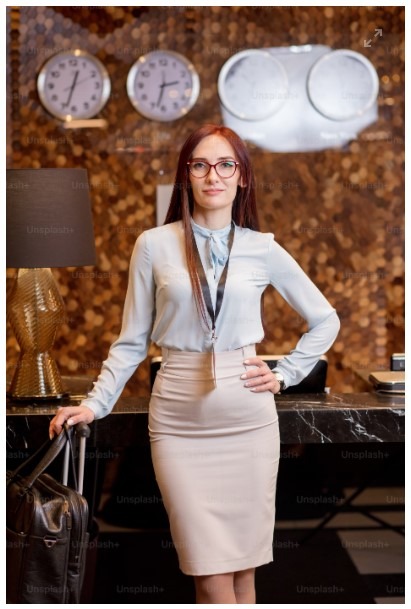
Key items in a minimalist wardrobe often include timeless pieces such as a classic button-up shirt, tailored trousers, and a well-fitted blazer. These items are designed to mix and match easily, allowing for the creation of numerous outfits from a few essential pieces. High-quality fabrics like cotton, linen, and cashmere are important for both durability and a refined appearance.
Footwear in a minimalist wardrobe typically consists of high-quality black or nude leather loafers and white sneakers, offering versatility and style for varying occasions. Neutral color palettes—whites, blacks, grays, and earth tones—dominate these wardrobes, making coordination straightforward.
The concept of the capsule wardrobe also gained popularity in the 2010s. This approach focuses on a limited number of clothing items, typically 30 to 40, aimed at reducing clutter and streamlining your wardrobe.
Essential pieces for a minimalist wardrobe include:
- Classic button-up shirt
- Tailored trousers
- High-quality blazer
- Black or nude leather loafers
- White sneakers
Incorporating these elements can help you build a minimalist wardrobe that stands the test of time.
Impact on Sustainability
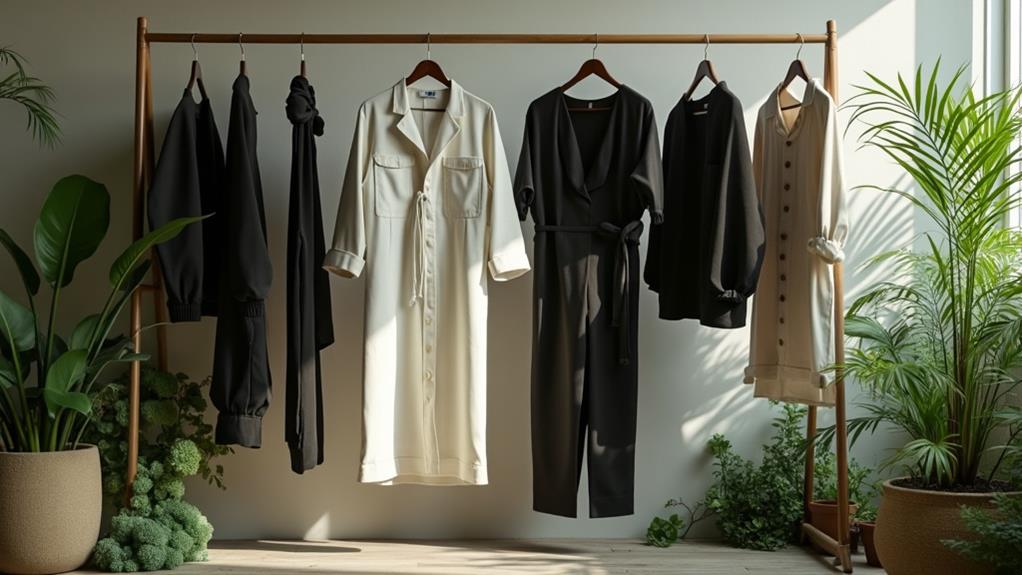
With the rise of minimalist fashion in the 2010s, consumers began prioritizing simplicity and quality, naturally aligning with sustainable practices and ethical production methods. Brands like Everlane and Cuyana championed the idea of "fewer, better things," encouraging investments in high-quality, long-lasting garments rather than fast fashion.
Minimalist fashion's emphasis on timeless designs over fleeting trends contributed to a decline in consumption rates. This thoughtful approach aligned perfectly with eco-conscious values, minimizing waste and reducing the environmental impacts associated with fast fashion. As awareness of these impacts grew, consumers increasingly sought clothing made from sustainable materials and sourced responsibly.
The post-Recession period also saw a shift in expectations for transparency in fashion supply chains. Consumers began demanding that brands disclose their practices, ensuring they prioritize sustainability and ethical production. This alignment promoted a more sustainable industry and fostered a deeper connection between consumers and the brands they supported, making each purchase a meaningful investment in the future of fashion.
Evolution of Minimalist Trends
You've likely observed the evolution of minimalist fashion from its early emphasis on clean lines and neutral color palettes. Initially, this simplicity in design was a response to post-Recession sensibilities, highlighting quality and timelessness. Over the years, these trends have evolved to include bolder colors and richer textures, while still adhering to the core minimalist principles.
Clean Lines Dominance
During the 2010s, minimalist fashion, characterized by clean lines and a focus on simplicity, became a dominant trend in the industry. This shift was largely driven by a collective move towards functionality and timeless design. Leading designers like Phoebe Philo at Celine spearheaded this movement with modern, understated collections. Consumers increasingly valued enhanced basics, seeking quality over quantity as they gravitated towards versatile, long-lasting wardrobe staples. This emphasis on simplicity was particularly resonant during the Great Recession, when economic constraints led people to prioritize durable and adaptable clothing over fast fashion.
Minimalist trends also influenced branding and marketing. Companies adopted sans serif fonts and ample white space to appeal to a discerning millennial audience. The trend's muted color palette, featuring earth tones and monochrome looks, further solidified its appeal amidst economic uncertainty and rising environmental consciousness.
Key elements that made clean lines in minimalist fashion appealing during the 2010s include:
- Simplicity: Emphasis on clean lines and understated designs.
- Enhanced basics: Timeless pieces that remain stylish over time.
- Quality over quantity: Investment in fewer, better-made items.
- Muted color palette: Preference for earth tones and monochrome.
- Economic constraints: Preference for versatile, enduring wardrobe staples.
Neutral Color Palette
During the 2010s, the minimalist fashion movement embraced clean lines and a neutral color palette, featuring shades like white, beige, gray, and black. These colors became synonymous with simplicity and versatility in wardrobes. Designers such as Phoebe Philo at Celine and Raf Simons at Calvin Klein were instrumental in popularizing these shades, creating iconic pieces that exemplified understated luxury.
Social media platforms, particularly Instagram, significantly contributed to the popularity of neutral hues. These colors offered a visually cohesive aesthetic that both influencers and consumers found appealing. This trend also aligned with a shift towards prioritizing quality over quantity, with a preference for timeless, mix-and-match pieces in neutral shades.
Additionally, the minimalist fashion evolution of the 2010s included the incorporation of textures and layering. This approach added depth and interest while maintaining a clean, neutral color palette that transcended seasonal trends. By focusing on these elements, it became possible to create a versatile and elegant wardrobe, fully capturing the essence of minimalist fashion.