The Rise of Gender-Neutral Fashion in the 21st Century
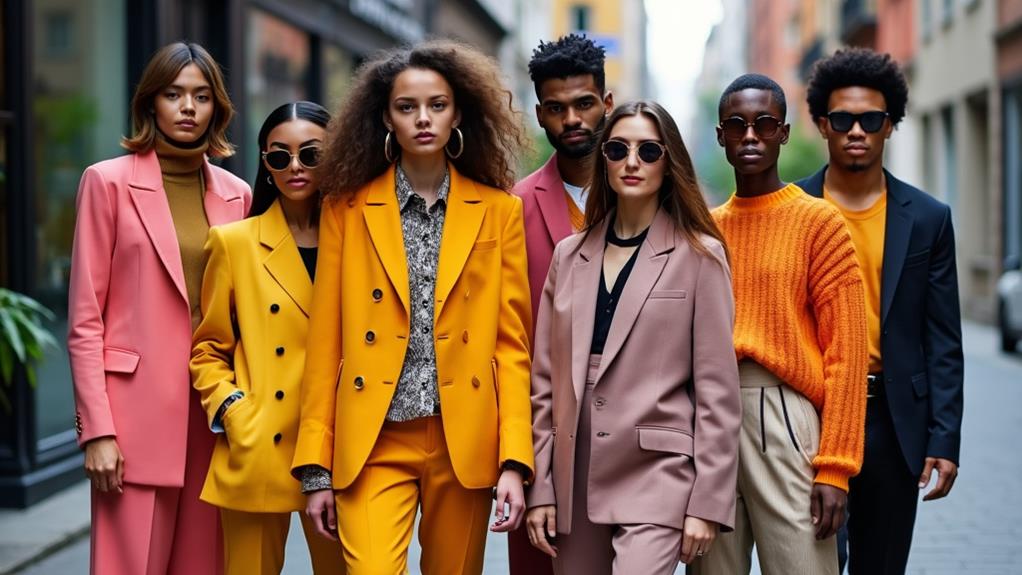
The rise of gender-neutral fashion in stores and on runways signals a broader cultural movement toward inclusivity and self-expression. Influencers and celebrities are pushing these boundaries, making unisex styles more mainstream. As oversized hoodies and relaxed-fit pants become wardrobe staples, this shift impacts traditional gender norms and the fashion industry's future. These trends reflect evolving societal values and have significant implications for the next generation of consumers and designers.
Historical Context
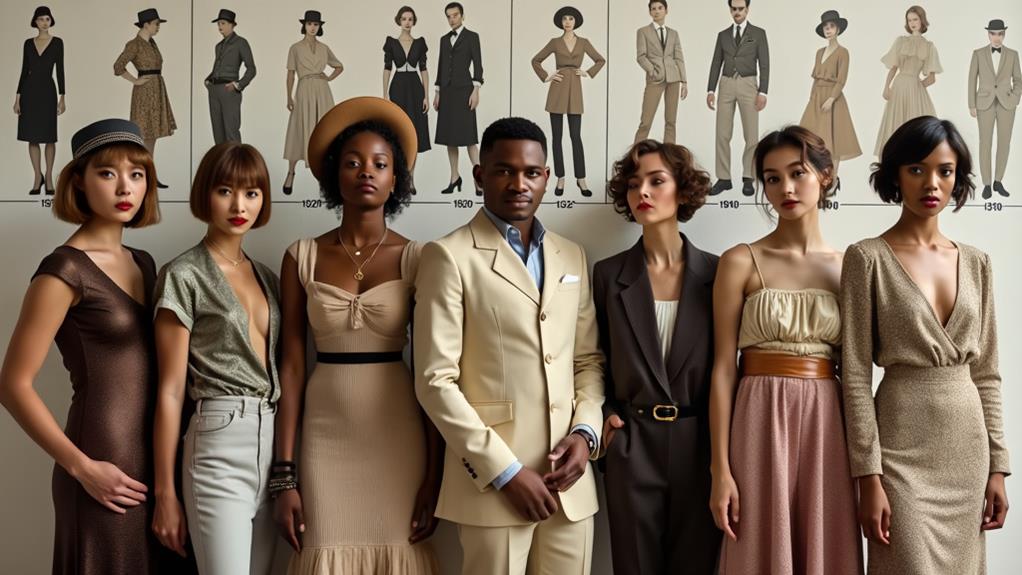
Understanding the historical context of gender-neutral fashion reveals that clothing hasn't always been as strictly gendered as it is today. Before the 17th century, garments for both men and women were quite similar, with distinctions based more on class than gender. This period allowed for broader expression of gender identities through clothing, as people were not confined by strict gender norms.
However, during the reign of Louis XIV, a significant shift occurred with the establishment of a separate guild for women's fashion. This move marked the beginning of more rigid gender-specific clothing norms. Over the following centuries, these distinctions became increasingly entrenched, eventually leading to laws against cross-dressing that strictly enforced societal expectations around gender.
Contemporary Trends
Contemporary trends in gender-neutral fashion are evident in unisex staples like oversized hoodies and wide-leg pants, which dominate both streetwear and high fashion. Social media platforms amplify these trends as influencers and brands showcase inclusive clothing choices. By merging menswear and womenswear, events like London Fashion Week further dismantle traditional fashion barriers, reflecting the preferences of a more inclusive generation.
Unisex Fashion Staples
Unisex fashion staples have become essential components of contemporary wardrobes, appealing to a diverse audience across all genders. This trend challenges traditional gender norms, offering versatile pieces that anyone can wear comfortably and stylishly. The fashion industry has embraced this shift, with major brands like Zara and GapKids introducing unisex lines to meet the growing demand.
Certain items have become popular for their versatility and universal appeal. Here are three notable unisex fashion staples:
- Oversized Shirts: These offer a relaxed fit that suits everyone, allowing for easy movement and layering.
- Relaxed-Fit Pants: Ideal for both casual and semi-formal settings, they provide comfort without compromising on style.
- Simple Sweatshirts: Perfect for casual outings or lounging at home, these staples offer both comfort and a timeless look.
The rise of athleisure wear has also significantly boosted the popularity of unisex fashion staples. By blending sportswear with casual clothing, athleisure prioritizes comfort and functionality. Features like deep pockets and adaptable fits make these pieces practical and appealing to all body types. These trends indicate that unisex fashion is not just a passing fad but a movement redefining our approach to clothing.
Social Media Influence
Social media platforms such as TikTok and Instagram have significantly amplified the visibility of gender-neutral fashion, transforming it from a niche interest into a mainstream trend. Hashtags like #GenderNeutralFashion have garnered millions of views, showcasing diverse styles and promoting inclusivity. Influencers and celebrities who adopt gender-fluid styles profoundly impact market trends. For example, high-profile endorsements have led to a 52% increase in searches for genderless fashion.
User-generated content plays a crucial role in this shift. When everyday people confidently express their identities beyond traditional gender norms, it fosters a sense of belonging and support. Online communities focused on gender-neutral fashion thrive, encouraging users to explore and share their unique styles.
Brands are quick to leverage this trend. By promoting customer photos wearing unisex clothing lines on social media, they not only drive engagement but also boost sales and customer loyalty. This shift has significantly altered consumer behavior. In fact, 44% of Generation Z respondents prefer not to shop exclusively by gender, reflecting a broader cultural movement towards inclusivity and self-expression. Social media's influence is undeniable, shaping a more inclusive future in fashion.
Unisex Haute Couture
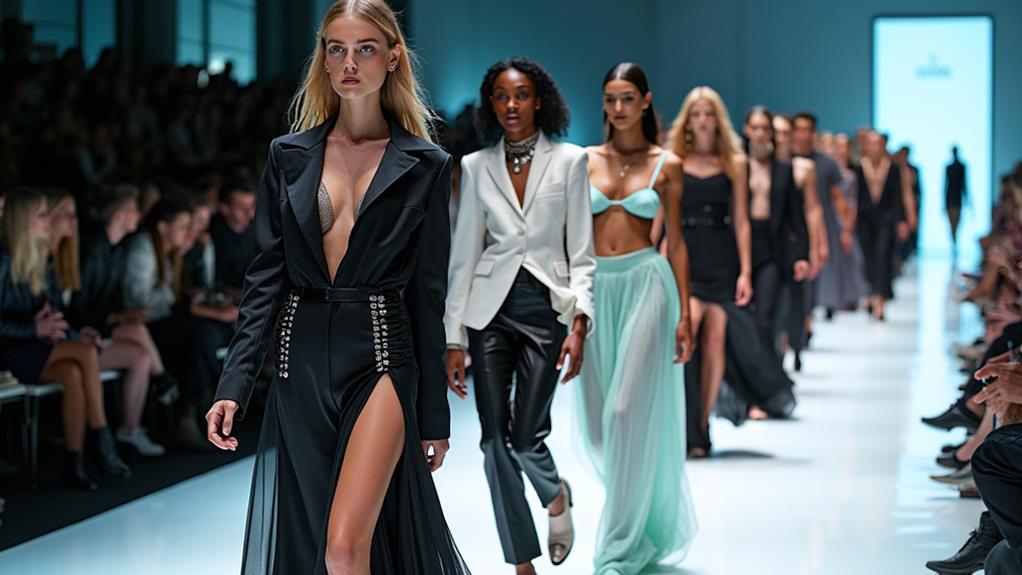
Canadian designer Rad Hourani has frequently redefined high fashion by unveiling the first unisex haute couture collection, directly challenging traditional gender norms in the industry. Hourani's pioneering work emphasizes inclusivity by creating garments suitable for all genders, reflecting evolving societal attitudes toward gender identity in fashion. This collection signifies a departure from the rigid classifications of men's and women's clothing, promoting a more fluid approach to design.
The unisex haute couture movement highlights the intersection of style and gender identity, signaling broader acceptance of diversity within the fashion industry. High fashion's embrace of unisex collections demonstrates the industry's willingness to evolve and adapt to changing cultural norms, prioritizing inclusivity and environmental responsibility alongside aesthetic innovation.
Here are three key aspects of the unisex haute couture movement:
- Inclusivity: Garments designed for all genders foster a more accepting and diverse fashion landscape.
- Fluidity: Breaking down the barriers between men's and women's clothing leads to creative and versatile designs.
- Sustainability: Many unisex collections align with eco-friendly practices, supporting a more responsible fashion industry.
Androgyny in Fashion
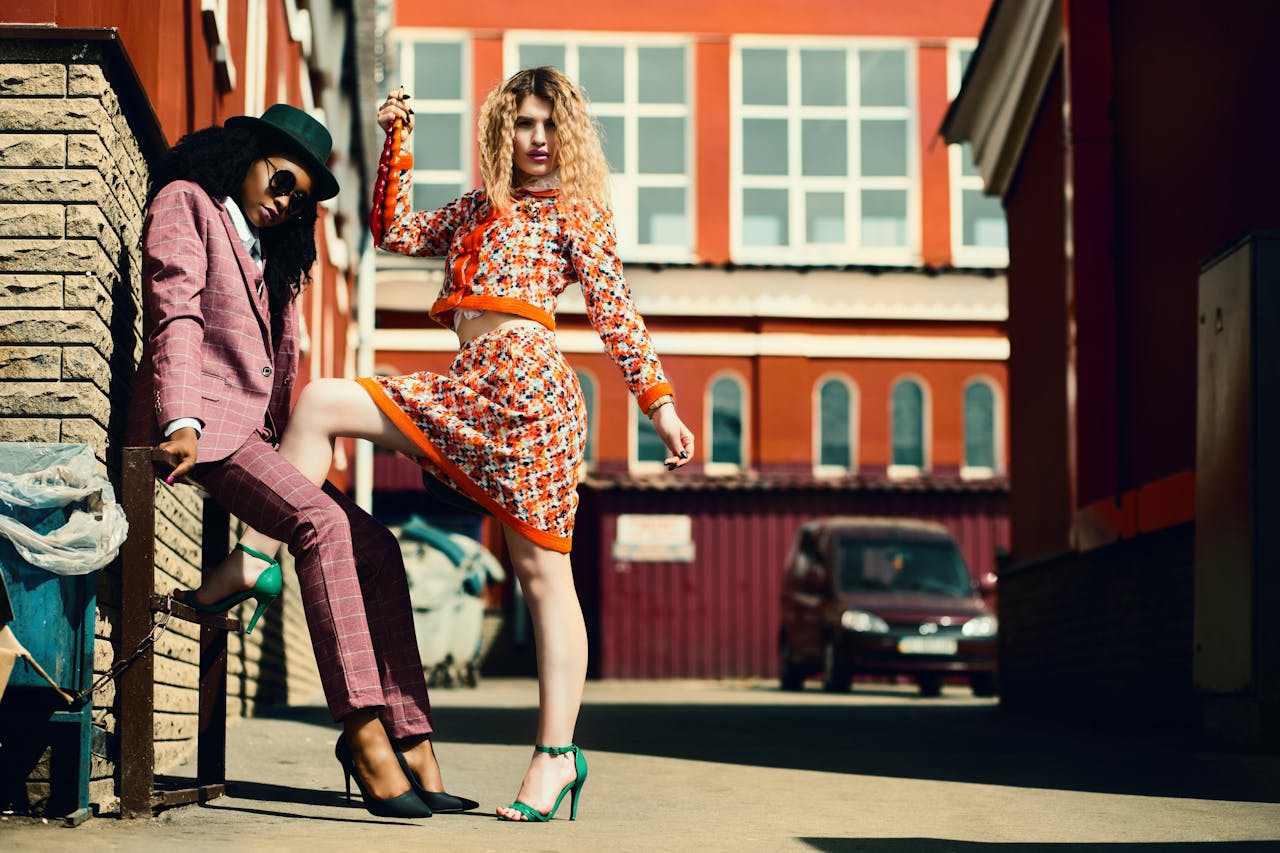
When considering androgyny in fashion, you'll observe how it seamlessly integrates masculine and feminine elements, challenging traditional gender norms. Icons like David Bowie and Prince popularized these styles in the 60s and 70s, setting the stage for today's gender-neutral clothing lines from brands such as Gucci and Balenciaga. Modern streetwear also embraces this trend, featuring oversized silhouettes and unisex designs that resonate with a diverse audience.
Historical Fashion Blending
Androgyny in fashion is not a modern phenomenon; it has deep historical roots, with various cultures embracing a blend of masculine and feminine elements. For instance, in Ancient Greece, both men and women wore tunics and cloaks, demonstrating that androgyny is a longstanding tradition. By the 18th century, fluid masculinity was evident as men donning wigs and dresses challenged rigid gender norms.
A significant cultural shift occurred in the 1960s, driven by designers like Pierre Cardin and Mary Quant. They pioneered unisex clothing, laying the groundwork for today's androgynous styles. This period marked a crucial moment where fashion began to transcend traditional gender boundaries, allowing individuals to experiment with a range of sartorial choices.
Today, the trend continues with oversized clothing and shapeless silhouettes dominating runways. These styles reflect a departure from traditional gender-specific attire, embracing a more androgynous aesthetic. The British Fashion Council's decision to merge menswear and womenswear at London Fashion Week underscores the growing acceptance and celebration of androgyny.
Here's a quick look at historical blending in fashion:
- Ancient Greece: Tunics and cloaks worn by both genders.
- 18th Century: Men in wigs and dresses.
- 1960s: Unisex clothing pioneered by iconic designers.
Androgynous Style Icons
Androgynous style icons have long challenged traditional gender norms by blending masculine and feminine aesthetics. Figures like David Bowie and Prince revolutionized fashion in the 1970s and 1980s, fearlessly merging elements from both genders to create iconic looks. Their pioneering approaches have paved the way for contemporary androgynous style icons who continue to push boundaries.
Today, celebrities like Billy Porter and Janelle Monáe lead this movement, consistently showcasing gender-fluid outfits on red carpets and making bold statements that normalize androgyny in mainstream fashion. This influence is evident in the 52% increase in searches for genderless fashion, indicating growing acceptance and demand for fluid gender expressions.
Fashion houses such as Gucci and Balenciaga have embraced androgynous designs, crafting collections that appeal to all gender identities. By moving away from binary classifications, these brands are reshaping the fashion landscape. Social media platforms further amplify the visibility of androgynous style icons, enabling a broader audience to engage with and adopt non-binary fashion trends. Your wardrobe, too, can reflect this exciting and inclusive shift in fashion.
Modern Androgynous Trends
Modern androgynous trends in fashion are reshaping perceptions of clothing and identity. These trends blur the traditional distinctions between male and female attire, favoring oversized silhouettes and gender-neutral designs that appeal to a diverse audience.
Here's why these changes are important:
- Fashion Forward: The British Fashion Council's decision to merge menswear and womenswear at London Fashion Week marks a significant move towards androgyny in the industry. This move not only reflects current trends but also paves the way for more inclusive fashion shows.
- Celebrity Influence: Icons like Billy Porter and Janelle Monáe have popularized androgynous styles, making gender-fluid fashion more visible and accepted. Their bold choices inspire others to explore their own fashion boundaries.
- Consumer Demand: There has been a 52% increase in searches for genderless fashion, indicating a clear demand for androgynous clothing options. Brands like Telfar and Rad Hourani are leading the way, creating collections that challenge gender norms and promote inclusivity.
Embrace these modern androgynous trends to express your unique identity without fitting into a specific box.
Economic Impact
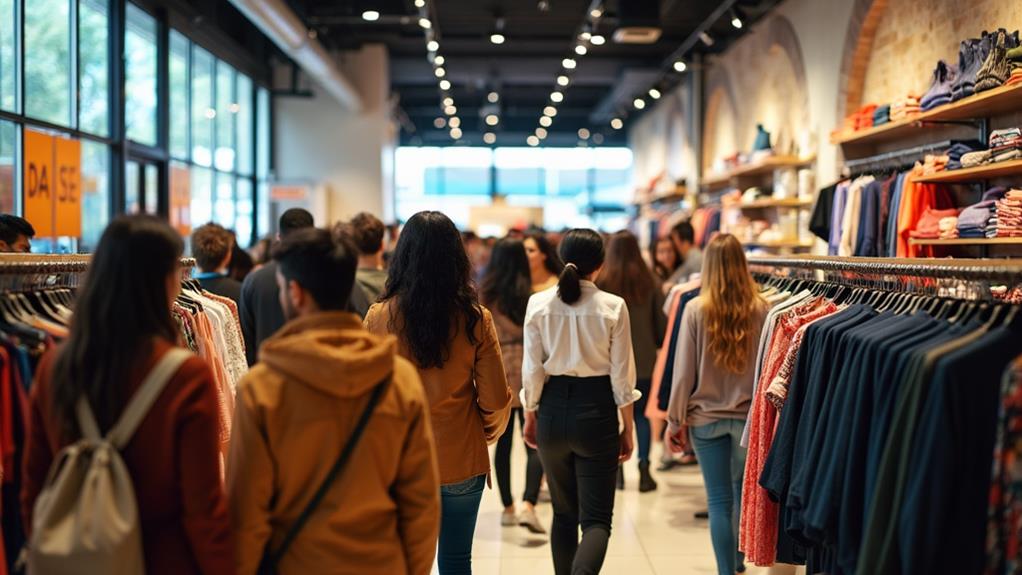
The economic impact of gender-neutral fashion is significant, enhancing brand sales by appealing to a broader audience. Major retailers like Zara and GapKids have launched successful unisex lines, featuring high-quality pieces made from materials like organic cotton. This broader appeal translates into increased customer bases and higher sales for these brands.
Unisex designs also offer cost-saving benefits in design, fabric sourcing, and manufacturing. By streamlining production processes, brands can provide more affordable options without compromising quality. Smaller brands, such as Toronto's Muttonhead Apparel, have embraced this trend with utilitarian designs that cater to all genders, thereby expanding their market appeal.
Consumers are willing to pay a premium for sustainably made, gender-neutral products, reflecting a shift towards ethical consumption. This growing demand for high-quality, inclusive, and environmentally responsible pieces is evident in the 52% increase in searches for genderless fashion, underscoring a significant market trend towards inclusivity.
Sustainable Practices
Sustainable practices have become a cornerstone of gender-neutral fashion, as consumers increasingly prioritize ethical sourcing and eco-friendly production methods. The decline of fast fashion has led to a growing demand for sustainable options, pushing brands to adopt greener approaches. Many gender-neutral labels are at the forefront, focusing on sustainable practices like using recycled materials and minimizing waste.
Here are three key reasons why sustainable practices are integral to gender-neutral fashion:
- Eco-Conscious Consumers: Younger generations are particularly vocal about their preference for high-quality, ethically made products. They are willing to pay a premium for clothing that aligns with their values of sustainability and inclusivity.
- Innovative Brands: Companies like Zero Waste Daniel set an example by creating garments from waste materials, bridging the gap between eco-conscious fashion and gender neutrality.
- Marketing and Loyalty: Brands that emphasize their commitment to sustainable practices can attract a loyal customer base. By promoting their eco-friendly initiatives, they drive sales and foster long-term relationships with conscious buyers.
Incorporating sustainable practices isn't just a trend; it's a smart strategy for the future of gender-neutral fashion.
Future Outlook
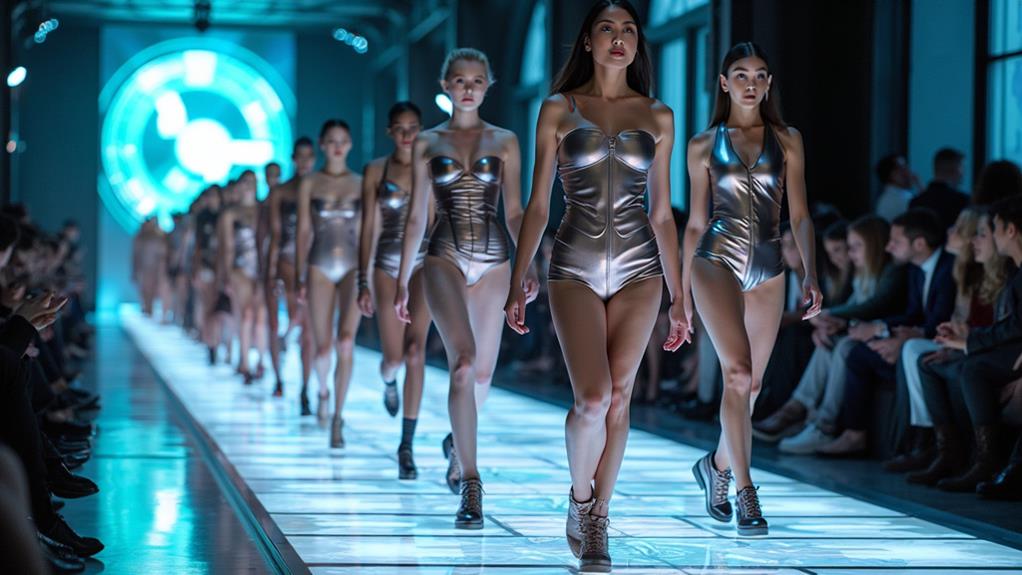
As sustainable practices establish a solid foundation, the future of gender-neutral fashion looks incredibly promising. A 52% increase in searches for genderless apparel is anticipated, driven largely by younger generations who prioritize inclusivity. This shift is evident in major fashion events like London Fashion Week, which now merge menswear and womenswear, showcasing an industry-wide acceptance of gender-neutral designs.
Younger generations, particularly Generation Z, are leading this change. Over one-third of them believe that gender is becoming less defining, driving higher demand for brands offering non-binary clothing options. This will result in more collections designed to fit a variety of body types, making gender-neutral fashion a movement toward inclusivity, rather than just a trend.
Moreover, the rise of sustainable and ethical practices is closely linked with gender-neutral collections. Consumers seek eco-friendly alternatives that align with their values, further promoting inclusivity. Social media also plays a crucial role, with influencers and brands using these platforms to challenge traditional gender norms and reach a wider audience. Gender-neutral fashion is here to stay and will continue to grow.