The Rise of Fast Fashion in the 21st Century
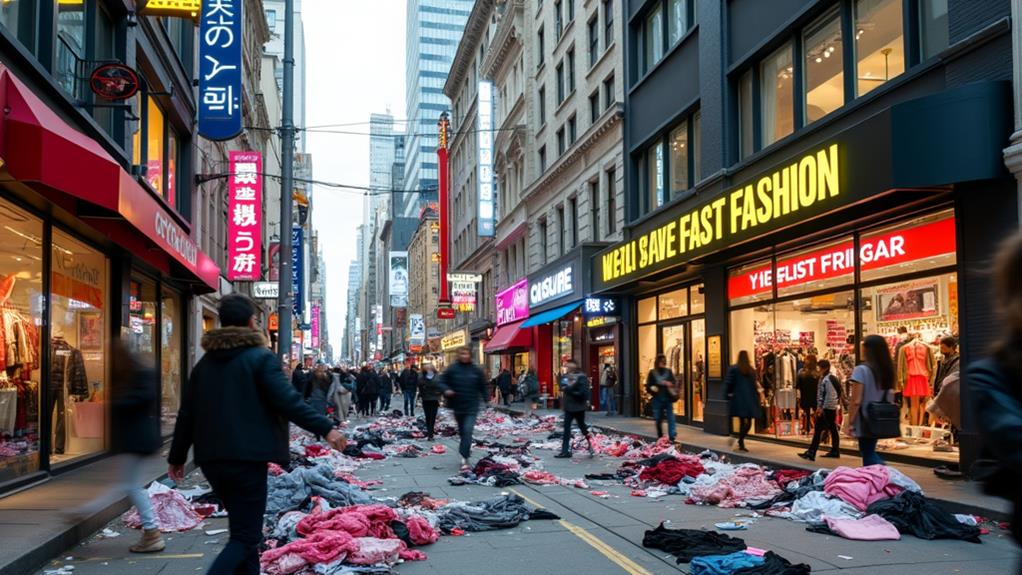
You've likely noticed how quickly fashion trends come and go these days, with new collections hitting stores almost weekly. This phenomenon, known as fast fashion, isn't just about keeping up with the latest styles; it's a complex industry shift driven by brands like Zara and H&M. While you might enjoy the affordability and variety, there's a hidden cost you might not have considered. How has this relentless cycle of production and consumption affected not just your wardrobe, but also the environment and global workforce?
Definition and Characteristics
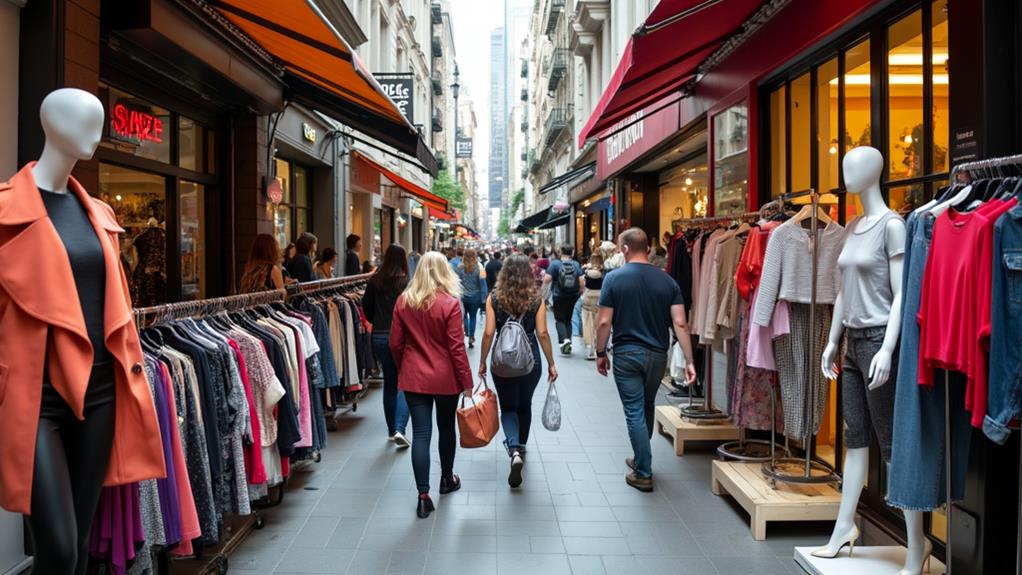
Fast fashion's ascent in the 21st century is characterized by its swift production of affordable, trendy clothing that echoes current fashion trends. Leading brands like Zara and H&M utilize quick response manufacturing, enabling them to introduce new styles in as little as two weeks. This agility allows retailers to keep pace with rapidly changing trends and meet high consumer demand effectively.
Some brands release up to 36 collections annually, ensuring that new items are available nearly every time you visit their stores. This high turnover rate has significantly influenced consumer behavior, with individuals purchasing 60% more clothing than they did in 2000. However, this trend often fosters a disposable mindset, where fashion items are quickly discarded to accommodate the latest styles.
While fast fashion generates substantial revenue, its focus on low-cost, trendy products raises sustainability concerns. The industry's emphasis on quick production and frequent consumption contrasts sharply with the principles of sustainable fashion, which prioritize quality and durability over quantity. As consumers, it's crucial to recognize these dynamics and consider how purchasing choices impact broader environmental and ethical issues. By understanding the characteristics of fast fashion, you can make more informed decisions.
Economic Impact
The fast fashion industry has witnessed significant revenue growth, with sales increasing by 31% from 2001 to 2005. Aggressive marketing strategies have influenced consumer spending habits, leading to a 60% rise in clothing purchases since 2000. This consumerism culture not only drives retail sector growth but also underscores the economic dominance of fast fashion brands like Zara and H&M.
Revenue Growth Trends
Over the past two decades, the fast fashion industry has experienced a remarkable surge in revenue, significantly altering the economic landscape of the fashion world. From 2001 to 2005, fast fashion sales surged by 31%, outpacing a mere 1% increase in traditional womenswear. This growth trajectory has continued, with the global fast fashion market valued at approximately $35.8 billion in 2021, and projections estimate it could reach around $60 billion by 2025.
Leading this economic boom are brands like Zara and H&M. Zara's valuation stands at $10.7 billion, while H&M boasts a notable $60.8 billion. These figures underscore the significant impact these brands have on the overall revenue growth of the industry. The rapid turnover of styles encourages higher consumer spending, with individuals now purchasing 60% more clothing items compared to the year 2000.
Key points to reflect upon:
- Fast fashion sales surged by 31% from 2001 to 2005.
- The global market could reach $60 billion by 2025.
- Zara and H&M are among the world's most valuable brands.
- Consumers buy 60% more clothing items than in 2000.
Consumer Spending Habits
As the revenue of the fast fashion industry soars, consumer spending habits underscore a significant economic impact. Shoppers today buy 60% more clothing items compared to the year 2000, indicating a shift towards a disposable culture. This surge in spending is fueled by fast fashion's rapid trend cycles and aggressive marketing strategies, which promote trendy clothing and spur impulse buying.
Young adults, heavily influenced by social media, are leading this economic shift. Brands like Zara and H&M have become ubiquitous, with valuations reaching $10.7 billion and $60.8 billion, respectively. These brands capitalize on consumers' appetite for the latest trends, often resulting in overconsumption and a disposable mindset.
Here's a snapshot of the impact:
| Year | Fast Fashion Sales Increase | Overall Womenswear Market Increase | Consumer Clothing Purchases | Brand Valuation (Zara) | Brand Valuation (H&M) |
|---|---|---|---|---|---|
| 2000 | N/A | N/A | Baseline | N/A | N/A |
| 2001 | +31% | +1% | +60% | $10.7 billion | $60.8 billion |
| 2005 | +31% | +1% | +60% | $10.7 billion | $60.8 billion |
The rise of fast fashion has reshaped consumer spending habits, illustrating the industry's profound economic influence.
Marketing Strategies Influence
Aggressive marketing strategies significantly drive the rapid growth of the fast fashion industry, exerting considerable economic influence. Brands such as Zara and H&M use tactics that create a sense of urgency and scarcity, prompting impulse purchases. These strategies contributed to a 31% increase in fast fashion sales between 2001 and 2005, compared to just a 1% rise in overall womenswear.
Marketing techniques like promoting "must-have" items, amplified by social media and celebrity endorsements, ensure rapid stock turnover. Consumers are encouraged to buy 60% more clothing than in 2000, fostering a throwaway culture. Fast fashion retailers frequently restock and release new collections—up to 36 a year—keeping consumers perpetually engaged.
Key tactics include:
- Highlighting low prices and trendy designs
- Leveraging social media to influence young adults
- Promoting impulse purchases through a sense of urgency
- Emphasizing quick response manufacturing to capitalize on trends
These marketing strategies shape consumer habits, shifting purchasing decisions to align with current trends rather than necessity. Consequently, there's a notable increase in clothing consumption and waste, reflecting a deeply entrenched disposable mindset.
Consumer Behavior
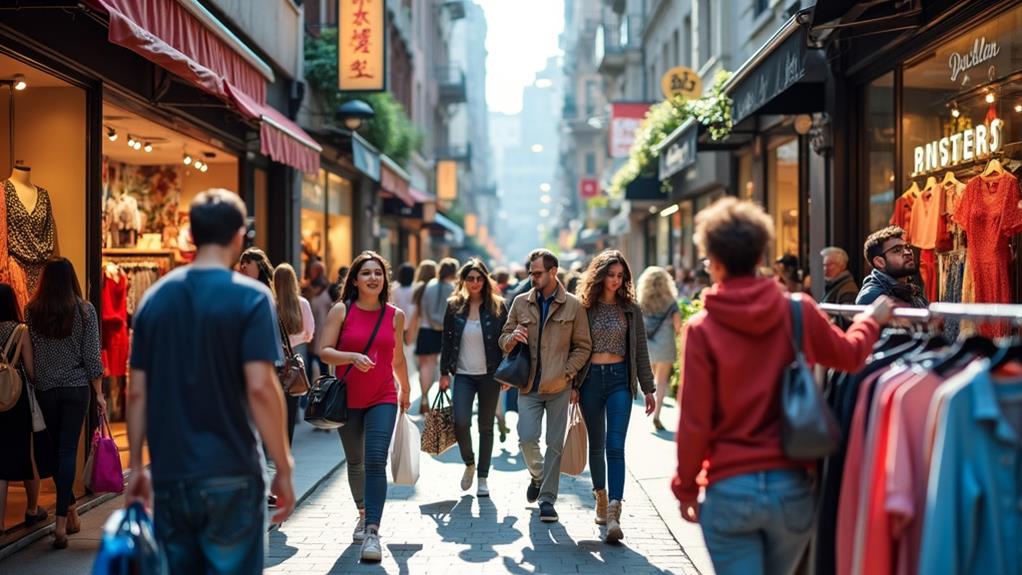
In the realm of fast fashion, consumer behavior has undergone significant transformation, particularly in the 21st century. Fast fashion has reshaped how individuals perceive clothing, prioritizing trendiness over necessity. This is especially evident among younger demographics, who are highly influenced by the constant exposure to influencers and celebrities on social media showcasing the latest styles.
This shift has led to a substantial increase in clothing purchases, with consumers now buying approximately 60% more items than in 2000. The fast fashion model encourages frequent updates to wardrobes, promoting a disposable mindset and instant gratification. Aggressive marketing strategies, emphasizing new arrivals and limited-time collections, create a sense of urgency to acquire the latest trends.
This behavior contributes to a high turnover rate of clothing, resulting in significant waste. Consumers are often drawn to fleeting styles, prioritizing short-term trendiness over long-term wearability or ethical considerations. This cycle of overconsumption is a defining characteristic of modern consumer behavior in the fast fashion industry.
Environmental Concerns
Confronting the environmental consequences of fast fashion reveals a harsh reality: this industry is a major polluter. Fast fashion is responsible for approximately 10% of global carbon emissions, significantly contributing to climate change. It generates around 92 million tons of textile waste annually, with many garments discarded after just a few uses, leading to overflowing landfills.
Synthetic fibers, like polyester, account for 35% of microplastics in oceans. These fibers take centuries to decompose, harming marine life. Fast fashion production also contributes to 20% of global wastewater, with toxic dyes and chemicals polluting water sources and ecosystems.
Conventional cotton farming, essential for fast fashion, consumes enormous amounts of water and pesticides, exacerbating environmental degradation and depleting resources.
To better understand the environmental impact, consider the following:
- Carbon emissions: Significant contributor to climate change.
- Textile waste: Overwhelms landfills and creates disposal challenges.
- Synthetic fibers: Pollute oceans and harm marine ecosystems.
- Water consumption and pollution: Drains resources and contaminates habitats.
Social Implications
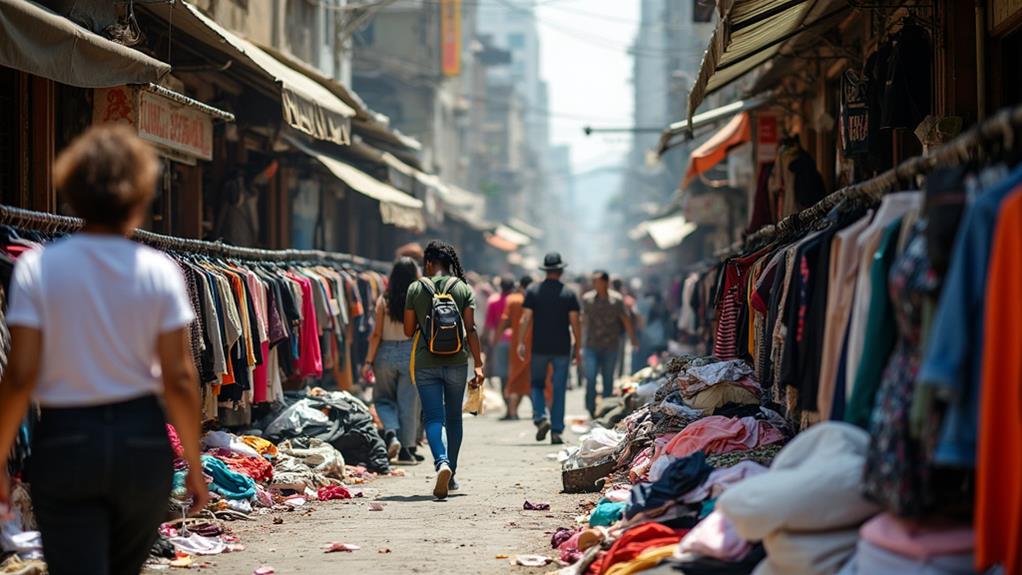
The fast fashion industry has deeply infiltrated modern culture, fostering a mindset that views clothing as disposable. Consumers today purchase 60% more clothing than in 2000, often discarding items after just a few uses. This disposable culture is driven by social media and influencer marketing, which amplify trends and create pressure to constantly update wardrobes. The rapid trend cycles in fast fashion also contribute to unrealistic beauty standards, particularly affecting young adults who feel compelled to keep up with ever-changing styles.
| Aspect | Impact | Response |
|---|---|---|
| Social Media | Amplifies trends | Pressure to update wardrobe |
| Unrealistic Beauty Standards | Conformance to ever-changing styles | Affects young adults |
| Consumer Behavior | Shift towards disposability | Instant gratification |
| Sustainable Alternatives | Growing awareness | Seeking ethical fashion |
Marketers capitalize on instant gratification, encouraging consumers to equate self-worth with frequent new clothing purchases. However, younger generations are increasingly aware of sustainability issues, prompting a shift in consumer behavior towards sustainable and ethical fashion choices. This trend indicates growing resistance against the fast fashion model, promoting a more sustainable and ethically conscious future. Understanding these social implications can help consumers make more informed decisions about their fashion choices.
Future Directions
Looking ahead, the future of fast fashion is poised to embrace sustainable practices and circular economy models. Brands are increasingly adopting recycling, upcycling, and eco-friendly materials to meet the rising consumer demand for ethical and eco-friendly options. Supported by regulatory changes and collaborative efforts, these initiatives aim to redefine the industry and significantly reduce its environmental impact.
Sustainable Fashion Initiatives
Sustainable fashion initiatives are set to transform the fashion industry in the coming years, driven by growing consumer demand for eco-friendly and ethical alternatives. More brands are adopting sustainable practices, including ethical production, transparency in supply chains, and the use of eco-friendly materials.
The rise of second-hand clothing markets highlights this shift, with projections reaching $64 billion by 2024. This trend reflects a growing preference for thrift shopping and sustainable options, aligning with the principles of the circular economy. Leading brands like Patagonia and Reformation are at the forefront, prioritizing sustainable practices by using organic materials, reducing water consumption, and ensuring fair labor standards.
Organizations like Fashion Revolution are advocating for greater transparency in supply chains. They are pushing for brands to disclose their manufacturing processes and labor practices, promoting ethical production. Additionally, new legislative movements, particularly in the European Union, are setting the stage for more durable, reusable, and recyclable clothing standards.
Key trends to watch include:
- Sustainable practices: Adoption of organic materials and reduction of water consumption.
- Second-hand clothing: Growth of the thrift shopping market.
- Transparency: Increased clarity in supply chains and commitment to ethical production.
- Recycling: Enhanced focus on recycling and upcycling materials.
Circular Economy Models
Imagine a fashion industry where waste is minimized, and every garment is designed for longevity and recyclability. This is the promise of circular economy models, which focus on sustainability to counter the detrimental impacts of fast fashion. Brands like Mud Jeans are pioneering leasing programs, allowing customers to rent jeans and return them for recycling, thereby reducing waste and promoting a circular approach.
The Ellen MacArthur Foundation estimates that embracing a circular economy could slash the fashion industry's greenhouse gas emissions by 44% by 2030. This shift benefits the environment and fosters ethical working conditions for garment workers by promoting stable, long-term employment.
Innovations in biodegradable fabrics and recycled fibers are crucial. Companies like Reformation are leading the charge with sustainable material sourcing, making it easier for consumers to choose environmentally friendly options. Collaborative initiatives, such as the Fashion Pact and the Circular Fashion Initiative, unite brands, governments, and consumers to drive systemic change.
| Key Initiative | Description |
|---|---|
| Mud Jeans Leasing Program | Rent and recycle jeans to minimize waste |
| Ellen MacArthur Foundation | Predicts 44% reduction in emissions with circular economy models |
| Fashion Pact & Circular Fashion Initiative | Unites stakeholders to promote sustainability and systemic change |
Adopting these models can transform fast fashion into a force for good, offering a sustainable future for both the planet and its people.
Sustainable Alternatives
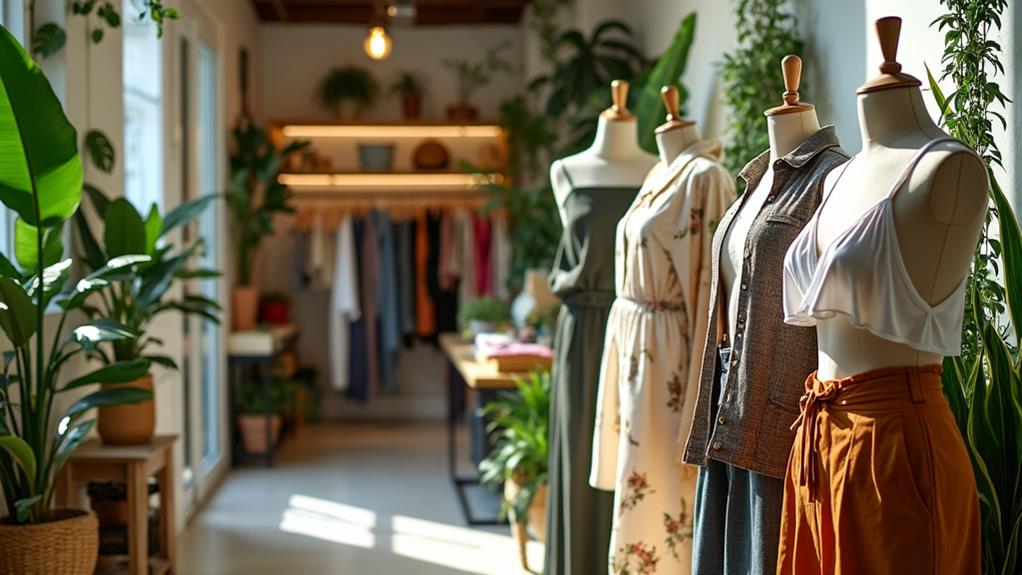
The fast fashion industry has long dominated the market with its rapid production cycles and low-cost appeal. However, a growing awareness of its environmental and ethical drawbacks has sparked interest in sustainable alternatives. Brands like Patagonia and Reformation are at the forefront, prioritizing eco-friendly materials and ethical production practices to reduce environmental impact and promote responsible consumption, standing in stark contrast to traditional fast fashion retailers.
The circular fashion model offers another promising solution. Companies such as MUD Jeans encourage recycling and upcycling through lease programs, allowing customers to rent jeans and return them for recycling at the end of their life cycle. This approach helps keep garments out of landfills and supports a more sustainable fashion ecosystem.
Thrifting and second-hand shopping are also gaining traction. Platforms like Depop and Poshmark facilitate the buying and selling of pre-loved items, extending the lifecycle of garments and reducing waste.
Brands like Everlane and Allbirds emphasize transparency in their supply chains. They provide detailed information about sourcing, labor practices, and environmental impact, enabling consumers to make informed purchasing decisions.
In summary:
- Choose eco-friendly brands
- Support the circular fashion model
- Thrift and buy second-hand
- Opt for transparent companies