The Rise of DIY Fashion and Customization
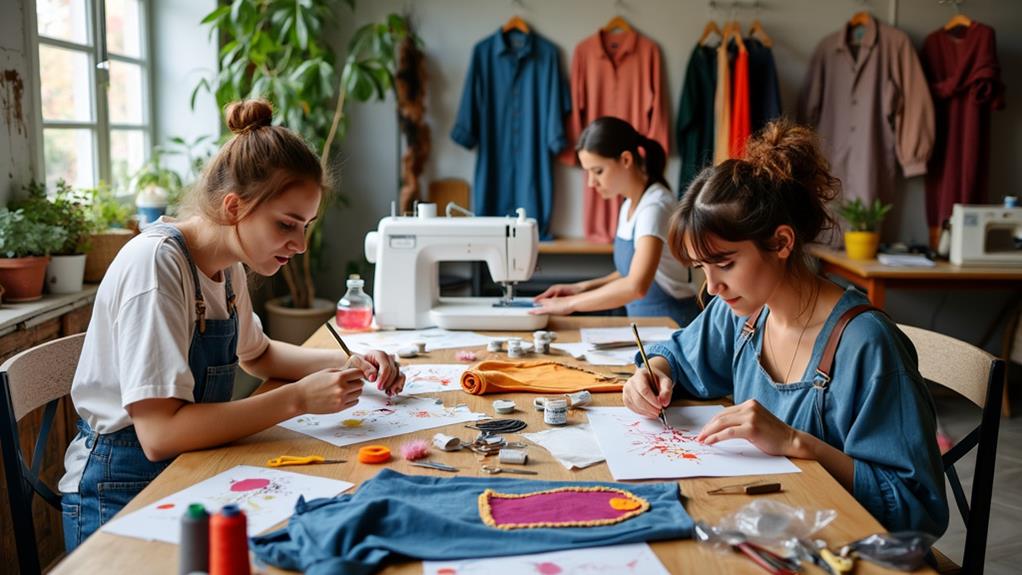
The rise of DIY fashion and customization is transforming the industry by promoting unique styles and sustainability. Major brands have responded to consumer demand for individuality by offering customizable options and sharing interactive tutorials online. The pandemic accelerated this trend, making activities like tie-dye and embroidery popular household pastimes. Social media has played a significant role in this shift, as platforms enable users to share their creations and inspire others. This movement not only influences fashion trends but also encourages more sustainable practices. Let's delve into the deeper impacts of this change on the future of fashion and sustainability.
Evolution of DIY Fashion
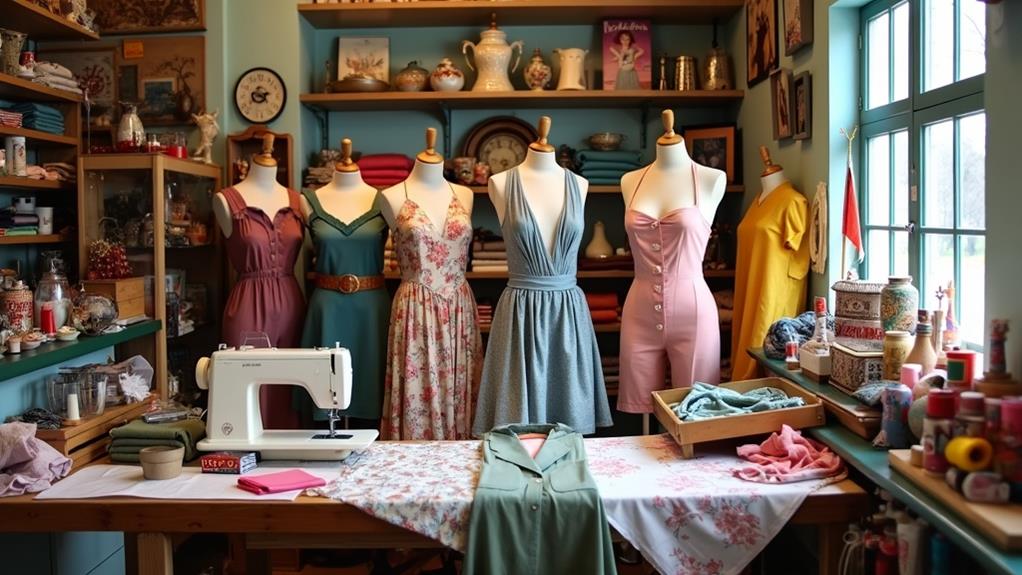
In recent years, DIY fashion has evolved from a niche hobby into a mainstream movement. This trend signifies a shift from traditional customization to a more hands-on, design-it-yourself approach, driven by growing consumer interest in sustainable fashion and individuality. Many individuals aim to make their wardrobes unique while minimizing their environmental impact.
Leading brands like Jimmy Choo and Gucci are embracing the DIY trend by offering extensive customization options, allowing customers to create one-of-a-kind pieces. The pandemic accelerated this trend as brands pivoted to online engagement, with platforms like Instagram becoming hubs for tutorials that inspire at-home creativity.
Young consumers, especially those on platforms like Depop, are enthusiastically adopting upcycling and customization. With 90% of Depop users under 25, there is a clear demand for personalized and unique fashion pieces among younger generations. Social media has facilitated the growth of DIY fashion communities, enabling individuals to share their projects and techniques, contributing to the comprehensive evolution of DIY fashion culture.
Consumer Engagement Trends
Consumer engagement trends in DIY fashion have undergone significant transformation, especially during the global pandemic. The lockdown period sparked a surge in creative pursuits, evidenced by a 74% increase in traffic on the Depop app. Many users embraced DIY fashion and customization, highlighting a growing appetite for personalized, unique pieces.
Recognizing this trend, brands like Alexander McQueen and Dior adapted by offering Instagram tutorials. These tutorials fostered a sense of community and encouraged creative exploration through fashion customization. The appeal of individuality in fashion remains stronger than ever.
Nearly 90% of Depop's 15 million users are under 25, actively seeking customized and upcycled items. During the pandemic, approximately 30% of Gen Z took up new hobbies like garment reworking, demonstrating a strong desire for hands-on experiences and creative expression.
The increase in inquiries about paint and garment reworking during lockdown underscores the engagement with DIY fashion. Preference for unique, personalized items over mass-produced options has made DIY fashion a defining trend of this generation.
Influence of Social Media
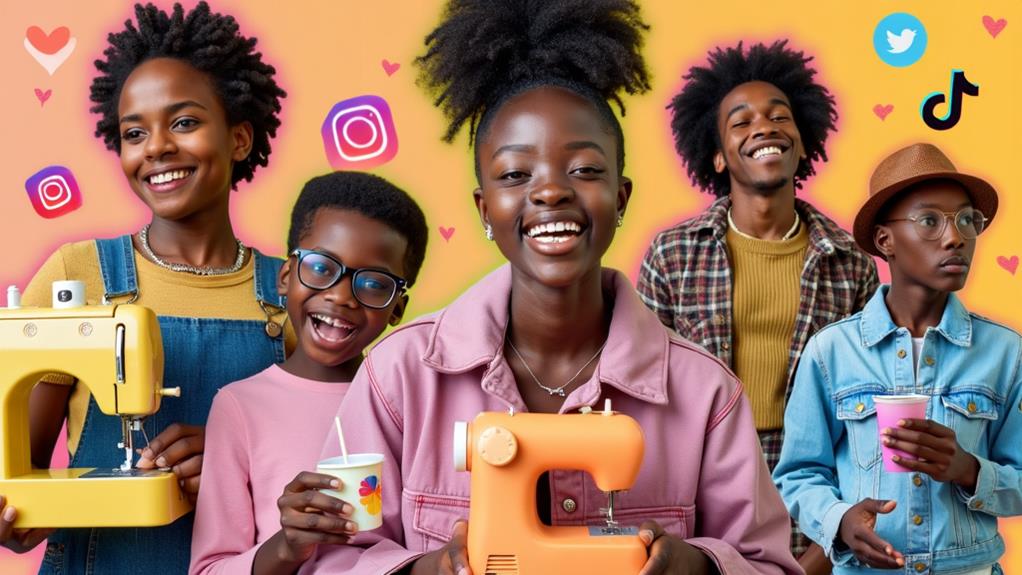
The impact of social media on the DIY fashion scene is undeniable. Platforms like TikTok, Instagram, and YouTube have revolutionized the way creative projects are explored and shared. TikTok's viral trends, Instagram's tutorials, and YouTube's DIY channels collectively create a supportive community that encourages innovation and rapidly disseminates new ideas.
TikTok and Viral Trends
Exploring TikTok's landscape reveals how viral trends have revolutionized DIY fashion. The platform's immense influence has positioned it as a central hub for the DIY movement, sparking creativity and innovation. For instance, videos demonstrating tie-dye techniques have garnered 584 million views, while over 57,000 items tagged with #tiedye are available on Depop. TikTok has transformed social media into a potent tool for sharing DIY tutorials, especially during lockdowns when engagement and creativity surged among young users.
Brands have quickly adapted, leveraging TikTok to engage younger audiences through interactive video tutorials. These videos not only teach customization techniques but also cultivate a sense of community among followers. The influence of social media on consumer behavior is clear, evidenced by Depop's 40% increase in listings and a 65% rise in sales in March 2020.
To understand TikTok's role in the DIY fashion revolution, consider these key points:
- Massive Reach: Viral trends like tie-dye attract millions of views.
- Community Building: Users share their creations, fostering a supportive network.
- Brand Engagement: Companies use tutorials to connect with younger audiences.
- Economic Impact: Platforms like Depop see increased listings and sales.
The future of the DIY movement looks promising, fueled by the power of social media.
Instagram Tutorials Surge
Instagram's influence on the DIY fashion movement is undeniable. During the lockdown, major fashion brands like Alexander McQueen and Dior utilized Instagram to share DIY tutorials, igniting a wave of creativity among their audiences. By leveraging this platform, they not only engaged followers but also encouraged them to dive into the world of fashion customization.
The rise of online tutorials has fostered a community-driven approach, where users feel connected and inspired. The impact is evident in the high levels of engagement; for instance, the tie-dye trend alone garnered 584 million views on TikTok. Instagram played a crucial role as well, with over 57,000 items tagged with #tiedye on Depop, demonstrating that social media trends significantly influence consumer behavior.
Through DIY fashion tutorials, brands have cultivated strong loyalty, especially among younger consumers eager to express their individuality. These tutorials don't just instruct—they empower individuals to create unique, personalized fashion pieces. This shift has led to a growing preference for customizable items, making the DIY approach not just a trend but a significant force in modern fashion. So, next time you scroll through Instagram, remember, you're part of a transformative movement.
YouTube DIY Channels
YouTube has become a cornerstone of the DIY fashion movement, offering numerous channels dedicated to upcycling and customization. Creators like coolirpa exemplify this trend by transforming thrifted items into unique fashion pieces, highlighting the popularity of sustainable fashion practices among viewers.
Tutorial videos on YouTube cover a wide range of skills, from basic sewing to advanced tailoring. Many creators provide step-by-step guidance to empower DIY enthusiasts. Here are four ways YouTube DIY channels are reshaping the fashion landscape:
- Skill Development: Tutorials cater to all skill levels, helping both beginners and advanced DIY enthusiasts master new techniques.
- Sustainable Fashion: Channels focus on upcycling and customizing clothing, promoting eco-friendly practices.
- Community Engagement: Viewers can share their projects and ideas within a like-minded community, fostering collaboration.
- Accessibility: A diverse range of instructional content is available anytime, anywhere.
The accessibility of these resources has significantly contributed to the rise of DIY culture. Popular videos garner millions of views, indicating strong consumer interest in personalizing clothing. YouTube's community aspect further enhances this landscape, making DIY fashion more accessible and collaborative than ever.
Popular DIY Techniques
Start your DIY journey with popular techniques like tie-dye and bleaching, which have gained immense popularity on TikTok and boosted home dye sales. Hand-painting and embroidery offer endless possibilities for personalizing your wardrobe, with some brands even hosting workshops to teach these skills. These methods not only allow you to express your creativity but also support sustainable fashion by upcycling and customizing existing pieces.
Tie-Dye and Bleaching
During the pandemic, tie-dye and bleaching became popular DIY fashion techniques, captivating a global audience. Tie-dye, in particular, saw significant attention, amassing 584 million views on TikTok and over 57,000 items tagged with #tiedye on Depop. This method allows for the creation of unique pieces, aligning well with Gen Z's preference for personalized fashion. The surge in tie-dye kit sales, which became top-selling art and craft products on Amazon, and a 10% increase in home dye sales reported by Dylon, highlight the growing interest in fabric dyeing.
Bleaching, another favored DIY technique, enables the transformation of plain garments into trendy, distressed styles. This method offers a creative way to revitalize your wardrobe without the need for new purchases. Brands like Dickies have embraced the tie-dye trend by collaborating with artisans for live customization workshops, fostering community engagement and promoting DIY techniques.
To get started with these techniques, consider the following steps:
- Gather Supplies: Acquire tie-dye kits or bleach, gloves, and old clothes.
- Experiment with Patterns: Use different folding techniques for unique designs.
- Practice Safety: Work in well-ventilated areas and wear protective gear.
- Share Your Creations: Post your designs on social media to inspire others.
Hand-Painting and Embroidery
Hand-painting and embroidery have seen a resurgence in popularity as DIY fashion techniques, enabling individuals to add personal flair and creativity to their garments. During the pandemic, brands like Alexander McQueen and Dior utilized Instagram tutorials to inspire people to try hand-painting their own designs, making it easier than ever to personalize wardrobes.
Embroidery, in contrast, offers a way to add intricate details and custom motifs to clothing. This technique is ideal for creating unique, personalized fashion items. The success of platforms like Depop, where customized or upcycled items are highly popular, underscores the strong preference for personalized fashion, especially among its 15 million users, 90% of whom are under 25.
DIY kits from companies like Wool And The Gang provide all the materials and instructions needed to start hand-painting and embroidery projects, making them perfect for beginners.
With over 584 million views for tie-dye on TikTok, it's evident that young audiences are drawn to DIY methods that offer fresh and personalized styles. So, why not pick up a brush or needle and start creating your own fashion masterpiece?
Impact on Sustainability
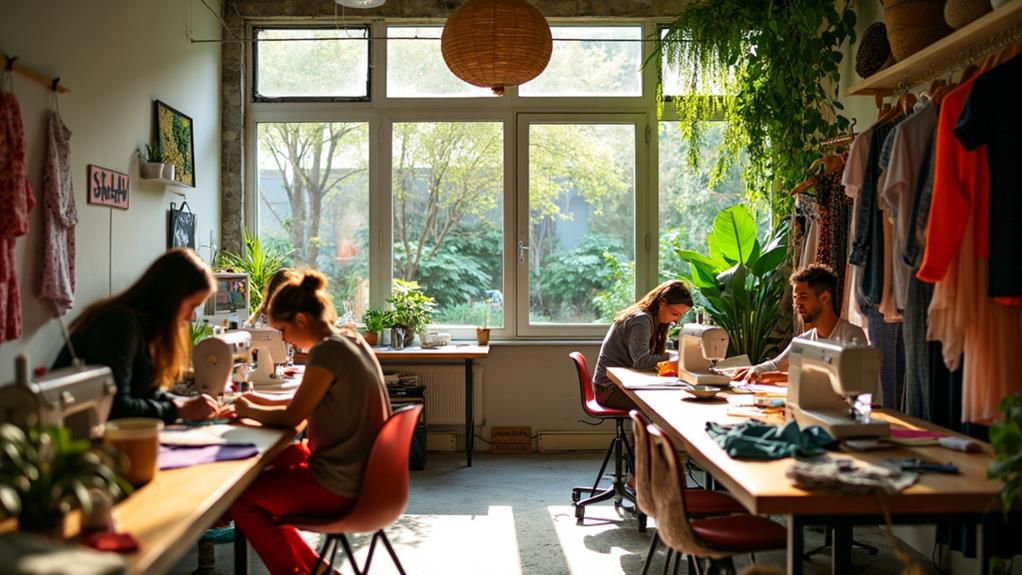
The rise of DIY fashion is significantly impacting sustainability by transforming old garments into unique pieces and reducing textile waste in landfills. Upcycling not only allows for the creation of one-of-a-kind items but also helps mitigate the environmental consequences of fast fashion. Platforms like Depop have experienced a growth in listings for customized or upcycled clothing, indicating that young consumers value originality and environmental responsibility.
By embracing DIY fashion, you contribute to a sustainable movement in several ways:
- Reduce Waste: Upcycling old clothes keeps textiles out of landfills, significantly reducing waste.
- Lower Carbon Footprint: Utilizing existing materials for DIY projects lessens the demand for new resources, thereby minimizing your carbon footprint.
- Promote Creativity: Creating your own fashion pieces fosters creativity and moves away from mass-produced items.
- Support Eco-Conscious Brands: By following designers like Duran Lantink, who transform unsold garments into new creations, you encourage brands to adopt sustainable practices.
Customization in Fashion Brands
As DIY fashion gains traction, its positive impact on sustainability is prompting major fashion brands to embrace customization. Brands like Gucci and Jimmy Choo now enable customers to personalize their items, such as Gucci's DIY stage 2 for menswear and unisex pieces, and Jimmy Choo's decorative shoe accessories. This shift towards customization allows individuals to express their unique style, making each item distinctly personal.
Pioneers like Ralph Lauren, Burberry, and Nike are also advancing this trend by offering platforms that let customers tailor their fashion choices, ensuring their wardrobe mirrors their individuality. The popularity of platforms like Depop, where 90% of users are under 25, underscores the strong demand for unique, customized fashion items among younger consumers.
Brands are enhancing this personalized approach through interactive experiences. For example, Opening Ceremony's embroidery stations allow customers to engage directly in the customization process, adding a personal touch to their purchases. Additionally, the integration of digital tools and online platforms makes customization more accessible and seamless, allowing individuals to create wardrobes that perfectly align with their personal style.
Economic Benefits of DIY
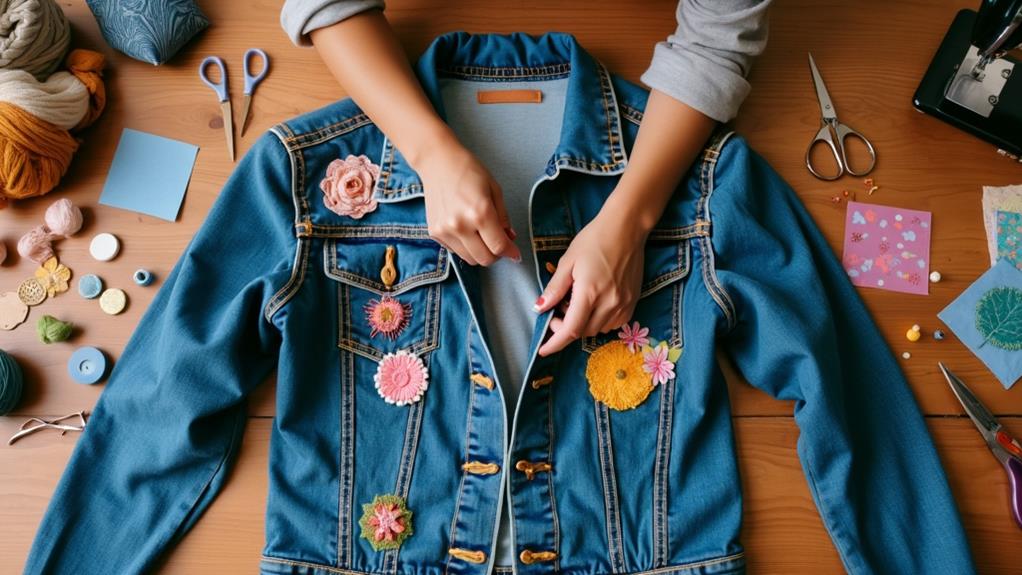
Engaging in DIY fashion significantly benefits local economies by boosting sales for small businesses and craft supply retailers. By immersing yourself in DIY projects, you're not just creating unique pieces; you're also contributing to a broader economic impact. Here's how:
- Supporting Small Businesses: Purchasing materials from local craft stores and independent sellers helps sustain these businesses, which are vital for local economies.
- Cost Savings: DIY fashion can be more affordable than buying new clothes. Thrift shops and secondhand stores often provide excellent base materials, allowing you to save money while expressing your creativity.
- Job Creation: The rise in DIY interest has led to job creation in workshops and DIY classes. This fosters employment opportunities and builds a community around crafting and fashion.
- Thriving Resale Market: Platforms like Depop have experienced substantial growth, with a 65% sales increase in March 2020. The demand for unique, personalized items is high, particularly among Gen Z, who are driving this market.
Future of DIY Fashion
Exploring the economic benefits of DIY fashion reveals its significant impact not just on individual finances but also on the broader community. The future of DIY fashion is set to thrive on a rising preference for sustainability and individuality. With 30% of Gen Z adopting new hobbies during the pandemic, expect more creative expressions and unique fashion statements.
Eco-conscious shoppers will gravitate towards customizable and upcycled products as brands increasingly emphasize ethical practices and community engagement. Technological advancements, including apps and online platforms, will simplify access to personalized fashion services, enhancing creativity in customization.
Platforms like Depop, where 90% of users are under 25, underscore that future DIY fashion trends will focus on unique, personalized items that reflect individual styles. Virtual workshops and collaborations between brands and creators will become routine, offering innovative ways to engage with fashion.
Moreover, the mental health benefits associated with crafting and self-expression will continue to be highlighted, positioning DIY fashion not just as a hobby but as a holistic lifestyle choice for the future.