The Rise of Athleisure in the 21st Century
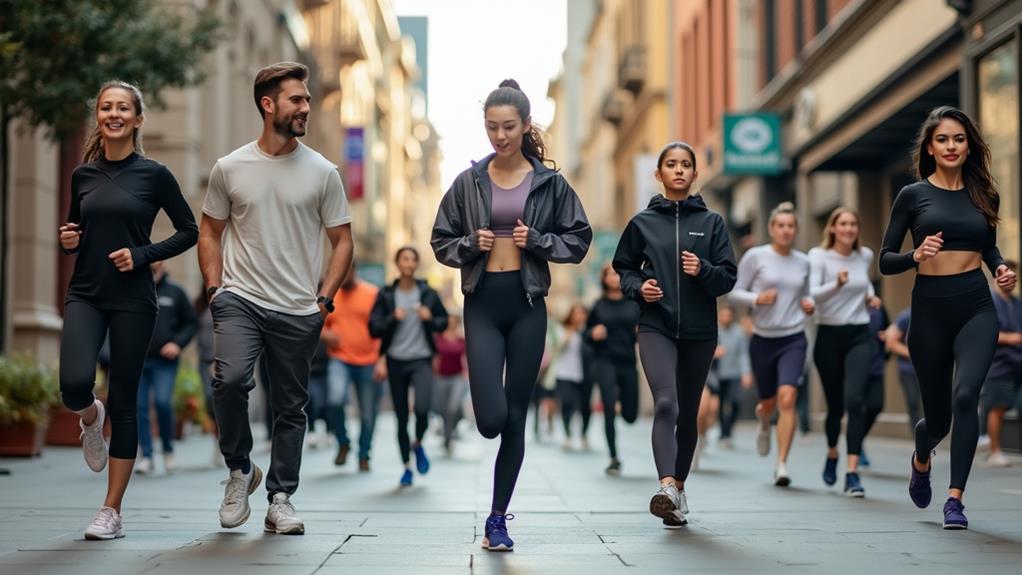
Athleisure has become a staple in modern wardrobes. Its popularity stems from the fitness culture of the 80s and advancements in fabric technology. The pandemic accelerated its rise as people sought comfortable, versatile clothing for home and casual wear. With the market thriving and a growing focus on inclusivity and sustainability, athleisure is here to stay. This trend has significant implications for the future of fashion and consumer behavior.
Historical Evolution of Athletic Attire
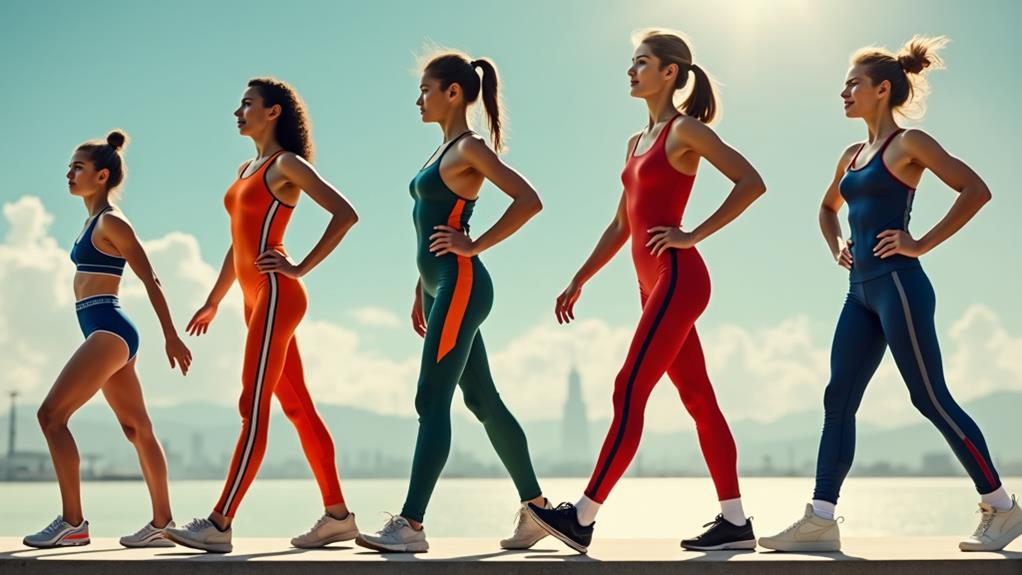
Athletic attire has significantly evolved since the late 17th century when the upper class participated in leisure sports wearing tailored clothing that prioritized appearance over functionality. During this period, athletic wear did not focus on comfort or practicality. In 1933, Rene Lacoste revolutionized athletic attire by introducing the short-sleeve polo, marking a pivotal shift towards more practical and comfortable sportswear.
By the late 20th century, the concept of athleisure emerged, blending athletic wear with leisurewear and reflecting a cultural shift that emphasized health and fitness as vital aspects of modern life. The term "athleisure" was coined in the late 1970s, highlighting the trend of integrating athletic-style clothing into everyday fashion. This evolution demonstrates how athletic attire has transitioned from purely functional garments to a prominent element in contemporary fashion.
Today, athleisure dominates the fashion landscape, illustrating that comfort and style can coexist. This shift underscores changing attitudes towards health, fitness, and the importance of practical yet stylish clothing in our daily lives.
The Workout Craze of the 80s
In the 1980s, fitness culture underwent a significant transformation as exercise became a mainstream activity focused on self-improvement and health management. Iconic workout fashion of the era featured brightly colored spandex and nylon, mirroring the period's vibrant energy. The surge in fitness clubs and aerobics classes not only increased physical activity but also underscored the demand for specialized, functional workout attire.
Emergence of Fitness Culture
The 1980s saw a transformative shift in cultural attitudes towards fitness, with aerobics and gym workouts gaining mainstream popularity. People everywhere embraced this new fitness culture, which was not just about exercise but also about looking stylish while doing it. Workout clothing evolved rapidly, with brightly colored spandex and nylon becoming the preferred fabrics. These materials were not only fashionable but also functional for high-energy workouts.
Fitness clubs proliferated, making it easier for people to engage in the fitness trend. As participation grew, the demand for specialized workout clothing surged. This gear needed to be both functional for exercise and stylish enough for everyday wear, gradually blurring the lines between gym attire and streetwear. This trend set the stage for the rise of athleisure.
Marketing played a crucial role in embedding fitness into daily life. Advertisements promoted exercise as essential for self-improvement and health management, making it a cultural norm. This period laid the foundation for the modern athleisure movement, where style and functionality coexist seamlessly.
Iconic Workout Fashion
As fitness culture took root in the 1980s, workout fashion didn't just keep up—it led the charge. This era marked a significant shift towards fitness as a means of self-improvement, igniting a surge in fitness clubs and aerobics classes. Brightly colored spandex and nylon became the go-to materials for workout attire, emphasizing both comfort and style during exercise.
Iconic figures like Jane Fonda popularized workout videos, showcasing form-fitting athletic apparel that encouraged women to wear these outfits beyond the gym. The distinction between gym clothes and streetwear began to blur, making workout fashion a lifestyle choice rather than just functional clothing. This change laid the groundwork for today's athleisure movement, where the blend of functionality and lively aesthetics remains a popular choice.
The 1980s workout fashion was all about bold colors and tight fits, reflecting a confident, energetic approach to fitness. This period's style choices weren't just about looking good while working out—they were about embracing a lively, active lifestyle. Adopting these trends meant participating in a cultural phenomenon that celebrated health, fitness, and self-expression, paving the way for the athleisure trends we see today.
Technological Advancements in Fabrics
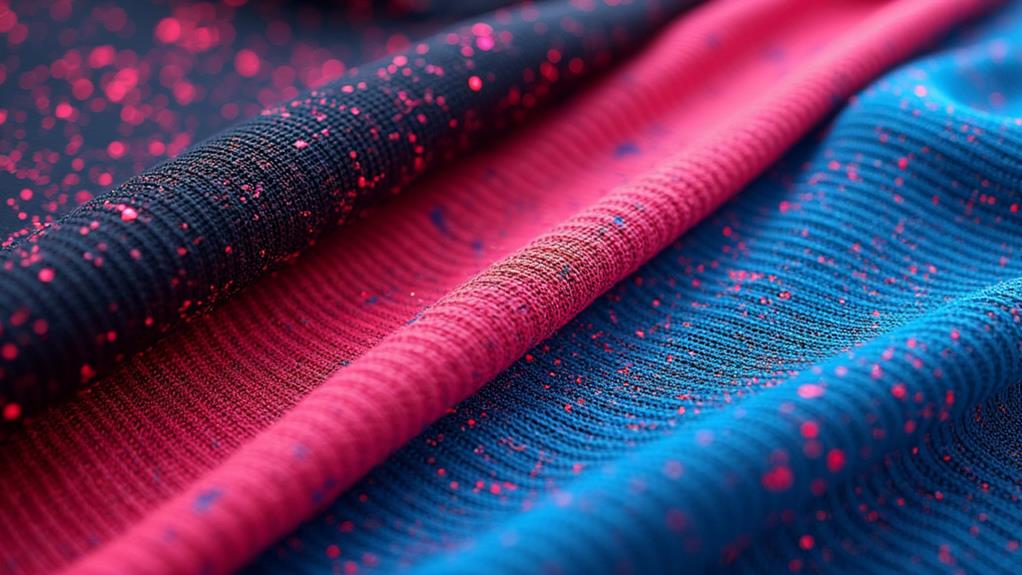
Imagine slipping into workout gear that feels like a second skin, thanks to cutting-edge fabric technology. The introduction of synthetic materials like nylon and spandex in the 1980s revolutionized athletic wear, offering lightweight, stretchy, and breathable fabrics that enhance both performance and comfort. Today, athleisure garments go even further by incorporating advanced fabric technologies such as moisture-wicking properties, anti-odor treatments, and UV protection. These innovations ensure you stay dry, fresh, and protected whether you're hitting the gym or running errands.
Compression wear technology, which has gained prominence over the past two decades, provides essential muscle support and improves recovery times during and after workouts. This shift from traditional natural materials to high-performance synthetic options facilitates seamless transitions from athletic activities to everyday wear. The ongoing evolution of athleisure fabrics continues to prioritize versatility and functionality, meeting consumer demands for comfort and aesthetic appeal in daily attire.
In essence, advancements in fabric technologies have made athleisure not just a trend but a lifestyle choice, blending style with high performance to fit seamlessly into your dynamic life.
The Birth of Athleisure
The roots of athleisure stretch back over a century. In the late 19th century, the introduction of rubber-bottomed shoes for athletes laid the groundwork for what would become a significant fashion trend. By the 1920s, polo shirts designed for tennis began influencing the casualization of athletic apparel, shifting sportswear into mainstream fashion.
The 1970s marked a pivotal point when fitness became a cultural phenomenon. People started blending exercise clothing with everyday wear, reflecting a shift in societal norms. The term "athleisure" was officially coined in March 1979, recognizing this emerging category that combined athletic performance with leisure aesthetics.
Lululemon, founded in 1998, played a transformative role in the evolution of workout apparel. The brand promoted its products not just for fitness but as everyday wear, cementing athleisure as a staple in contemporary wardrobes. This trend underscored a societal shift towards comfort and functionality without sacrificing style. Athleisure evolved beyond a mere fashion trend to embody a lifestyle where fitness and casualization seamlessly intertwined, reshaping daily wardrobes.
Athleisure's Cultural Impact

Athleisure's cultural impact extends far beyond fashion, reflecting contemporary values of health, fitness, and practicality. The trend has gained significant traction in recent years, with comfortable apparel becoming a staple not just for gym-goers but for anyone embracing an active lifestyle. This shift allows for seamless transitions from workouts to casual outings or even relaxed workplace environments.
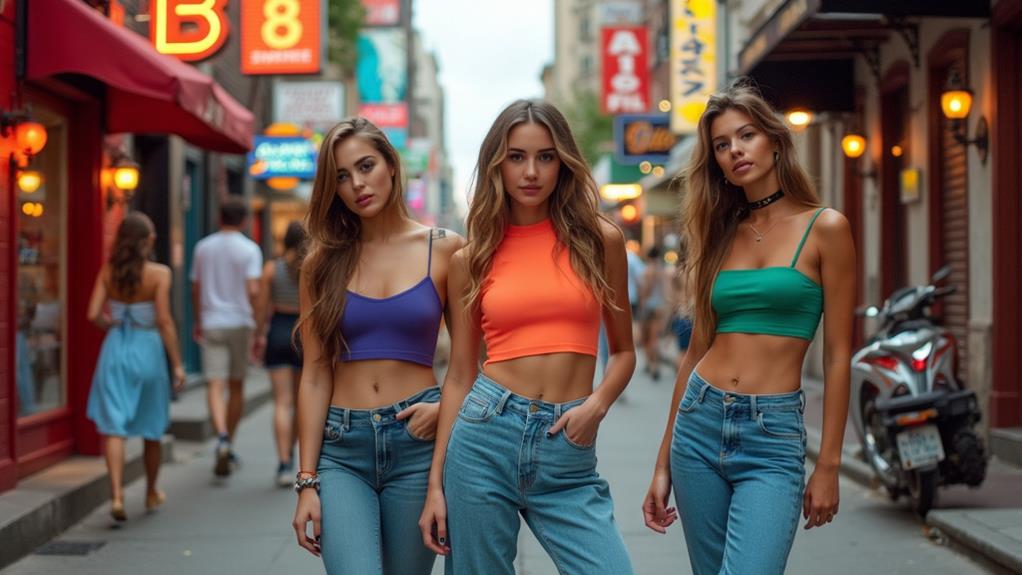
Social media has significantly influenced this evolution. Platforms like Instagram and TikTok are filled with influencers and celebrities showcasing athleisure looks, sparking trends, and enhancing brand visibility. When you scroll through your feed, you're witnessing a cultural movement that champions body positivity and inclusivity. Brands are increasingly featuring diverse models and offering a wide range of sizes, ensuring everyone feels represented.
The pandemic further accelerated this trend. As remote work and home-bound lifestyles became the norm, the demand for versatile, comfortable apparel skyrocketed. Athleisure has become the go-to choice, blending style with the functionality needed for both fitness activities and daily life. This trend encapsulates a lifestyle valuing health, comfort, and inclusivity.
Athleisure in High Fashion
As athleisure's cultural impact continues to permeate diverse aspects of daily life, its influence on high fashion becomes increasingly evident. In the 21st century, athleisure has made a bold shift from functional workout wear to a high-fashion statement. Luxury brands are now incorporating athletic apparel into their collections, blurring the lines between sporty and stylish clothing.
Fashion shows and red carpet events are showcasing athleisure garments, signaling a change in traditional fashion norms. This acceptance of sporty aesthetics in high-end contexts reflects a broader trend within the fashion industry. Collaborations between athletic brands and high-fashion designers, such as the partnership between Adidas and Stella McCartney, have played a significant role in elevating athleisure's status in the luxury market.
Major fashion retailers are recognizing athleisure as a burgeoning category. Brands like Balenciaga and Gucci have launched athleisure-inspired lines to cater to the growing demand for stylish, comfortable clothing. A study found that 67% of consumers appreciate the blend of athletic and high-fashion styles, highlighting athleisure's cultural impact and market potential.
- Athleisure's rise in high-fashion
- Luxury brands adopting sporty designs
- Red carpet events featuring athletic apparel
- Collaborations elevating athleisure's status
- Consumer demand for stylish, comfortable clothing
Market Growth of Athleisure
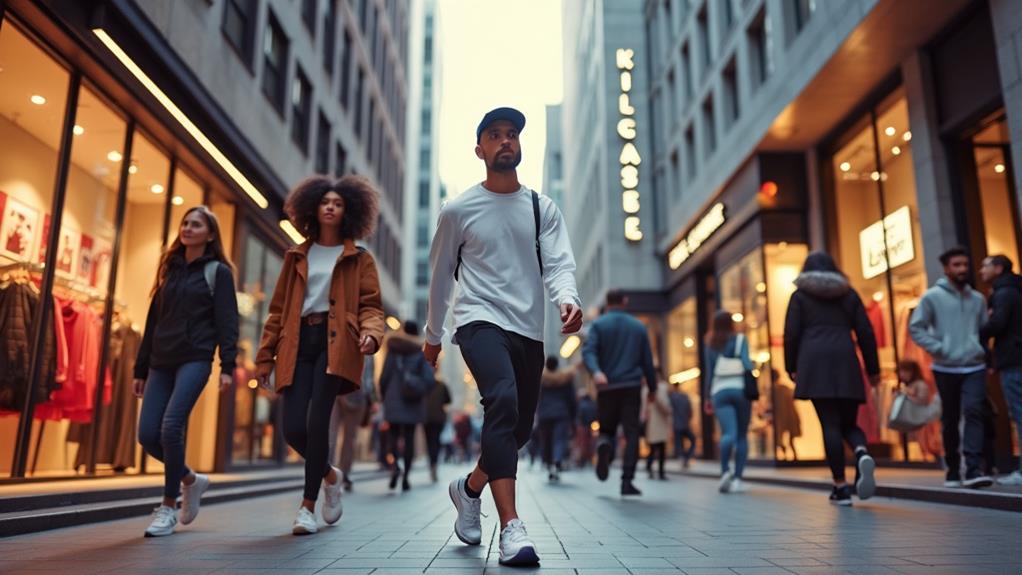
The athleisure market is experiencing substantial growth, driven by strong sales trends and effective influencer marketing strategies. Brands like Target's All in Motion achieving $1 billion in sales highlight the significant demand. Metrics indicate that both men and women are increasingly choosing athleisure, signaling a notable shift in consumer behavior.
Increasing Sales Trends
The athleisure market has experienced remarkable growth in recent years, driven by shifting consumer preferences and lifestyle changes, especially during the pandemic. Since the onset of COVID-19, athleisure orders surged by 84%, underscoring a substantial rise in demand for comfortable and stylish clothing. This surge is reflected in the U.S. sports apparel market, valued at $105.1 billion in 2020 and projected to reach $113.4 billion in 2021. The pandemic has significantly altered consumer behavior, propelling athleisure sales to new heights.
Notable statistics illustrate these trends:
- Athleisure orders: Increased by 84% since the pandemic began.
- Sales in the U.K.: Women's athleisure bottoms were five times higher in December 2020 compared to April 2020.
- Men's clothing: Sales increased by 20% over 2019 levels.
- Target's All in Motion line: Achieved $1 billion in sales shortly after its launch.
- U.S. sports apparel market: Expected to grow from $105.1 billion in 2020 to $113.4 billion in 2021.
These figures demonstrate that athleisure is more than a fleeting trend; it is a significant market force driven by consumer demand for versatile, comfortable clothing in a rapidly changing world.
Influencer Marketing Impact
The pandemic-induced lifestyle changes have driven the demand for athleisure, and influencer marketing has further fueled this growth. By leveraging influencer marketing, athleisure brands have significantly increased their visibility and sales. For example, Nike's strategic placements generated over $4.12 million in Media Impact Value™ in Q1 2020. Celebrity endorsements from icons like Cristiano Ronaldo and Serena Williams have promoted healthy lifestyles and athleisure brands, directly influencing consumer preferences.
Major brands have experienced substantial increases in Media Impact Value™ due to strategic influencer collaborations. Nike, Puma, and Reebok saw a 15% rise compared to 2019, underscoring the efficacy of these partnerships. New Balance's Media Impact Value™ surged by 70%, while Gymshark and Lululemon enjoyed increases of 34% and 22%, respectively. These figures highlight the essential role influencers play in shaping trends within the athleisure market.
The rapid growth in athleisure orders, which have increased by 84% since the pandemic began, reflects how influencer marketing has become a cornerstone in driving market expansion. By aligning with the right influencers, athleisure brands can effectively capture the attention and loyalty of today's consumers.
Brand Performance Metrics
Athleisure's market growth has been remarkable, fueled by consumer demand and strategic brand initiatives. The U.S. sports apparel market was valued at $105.1 billion in 2020 and projected to reach $113.4 billion in 2021, highlighting significant expansion in the athleisure sector. This growth is largely due to a shift in consumer preferences towards comfortable and versatile clothing.
Key brand performance metrics reflecting this trend include:
- 84% increase in athleisure orders: Since the COVID-19 pandemic began, there has been a notable rise in demand for activewear.
- Fivefold rise in U.K. sales: Women's athleisure bottoms experienced substantial growth from April to December 2020.
- 20% increase in men's clothing sales: Indicates a growing acceptance of athleisure among all genders.
- $1 billion in sales for Target's All in Motion: Achieved shortly after its launch, showcasing the strong market performance of athleisure brands.
- U.S. market value growth: From $105.1 billion in 2020 to $113.4 billion in 2021.
These metrics demonstrate how athleisure has become integral to modern wardrobes, catering to the need for apparel that seamlessly transitions between various activities and settings.
Influencer Impact on Trends
The influence of celebrity and social media influencers on athleisure trends is profound. Figures like Cristiano Ronaldo and Serena Williams have significantly boosted the visibility of athleisure brands by promoting healthy lifestyles and endorsing their own athleisure lines. This has led to increased brand engagement and consumer interest. For example, the success of Fabletics, co-founded by Kate Hudson, demonstrates how celebrity endorsements can drive sales and enhance brand recognition.
Social media platforms such as Instagram and Pinterest are crucial in this dynamic. Influencers showcase their athleisure styles on these platforms, engaging with audiences in real-time. Brands like Gymshark have reported a 34% increase in Media Impact Value™ due to strategic influencer partnerships, underscoring the effectiveness of influencer marketing in the athleisure sector.
Moreover, in the first quarter of 2020, top placements for Nike generated over $4.12 million in Media Impact Value™, highlighting the financial benefits of influencer endorsements for major brands. As you scroll through your feed, it becomes evident how these influencers shape the perception of athleisure, making it a must-have in contemporary wardrobes. Their impact is substantial and continues to drive the evolution of athleisure trends.
Consumer Demand and Preferences
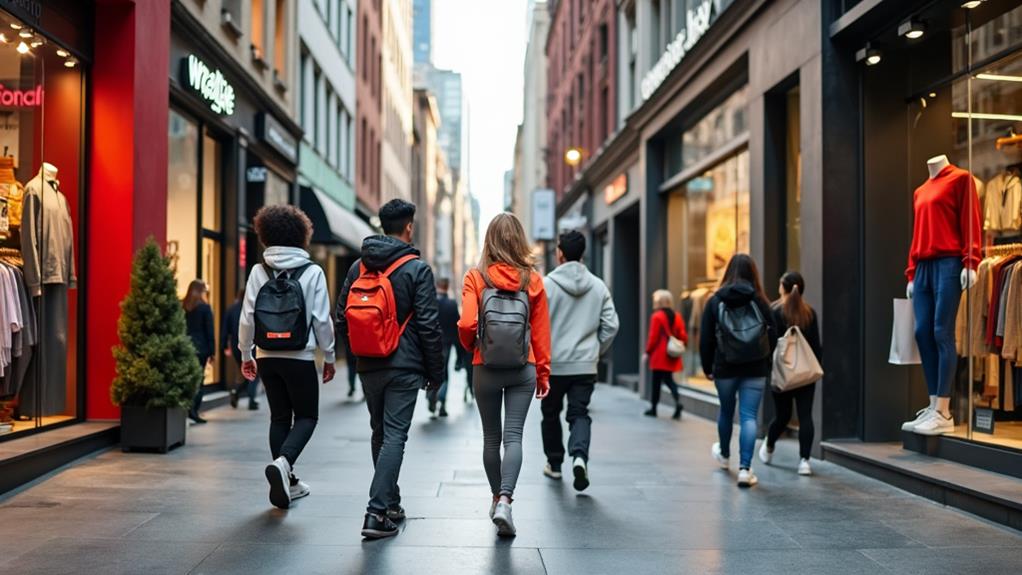
Consumer demand for athleisure has surged, particularly with the shift towards remote work, as people sought comfortable yet stylish clothing options. During the pandemic, U.S. sales of athleisure clothing increased by 84%, underscoring the priority consumers placed on comfort while working from home. The U.S. sports apparel market, valued at $105.1 billion in 2020, is projected to grow to $113.4 billion in 2021, reflecting the rising interest in athleisure wear.
In the U.K., sales of women's athleisure bottoms increased fivefold from April to December 2020, illustrating a significant shift towards comfortable attire. Men's athleisure clothing also saw a notable rise, with a 20% increase in sales compared to 2019. This trend demonstrates that the demand for athleisure is not limited to female consumers but is also gaining traction among men.
Brands like Target's All in Motion, which reached $1 billion in sales shortly after its launch, exemplify the strong market demand for versatile and stylish athleisure options.
Key Points:
- U.S. athleisure sales surged by 84%
- U.K. women's athleisure bottoms sales increased fivefold
- Men's athleisure sales rose 20% over 2019
- The U.S. sports apparel market grew significantly
- Target's All in Motion achieved $1 billion in sales
Future Predictions for Athleisure
Looking ahead, sustainable fabric innovations will lead the charge, making athleisure not just stylish but eco-friendly. Brands will increasingly adopt inclusivity, offering a wider range of sizes and designs to cater to all body types. High-end athleisure trends will also gain momentum as luxury brands introduce performance lines and collaborations, blending fashion with functionality.
Sustainable Fabric Innovations
Sustainable fabric innovations are poised to transform the athleisure industry, making eco-friendly options more accessible and attractive. Brands are now prioritizing sustainable materials like recycled polyester and organic cotton, significantly reducing environmental impact. These materials not only satisfy the demand for eco-friendly options but also align with the growing emphasis on ethical production methods.
Athleisure brands are integrating advanced technologies to ensure garments have moisture-wicking and odor-resistant properties while maintaining environmental considerations. This allows consumers to enjoy high-performance apparel without compromising sustainability.
Key trends to watch include:
- Recycled Polyester and Organic Cotton: These materials are becoming standard in eco-friendly athleisure collections.
- Ethical Production: Brands like Satva and Stretchery are leading the way, emphasizing sustainability in their manufacturing processes.
- Advanced Technologies: Innovations in moisture-wicking and odor-resistant properties using sustainable materials enhance both performance and environmental responsibility.
- Circular Fashion Initiatives: These initiatives promote recycling and the use of biodegradable materials, aiming to reduce waste and foster a more sustainable fashion cycle.
- Market Growth: The global sustainable athleisure market is projected to reach $117.4 billion by 2027, underscoring the shift toward environmentally conscious consumer choices.
Expansion of Inclusivity
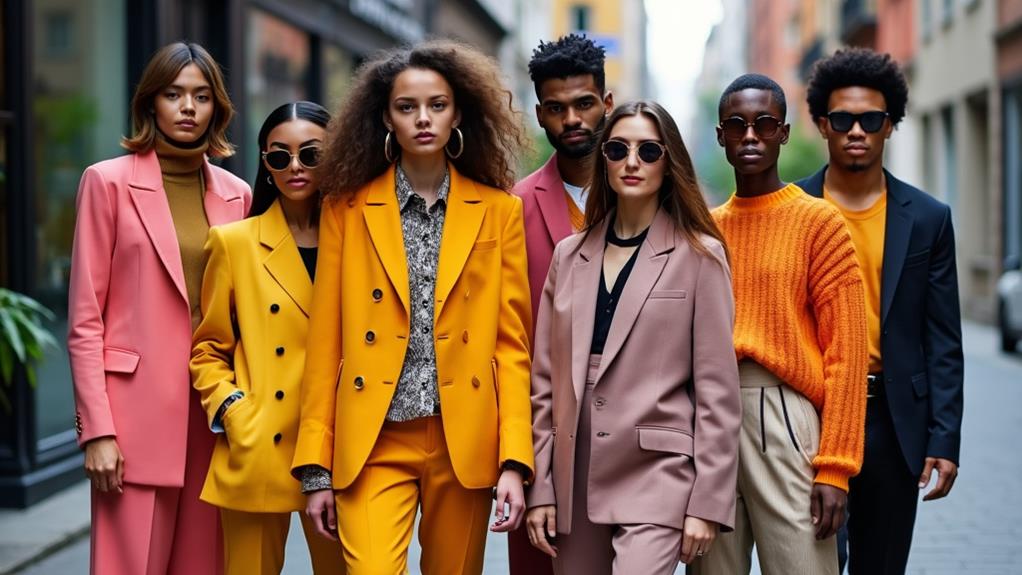
The landscape of athleisure is not only being reshaped by sustainable fabric innovations but also by a significant trend towards inclusivity. Many brands are now expanding their size ranges to accommodate a diverse array of body types, which broadens market reach and promotes body positivity. This alignment with contemporary values of acceptance and diversity enhances consumer engagement and brand loyalty.
Marketing strategies increasingly feature models of various sizes, emphasizing self-love and confidence. This shift in representation not only mirrors the real world but also deeply connects with consumers. Brands like Athleta are leading the charge by integrating inclusivity into their product offerings and marketing approaches. Their commitment to diverse body types and body positivity is evident in their campaigns and collections.
Research indicates that inclusive practices can significantly boost sales growth. As more consumers seek brands that reflect their values and cater to their needs, inclusive sizing and representation are becoming more prevalent. By prioritizing inclusivity, athleisure brands can expect increased consumer engagement and loyalty, driving future market success.
High-End Athleisure Trends
Elegance and functionality are converging in high-end athleisure, setting the stage for future fashion trends. Luxury brands are increasingly launching performance lines that seamlessly blend style and functionality, reflecting the evolving demands of modern consumers.
Innovations in fabric technology enhance comfort and performance, making athleisure suitable for various occasions, including professional settings and social events. With sustainability becoming a focal point, brands are adopting eco-friendly materials and practices to meet the growing demand for ethical fashion. This focus on sustainability is reshaping the market, emphasizing responsible luxury.
Athleisure is also redefining traditional fashion norms. Its acceptance in more formal contexts reflects changing societal values towards comfort and versatility. With the market projected to reach $117.4 billion by 2027, inclusivity and body positivity are becoming central themes, showcased through diverse sizing and representation in marketing campaigns.
- Luxury brands launching stylish performance lines
- Innovations in fabric technology for improved comfort
- Adoption of eco-friendly materials and practices
- Acceptance of athleisure in professional and social settings
- Emphasis on inclusivity and body positivity in marketing
In this dynamic landscape, high-end athleisure is more than a trend; it represents the future of fashion.