The Rise and Fall of Hoop Skirts in the 19th Century
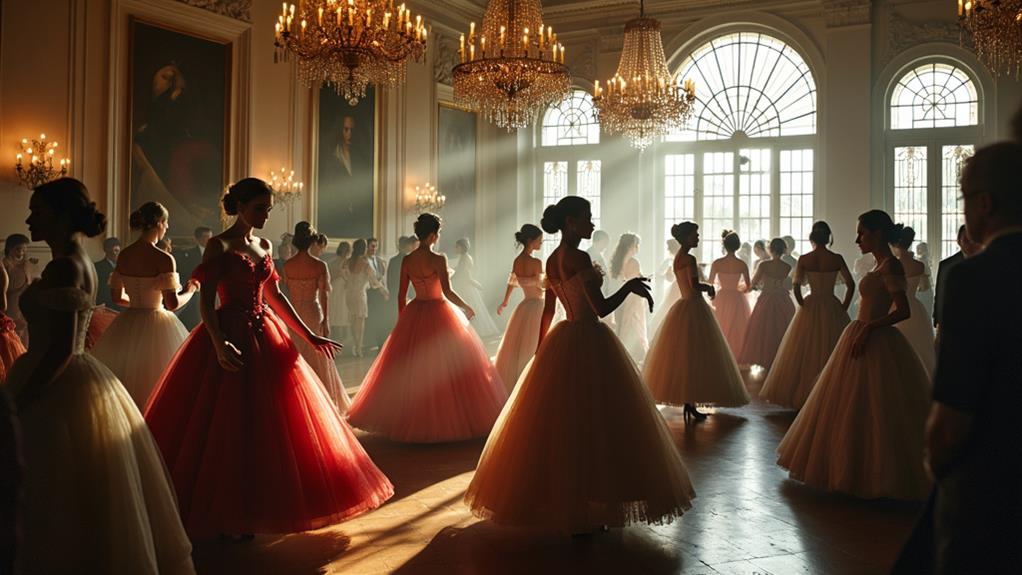
Imagine walking through the bustling streets of a 19th-century city, where the sight of women in voluminous hoop skirts is as ubiquitous as the cobblestones beneath your feet. These garments, initially exclusive to the elite, eventually became accessible to women of various social classes, thanks to innovations in materials like steel wire. However, despite their grandeur, practicality and evolving societal norms contributed to their decline. What led to the shift from these elaborate designs to simpler, more functional styles? The answers lie at the fascinating intersection of fashion, technology, and social change.
Origins and Early Evolution
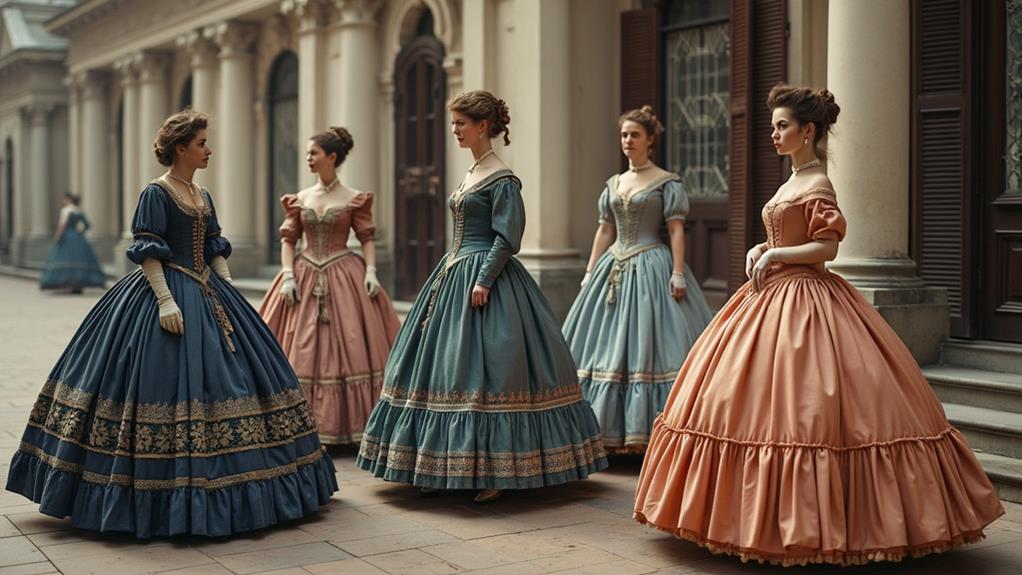
Hoop skirts, often associated with Victorian fashion, actually originated in the sixteenth century with farthingales. These early designs utilized materials like reeds and whale bone to create an exaggerated hip silhouette, shaping the voluminous skirts that were popular among the aristocracy.
In the 18th century, panniers emerged, offering more structured forms that emphasized side volume. This innovation transformed how women carried themselves and interacted with their surroundings, solidifying panniers as a staple of high society fashion and influencing the evolution of hoop skirts.
The early 19th century Victorian period introduced crinolines, constructed from stiff fabrics and horsehair. Crinolines allowed for larger skirts and greater mobility compared to the cumbersome designs of previous eras, marking a significant advancement in hoop skirt design.
The mid-19th century brought about another innovation with the use of steel wire, creating lightweight and collapsible hoop skirts. These were easier to wear and store, making them more accessible to a broader audience and setting the stage for their peak popularity in the late 1850s.
Peak Production and Popularity
During the peak production and popularity of hoop skirts in the late 1850s, companies produced nearly 60,000 yards of steel wire daily to meet the high demand. Major manufacturers created up to 4,000 crinoline cages each day, making these fashionable items accessible to women across various social classes. Styles like the Imperial Skirt and Balmoral Skirt became household names due to their increased durability and widespread appeal.
Mass Production Surge
During the late 1850s, the fashion industry experienced a significant surge in the mass production of hoop skirts. This trend transcended social classes, making the voluminous garments widely accessible. To meet the burgeoning demand, factories produced nearly 60,000 yards of steel wire daily, reflecting the widespread appeal of hoop skirts.
Factories employed hundreds to thousands of workers, producing up to 4,000 crinoline cages each day. This mass production allowed women from various economic backgrounds to don hoop skirts, democratizing a style formerly reserved for the elite. Innovative designs such as the Imperial Skirt and the Balmoral Skirt further boosted their popularity. The Woven Extension Skirt, known for its durability, catered to the practical needs of everyday wear.
This surge in production marked a pivotal shift in women's fashion, making elaborate styles attainable for many. Hoop skirts became a staple in women's wardrobes, symbolizing both elegance and modernity. The mass production of hoop skirts reflected technological advancements and evolving social norms, making them not just a fashion statement but also a symbol of the era's progress.
Varied Skirt Styles
The late 1850s witnessed a surge in the mass production of hoop skirts, bringing a variety of styles to the forefront of fashion. Manufacturers produced nearly 60,000 yards of steel wire daily to meet the booming demand for crinolines. Popular styles like the Imperial Skirt, Balmoral Skirt, and Woven Extension Skirt became household names, celebrated for their durability and comfort.
In 1856, R.C. Milliet's introduction of the cage crinoline revolutionized women's fashion. This innovation allowed women to replace multiple petticoats with a single, structured hoop skirt, offering both practicality and the desired volume. Companies produced up to 4,000 crinoline cages daily, providing greater freedom of movement and significantly impacting women's wardrobes.
Accessibility Across Classes
At its peak in the late 1850s, hoop skirt production reached unprecedented levels, with manufacturers producing nearly 60,000 yards of steel wire daily to meet the soaring demand. This massive production effort ensured that hoop skirts, or crinolines, became accessible to women across all social classes. Major companies employed hundreds, sometimes thousands, of workers, producing up to 4,000 crinoline cages each day. This large-scale manufacturing underscored the widespread popularity and accessibility of hoop skirts.
The introduction of diverse styles, such as the Imperial Skirt and the Balmoral Skirt, significantly contributed to making hoop skirts affordable for women from different economic backgrounds. Angela Bloomer's advocacy for lightweight and maneuverable hoop skirts enabled working-class women and servants to adopt styles once exclusive to the upper class. This shift reflected changing social dynamics and democratized fashion.
The mass production of hoop skirts transformed traditional notions of wealth and status in society. Women no longer had to be affluent to wear these elaborate designs, as the fashion became attainable for a broader audience. This accessibility changed women's fashion, making intricate styles a common sight across diverse social strata.
Social Class and Accessibility
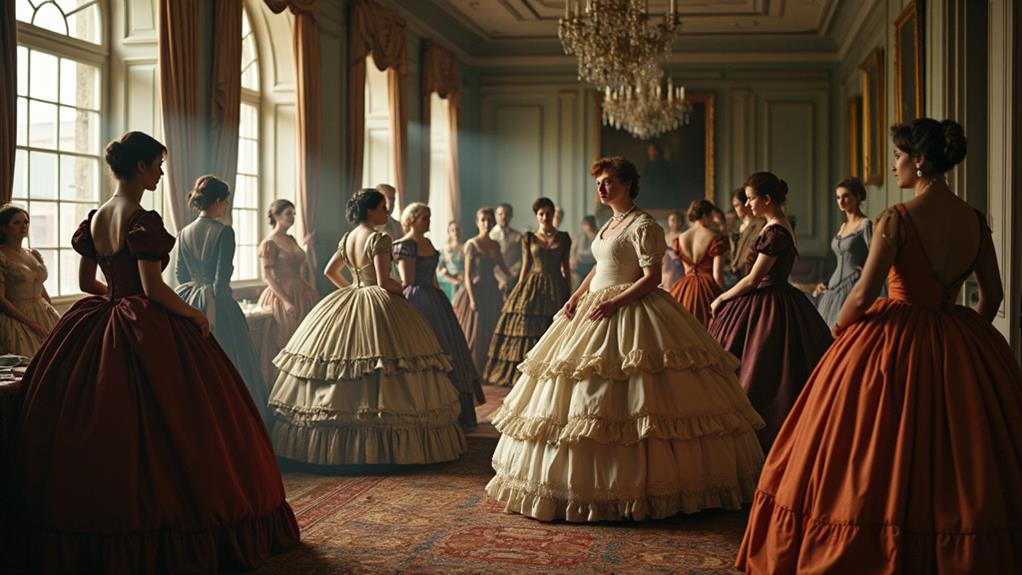
By the mid-19th century, the mass production of hoop skirts revolutionized women's fashion across social classes. Companies produced up to 4,000 crinoline cages daily, making hoop skirts accessible to a wide range of women. This democratization of fashion allowed working-class women, including servants, to emulate upper-class styles. Advocates like Angela Bloomer promoted lightweight versions that enhanced mobility.
The introduction of the crinoline mirrored societal norms and marked a shift in women's visibility. Hoop skirts became popular, symbolizing newfound independence for women across various economic levels. This transformation was about more than fashion; it was about social mobility. For example, newly freed black women used hoop skirts as symbols of rebellion and equality during the antebellum period, highlighting their significance beyond mere aesthetics.
The high demand for hoop skirts required nearly 60,000 yards of steel wire daily, underscoring the garment's role as a fashionable item that transcended class boundaries. By wearing hoop skirts, women from diverse backgrounds could assert their place in society, making it a powerful tool for social change.
Cultural Significance
Hoop skirts didn't just change fashion; they reshaped cultural narratives around femininity and societal roles. These voluminous garments became symbols of Victorian-era femininity, embodying societal expectations of beauty and propriety. Wearing a hoop skirt was more than following a trend; it was participating in a cultural phenomenon that reflected class distinctions and societal values.
The mass production of hoop skirts made them more accessible, allowing women from diverse socioeconomic backgrounds to emulate upper-class fashion. This accessibility blurred the lines between classes, making the hoop skirt a commonplace garment rather than a luxury item. However, crinolines were often criticized for their impracticality, sparking debates about women's mobility and autonomy.
| Aspect | Cultural Significance |
|---|---|
| Femininity | Embodied societal expectations of beauty |
| Socioeconomic Impact | Blurred class distinctions |
| Practicality Debate | Criticized for restricting mobility |
| Gender Roles | Prompted discussions on women's independence |
These debates extended beyond fashion, touching on the evolving role of women in public spaces. Hoop skirts played a significant role in shaping contemporary notions of gender and social behavior. By the late 19th century, their decline signaled a shift toward simpler, more practical fashion, reflecting changing social norms and the broader movement toward women's independence.
Design Changes and Practicality
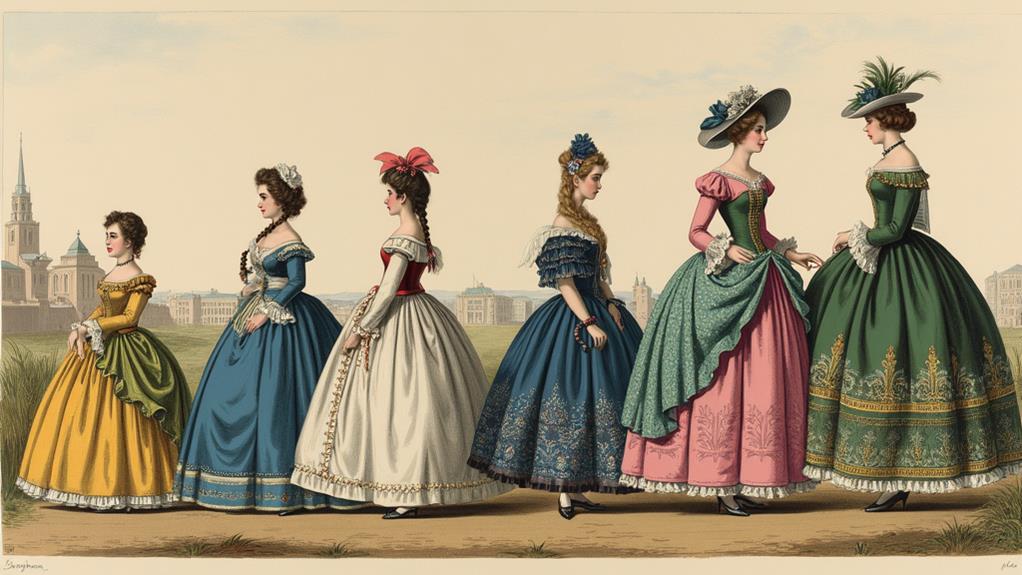
The evolution of hoop skirts from cumbersome layers of petticoats to the innovative cage crinoline significantly improved both comfort and practicality. Initially constructed from cane and whale bones, hoop skirts transitioned to steel wire by the mid-19th century. This shift enhanced durability and elasticity, transforming women's fashion.
The introduction of the cage crinoline by R.C. Milliet in 1856 was a pivotal moment. Instead of wearing multiple petticoats, women could now rely on a single crinoline, improving both comfort and hygiene. This innovation reduced the weight and bulk of traditional skirts.
By the mid-1860s, hoop skirt designs had further evolved to include rear trains or bustles, enhancing everyday wear's comfort and practicality. Popular designs like the Bon-Ton Skirt featured a circumference of nearly 85 inches, reducing the risk of tripping and ensuring ease of movement.
Advancements in fabric technology also played a role. Lightweight materials made hoop skirts more comfortable and easier to clean. These design changes ensured that the hoop skirt remained a staple in 19th-century fashion.
Modern Interpretations
In today's fashion landscape, modern interpretations of hoop skirts primarily appear in bridal attire. Crinolines with exaggerated shapes made from lightweight materials like tulle and horsehair enhance the silhouette without sacrificing comfort. Unlike the restrictive designs of the Victorian period, contemporary versions prioritize practicality, using advanced fabric technology to create voluminous skirts that are both wearable and visually stunning.
A-line bridal gowns often incorporate petticoats or crinolines, blending historical influence with contemporary design preferences to ensure both visual appeal and ease of movement. Brands like Recollections offer authentic caged hoop skirts with traditional boning, catering to those who appreciate an accurate historical experience while appealing to modern fashion sensibilities.
Fashion is cyclical, and hoop skirts resurface in diverse forms, reflecting a nostalgia for the Victorian period and its cultural significance tied to femininity and traditional beauty ideals. These modern interpretations allow you to embrace the past while enjoying the benefits of comfort and practicality, bridging the gap between historical aesthetics and contemporary needs.