
The Return of the Vintage: Thrift Shopping as a Trend
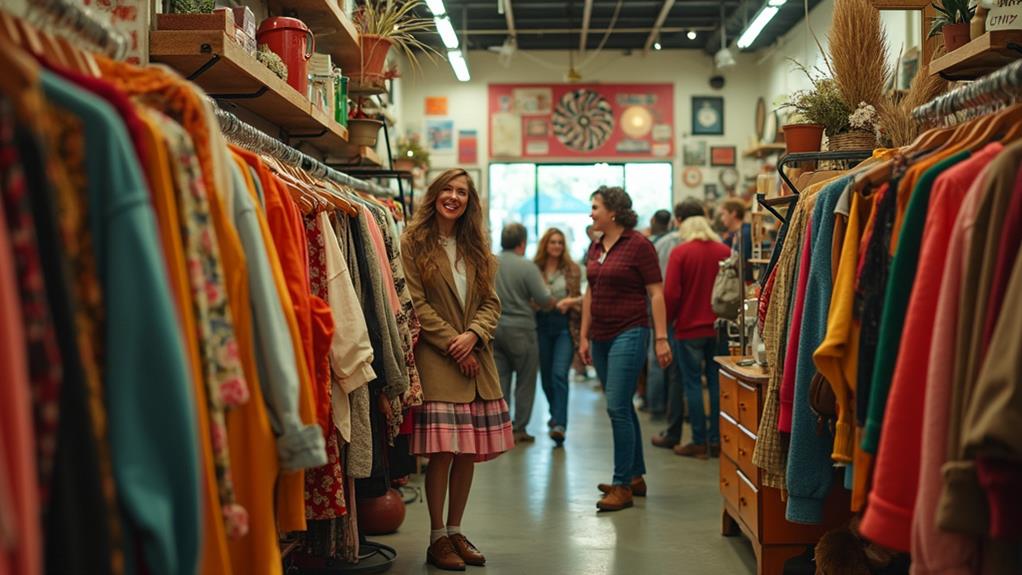
Thrift shopping has seen a surge in popularity, particularly among younger generations. This trend goes beyond the search for unique vintage items; it serves as a counter-movement to the environmental detriments of fast fashion. Social media platforms like TikTok have transformed thrifting into a cultural phenomenon, promoting secondhand stores as both stylish and sustainable alternatives. What fuels this shift, and how is it influencing the fashion industry? The answers may offer surprising and profound insights into contemporary consumer behavior.
Thrifting Industry Growth
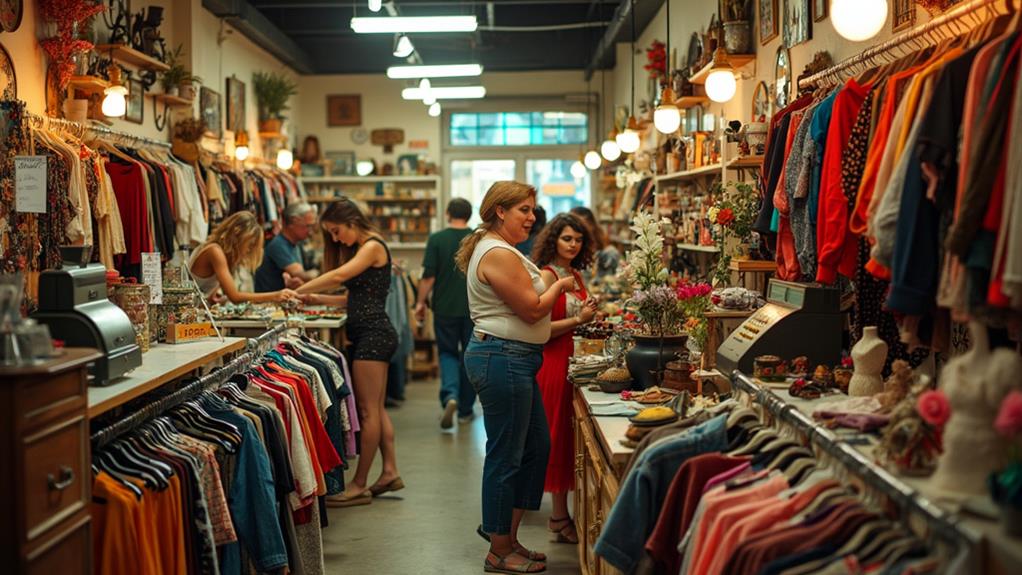
Over the past decade, the thrifting industry has rapidly grown into a $28 billion market, reflecting a significant cultural shift towards secondhand shopping. This boom signals a major transformation in the fashion industry, where consumer habits are evolving. Thrift stores and online resale platforms are becoming increasingly popular, particularly among younger demographics. Generation Z, known for their eco-conscious mindset, makes up over 40% of global secondhand consumers, driving this market's expansion.
The appeal of thrifting lies in its sustainability. By choosing secondhand shopping, consumers save money, reduce waste, and lessen the demand for fast fashion. The market is projected to reach $82 billion by 2026, potentially surpassing fast fashion as the preferred shopping method by 2029.
Social media has played a significant role in normalizing thrifted finds, making vintage pieces trendy and desirable. Influencers frequently showcase their unique, thrifted outfits, further promoting this cultural shift. This change in consumer behavior highlights a broader move towards sustainability and individuality over mass-produced fashion.
Influence of Generation Z
The rapid growth of the thrifting industry owes much to the influence of Generation Z. With over 40% of global consumers in the secondhand market belonging to this demographic, it's evident that Gen Z's consumer habits are reshaping the fashion landscape. Their preference for thrift shopping is driven by a strong commitment to sustainability and eco-conscious choices.
Online resale platforms like Depop highlight Gen Z's leading role in this trend. Approximately 90% of Depop's users are under 26, showcasing their affinity for unique vintage finds and secondhand fashion. This trend is also visible on social media platforms, where hashtags like #ThriftTok on TikTok have amassed an impressive 1.6 billion views.
Gen Z's impact on the market is further evidenced by Etsy's $1.6 billion acquisition of Depop, underscoring the growing interest in thrifting trends. For Gen Z, shopping secondhand is more than just a fashion statement; it's a lifestyle choice that aligns with their values of sustainability and individuality. By embracing thrift shopping, they are not only influencing fashion but also promoting a more sustainable way to shop.
Social Media's Role
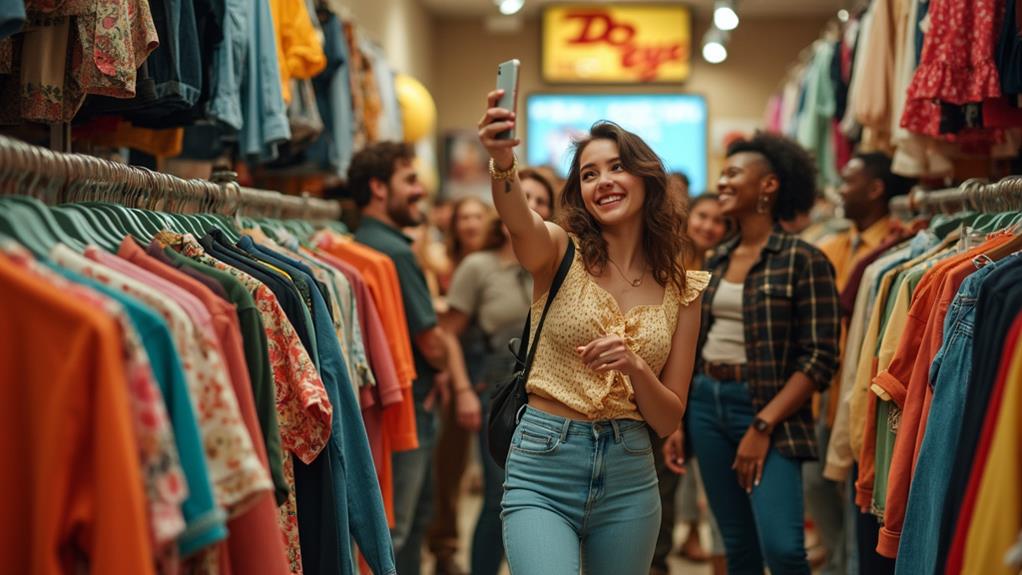
Social media platforms have been instrumental in transforming thrift shopping into a mainstream trend. Influencers on Instagram, TikTok, and YouTube showcase thrift hauls, making secondhand clothing appealing to younger demographics. The hashtag #ThriftTok has garnered 1.6 billion views, creating a subculture around the thrifting trend. Visual platforms amplify the excitement of thrifting by allowing users to share their unique finds, fostering a sense of community among enthusiasts.
| Platform | Key Feature | Impact on Thrifting | Popular Hashtags |
|---|---|---|---|
| Visual Posts | Showcases unique finds | #ThriftFashion | |
| TikTok | Short Videos | Popularizes thrift hauls | #ThriftTok |
| YouTube | Video Content | Influencer thrift hauls | #SecondhandStyle |
| Depop | Online Resale | Facilitates sales of thrifted items | #DepopShop |
Social media has significantly influenced consumer habits by making secondhand clothing trendy and desirable. The acquisition of Depop by Etsy for $1.6 billion highlights the growing influence of social media in driving demand for online resale marketplaces. These platforms not only emphasize the sustainability aspect but also transform the perception of thrift shopping from stigmatized to fashionable. As users scroll through these visual platforms, they are not just seeing clothes; they are witnessing a shift in consumer values towards sustainability and individuality.
Sustainability Concerns
As social media platforms continue to promote thrift shopping, it's crucial to recognize the significant sustainability benefits this trend offers. Fast fashion has led to severe environmental issues, including water pollution and an astonishing 92 million tons of waste annually. By embracing thrifting, you can make a positive impact on sustainability. Thrifting encourages eco-conscious shopping habits by promoting the use of secondhand fashion instead of new, fast-fashion items.
The average American discards 82 pounds of clothing each year. This alarming figure underscores the necessity of shifting consumer habits towards more sustainable options. By choosing used clothing, you help reduce landfill waste and lessen the environmental footprint associated with new clothing production.
Moreover, a survey shows that 50% of global consumers are now more environmentally conscious, driving the demand for secondhand clothing. This shift highlights the growing awareness of fast fashion's negative impacts on both labor conditions and overall wastefulness.
Social media discussions on sustainability have reinforced the necessity of ethical shopping choices. Younger consumers are increasingly prioritizing thrifting as a more responsible alternative to traditional retail. So, next time you're shopping, consider thrifting and make a choice that's both stylish and sustainable.
Cultural Shifts in Fashion
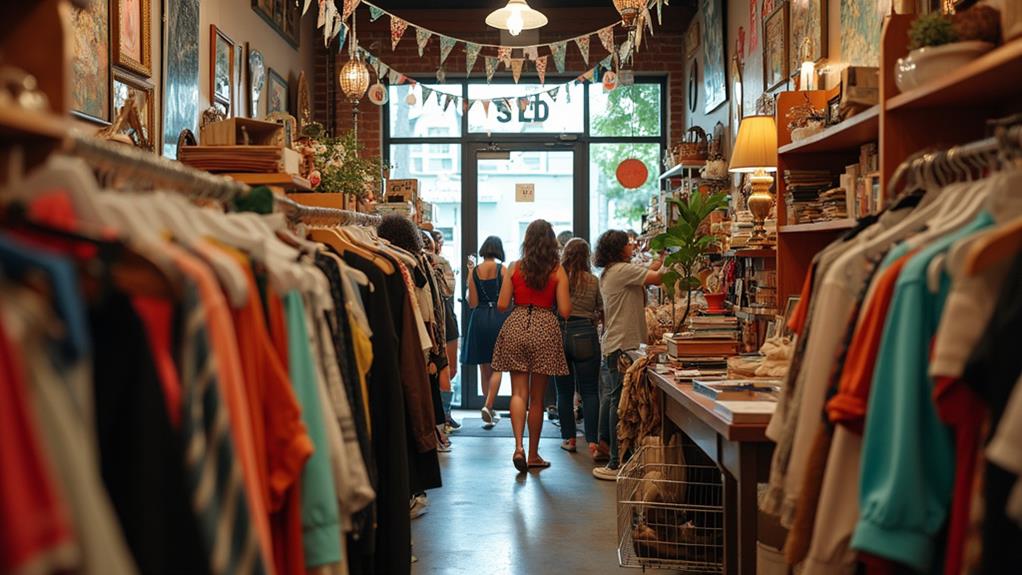
In recent years, thrifting has evolved from a niche activity to a mainstream phenomenon, captivating fashion-forward consumers. This cultural shift is primarily driven by Generation Z, who constitute over 40% of the global secondhand clothing market. Their quest for individuality and unique vintage styles has reshaped consumer habits, establishing thrift shops as the preferred destination for sustainable and distinctive fashion.
Social media platforms like TikTok and Instagram have been instrumental in this transformation. The hashtag #ThriftTok, for instance, has garnered 1.6 billion views, normalizing thrifting and portraying it as trendy and desirable. This shift has eroded the stigma traditionally attached to secondhand clothing, fostering a community that celebrates creativity and personal expression.
The cyclical nature of fashion has also reignited an appreciation for vintage items. Consumers aim to differentiate their style from previous generations while adhering to sustainable shopping practices. This cultural acceptance of thrifted clothing has significantly altered the fashion landscape.
| Platform | Role in Thrifting Trend | Impact |
|---|---|---|
| TikTok | Normalizes thrifting | 1.6 billion views |
| Showcases unique finds | Trendy and desirable | |
| Thrift Shops | Source of unique fashion | Creative expression |