The Reemergence of 1970s Fashion in the 2000s

Imagine opening your closet to a mix of bell-bottoms, platform shoes, and high-waisted jeans. In the 2000s, 1970s fashion trends made a notable comeback, merging vintage charm with contemporary twists. You might wonder what fueled this nostalgic revival and how it resonated with a new generation. From bohemian styles to disco-inspired dresses, the combination of bold colors and ethnic patterns offered something distinctive. But what made these styles so appealing again after three decades? Let's explore the factors behind this fashion resurgence.
Bell-Bottoms and Flares
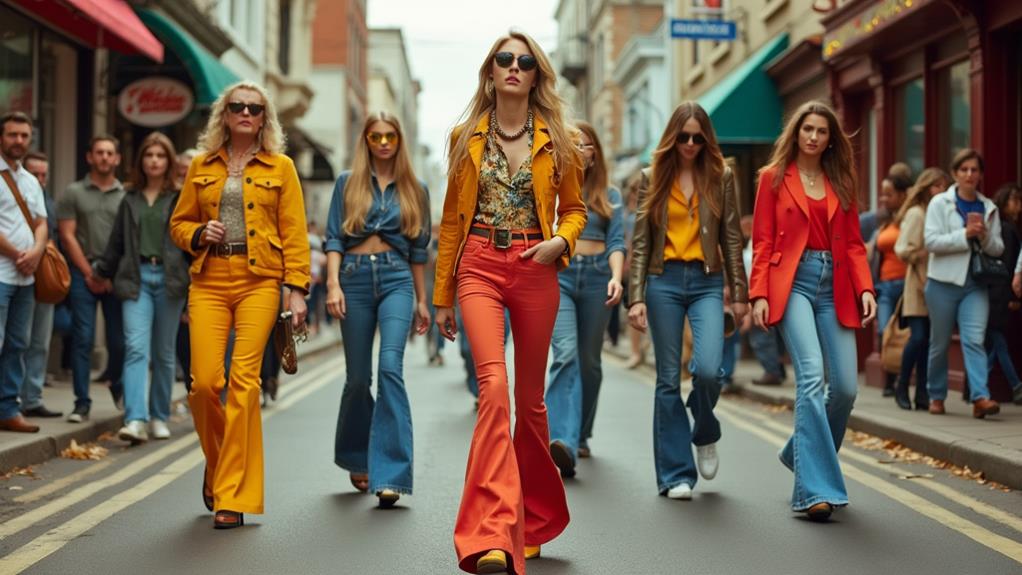
Bell-bottoms and flares, known for their distinctive flared leg openings, first gained popularity in the 1970s and have experienced a resurgence in the 2000s. This revival is part of the broader Y2K fashion trend, which embraces bold, expressive styles from past decades.
Modern versions of bell-bottoms blend vintage aesthetics with contemporary materials and cuts. Brands like Gucci have reimagined these classic flares with updated fabrics and innovative designs. The flared silhouette offers a refreshing alternative to the skinny jeans that dominated the early 2000s, providing versatility for both casual and formal occasions.
Celebrity endorsements and pop culture significantly influence this comeback. When stars wear bell-bottoms at red carpet events or in everyday streetwear, consumer interest is reignited. Seeing favorite celebrities in these flares can be inspiring, making bell-bottoms a staple in many fashion collections. This reflects a nostalgic yet modern twist on a beloved retro style.
Platform Shoes
You can't discuss 1970s fashion without highlighting platform shoes, an iconic footwear choice that resurged in the 2000s. Modern iterations, ranging from chunky sandals to platform sneakers, blend nostalgic elements with contemporary designs. Brands like Miu Miu and Marc Jacobs have featured them on the runway, demonstrating how past trends continue to influence today's fashion.
Iconic 1970s Footwear
In the realm of iconic 1970s footwear, platform shoes undeniably stand out, both for their raised soles and their strong connection to disco culture. These shoes were a staple in 1970s fashion, transforming self-expression on the dance floor. Crafted from materials like suede, leather, and synthetic fabrics, platform shoes often featured bold colors and patterns, capturing the lively spirit of the era.
David Bowie, a key figure in glam rock, frequently sported platform shoes, solidifying their place in pop culture. His flamboyant style, combined with the height added by these shoes, created a larger-than-life stage presence that remains iconic. Similarly, bands like ABBA embraced platform shoes, further embedding them in the fabric of 1970s fashion.
The allure of platform shoes endures; their nostalgic appeal continues to captivate fashion enthusiasts. The raised soles not only provide height but also ensure stability and comfort, making them a practical yet stylish choice. By blending retro designs with contemporary aesthetics, platform shoes maintain their relevance, allowing you to channel the bold, expressive spirit of the 1970s in your own wardrobe.
Modern Platform Styles
Modern platform styles have made a striking comeback, echoing the 1970s with their elevated soles and bold designs. Brands like Miu Miu and Coperni have reimagined these shoes, blending retro aesthetics with contemporary materials and styles. This revival is not just a nod to the past but a versatile fashion choice that complements both casual and formal outfits.
Celebrities and influencers have been pivotal in popularizing these nostalgic styles, showcasing them on social media and driving consumer interest. The broader "balletcore" trend emphasizes comfort and vintage-inspired footwear, making platform shoes a staple in many wardrobes today.
Here's a quick comparison of modern platform styles to their 1970s counterparts:
| Feature | 1970s Fashion | Modern Platform Styles |
|---|---|---|
| Materials | Leather, suede | Modern synthetics, innovative fabrics |
| Design | Bold, colorful | Sleek, ranging from minimal to ornate |
| Popularity Drivers | Disco culture | Social media, celebrity endorsements |
| Versatility | Mostly casual and party wear | Casual, formal, and everything in-between |
Whether you're drawn by the retro aesthetics or the contemporary versions, modern platform styles offer a nostalgic yet fresh addition to your fashion repertoire.
Nostalgic Fashion Trends
Certain fashion trends never truly fade; they merely wait for the right moment to resurface. Platform shoes, initially popular in the 1970s, made a notable comeback in the 2000s. This revival saw both high fashion and streetwear brands enthusiastically adopting the style. The resurgence wasn't just a simple homage to the past; it featured exaggerated heights and bold designs that merged retro aesthetics with contemporary materials.
Leading brands like Miu Miu and Coperni spearheaded this nostalgic wave, showcasing platform shoes on runways and captivating a younger audience. These designs resonated with those yearning for the vibrant and expressive fashion of the 1970s. The popularity of platform shoes in the 2000s was part of a wider revival of 70s fashion, reflecting a cultural nostalgia for that era's unique style.
Platforms became essential in both casual and party outfits, offering comfort and a dramatic silhouette. Their resurgence aligned perfectly with the Y2K fashion movement, ensuring that the bold and nostalgic essence of the 1970s was felt once more in the 2000s.
Bohemian Styles
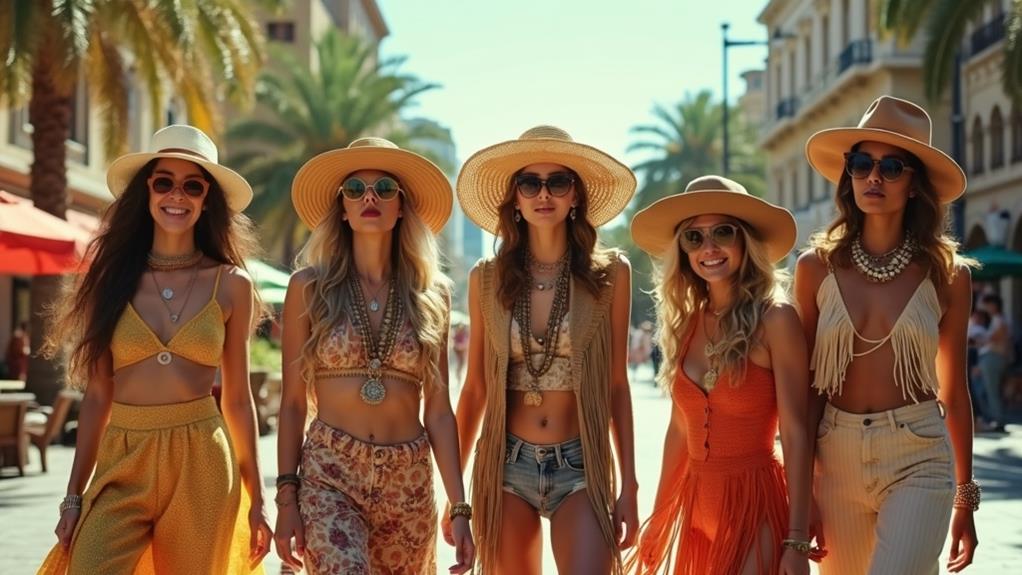
The allure of Bohemian styles lies in their effortless blend of comfort and individuality, harking back to the free-spirited vibe of the 1970s. This aesthetic saw a resurgence in the 2000s, with flowing maxi dresses and earthy tones becoming wardrobe staples. Vintage-inspired pieces added a nostalgic charm, accessible through both high fashion and retail brands like Free People and Anthropologie.
Bohemian styles thrived on natural fabrics and ethnic prints, making them perfect for those who value comfort without sacrificing style. Layered accessories, such as chunky necklaces and bangles, added to the eclectic, personalized feel of the look. Influential figures like Sienna Miller and the Olsen twins popularized boho-chic, seamlessly blending old with new.
Festivals like Coachella played a crucial role in embedding bohemian styles into contemporary culture. These events became the ultimate runway for showcasing laid-back, yet fashionable, boho attire. Whether attending a music festival or expressing individuality, the 2000s revival of 1970s Bohemian styles offered a perfect blend of comfort, nostalgia, and modernity.
Disco-Inspired Dresses
Disco-inspired dresses brought a burst of liveliness and glamour back into the fashion scene, echoing the vivacious styles of the 1970s. Featuring bold colors, sequins, and flowing silhouettes, these dresses saw a significant resurgence in the 2000s, appealing to a new generation of fashion enthusiasts. Designers like Gucci and Halston Heritage embraced retro aesthetics, reintroducing iconic wrap and maxi dresses that encapsulated the glitz of the disco era.
The revival of disco-inspired dresses was driven by nostalgia and a cultural renaissance of 1970s themes in music and entertainment. Popular TV shows and films highlighted characters in vintage-inspired outfits, making these styles even more appealing. Key elements of disco dresses included off-the-shoulder designs, metallic fabrics, and playful patterns. These features became staples in modern party wear and evening attire, ensuring you stand out at any event.
Influential celebrities and fashion icons of the 2000s, such as Beyoncé and Paris Hilton, frequently wore disco-inspired dresses, cementing their status as a trendy style. By adopting these retro aesthetics, you can effortlessly channel the glamour and excitement of the disco era.
High-Waisted Jeans
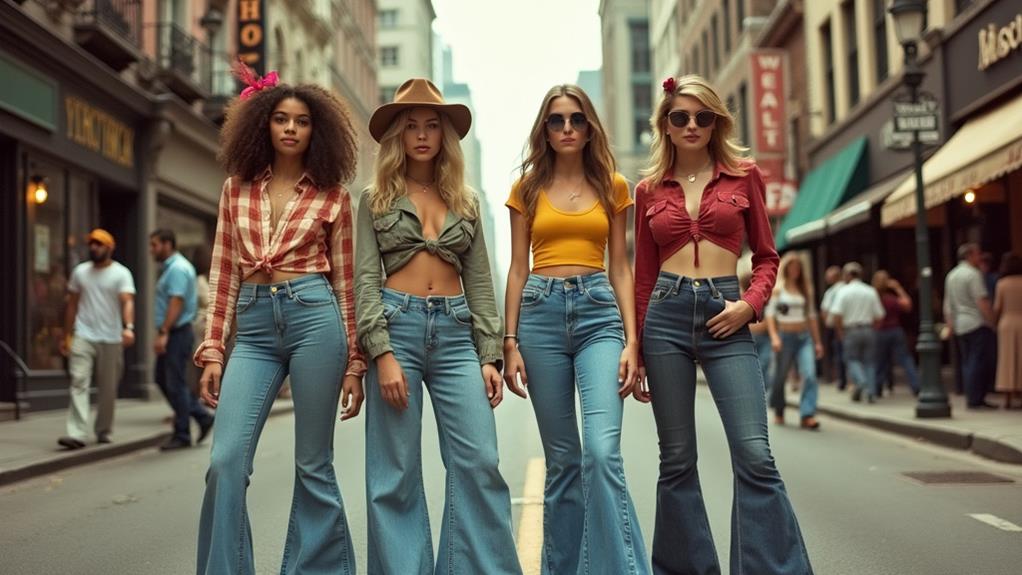
High-waisted jeans offer unparalleled versatility and style. Originally popular in the 1970s, they experienced a resurgence in the 2000s and remain a wardrobe staple today. Leading brands like Levi's and Topshop have updated these jeans, combining vintage appeal with contemporary designs to fit modern fashion trends. Social media influencers frequently showcase diverse ways to wear high-waisted jeans, cementing their status as an essential piece in any closet.
Versatility and Style
Ever wondered why high-waisted jeans have made such a remarkable comeback? It's all about versatility and style. High-waisted jeans, originally gaining popularity in the 1970s, have re-entered our wardrobes, bringing with them a sense of nostalgia. Fashion designers have cleverly reintroduced these jeans, combining comfort with timeless appeal.
You can pair high-waisted jeans with virtually anything, making them a staple for both casual and formal settings. Imagine this: a chic crop top for a laid-back weekend look, or an oversized sweater for a cozy yet stylish outfit. Need to dress it up? Throw on a blazer, and you're ready for a meeting or a night out. This adaptability is why they've become a favorite among fashion enthusiasts.
Brands like Levi's and Reformation have embraced these high-waisted silhouettes, using modern materials and cuts to suit contemporary tastes. As of 2023, high-waisted jeans continue to dominate fashion searches, proving their enduring appeal. They offer a unique blend of comfort and style, making them a go-to choice for anyone looking to stay fashionable while feeling great.
Modern Interpretations Emerge
High-waisted jeans have resurged in the fashion scene, embodying modern twists on vintage styles. These jeans, reminiscent of the 1970s, have become a staple in contemporary wardrobes, reflecting a broader trend towards retro-inspired fashion. Brands like Levi's and Topshop have embraced high-waisted fits, offering a variety of cuts from flared to straight-leg designs to meet diverse consumer preferences.
Millennials and Gen Z are particularly captivated by high-waisted jeans, often influenced by social media influencers and celebrities who showcase these styles online. This digital exposure has significantly boosted the desirability and popularity of high-waisted jeans among younger generations. Their presence is ubiquitous, from fashion blogs to Instagram feeds, highlighting their versatility and appeal.
These jeans not only provide a flattering fit for various body types but also enhance comfort, making them a preferred choice for many. The high-waisted silhouette seamlessly combines practicality with style, allowing for effortlessly chic looks. Whether you're aiming for a casual daytime outfit or a polished evening ensemble, high-waisted jeans are a timeless addition to your wardrobe, bridging the past with the present.
Ethnic Patterns
In the 1970s, ethnic patterns emerged prominently in the fashion scene, driven by the hippie movement's embrace of cultural diversity and self-expression. These patterns, featuring batik, paisley, and tie-dye prints, were often showcased in flowing garments like maxi dresses, skirts, and peasant blouses. Designers integrated traditional textile techniques from various cultures, resulting in a fusion of styles that celebrated global artistry in everyday fashion.
Bold Colors
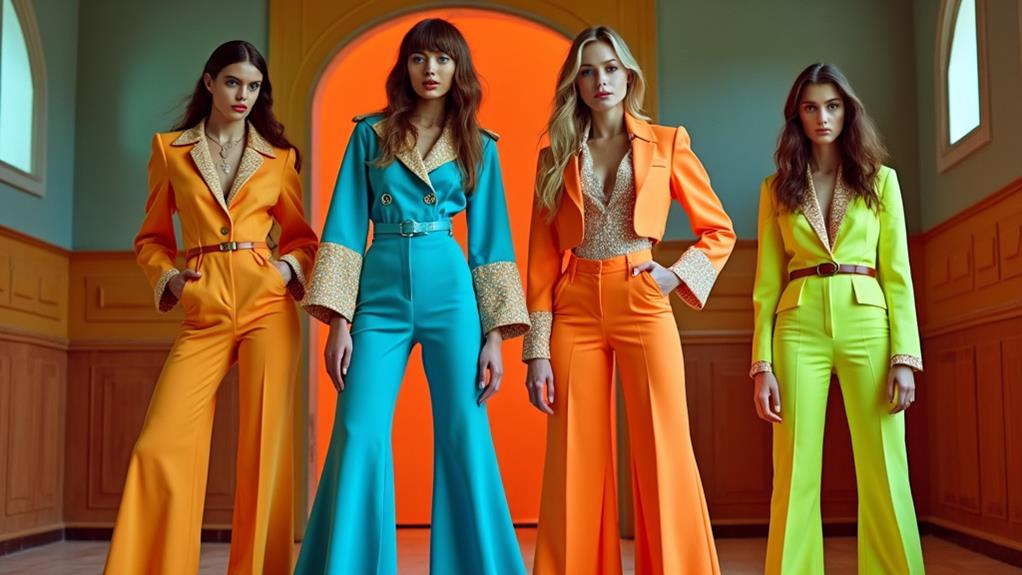
The 1970s were renowned for their fashion innovations, particularly the use of bold colors. Vibrant hues like orange, yellow, and fuchsia defined the decade, making a statement in every outfit. Iconic patterns such as paisley, floral, and geometric prints often featured these vivid color combinations, reflecting the era's energetic and rebellious spirit.
Fashion designers like Halston and Yves Saint Laurent became synonymous with 1970s glamour, using bold colors to define their collections. These bright hues weren't just about making a visual impact; they were expressions of individuality and the exuberant nightlife culture of the time.
In the 2000s, these bold color trends saw a resurgence, influencing contemporary styles and streetwear. Modern designers continue to draw inspiration from the 1970s, creating collections that celebrate the playful and expressive use of color reminiscent of that era.
| 1970s Fashion | Modern Interpretations |
|---|---|
| Orange | Neon Orange |
| Yellow | Bright Yellow |
| Fuchsia | Hot Pink |
| Paisley Prints | Abstract Patterns |
Jumpsuits
Jumpsuits gained widespread popularity in the 1970s, becoming versatile fashion staples that could seamlessly transition from casual daywear to elegant evening attire. Available in vibrant prints and luxurious fabrics, they became a favorite for fashion-forward women. Designers like Diane von Furstenberg and Halston were instrumental in establishing jumpsuits as iconic elements of 1970s fashion.
Fast forward to the 2000s, and jumpsuits experienced a revival driven by a renewed interest in retro styles and a demand for practical yet stylish clothing. Modern jumpsuits often feature streamlined silhouettes and contemporary materials, offering a fresh interpretation of a classic look. They have become wardrobe essentials for both day and night, maintaining the versatility that made them popular decades ago.
This resurgence also reflects the 1970s ethos of empowerment and liberation. As women sought functional yet fashionable options, jumpsuits symbolized this shift. Today's versions continue to honor that legacy, blending the best of past and present fashion.
Wrap Dresses
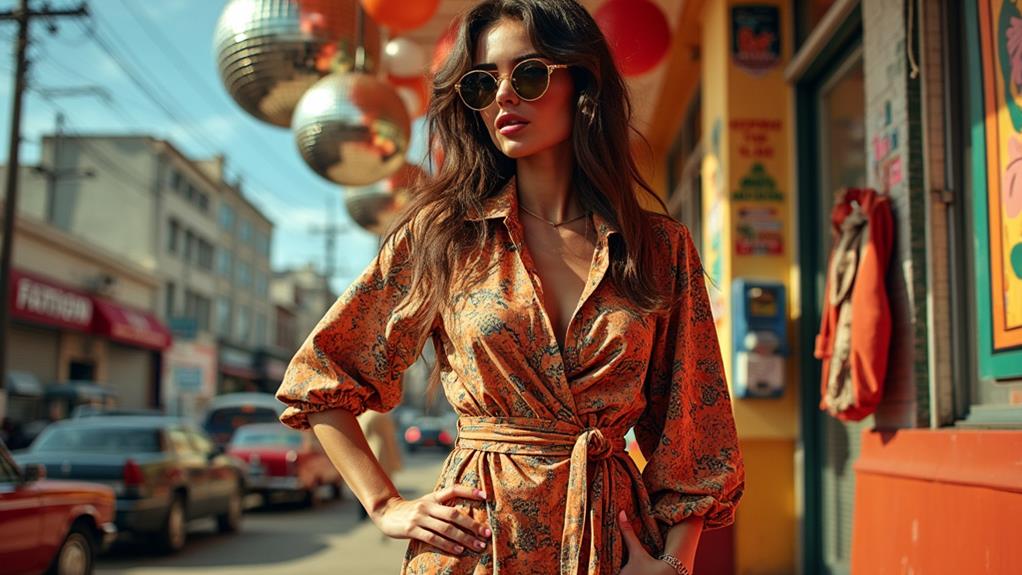
As jumpsuits redefined women's fashion in the 1970s, another iconic garment emerged to offer both style and practicality: the wrap dress. Designed by Diane von Fürstenberg in 1974, the wrap dress quickly became a revolutionary fashion staple. Celebrated for its versatility, it could flatter diverse body types with ease. Its signature tie closure at the waist accentuated the silhouette, providing an adjustable fit that was both comfortable and feminine.
In the 2000s, the wrap dress experienced a significant resurgence. Celebrities and fashion influencers adopted this timeless piece, showcasing it in different prints and fabrics. It became a go-to choice for both casual and formal occasions. Modern interpretations featured:
- Bold colors
- Lively patterns
- Lightweight fabrics
- Versatile styling options
- Adjustable fits
These designs aligned perfectly with the period's trend towards expressive and dynamic fashion. The resurgence of the wrap dress in the 2000s wasn't just about nostalgia; it reflected a broader revival of 1970s fashion emphasizing comfort and femininity. As you examine your wardrobe, you'll find that a wrap dress remains a versatile and timeless enhancement, embodying both past and present fashion sensibilities.