The Popularity of Punk Fashion in the 1970s and 1980s
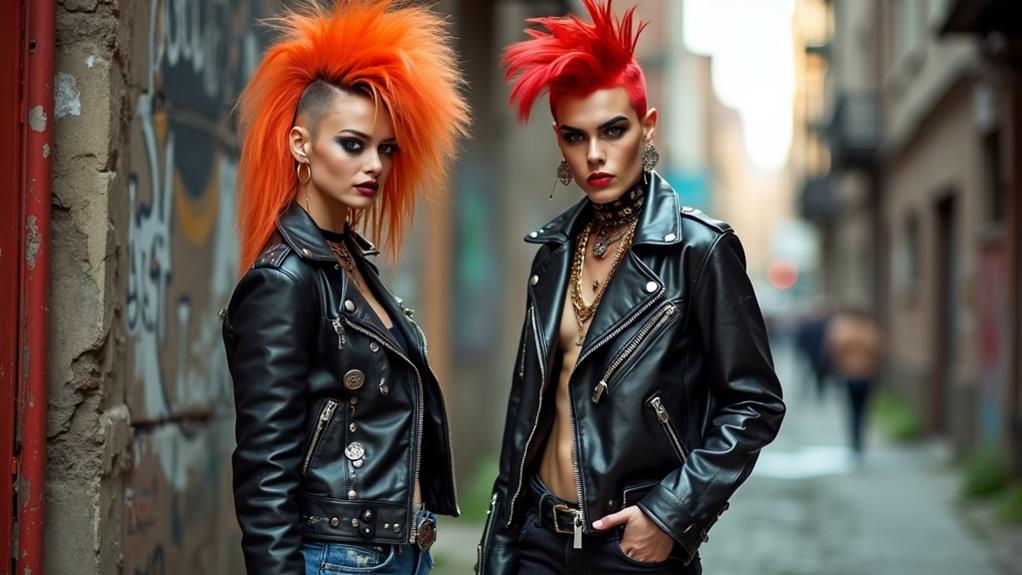
When you think about the 1970s and 1980s, punk fashion stands out as a striking rebellion against the status quo. Leather jackets, ripped jeans, and bold accessories made statements beyond mere clothing. Influenced by figures like Vivienne Westwood and Malcolm McLaren, punk fashion was a form of protest. This movement bridged the gap between streetwear and high fashion, challenging societal norms and embracing individuality. How did these elements come together to create such a lasting impact?
Origins of Punk Fashion

Emerging in mid-1970s London, punk fashion developed as a rebellious youth movement closely linked with the punk music scene. The origins of punk fashion can be traced back to the influential work of Vivienne Westwood and Malcolm McLaren. These pioneers transformed everyday items into bold statements of individuality, creating the anti-fashion aesthetic that punk is known for. They took ordinary clothing and gave it an edge by incorporating elements like leather jackets and spiked accessories.
A key aspect of punk fashion was its DIY ethos. You didn't need a big budget to create a striking look; thrift store finds, ripped clothing, and custom modifications were your tools. This do-it-yourself approach allowed for personalized and authentic expressions of rebellion. The clothing often featured political slogans and provocative imagery, serving as a visual representation of the subculture's anti-establishment values.
Punk fashion wasn't just about looking different; it was a statement against societal norms and expectations of beauty. The anti-fashion aesthetic rejected the polished looks of mainstream fashion, opting instead for a raw, unrefined appearance that emphasized individuality and defiance.
Key Punk Designers
Pioneers in the punk fashion movement, key designers like Vivienne Westwood and Malcolm McLaren infused their creations with a rebellious spirit that redefined the fashion landscape. At their iconic boutique, SEX, they showcased provocative designs that embodied the DIY ethos of punk fashion. Safety pins, ripped fabrics, and bold graphics were staples that challenged societal norms and expectations.
Richard Hell, a central figure in the New York punk scene, brought punk styles to life with his spiked hair and safety pin t-shirts, creating iconic symbols of the movement. His influence extended beyond music, leaving a significant mark on punk fashion. Designers like Zandra Rhodes and Jean Paul Gaultier also adopted punk elements, blending high fashion with the raw, rebellious spirit of the genre.
Iconic Punk Styles
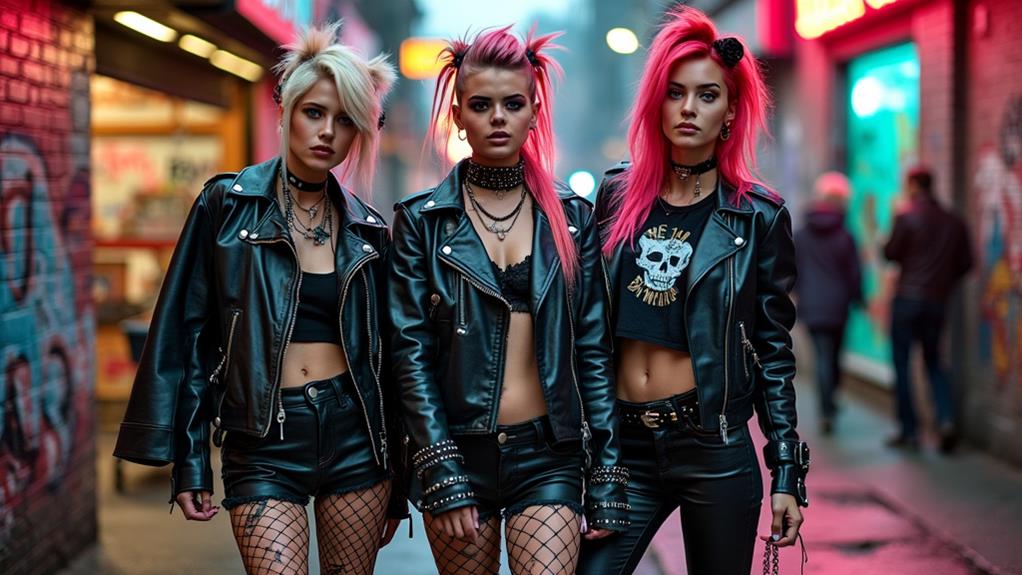
Iconic punk styles are defined by a DIY aesthetic featuring ripped jeans, leather jackets, and band t-shirts adorned with safety pins and chains. Rebellious hairstyles, such as brightly colored mohawks and spiked hair, became standard, pushing the boundaries of self-expression. Provocative accessories and symbols, including body piercings, tattoos, and controversial t-shirt designs, encapsulated the punk look and its anti-establishment message.
DIY Aesthetic Elements
The defiant spirit of punk fashion in the 1970s and 1980s found its most authentic expression through the DIY aesthetic. By repurposing thrift store finds and old garments, unique, attention-grabbing outfits that screamed punk fashion were created. Ripped jeans and t-shirts adorned with band logos or provocative slogans were staples, often held together by safety pins—a true demonstration of resourceful, anti-consumerist ethos.
The rebellious look extended beyond clothing to accessories. Spiked collars, chains, and Doc Martens boots became iconic, allowing individuals to express their rebellion against societal norms. Bold patterns, especially plaid and tartan, reflected British punk culture and were frequently incorporated into jackets, skirts, and pants.
Customized clothing was another hallmark of this period. Stencils, graffiti-like designs, and hand-sewn embellishments were used to make outfits truly one-of-a-kind. This emphasis on individuality and personal expression was at the heart of the punk community. By embracing the DIY aesthetic, a powerful assertion against commercialized fashion was made, celebrating creativity and resourcefulness.
Rebellious Hairstyles and Colors
Much like how the DIY aesthetic redefined punk fashion, rebellious hairstyles and colors became potent symbols of the movement's defiance. Punk hairstyles in the 1970s and 1980s featured extreme cuts such as mohawks and spiked hair, often dyed in vivid colors. These bold styles were not just fashion statements but acts of rebellion against societal norms.
Punks frequently sported neon pink, green, and blue hair, showcasing their desire for individual expression and rejection of traditional beauty standards. Embracing androgyny in their hairstyles, punks combined masculine and feminine elements, challenging conventional gender norms.
Influential punk bands like the Sex Pistols and The Clash inspired fans to adopt similar hairstyles, embedding these looks in the punk movement's anti-establishment ethos. The DIY spirit prevalent in punk culture extended to hairstyling, with individuals creating unique looks using household products and techniques.
| Iconic Punk Hairstyles | Description |
|---|---|
| Mohawks | Shaved sides with a strip of hair in the middle, often brightly colored. |
| Spiked Hair | Hair styled into stiff, pointed spikes using gel or glue. |
| Neon Colors | Hair dyed in bright shades like pink, green, and blue. |
| Androgynous Cuts | Blending of masculine and feminine elements. |
| DIY Techniques | Use of household products for unique styles. |
Through these hairstyles, punks loudly proclaimed their defiance and individuality.
Provocative Accessories and Symbols
Punk fashion in the 1970s and 1980s boldly adopted provocative accessories and symbols, transforming everyday objects into statements of defiance. Embracing a raw, DIY aesthetic, punk enthusiasts challenged societal norms and showcased their anti-establishment ethos. Here are three iconic elements:
- Safety Pins: Punks used safety pins not only to hold clothes together but also as striking jewelry, piercing their skin and clothing. This symbolized rebellion and a disdain for conventional fashion.
- Studded Leather: Leather jackets adorned with studs and patches became central to punk fashion. Often customized with band logos and slogans, these jackets clearly symbolized defiance against mainstream culture.
- Controversial Symbols: T-shirts featuring inverted crucifixes, political slogans, and other provocative imagery were commonplace. These symbols were bold statements against conventional beliefs and middle-class values.
DIY elements played an essential role; punks repurposed thrift store finds, creating unique outfits from ripped fabric held together by safety pins. Hairstyles like brightly colored mohawks and shaved heads, paired with bold makeup, further emphasized their rejection of traditional beauty standards. Through these provocative accessories and symbols, punk fashion made a lasting impact, celebrating rebellion and individuality.
DIY and Anti-Fashion
Punk fashion embodies a DIY and anti-fashion ethos. Punks resourcefully repurposed old clothes and thrift shop finds to create unique, ripped, and modified styles. Rejecting mainstream fashion norms, they embraced a raw aesthetic featuring safety pins, provocative imagery, and heavy Doc Martens.
Resourceful Clothing Choices
Amidst the turbulence of the 1970s and 1980s, punk fashion thrived on resourceful clothing choices that defied conventional norms. Punks raided thrift shops, transforming second-hand items into unique, repurposed clothing that epitomized individuality. This DIY approach not only showcased resourcefulness but also rejected the consumerist ideals of the time.
Punk's anti-fashion stance was evident in the deliberate use of torn fabrics and frayed edges. These were not accidental but bold statements. Safety pins, once mundane objects, became iconic accessories. They held together ripped shirts and jackets, symbolizing the raw, unpolished aesthetic of the movement. It was not just about looking different; it was about making a statement.
Provocative imagery and slogans adorned punk attire, challenging societal standards and norms. Offensive t-shirts and rebellious patches turned clothing into canvases of self-expression. This was not about fitting in; it was about standing out, loud and clear. The punk movement's limited resources led to groundbreaking, yet practical choices, embedding the anti-establishment message into every outfit.
Here are three key elements of punk fashion:
- Thrift shop finds and repurposed clothing
- Torn fabrics and safety pins
- Provocative imagery and slogans
Ripped and Modified Styles
Ripped and modified styles in the punk fashion scene were more than just aesthetics; they were acts of rebellion. Punks often created unique looks from thrift store finds and everyday clothing, embodying a strong DIY ethos and an anti-consumerist attitude. Safety pins holding together torn fabrics weren't just practical; they were bold statements against traditional fashion norms. Each distressed garment showcased individuality and a rejection of polished appearances.
By modifying clothing, punks emphasized self-expression and a stark departure from mainstream trends. Wearing these clothes wasn't merely a fashion choice; it was a statement. Bold patterns, especially plaid, combined with distressed and frayed pieces, became signature styles. This approach wasn't just about looking different; it was about defying societal expectations and celebrating authenticity.
The DIY ethos extended beyond wardrobes, influencing later fashion movements and encouraging personalized clothing. This freedom to craft individual identities through fashion rejected the mass-produced and polished in favor of something raw and real. This spirit of rebellion and creativity defined punk fashion, making it a lasting influence.
Influence of Music
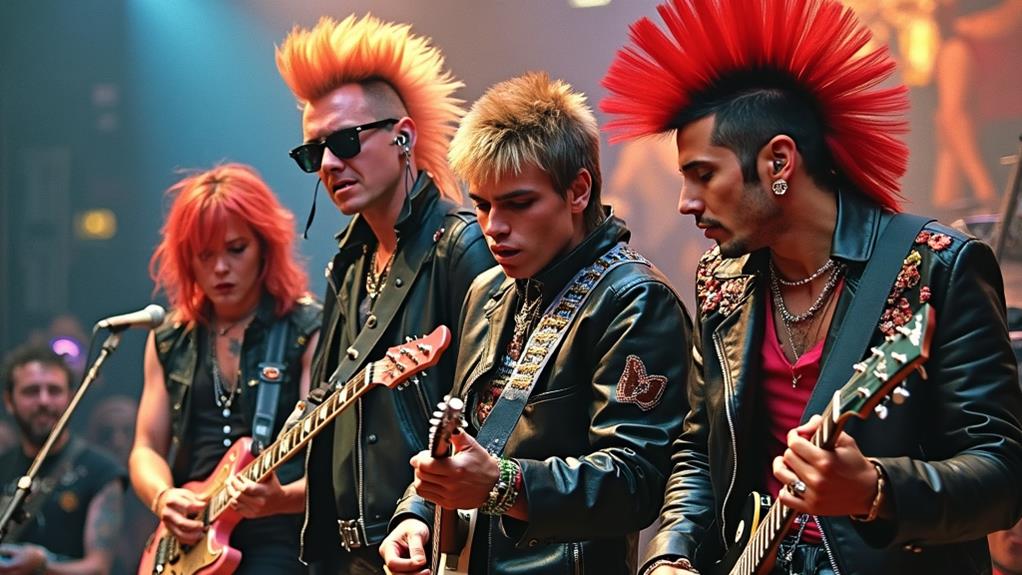
Punk fashion in the 1970s and 1980s was deeply intertwined with the music that defined the movement, especially bands like the Ramones and the Sex Pistols. These bands didn't just produce music; they catalyzed a lifestyle. Punk music's raw energy and anti-establishment lyrics resonated with youth culture, igniting a fashion revolution marked by ripped jeans and leather jackets.
The DIY ethos central to punk music encouraged fans to customize their clothing. Jackets adorned with band logos and political slogans were common, showcasing a rejection of mainstream fashion and an embrace of individual expression. Music venues like CBGB in New York City were epicenters where punk fashion and music coalesced, creating a distinct visual identity for the movement.
Key Elements Influencing Punk Fashion:
- DIY Customization: Fans crafted unique looks using thrift store finds.
- Provocative Imagery: Album covers and band merchandise featured bold slogans and imagery.
- Venue Culture: Places like CBGB nurtured the punk aesthetic.
Punk's Cultural Impact
Punk's cultural impact is defined by its rebellion and creativity, leaving a lasting imprint on society. This is evident in how punk fashion emerged as a bold counterstatement to mainstream norms. Influential figures like Vivienne Westwood and Malcolm McLaren shaped this aesthetic with provocative designs and DIY elements. The punk subculture championed individuality and anti-establishment sentiments, leading to the widespread adoption of ripped clothing, leather jackets, and bold accessories as iconic symbols of rebellion and non-conformity.
By the 1980s, punk fashion evolved to include extreme hairstyles, body piercings, and tattoos, reflecting a broader acceptance of androgyny and non-conformity within youth culture. Punk's influence extended beyond the streets, infiltrating high fashion as designers began incorporating punk motifs into their collections, bridging the gap between street style and luxury fashion.
Today, the legacy of punk fashion is unmistakable. Elements from the 70s and 80s continue to inspire contemporary designers, sustaining punk's relevance in modern culture. From runway shows to everyday streetwear, punk's spirit of rebellion and creativity endures, proving its lasting cultural impact.
Evolution Into Mainstream
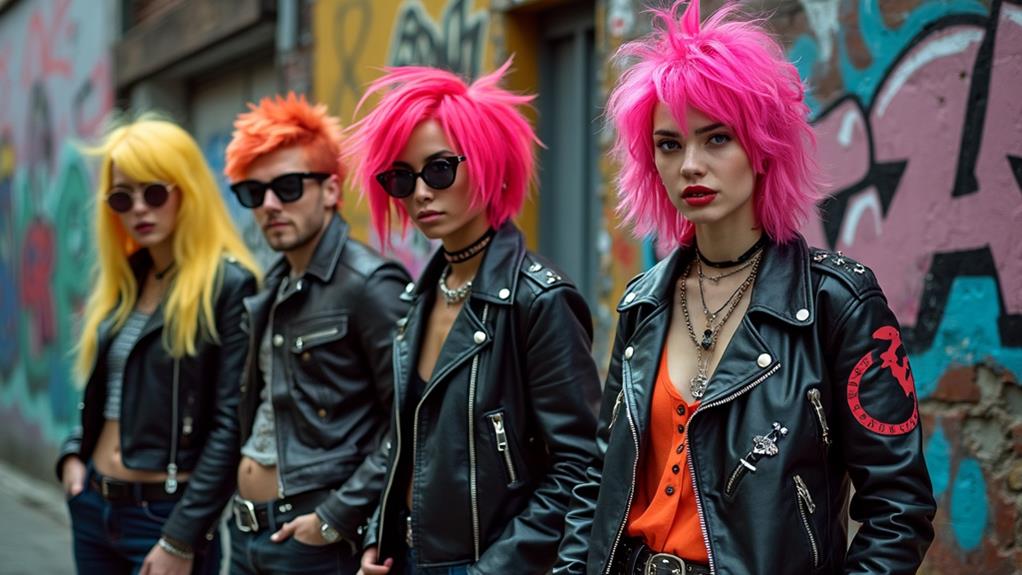
Through the late 1970s and into the early 1980s, punk fashion began its unexpected journey into mainstream popularity. Bands like the Sex Pistols and The Clash didn't just influence music; their edgy styles resonated deeply with youth culture. This was more than just leather jackets and ripped clothing; it was a rebellion statement.
Vivienne Westwood and Malcolm McLaren played pivotal roles in this shift. Westwood's boutique, SEX, became a cultural hotspot, integrating punk aesthetics into high fashion. As punk elements like bold accessories and distressed fabrics started appearing in fashion magazines and music videos, the gap between subculture and mainstream fashion began to close.
By the early 1980s, the commercialization of punk fashion had firmly taken hold:
- Department stores: Punk-inspired clothing lines became widely available.
- Fashion magazines: Punk elements were increasingly featured.
- Popular music videos: Punk's style reached a broader audience.
Despite its roots in anti-establishment rebellion, punk fashion's mainstream popularity led to a dilution of its original message. The commodification by corporate brands meant that punk's authentic spirit was often lost in translation.