The Mini Skirt Revolution of the 1960s
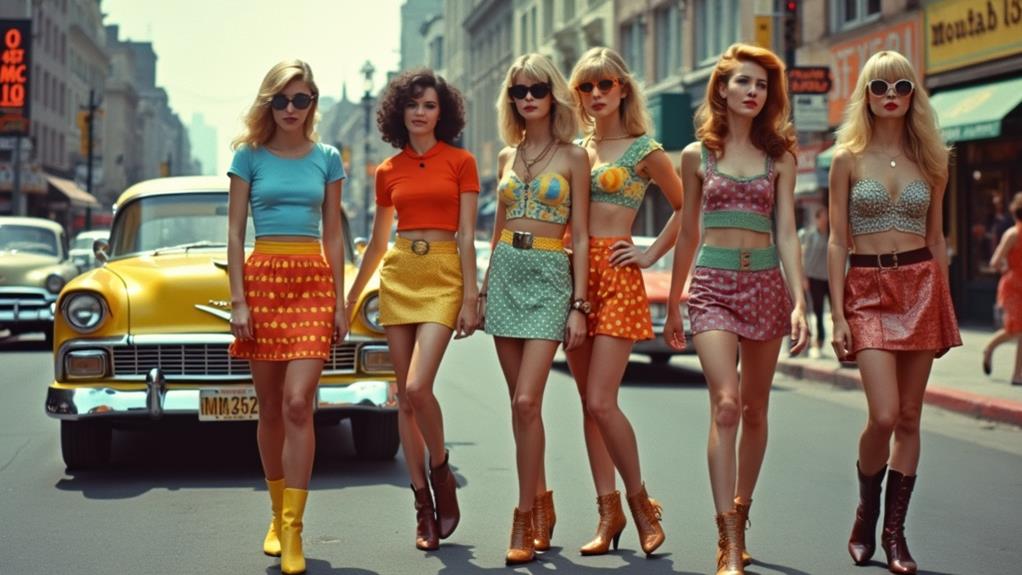
You're probably familiar with the iconic image of the 1960s miniskirt, but have you ever considered how this small piece of fabric sparked a significant societal shift? More than just a fashion statement, the miniskirt became a powerful symbol of women's liberation and rebellion against the status quo. Designed by Mary Quant and popularized by cultural icons like Twiggy, it challenged traditional views and ignited debates that extended far beyond fashion. So, what made this seemingly simple garment so revolutionary, and how did it come to embody the spirit of an entire generation?
Historical Origins and Evolution
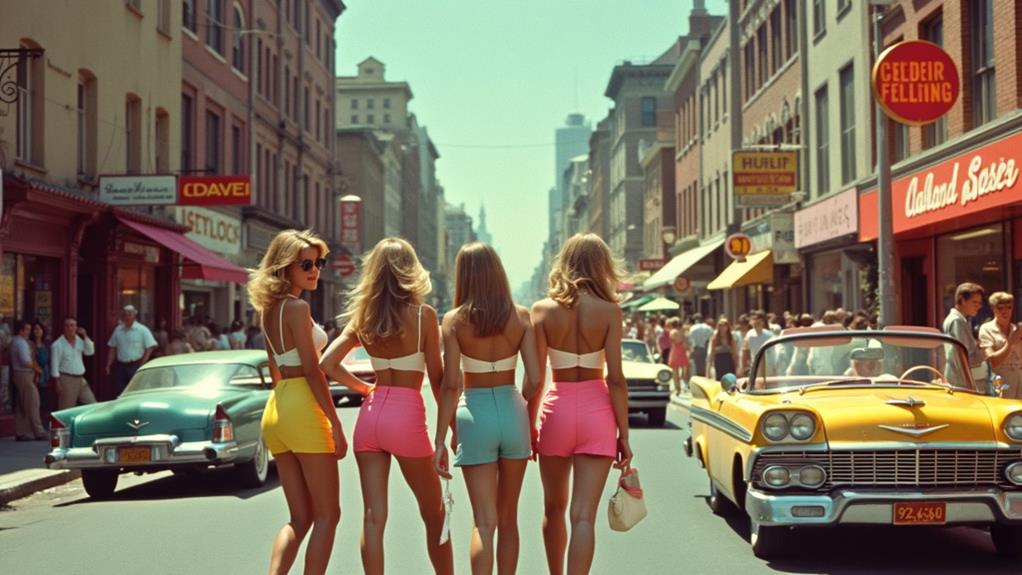
The miniskirt's journey began long before its 1960s revolution. Surprisingly, its origins trace back to ancient civilizations. Figurines from 5400-4700 B.C. and Egyptian frescoes depict dancers wearing short skirts, showcasing early iterations of this now-iconic garment. Fast forward to the 1920s, when the flapper movement saw hemlines rise to knee length. This shift was not just about fashion; it also reflected evolving attitudes towards women's roles, setting the stage for the miniskirt's later emergence.
Post-WWI, the flapper style signified women's emancipation, leading to a significant shift in skirt lengths. The miniskirt began its mainstream ascent in the 1960s, a period marked by cultural and political revolutions. Mary Quant, the British designer often credited with popularizing the miniskirt, was inspired by street style and the need for practical, movement-friendly clothing. Quant's designs embodied self-expression and liberation.
Throughout the 1960s, the miniskirt evolved, with hemlines progressively shortening. It became a symbol of women's liberation and youthful rebellion, challenging traditional gender norms and societal expectations. The miniskirt was not just a fashion statement; it was a revolution.
Political and Cultural Impact
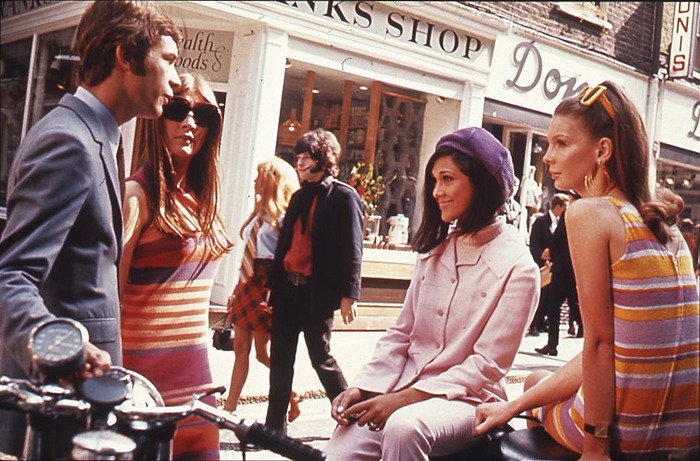
As hemlines rose and the miniskirt gained popularity in the 1960s, its impact extended far beyond fashion. The miniskirt emerged as a powerful symbol of youth rebellion and self-expression, aligning closely with the burgeoning feminist movement. It became ubiquitous, seen everywhere from city streets to college campuses, as young adults demanded social change. The miniskirt didn't just challenge traditional bourgeois morality; it outright rejected the double standards that had long oppressed women.
By wearing miniskirts, women publicly declared their desire for liberation and equality. This fashion choice became a bold statement reflecting broader cultural shifts, including the rise of rock and roll and the counterculture of the 1960s. It wasn't just a garment; it was a declaration of autonomy and modernity.
The cultural significance of the miniskirt evolved throughout the decade, sparking intense debates over women's clothing choices. Was the miniskirt a form of objectification, or a means of empowerment? Despite the controversy, it undeniably highlighted the ongoing struggle for women's rights and became a lasting emblem of the feminist movement and the period's political and cultural transformation.
Key Designers
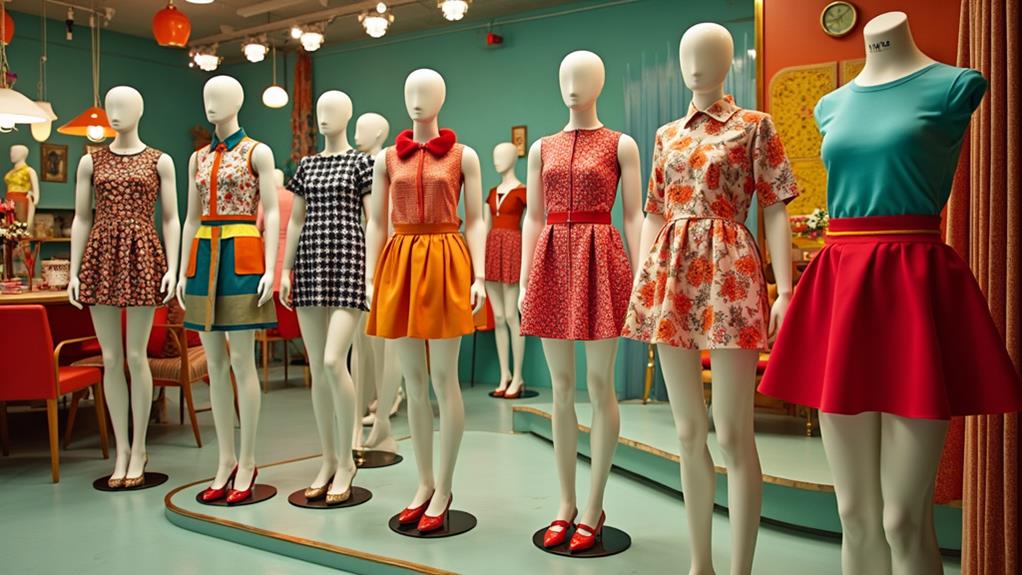
The rise of the miniskirt in the 1960s is largely attributed to Mary Quant's bold vision and André Courrèges' futuristic designs. Quant's playful creations and Courrèges' innovative collections were instrumental in shaping this iconic fashion trend. Later, in the late 1970s, Vivienne Westwood's punk influence underscored the miniskirt's enduring versatility and cultural relevance.
Mary Quant's Bold Vision
Few designers have left as lasting an impact on 1960s fashion as Mary Quant. By introducing the miniskirt in her boutique, Bazaar, in 1955, she tapped into the cultural shifts reshaping society. Quant's designs, marked by vibrant colors and geometric patterns, offered young women a playful alternative to the restrictive fashion norms of previous decades. The miniskirt quickly became more than just clothing; it emerged as a powerful symbol of women's liberation and independence.
Quant's innovative use of jersey fabrics provided greater comfort and mobility, making her creations both practical and stylish. This new approach to fashion made the miniskirt accessible to women from diverse backgrounds, contributing to its widespread acceptance. Through her bold vision, Mary Quant didn't just change what women wore; she transformed how they thought about themselves and their role in society.
Her boutique became a cultural hub where women felt empowered to express themselves freely, challenging traditional gender roles. In doing so, Mary Quant played a crucial role in shaping the fashion landscape of the Swinging Sixties, leaving a legacy that continues to resonate today.
Courrèges' Futuristic Flair
André Courrèges' futuristic flair captivated the 1960s fashion world, making him a pivotal figure in the miniskirt revolution. A French designer, Courrèges gained prominence for his innovative designs that significantly influenced the miniskirt trend. He introduced the "A-line" silhouette, characterized by clean lines and geometric shapes, offering a modern and invigorating take on women's fashion.
In April 1964, Courrèges debuted his miniskirt designs, which swiftly became a sensation in haute couture and mainstream fashion. His collections often featured bold colors and unconventional materials, marking a departure from traditional fabrics in women's clothing. This bold approach not only made his designs stand out but also resonated with the youthful rebellion and liberation spirit of the era.
Courrèges' work played a crucial role in the emancipation of women, as the miniskirt became a symbol of freedom and self-expression for the younger generation. By breaking away from conservative norms, Courrèges empowered women to embrace new styles and attitudes, cementing his legacy as a key figure in the 1960s fashion revolution.
Vivienne Westwood's Punk Influence
As the miniskirt evolved from its A-line origins, Vivienne Westwood emerged in the late 1970s, injecting a fierce punk spirit into the fashion world. Westwood played a crucial role in the punk fashion movement, using the mini skirt to rebel against societal norms. Her provocative and unconventional designs, including the infamous "God Save the Queen" collection, paired miniskirts with bold graphics and political statements.
Westwood's punk aesthetic challenged the traditional feminine connotations of the mini skirt by blending elements of androgyny and defiance. Materials like tartan and leather reflected the gritty, DIY ethos of the punk subculture.
| Key Elements | Vivienne Westwood's Influence |
|---|---|
| Materials | Tartan, Leather |
| Style | Androgynous, Defiant |
| Iconic Collection | "God Save the Queen" |
| Themes | Rebellion, Empowerment |
| Cultural Impact | Counterculture, Modern Fashion |
Westwood's influence solidified the mini skirt's place in fashion as a symbol of empowerment and counterculture. Her designs have endured beyond the 1960s, continuing to inspire contemporary styles. Through her rebellious spirit, she transformed the mini skirt into an emblem of punk and empowerment.
Cultural Significance
During the cultural upheaval of the 1960s, the miniskirt emerged as more than just a fashion trend; it became a powerful symbol of women's liberation. This daring garment represented a significant shift in societal norms, marking an era where fashion served as a medium for post-war escapism and self-expression. Women embraced the miniskirt as a form of rebellion against conservative dress codes and traditional gender roles, aligning with the broader sexual revolution.
Icons like Twiggy and pop stars frequently wore miniskirts, reinforcing its status as a symbol of youthful confidence and independence. Their influence helped the garment gain widespread acceptance, despite initial shock and criticism from older generations. This shift indicated a departure from previous fashion norms, as the miniskirt came to symbolize the freedom and empowerment central to the feminist movements of the 1960s.
The cultural significance of the miniskirt is undeniable. It served as a visual representation of women's rights and the fight against objectification. By donning miniskirts, women of the 1960s made a powerful statement about their autonomy and desire for equality, forever altering the landscape of fashion and society.
Miniskirt in Modern Fashion
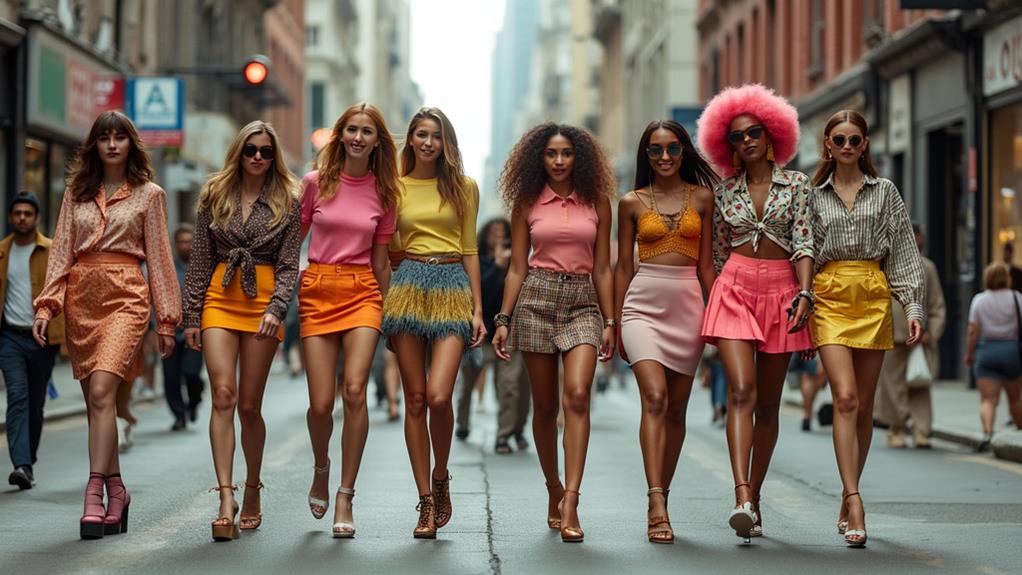
The cultural significance of the miniskirt in the 1960s laid the groundwork for its enduring presence in modern fashion. Today, you'll see miniskirts everywhere, from micro-minis to pelmets and bondage skirts, gracing the world's most prestigious catwalks. This versatility shows how the iconic miniskirt has evolved, continually adapting to new trends and tastes.
In the 1980s, miniskirts were integrated into power suits, symbolizing professionalism for women. This shift helped cement the miniskirt as a staple in both casual and formal wardrobes. TV characters like Carrie Bradshaw from "Sex and the City" further popularized the miniskirt, turning it into a symbol of style and empowerment for women of all generations.
Despite resistance in some cultures that view miniskirts as a sign of Western corruption, they remain a hot topic in fashion and societal discussions. Brands like Samsung even launched products celebrating the miniskirt's legacy, such as "Miniskirt Season 2," targeting fashion-conscious women.
Why the Miniskirt Still Rocks Modern Fashion:
- Versatility: From micro-minis to power suits.
- Empowerment: Adopted by powerful TV characters.
- Debate: Sparks discussions on culture and norms.
- Enduring Legacy: Celebrated by brands.
- Adaptability: Continuously evolving in style.
Changing Perceptions
Miniskirts emerged in the 1960s, challenging traditional views on fashion and gender roles. This provocative garment became a powerful symbol of female independence and empowerment during the Swinging Sixties. As the miniskirt gained popularity, it became associated with youthful rebellion and newfound confidence among women. It wasn't just a fashion statement; it was a bold declaration of autonomy and defiance against outdated norms.
Public perceptions of the miniskirt evolved rapidly. Initially, older generations viewed it with skepticism, seeing it as a threat to decency. However, for the younger crowd, the miniskirt represented a break from conformity, aligning closely with the burgeoning feminist movement. Androgynous models like Twiggy helped cement its place in popular culture, showcasing the miniskirt as an emblem of modern femininity and liberation.
Decades later, the miniskirt's cultural significance continues to spark debates. Movements like #MeToo have reshaped views on provocative dressing, leading to discussions about consent and objectification. The miniskirt remains a contentious political issue, reflecting ongoing conversations about women's rights, autonomy, and societal expectations regarding clothing choices.
Legacy of the Miniskirt
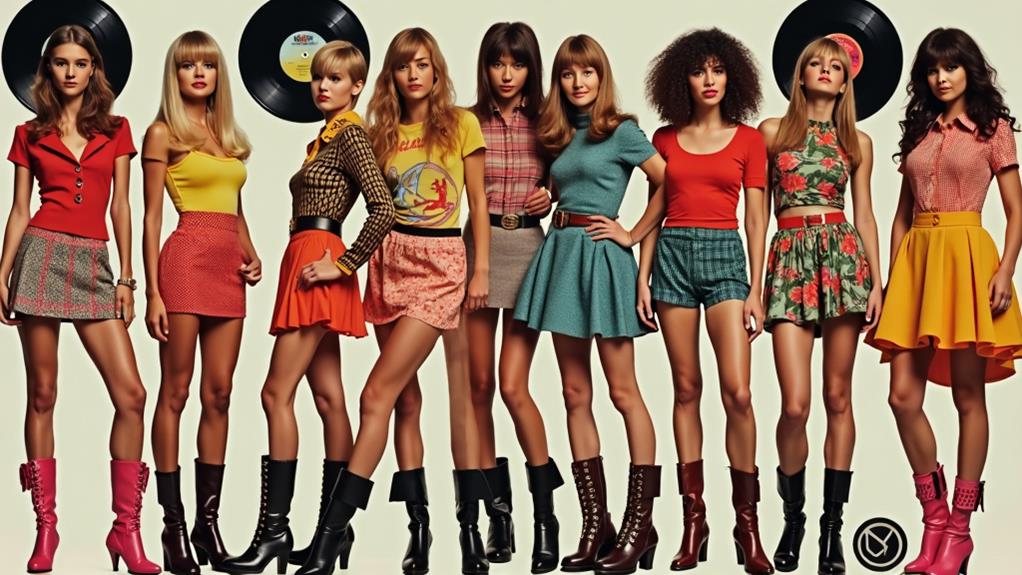
Few garments have left as enduring a mark on fashion and society as the miniskirt. Popularized by Mary Quant in the 1960s, the miniskirt quickly became a symbol of women's liberation and self-expression. By 1969, over 7 million people owned items featuring Quant's iconic daisy logo, showcasing the widespread acceptance and impact of her designs.
The miniskirt's legacy is deeply intertwined with feminist movements, reflecting ongoing battles against objectification and the policing of women's bodies. Activists like Gina Martin have continued to fight for women's rights, using the miniskirt's legacy as a touchstone for discussions about consent and clothing. This garment isn't just a fashion statement; it's a symbol of resilience and empowerment.
In the 21st century, the miniskirt remains a relevant fashion staple, appearing in modern variations on runways and in everyday wear. Its enduring influence on style and culture is undeniable, making it a timeless piece that continues to inspire and challenge societal norms.
Consider these points to understand its lasting impact:
- Symbol of women's liberation and self-expression
- Intertwined with feminist movements
- A touchstone for discussions on consent and clothing
- Iconic daisy logo by Mary Quant
- Continues to influence modern fashion