The Influence of Western Wear on Fashion
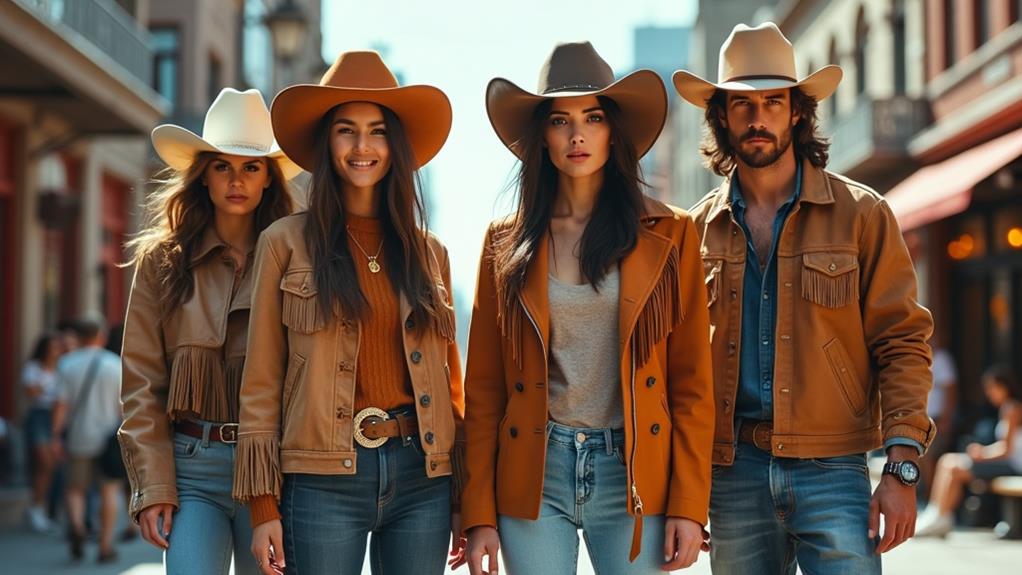
When you think of Western wear, images of rugged cowboys and vast open prairies might come to mind, but its influence reaches far beyond these origins. Denim jeans and cowboy boots have transitioned from functional workwear to essential fashion items, appearing on runways and urban streets alike. High-end designers often incorporate Western motifs, blending tradition with modern flair, while music festivals help keep the style dynamic and relevant. Ever wondered how these timeless pieces maintain their appeal and adaptability in today's fashion landscape? The intersection of historical significance and contemporary trends offers valuable insights.
Historical Roots of Western Wear
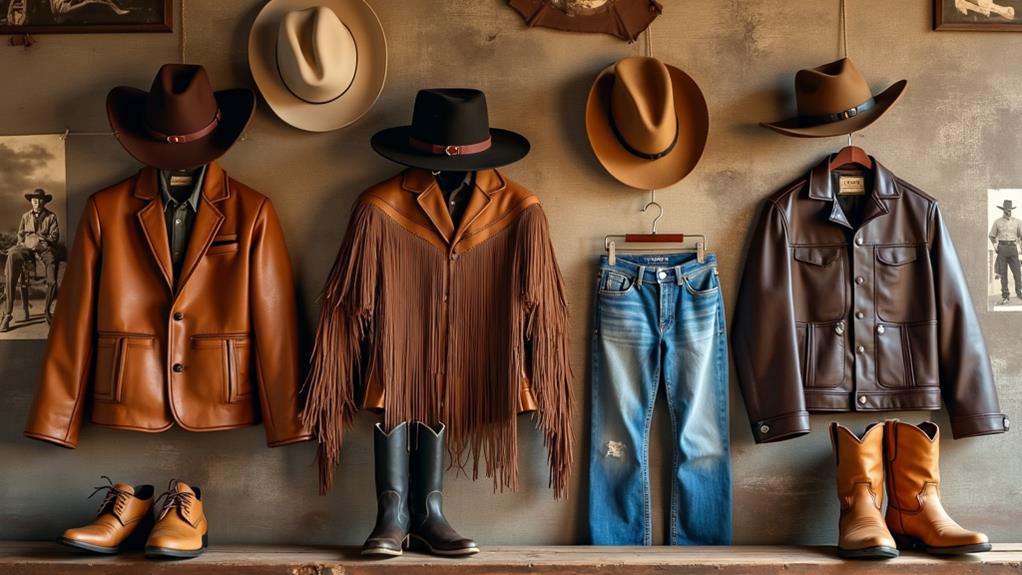
Western wear emerged in the 19th-century American frontier, crafted for practicality and durability to withstand rugged conditions. This attire was essential for frontier life, where denim jeans were originally designed for miners and laborers, embodying the resilience needed for demanding work. Paired with sturdy boots and wide-brimmed hats, these items created a functional ensemble suited for cattle wrangling and enduring harsh weather.
Western wear's aesthetics were deeply influenced by diverse cultures, blending Native American designs, Mexican vaqueros, and European folk traditions. This cultural fusion resulted in a distinctive, practical, and visually striking style.
The foundation of Western wear laid the groundwork for the cowboy archetype, symbolizing freedom and adventure and capturing the spirit of the American frontier. With roots in necessity and cultural amalgamation, Western wear continues to influence fashion today.
Cultural Significance of Cowboy Image
The cowboy image captures the essence of freedom and adventure, embodying the rugged individualism at the heart of American mythology. This archetype represents a lifestyle deeply ingrained in American culture. Through literature and film, cowboy culture has been romanticized, creating a lasting impression of the Wild West's spirit.
This is reflected in fashion trends that incorporate Western motifs. Western wear isn't just clothing; it's a statement of authenticity and individuality. Donning pieces inspired by cowboy culture channels a sense of independence and resilience.
Events like rodeos and country music concerts showcase Western fashion, celebrating cowboy culture as a living, breathing part of our cultural consciousness. These gatherings offer a tangible connection to the cowboy image.
Incorporating Western elements into your wardrobe allows for an expression of a storied past filled with adventure and freedom. The cowboy image remains a powerful symbol, influencing not just fashion, but how you perceive yourself within the broader tapestry of American culture.
Iconic Western Wear Pieces
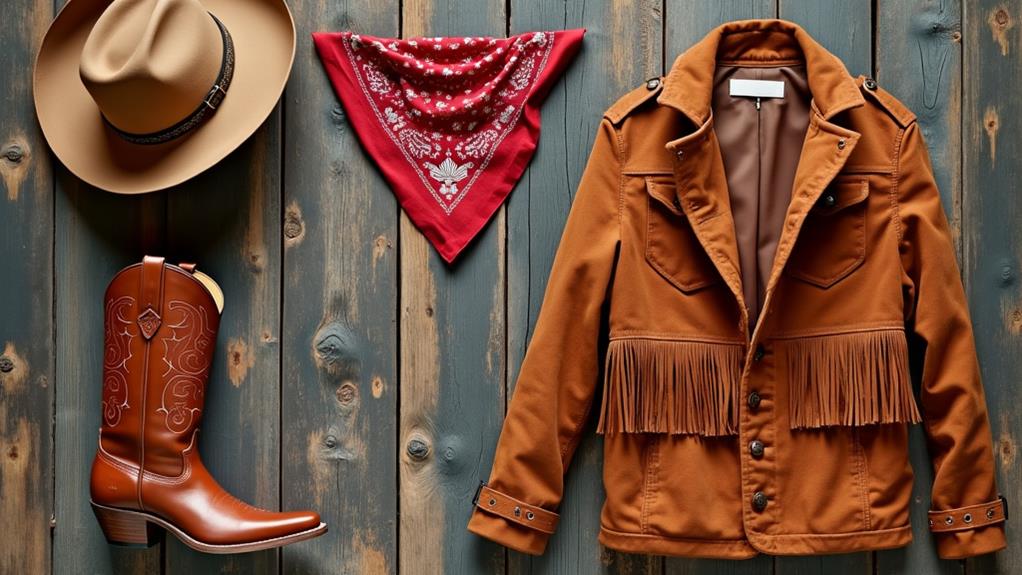
Exploring iconic Western wear pieces, you can't miss the essential denim jeans, originally designed for durability in rugged environments. Cowboy boots, with their pointed toes and decorative stitching, capture the adventurous Western spirit. Western shirts, featuring snap buttons and intricate embroidery, blend practicality with timeless style.
Essential Denim Jeans
Denim jeans stand as one of the most iconic pieces in Western wear. Originating in the 19th century, they were initially designed for miners and laborers due to their durability and practicality in rugged environments. The classic Levi's 501, introduced in 1873, remains a quintessential model, symbolizing the enduring appeal of denim in Western fashion.
Western denim often features unique embellishments such as intricate stitching and decorative details. These enhancements not only add aesthetic flair but also retain the functionality that initially made denim jeans a staple. Over time, denim jeans have transcended their workwear roots, becoming a versatile piece that fits seamlessly into both casual and high-fashion contexts, influencing global fashion trends.
You can pair denim jeans with various Western-style shirts and accessories, making them a key component of any Western wear wardrobe. Whether you're dressing up for a night out or keeping it casual, denim jeans offer a timeless style that's hard to beat. Their adaptability and enduring appeal ensure they will remain a cornerstone of Western wear for years to come.
Signature Cowboy Boots
Cowboy boots are one of the most iconic elements of Western wear, easily identifiable by their pointed toes, high shafts, and intricate decorative stitching. Initially designed for practicality, these boots were made to protect the legs and feet of cowboys while riding and working on ranches. Their construction, often using high-quality leather, ensures durability and comfort, with many brands adhering to traditional crafting techniques to preserve these attributes.
Today, cowboy boots have evolved beyond their utilitarian beginnings to become a fashion statement embraced by celebrities and fashion enthusiasts alike. They are incorporated into a variety of styles, from casual to high-end fashion. Popular styles include the classic Western boot, the roper, and the exotic skin boot, with variations available in materials such as suede and alligator leather to suit different tastes and occasions.
Here's a quick visual guide to some key styles of cowboy boots:
| Style | Characteristics |
|---|---|
| Classic Western | High shaft, pointed toe, decorative stitching |
| Roper | Shorter shaft, rounded toe, minimal decoration |
| Exotic Skin | Made from materials like alligator or ostrich |
| Suede | Soft texture, often seen in casual styles |
Whether you're attracted to their rugged origins or their fashionable appeal, cowboy boots offer a unique blend of tradition and trendiness.
Distinctive Western Shirts
Western-style shirts, though sometimes overshadowed by their more rugged counterparts, hold a distinct spot in iconic Western wear. These shirts are easily identifiable by their snap buttons, intricate embroidery, and unique yoke designs. These features aren't merely decorative; they are crucial to the shirt's iconic status in Western fashion.
Western shirts often showcase traditional patterns and colors inspired by Native American and Mexican designs, giving them a distinct flair that sets them apart from other fashion pieces. Brands like Wrangler and Levi's have been instrumental in popularizing these shirts, making them staples in both casual and fashionable wardrobes.
Modern versions of Western shirts embrace innovation, with designers experimenting with contemporary fabrics and updated fits. This broadens their appeal while retaining the traditional elements that define them. Their versatility allows for various styling options: pair them with denim for a classic cowboy look, or incorporate them into urban fashion ensembles for a modern twist. Whether aiming for a rugged or sophisticated vibe, Western shirts offer endless possibilities in Western fashion.
Contemporary Fashion Trends
Western motifs are making a bold statement in contemporary fashion trends. You'll notice fringe, suede, and concho embellishments seamlessly blending into modern aesthetics. This fusion, often referred to as "cowboy chic," merges rugged Western elements with urban sophistication, appealing to a wide array of fashion enthusiasts.
High-end designers are increasingly incorporating Western wear into their collections. They draw inspiration from traditional cowboy styles but innovate with contemporary designs, making these pieces both timeless and trendy. Celebrities also play a key role in popularizing Western fashion. When icons sport Western-inspired outfits at events and on social media, they make these styles more accessible and desirable to the masses.
Cultural events like rodeos and music festivals, where Western fashion naturally shines, further bolster its popularity. These venues provide the perfect platform for showcasing Western-inspired outfits, reinforcing the trend as both a fashion statement and an enduring lifestyle choice.
Here's a quick look at how Western motifs are influencing contemporary fashion trends:
| Element | Description | Example |
|---|---|---|
| Fringe | Adds movement and texture | Fringe jackets, skirts |
| Suede | Offers a luxe, yet rugged feel | Suede boots, vests |
| Concho Embellishments | Accentuates with metallic details | Concho belts, hats |
Global Appeal and Endurance
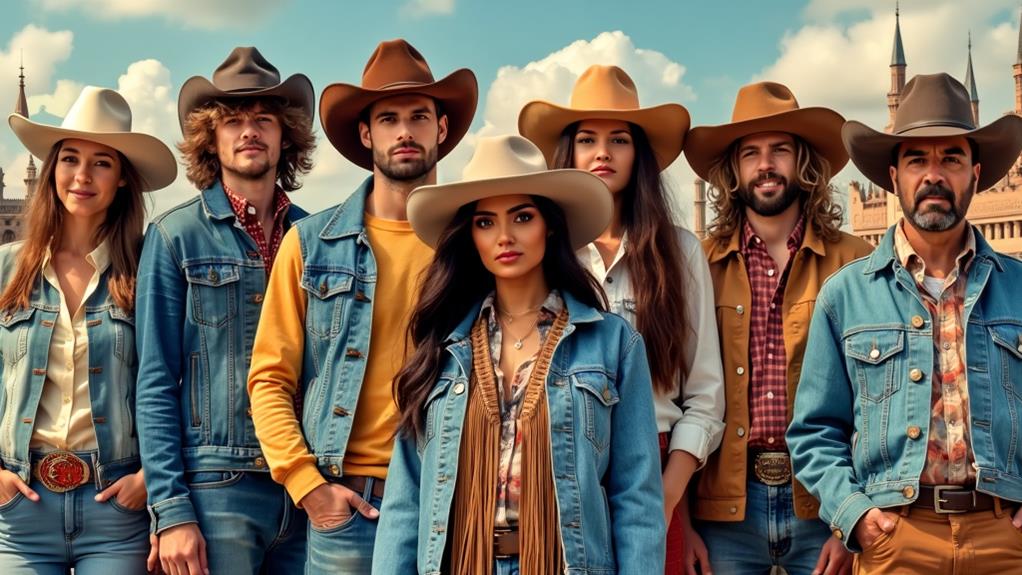
The appeal of Western wear extends far beyond contemporary fashion trends, captivating a global audience that spans diverse cultures and fashion enthusiasts. This style, representing a fusion of tradition and modernity, has transcended geographical boundaries. Its influence is evident in global fashion, where Western motifs like cowboy chic are gaining popularity. This trend combines ruggedness with urban sophistication, appealing to individuals who seek authenticity in their style.
Cultural events such as rodeos and music festivals play a significant role in promoting Western fashion. These platforms elevate its status on the global stage, reinforcing its enduring appeal. The timeless aesthetic of Western clothing continues to captivate, contributing to its lasting popularity.
Celebrities and influencers have also propelled Western wear into the mainstream. Their endorsement underscores its adaptability and relevance across various demographics. By integrating Western elements into their wardrobes, they highlight its versatility and maintain its presence in the global fashion spotlight.
In essence, Western wear's global appeal and longevity stem from its unique ability to merge tradition with contemporary trends. Its timeless charm ensures it remains a staple in global fashion, enchanting audiences worldwide.
Secular Nature of Western Fashion
Western fashion often prioritizes practicality over tradition, drawing inspiration from military uniforms and working-class attire. This secular approach makes Western wear universally appealing, as it doesn't adhere to specific religious or cultural practices. Consequently, it is easily embraced across diverse cultures, reflecting modernity and social status.
Practicality Over Tradition
Modern Western fashion is distinguished by its focus on functionality over tradition, emphasizing practicality in its designs. This is evident in items like denim jeans and jackets, originally crafted for laborers and outdoor workers to meet everyday needs rather than cultural or religious significance. This practical approach has made Western wear adaptable and widely accepted globally.
Take, for instance, the evolution of Western jackets and shirts. Their utilitarian roots, derived from military uniforms, underscore their functional focus. The secular nature of these garments means they can be worn without cultural restrictions, making them versatile for various settings. Advances in fabric and design have further enhanced their comfort and utility, ensuring their place as staples in modern wardrobes.
Western fashion's blend of ruggedness and modernity reflects its practical emphasis. By prioritizing functionality, these styles have transitioned from workwear to contemporary fashion essentials. Choosing Western wear means selecting garments designed for real-world use, embodying a timeless appeal grounded in practicality.
Military-Inspired Designs
Military-inspired designs have significantly influenced Western fashion, emphasizing functionality and utility. Many Western clothing styles, such as jackets and trousers, are derived from military uniforms, highlighting a practical approach to fashion deeply ingrained in Western wear.
Western fashion's largely secular nature allows for the broad acceptance and integration of military-inspired designs into everyday wear. With no religious or cultural constraints limiting these styles, they are versatile and widely adopted. Innovations in fabric and design, originally rooted in military practicality, have enhanced the functionality and comfort of Western clothing, offering durable, comfortable, and highly functional garments that meet modern needs.
The emphasis on durability in military-inspired Western designs aligns with the rugged aesthetic that defines Western wear, reinforcing its cultural identity and broadening its appeal. Western fashion's secular appeal enables it to blend seamlessly into diverse environments, allowing military influences to merge with contemporary styles globally.
Universal Fashion Appeal
The universal appeal of Western fashion lies in its secular nature, enabling it to transcend cultural and religious boundaries with ease. Unlike many traditional clothing styles tied to specific cultural or religious contexts, Western fashion is primarily secular, making it widely accepted in diverse environments. For instance, jackets and jeans, which originated from practical needs and military uniforms, have become global staples due to their functionality and modern design, resonating with people from various backgrounds.
The global popularity of Western styles such as denim and t-shirts underscores their embodiment of modern fashion. These items appeal to youth culture and contemporary trends, often signifying a cosmopolitan identity. Wearing Western clothing can also symbolize progress and social status, highlighting its far-reaching influence.
Additionally, country music, with its distinct Western aesthetic, contributes to popularizing these styles. The genre's widespread appeal reinforces the cultural neutrality of Western wear, making it fashionable worldwide. With globalization and social media accelerating trend adoption, the secular nature of Western fashion ensures its continued dominance in the global fashion landscape.
Modernity of Western Clothing
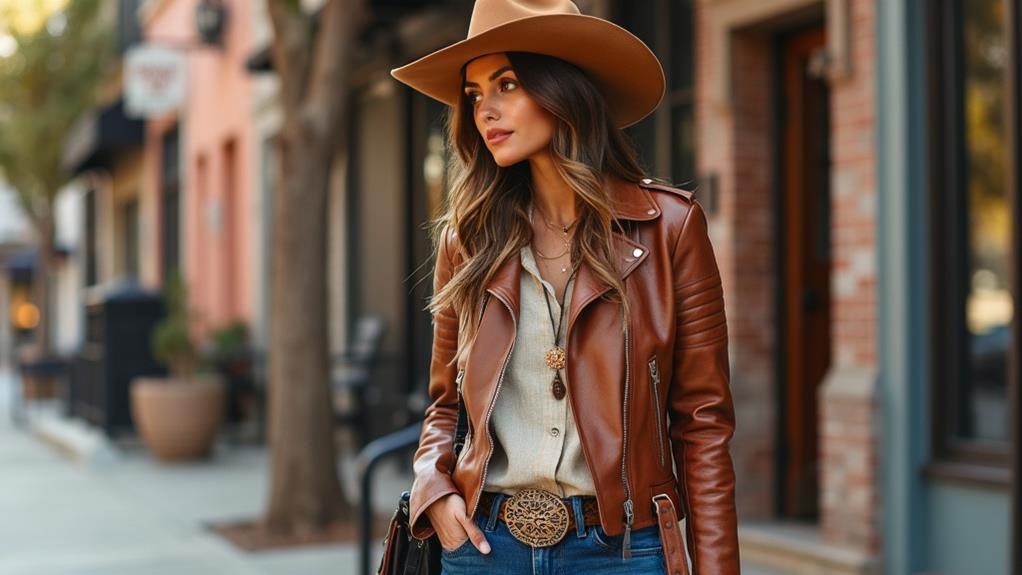
Modern Western clothing, epitomized by styles like jeans, t-shirts, and hoodies, reflects contemporary trends across diverse cultures. These staples symbolize how Western fashion has evolved to meet the needs of today's fast-paced world. Innovations in fabric and design have greatly improved both the functionality and comfort of these garments, making them more appealing and practical for everyday wear.
Globalization has played a significant role in spreading these modern Western styles globally. Advances in communication and transportation have made it easy to find these fashionable items in stores worldwide, from bustling urban centers to small rural towns. This widespread distribution has made Western clothing a common sight in numerous cultural landscapes, reinforcing its modernity.
Moreover, youth culture often views Western fashion as a hallmark of progress and contemporary identity. Wearing jeans, t-shirts, and hoodies is not just a fashion statement; it aligns you with a global movement toward modernity. The largely secular nature of Western clothing, free from religious or cultural constraints, broadens its appeal, allowing you to express individuality in varied settings.
Cultural Perceptions of Western Styles
Western fashion often evokes images of modernity and social status, making it an aspirational choice globally. The romanticized image of the cowboy represents rugged freedom, which many find appealing. Media portrayals enhance this allure, encouraging people in diverse cultures to adopt Western styles as symbols of progress and contemporary identity.
Symbol of Modernity
In numerous cultures, adopting Western fashion serves as a potent symbol of modernity and progress. Embracing Western styles transcends mere clothing choices, becoming a statement of contemporary identity. Western fashion signifies a shift towards a cosmopolitan lifestyle and reflects aspirations for a more affluent social status.
The allure of Western fashion extends beyond the garments themselves. It embodies several key elements:
- Status and Affluence: Wearing Western clothes can signal higher social standing and modern values.
- Media Influence: Media portrayal often positions Western styles as the epitome of current trends, influencing global fashion preferences.
- Secular Appeal: Unlike traditional attire tied to specific cultures or religions, Western fashion's secular nature ensures its broad acceptability.
Cultural exchanges significantly contribute to this trend. When local styles integrate Western elements, they create unique fashion statements that enhance the global fashion landscape. Choosing Western fashion means participating in a global movement towards modernity and diversity. This universal appeal is why Western styles continue to dominate the fashion world.
Aspirational Fashion Choice
Western wear transcends mere clothing; it embodies an aspirational fashion choice imbued with modernity, adventure, and rugged individualism. Donning a cowboy hat or Western boots taps into cultural narratives shaped by popular culture. Films, TV shows, and music have romanticized the cowboy image, turning it into an enduring symbol of freedom and resilience.
Social media platforms amplify this influence, presenting aspirational visuals that encourage the adoption of Western styles. These platforms illustrate how seamlessly Western wear can blend with traditional garments, reflecting a modern identity while respecting cultural heritage. Influencers and fashion enthusiasts mix and match elements, creating unique looks that resonate globally.
Western wear's appeal lies in its ability to signify authenticity and individuality. Choosing this style is not just a fashion statement; it expresses values of originality and timelessness. This aspirational fashion choice encompasses more than aesthetics—it embodies a lifestyle valuing independence and a connection to the adventurous spirit of the cowboy. Wear your Western attire with pride, knowing it carries a rich legacy and contemporary relevance.
Social Status Indicator
As Western wear continues to captivate fashion enthusiasts, its role as a social status indicator becomes increasingly evident. When you slip into a pair of denim jeans or don cowboy boots, you're not just embracing a style—you're making a statement about modernity and affluence. In various cultures, adopting Western fashion trends often symbolizes a desire for a more cosmopolitan and affluent lifestyle.
Media representations greatly influence this perception. They frequently portray Western fashion as aspirational, encouraging adoption of these styles to signal a modern identity. Social media platforms further enhance the visibility and status of these trends as symbols of contemporary taste and social prestige.
Consider these points:
- Modern Identity: Wearing Western clothing signifies a departure from traditional dress, showcasing progressive values.
- Cultural Exchange: Local adaptations of Western styles reinforce social belonging and status, particularly among youth.
- Media Influence: Social media amplifies the perception of Western fashion as prestigious.
In many non-Western societies, Western wear is more than just attire—it's a cultural marker. By aligning with these fashion trends, you are not just following a style; you are embracing and showcasing a modern identity.
Global Influences and Trends

Globalization has significantly accelerated the dissemination of Western fashion trends, with social media platforms playing a pivotal role in making these styles visible and accessible across diverse cultures. This influence is evident everywhere, from music festivals to streetwear. Music festivals, in particular, have become melting pots where Western fashion intersects with local styles, resulting in unique and eclectic outfits.
Non-Western fashion industries are increasingly blending traditional and contemporary styles, thereby enriching their local fashion scenes. International brands promoting Western clothing in global markets underscore the aspirational value of Western fashion, often seen as symbols of modernity and social status. This hybridization is evident when traditional patterns and designs are integrated into Western-inspired outfits, creating a fresh and diverse fashion landscape.
However, there's a risk of homogenization, where local fashion cultures might be overshadowed by Western influences. This raises important discussions about preserving cultural identities while embracing global trends.
Here's a brief overview of how Western wear influences different regions:
| Region | Western Influence | Local Adaptation |
|---|---|---|
| Asia | Streetwear and Casual | Fusion with Traditional Prints |
| Africa | Modern Silhouettes | Use of Lively Local Fabrics |
| South America | Contemporary Styles | Integration of Indigenous Art |
This table highlights the regional adaptations of Western fashion, showcasing the diverse ways in which different cultures incorporate global trends while retaining their unique identities.
Future of Western-Inspired Fashion
Looking ahead, the future of Western-inspired fashion promises an exciting blend of tradition and innovation. Designers are increasingly merging modern elements like sustainability and groundbreaking fabrics with traditional Western aesthetics. This evolution guarantees that Western wear remains both stylish and environmentally conscious.
A growing trend called "cowboy chic" is making waves, fusing classic Western wear with urban sophistication. This blend appeals to a broader, fashion-forward audience, ensuring Western-inspired pieces stay relevant. Celebrities and influencers are major drivers of this trend, showcasing Western fashion on social media and red carpets, which enhances its mainstream adoption.
Cultural events like rodeos and music festivals continue to be essential platforms for showcasing Western fashion. These events keep the style vibrant in contemporary narratives. The enduring appeal of Western wear is also evident in high-end fashion collections, reflecting its rugged authenticity and timeless qualities.
- Sustainable Materials: Designers are using eco-friendly fabrics.
- Celebrity Influence: Stars popularize Western-inspired pieces.
- Cultural Events: Rodeos and festivals showcase Western fashion.