The Influence of the 1960s Mod Fashion
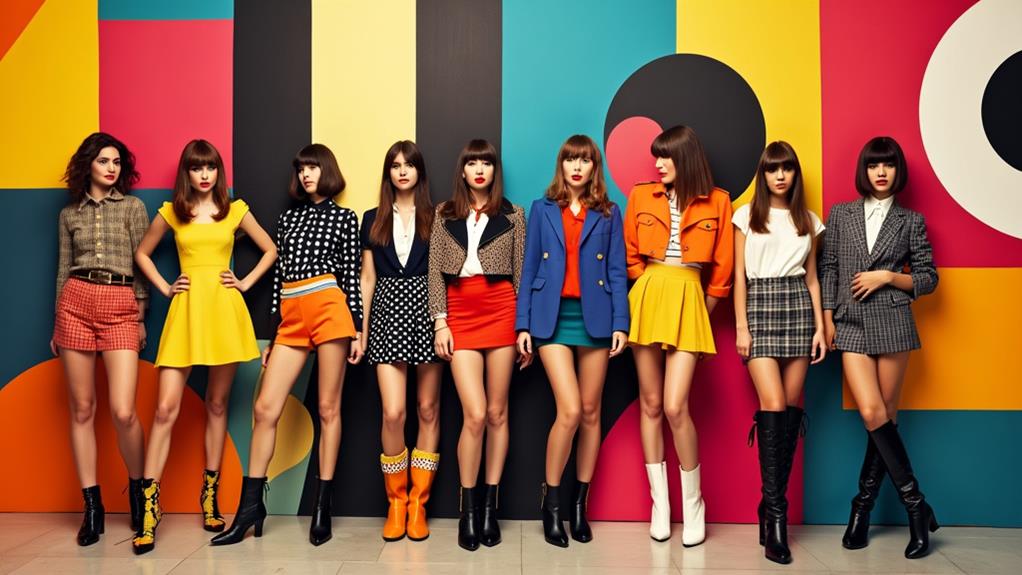
Mod fashion was a transformative force that reshaped societal norms and youth culture in the 1960s. Emerging from post-war London, Mod fashion introduced lively colors and bold graphic prints, rebelling against the conservative styles of the past. Icons like Mary Quant popularized the mini skirt, while John Stephen's boutiques became the epicenter of this cultural shift. The movement was closely intertwined with music, influencing bands like The Who and The Beatles, and leaving a legacy that continues to impact contemporary fashion. Let's examine the key elements and lasting impact of Mod fashion.
Origins of Mod Fashion
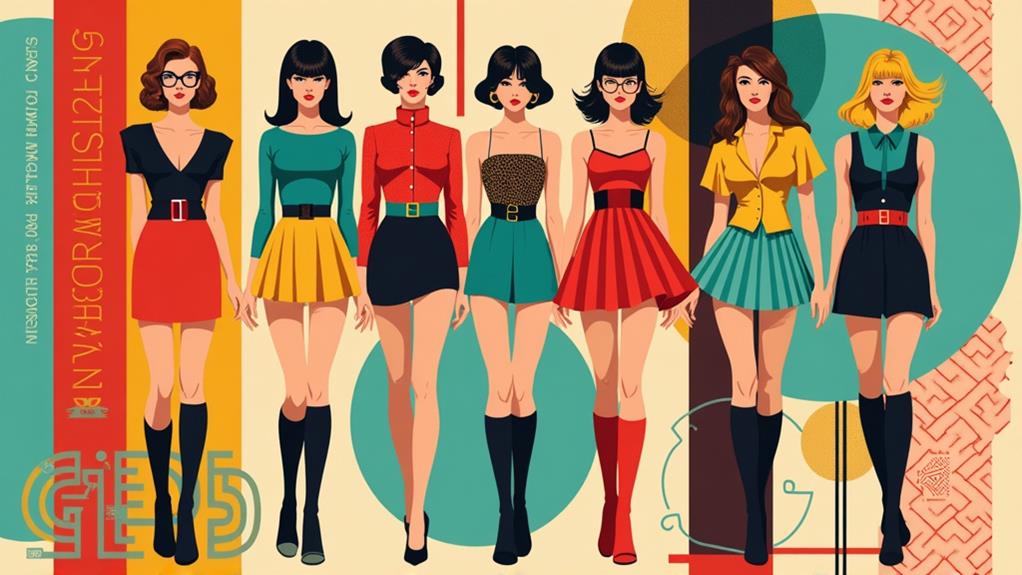
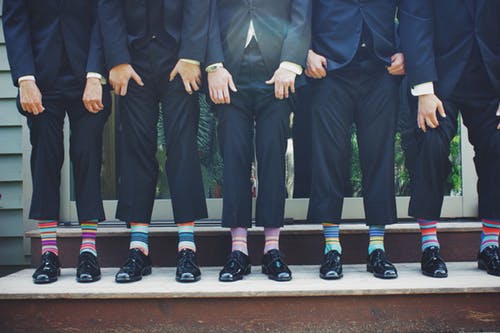
In the late 1950s, Mod fashion emerged in London, inspired by modern jazz culture and the stylish aesthetics of young working-class men. This movement was more than just a fashion statement; it was a rebellion against the conservative norms of post-war Britain. Young people eager for self-expression found their voice in Mod fashion, characterized by tailored slim suits that contrasted sharply with the previous decade's more rigid attire.
Post-war affluence played a significant role in this cultural shift. The youth had disposable income and used it to craft a distinctive Mod identity, investing in fashion, music, and lifestyle choices that set them apart from their parents' generation. The Teddy Boys of the 1950s had already begun to make bold male fashion socially acceptable, paving the way for the Mods to take it further.
London's cultural landscape was forever changed as these young rebels embraced Italian and French influences, rejecting the old guard's drabness. The Mod movement wasn't just about clothes; it was about redefining youth and style in a rapidly changing world.
Key Elements of Mod Style
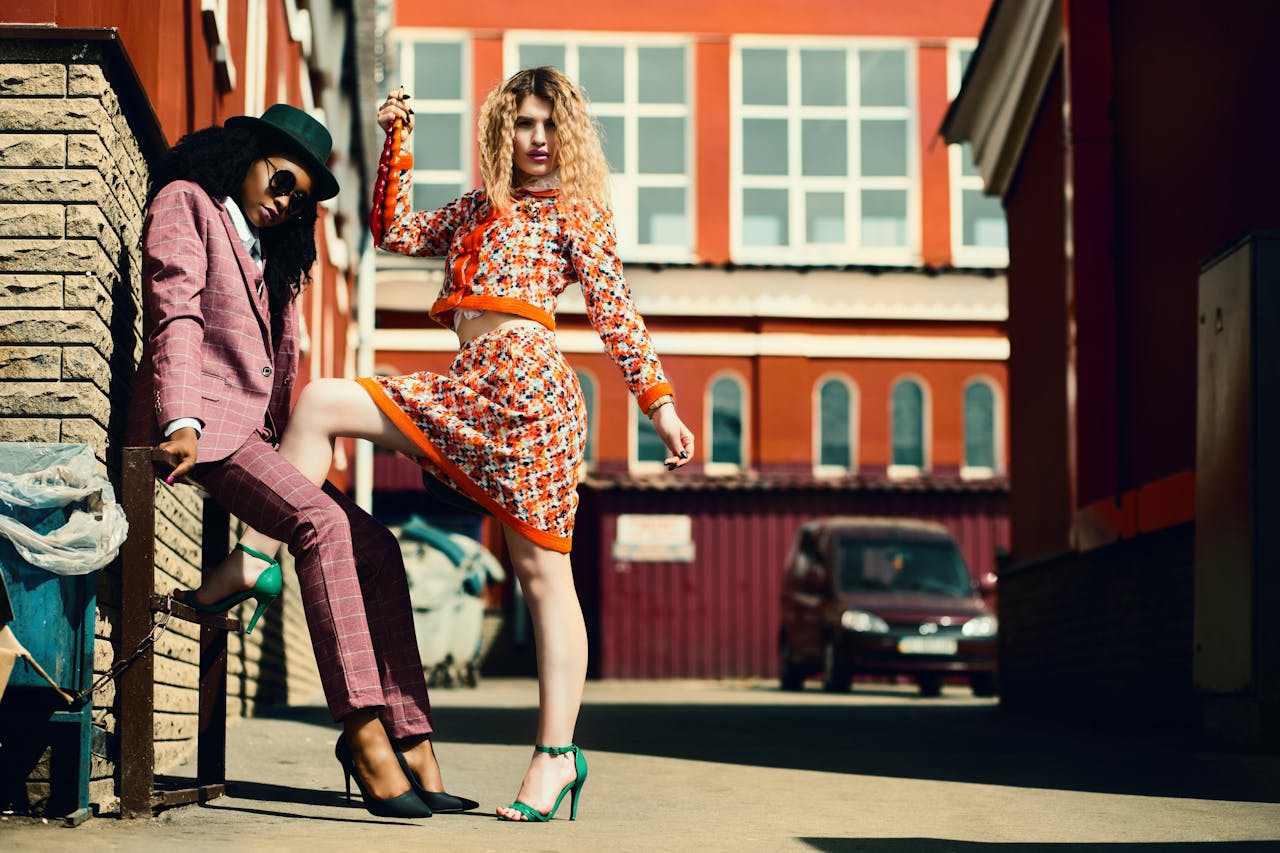
A key element of Mod style is its embrace of vibrant colors and bold graphic prints, which marked a significant departure from the conservative fashion of the 1950s. This lively aesthetic was a refreshing change, eagerly adopted by the youth culture of the 1960s. One of the most iconic pieces of Mod fashion is the mini skirt, popularized by designers like Mary Quant. Its daring length became a symbol of the period's revolutionary spirit.
Mod style also prominently features tailored suits. These sleek, well-fitted outfits, often associated with John Stephen, provided men with a sharp, polished look that contrasted sharply with the more relaxed styles of previous decades. The influence of contemporary Pop Art is evident in the graphic prints that adorned everything from dresses to skinny rib sweaters. These bold designs injected a sense of fun and modernity into everyday wear.
Accessories played a crucial role in completing the Mod look. Items like enameled flower brooches added a playful, whimsical touch. The boutique culture, particularly in hotspots like Carnaby Street, made these fashionable items accessible, enabling widespread participation in the Mod revolution.
Influential Mod Designers
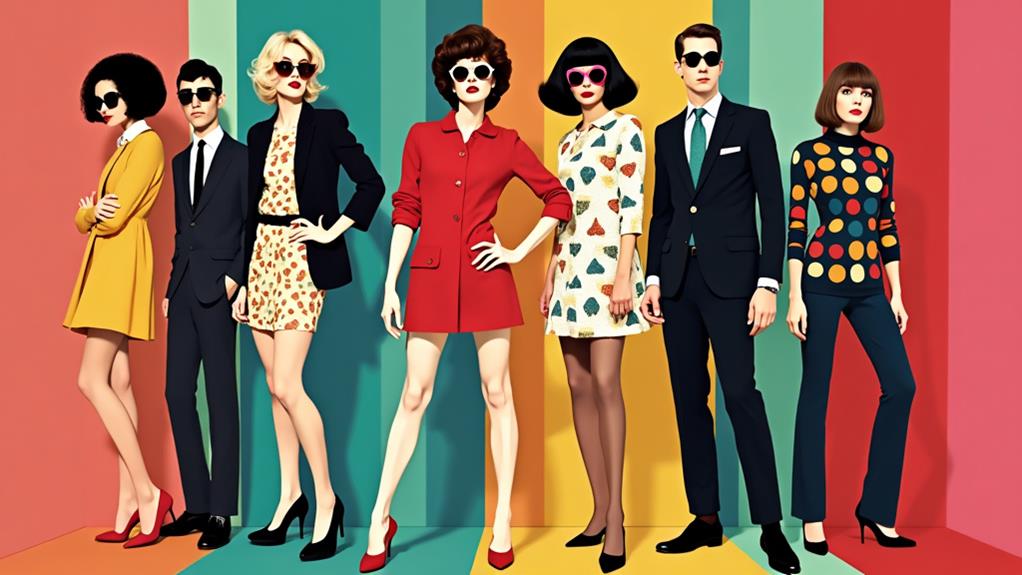
While the lively colors and bold prints defined Mod style, the visionaries behind these designs truly shaped the movement. Mary Quant, a name synonymous with Mod fashion, transformed the scene by popularizing mini skirts and her iconic black daisy logo. Her designs embodied the youthful spirit of the time, making her one of the most influential designers of the 1960s.
John Stephen, dubbed the "King of Carnaby Street," played an essential role in establishing the boutique culture in Swinging London. His tailored suits and stylish separates were key elements of Mod style, attracting young men keen to adopt this new fashion wave. Barbara Hulanicki, the brain behind Biba, brought playful and affordable designs to the masses, markedly influencing women's fashion with her fresh, youthful approach.
Yves Saint Laurent can't be overlooked either. His Mondrian shift dress cleverly merged art and fashion, capturing the essence of the 1960s cultural zeitgeist. Zandra Rhodes added her touch with groundbreaking evening wear and bold colors, elevating Mod aesthetics to high fashion. These designers didn't just create clothes; they wrote a significant chapter in fashion history.
Cultural Impact of Mod Fashion
Mod fashion sparked a cultural revolution that went far beyond clothing. Emerging in mid-1960s post-war Britain, it represented a youth-driven rebellion against conservative norms, reflecting Baby Boomers' desire for self-expression. Iconic bands like The Who and the Small Faces epitomized this movement with their tailored slim suits and lively aesthetics, reshaping youth culture.
Boutique shopping was pivotal in this movement. Carnaby Street and King's Road became hubs for young shoppers seeking independence and affordable fashion. These boutiques introduced graphic prints, bold colors, and mini skirts, merging fashion with the pop art movement and transforming the visual landscape of the time.
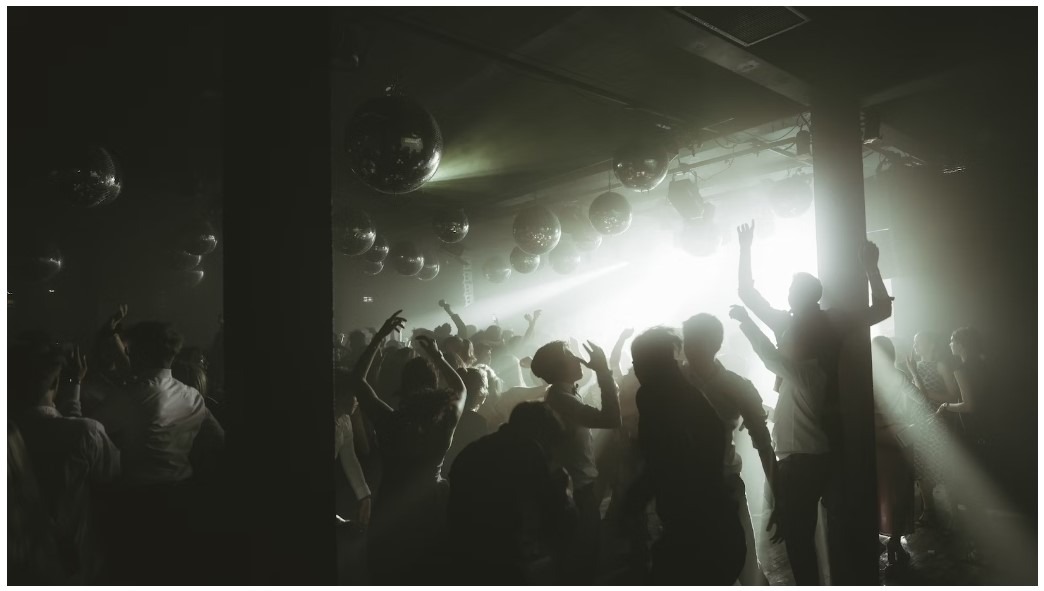
The cultural significance of Mod fashion extended to music, lifestyle, and social attitudes, driving substantial social change. Its lively aesthetics and tailored styles symbolized a new, modern identity. This fashion movement had a lasting impact, influencing contemporary trends and remaining a topic of discussion in fashion circles today. Mod fashion wasn't just about clothing; it was about personal identity and societal expression.
Legacy of Mod Fashion
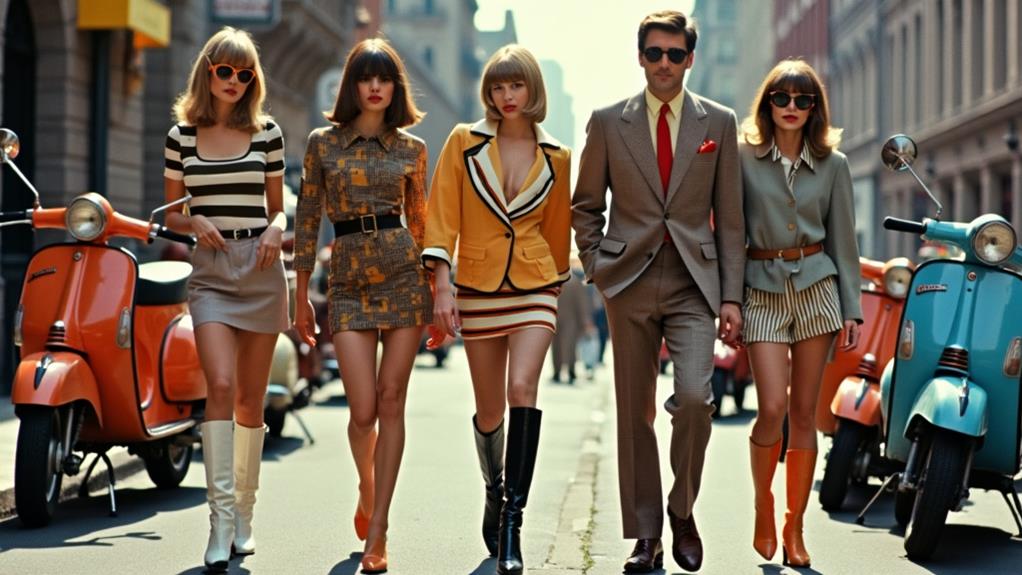
The legacy of Mod fashion continues to be a vibrant influence on modern style. Iconic pieces like the mini skirt and graphic prints, which originated in the 1960s, still hold a strong appeal and are prominently featured in contemporary wardrobes. Today's youth are drawn to these bold and innovative designs, demonstrating that the spirit of Mod fashion remains alive and relevant.
Designers like Mary Quant and Twiggy are celebrated for their groundbreaking contributions, and their influence is evident in today's fashion collections. The Mod period's emphasis on unisex and androgynous styles significantly shaped current discussions on gender fluidity and inclusivity in the fashion industry. These progressive ideals from the Mod movement continue to be essential in contemporary fashion discourse.
The rise of boutique culture during the Mod period created a direct connection between designers and consumers, a model that remains influential today. This setup fosters personalized and unique shopping experiences, ensuring that the Mod legacy continues to inspire both fashion creators and wearers.