The Influence of Technology on Wearable Fashion
You likely know that technology has transformed many aspects of life, but have you considered its impact on wearable fashion? Smartwatches, once simple timepieces, now function as mini-computers on your wrist, while smart clothing offers features like temperature regulation and health monitoring. This blend of style and functionality isn't just for tech enthusiasts; even luxury brands are embracing it. But what challenges do designers face in integrating technology with fashion, and how will future trends shape what you wear? Let's explore these fascinating questions.
Overview of Wearable Tech
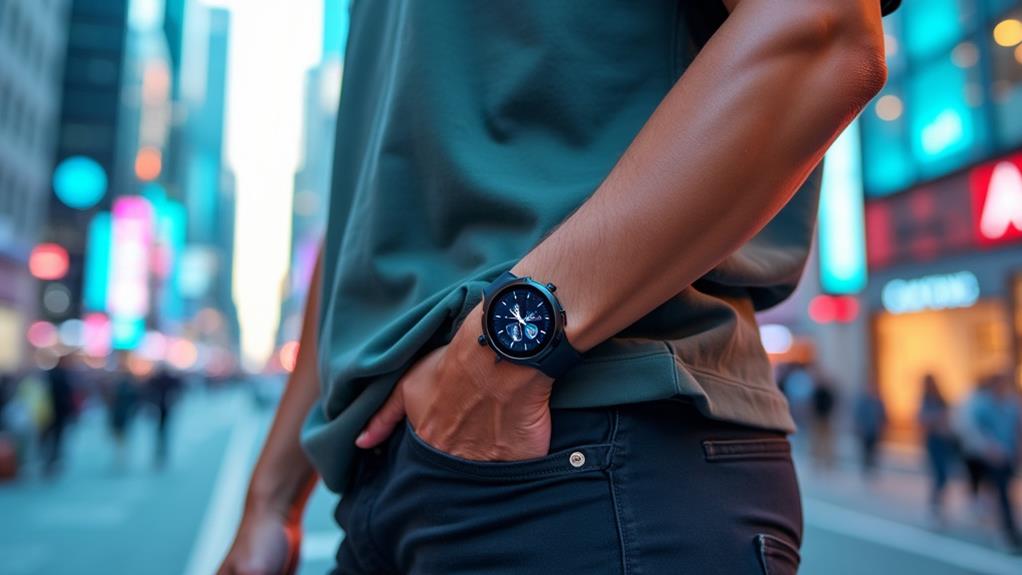
Wearable technology seamlessly integrates into everyday life, enhancing daily activities while maintaining style. In 2022, 492.1 million units of wearable tech were shipped globally, underscoring the high market demand for these multifunctional devices.
The fashion industry has quickly adapted to this trend, merging innovative designs with practical functionality. Smart clothing, for example, features temperature-regulating fabrics and responsive textiles, appealing to a diverse audience beyond tech enthusiasts. These advancements allow users to enjoy cutting-edge technology without compromising on style.
Major companies like Apple and Samsung dominate the market, but luxury brands such as Hublot are also joining in. They offer wearable devices that excel in performance and aesthetics, catering to affluent consumers who value both. This fusion of fashion and technology is redefining wearable tech, making it an integral part of modern wardrobes and lifestyles. By choosing these multifunctional devices, you're embracing a future where fashion and technology coalesce seamlessly.
Smartwatches in Fashion
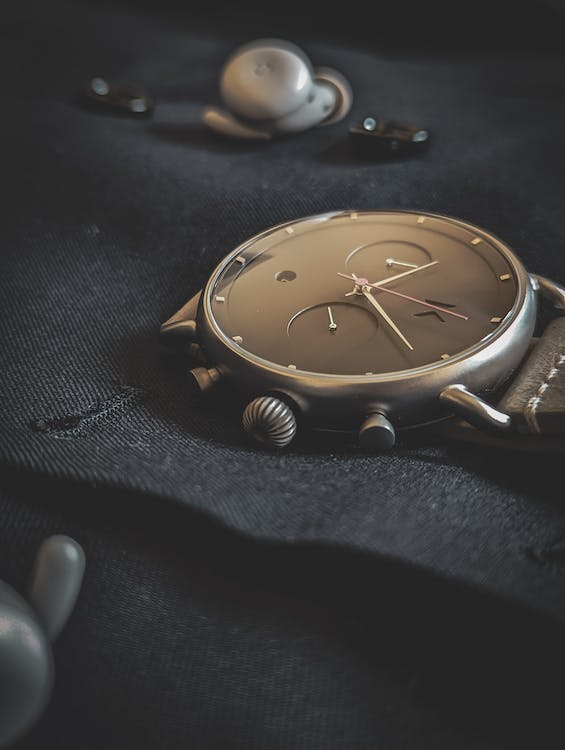
Smartwatches have evolved from simple timekeeping devices into multifunctional fashion statements, seamlessly integrating fitness tracking, health monitoring, and personal assistance. With major tech companies like Apple and Samsung dominating the market and luxury brands like Hublot entering the arena, smartwatches now serve as stylish accessories catering to diverse consumer needs. The continuous design evolution ensures these devices harmonize style with advanced technology, making them indispensable in both the tech and fashion sectors.
Multifunctional Fashion Statements
The era when watches served solely to tell time is long gone. Modern smartwatches are technological marvels, offering a multifunctional array of features that extend far beyond basic timekeeping. These devices have become fashion statements, seamlessly blending into daily wardrobes while providing smart functionalities that enhance everyday life.
Key features of smartwatches include:
- Fitness tracking: Monitor steps, heart rate, and calories burned.
- Health monitoring: Track sleep patterns and receive alerts for irregular heartbeats.
- Personal assistance: Receive notifications, control music, and answer calls directly from your wrist.
- Customizable watch faces: Express personal style with various designs and themes.
Leading brands such as Apple and Samsung have made smartwatches essential accessories for tech-savvy consumers. It's not just about utility—these devices are designed to look aesthetically pleasing, incorporating stylish elements to suit diverse fashion tastes. Luxury brands have also entered the market, offering high-end models that combine advanced technology with opulent design, appealing to affluent buyers.
In a rapidly evolving world of wearable technology, smartwatches epitomize multifunctional fashion statements, seamlessly merging practicality with personal expression.
Design Evolution Trends
Over the past decade, smartwatches have undergone a significant transformation, evolving from niche gadgets into mainstream fashion accessories. Their design evolution has seen them shift from basic timekeeping devices to multifunctional fashion statements. Today, smartwatches blend seamlessly with personal style while offering features like heart rate monitoring and sleep tracking.
Major tech companies like Apple and Samsung have been pivotal in this shift. Their smartwatches appeal to a wide demographic, not just fitness enthusiasts. On the high-fashion front, luxury brands like Hublot have integrated smartwatches into their collections to attract affluent consumers.
Here's a quick look:
| Brand | Key Features |
|---|---|
| Apple | Heart rate monitor, fitness tracker, sleek design |
| Samsung | Personal assistant, health monitor, customizable aesthetics |
| Hublot | Luxury design, high-end materials, exclusive features |
Competition in the smartwatch sector has intensified, sparking innovations in both aesthetics and functionality. With the emergence of smart rings as stylish alternatives, the landscape of wearable technology continues to evolve. This continuous push for better design and functionality ensures that smartwatches remain at the forefront of fashion trends, making them indispensable accessories for the modern individual.
Market Growth Insights
Smartwatches have evolved from mere timepieces to essential lifestyle accessories, driving significant market growth. In 2022, global shipments of wearable tech units reached an impressive 492.1 million, reflecting the increasing consumer interest in devices like smartwatches. This surge is not only a technological phenomenon but also a fashion trend.
Leading tech companies such as Apple and Samsung are spearheading the market with innovative designs and multifunctional capabilities. These smartwatches offer more than just timekeeping; they serve as fitness trackers, health monitors, and personal assistants, meeting the growing demand for versatile devices and contributing to substantial sales growth.
Luxury brands are also making their mark. High-end fashion houses like Hublot are incorporating wearable technology into their collections, targeting affluent consumers who desire a blend of elegance and advanced functionality.
The widespread appeal of smartwatches across various demographics indicates that these devices have transcended their original role as fitness tools. They have become vital fashion statements for a diverse user base.
- Global shipments reached 492.1 million in 2022
- Apple and Samsung lead the market
- Luxury brands like Hublot are entering the space
- Smartwatches function as fitness trackers, health monitors, and personal assistants
Innovations in Smart Clothing
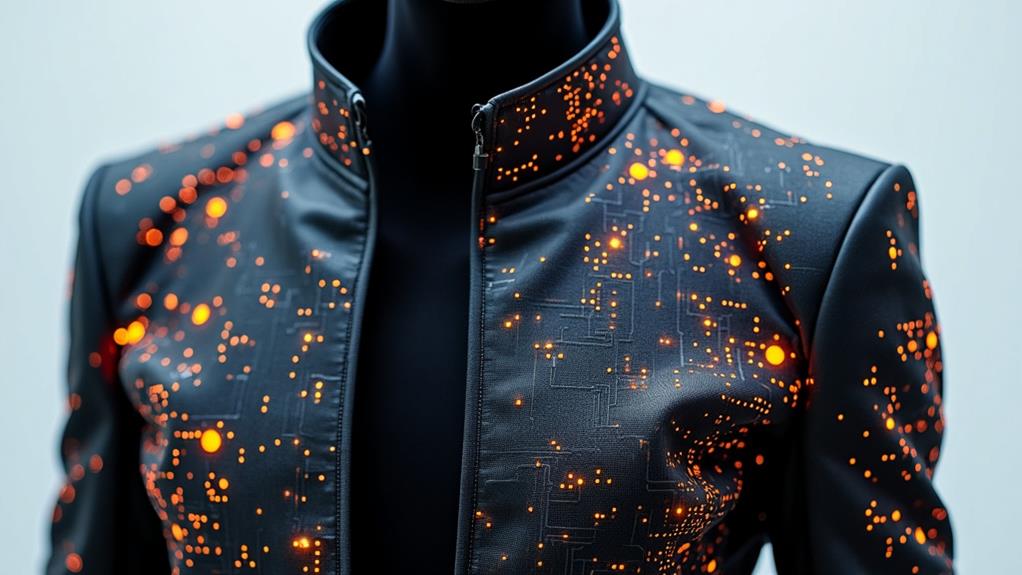
Smart clothing seamlessly blends adaptive fabric features with advanced technology, offering both style and practicality. Picture a jacket that adjusts its insulation according to the weather or a shirt that changes color to reflect your mood. These innovations not only look appealing but also enhance functionality, making your wardrobe more adaptable than ever.
Adaptive Fabric Features
Imagine a world where your clothing seamlessly adapts to your environment, keeping you comfortable no matter the weather. Thanks to adaptive fabrics, this is now a reality in smart clothing. These fabrics can regulate temperature, allowing you to stay comfortable in diverse conditions without the hassle of multiple layers. As technology and fashion intersect, groundbreaking products are born, transforming the way we experience clothing.
Adaptive fabrics have given rise to smart clothing that offers more than just aesthetic appeal. For instance, weather-responsive jackets can automatically adjust their insulation levels based on external temperatures, ensuring you remain warm or cool, depending on the environment. Additionally, color-changing fabrics respond to stimuli like temperature or light, adding both functionality and a unique style element to your wardrobe.
Notable Features of Adaptive Fabrics:
- Temperature regulation: Maintains comfort in various conditions.
- Color-changing capabilities: Reacts to stimuli for enhanced aesthetics.
- Weather-responsive insulation: Adjusts based on external temperatures.
- Integrated health sensors: Monitors metrics like heart rate and muscle activity.
These advancements in smart textiles blur the lines between fashion and functionality, showcasing just how far technology has come in improving our daily lives through wearable innovation.
Fashion and Utility
Fashion and utility are no longer at odds, thanks to innovations in smart clothing that seamlessly integrate cutting-edge technology with contemporary style. Equipped with wearable technology, smart clothing is transforming the way we experience fashion. Imagine wearing a jacket that adjusts its insulation based on the weather or a shirt that monitors your health metrics, providing real-time data. This is no longer science fiction; it's your new wardrobe.
One of the most practical applications of smart clothing is temperature-regulating fabrics. These materials adapt to your body's needs, keeping you comfortable regardless of the external environment. Weather-responsive jackets are not only functional but also stylish, making them perfect for daily wear.
Smart clothing extends beyond comfort and health monitoring. Augmented reality features are being integrated, offering interactive experiences directly from your apparel. Fashion brands and tech companies are collaborating to push the boundaries of what's possible, creating garments that are both high-tech and fashionable.
The market for smart clothing is expanding rapidly, driven by consumer demand for apparel that combines style and functionality. As wearable technology continues to evolve, your wardrobe will only get smarter.
Challenges in Integration
In the realm of wearable fashion technology, designers encounter significant challenges when integrating tech elements without compromising comfort or style. Achieving a balance between functionality and aesthetic appeal is often complex. Consumers expect both innovative technology and trendsetting designs, making it difficult to meet these high demands.
Fashion-tech companies face several obstacles, including:
- Design hurdles: Balancing technology with comfort and style is challenging. A bulky device embedded in a sleek dress could disrupt the overall look.
- Market competition: With numerous brands competing for attention, standing out remains a constant challenge. Innovation is essential, but so is preserving a unique identity.
- Cost: Tech-infused fashion generally comes with a higher price tag, potentially limiting the market to more affluent consumers.
- Aesthetic compromise: Incorporating tech features can sometimes detract from a product's visual appeal, making it less attractive to fashion-forward buyers.
Creative solutions are essential to advance wearable tech while ensuring these items remain stylish and accessible. This challenging yet exciting field demands continuous innovation to thrive.
Future Trends in Fashion Tech

The future of fashion tech is set to bring transformative changes to how we wear, shop for, and think about clothing. Expect to see significant advancements in wearable technology, making garments more functional than ever before. Picture clothing that adapts to your body temperature, keeping you cool in the heat and warm in the cold.
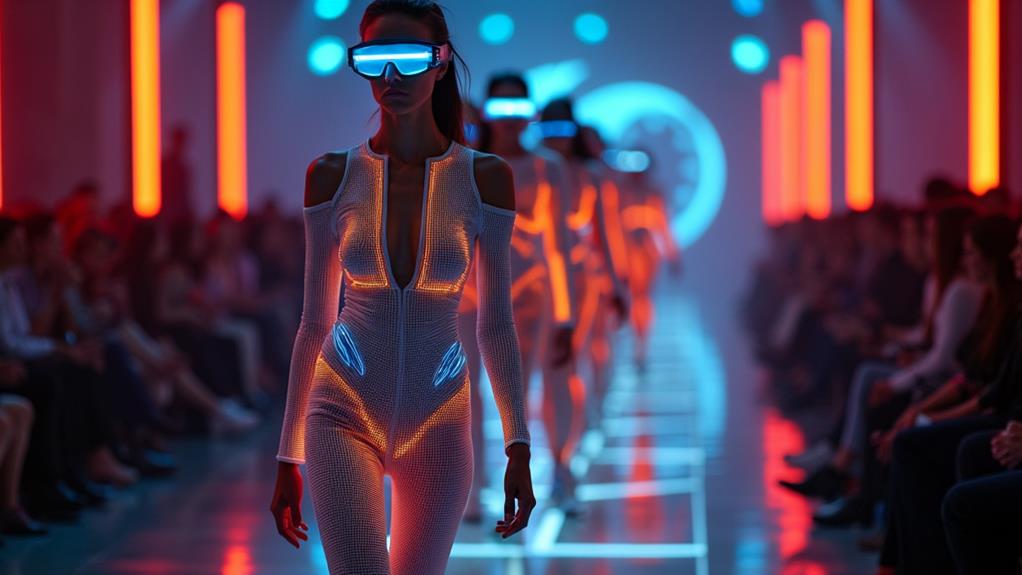
Augmented Reality (AR) fitting rooms and virtual fashion shows are poised to revolutionize the shopping experience. You'll be able to try on outfits virtually, ensuring a perfect fit without leaving your home. These innovations will make shopping more convenient and engaging.
Sustainability is also a growing focus. Brands are increasingly turning to biodegradable fabrics and energy-efficient production methods, aiming to reduce the environmental impact of fashion. Wearable tech won't just monitor your health and fitness; it will also promote sustainable living practices.
Here's a snapshot of these trends:
| Trend | Description | Impact on You |
|---|---|---|
| Wearable Technology | Garments with built-in tech for health and fitness tracking | Enhanced health monitoring and insights |
| Augmented Reality | Virtual fitting rooms and fashion shows | More convenient and engaging shopping |
| Sustainable Practices | Use of biodegradable fabrics and energy-efficient tech | Eco-friendly choices benefiting the planet |
These innovations will make your wardrobe smarter, more sustainable, and highly interactive.
Sustainability and Wearables
Sustainability and wearables are converging to create a more eco-conscious fashion industry. Wearable technology is pushing the boundaries of sustainability, introducing innovations like temperature-adaptive clothing that reduce the need for multiple layers and cut down on production waste. This smart revolution is helping the fashion world become more eco-friendly.
Consider the rise of biodegradable fabrics and synthetic materials like spider silk. These innovations aim to replace petroleum-based textiles, making wardrobes greener. Startups and established brands, such as SPIBER and North Face, are collaborating to develop sustainable textiles that are not only technologically advanced but also environmentally conscious.
Energy-efficient technologies integrated into wearables, such as in-built energy cells and solar panels, also play a significant role. These advancements help lower the carbon footprint of fashion products, aligning with the increasing consumer demand for a sustainable lifestyle.
Consumer awareness of sustainability is growing, driving demand for eco-friendly wearable tech options. By choosing these sustainable products, individuals contribute to a greener planet.
- Temperature-adaptive clothing reduces production waste.
- Biodegradable fabrics replace petroleum-based textiles.
- Energy-efficient technologies lower carbon footprints.
- Collaborations between startups and brands drive innovation.
Your choices in wearable tech can make a real difference.
Consumer Adoption and Impact
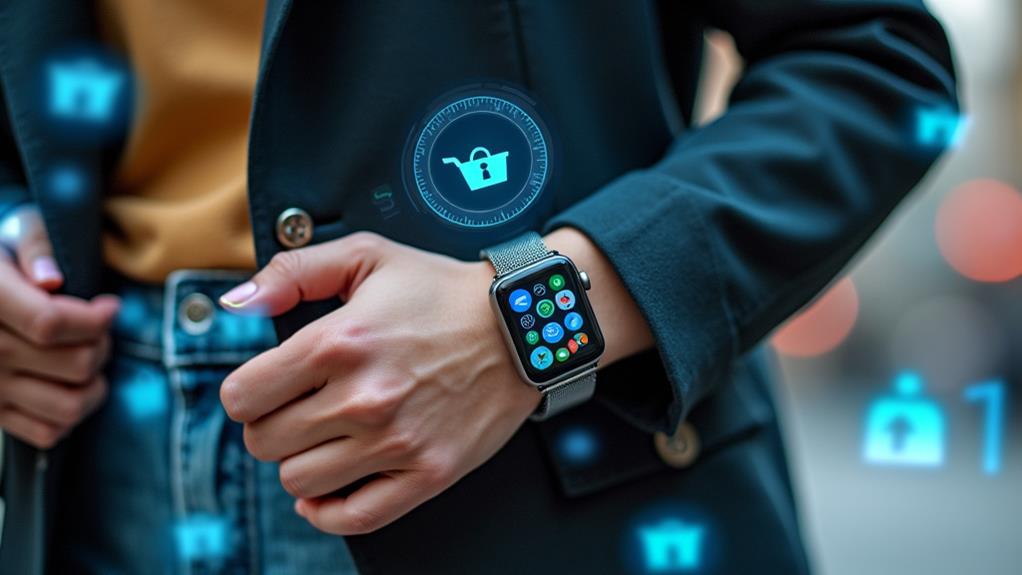
Consumer enthusiasm for wearable technology is skyrocketing, with global shipments reaching 492.1 million units in 2022. These devices are gaining popularity because they offer multifunctional benefits. Beyond being mere gadgets, they serve purposes ranging from fitness tracking and health monitoring to acting as personal assistants. Consequently, smartwatches have become indispensable for many users.
However, despite the growing adoption, privacy concerns remain a significant issue. Research indicates that 51% of adults in the UK and US are worried about the data these devices collect. Balancing convenience with privacy is crucial to maintaining this adoption trend.
| Feature | Benefit |
|---|---|
| Fitness Tracking | Monitor health and activity |
| Health Monitoring | Track important vital signs |
| Personal Assistant | Manage schedules and tasks |
| Aesthetic Appeal | Fashionable smart jewelry |
| Brand Trust | Reliability from major brands |
Smart jewelry is another sector experiencing a surge in consumer interest. These pieces combine aesthetic appeal with practical features like health tracking, offering an alternative to traditional smartwatches. Brands such as Apple and Samsung dominate this market, indicating a consumer preference for trustworthy and reliable brands.
Augmented reality is also making its way into wearable fashion, further enhancing user experiences. As wearable technology continues to evolve, your adoption of these innovations will likely depend on both their functionality and the confidence you place in these devices.