
The Influence of Surf Culture on 1960s and 1970s Fashion

When you think about the fashion of the 1960s and 1970s, surf culture often comes to mind with its vibrant colors, bold patterns, and relaxed styles. This era wasn't just about riding the waves; it embodied a lifestyle that seamlessly integrated into mainstream fashion. Hawaiian shirts, board shorts, and tank tops became iconic, thanks in part to films like "Gidget" and bands like The Beach Boys. But how did this niche culture leave such a lasting impact on global fashion trends? Let's explore how surf culture's laid-back ethos influenced an entire generation's wardrobe.
Origins of Surf Culture
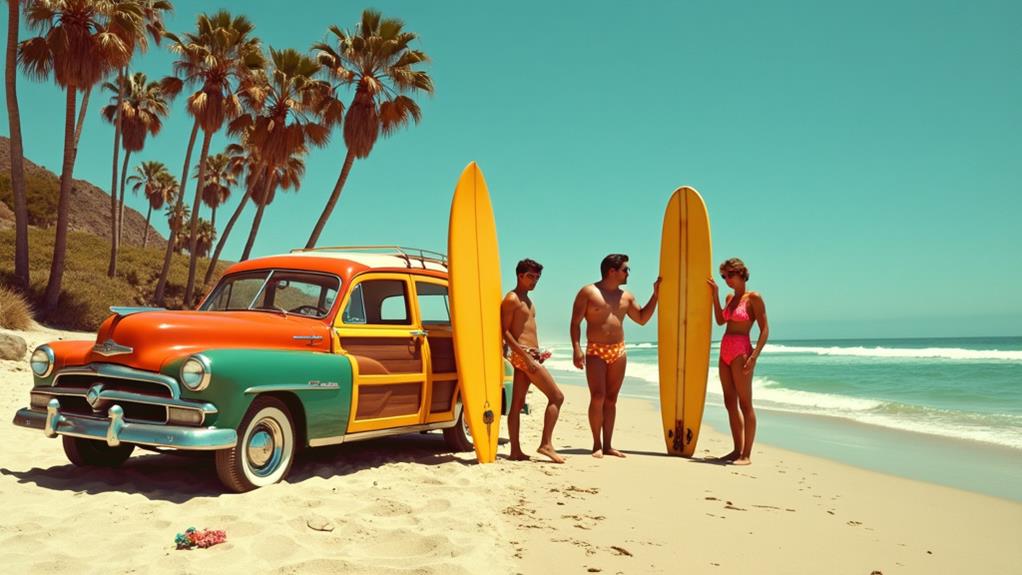
The origins of surf culture date back over 1,500 years to ancient Polynesia, particularly Hawaii, where it was more than a pastime but an essential part of community life. The Kapu system governed early surf culture, establishing rules and taboos that regulated access to surfboards and prime surfing spots, often reserving them for royalty. This system underscored the significant role surfing played in society and helped shape its history.
In the 1800s, Christian missionaries arrived and negatively impacted surfing's perception, viewing it as a hedonistic activity, leading to a decline in traditional practices. However, Native Hawaiians resisted these changes, demonstrating resilience and a commitment to preserving their surfing traditions. This dedication ensured that surf culture would endure despite external pressures.
Key figures like Duke Kahanamoku and George Freeth were instrumental in promoting surfing internationally in the early 1900s. Their demonstrations showcased the sport's appeal and laid the groundwork for its global popularity. Kahanamoku, often referred to as the father of modern surfing, also influenced the popularization of Hawaiian shirts, embedding surf culture into broader fashion trends. Their efforts were pivotal in making surfing a worldwide phenomenon.
Surfing's Spiritual Significance
Surf culture is deeply rooted in spirituality. Ancient Hawaiians considered surfing a sacred act, with rituals and prayers led by kahuna to honor ocean deities. Modern surfers continue these traditions through practices like paddle outs and memorial services, maintaining the spiritual connection to the ocean.
Rituals and Deities
Deeply rooted in ancient Hawaiian culture, surfing was more than just a sport; it was a sacred activity intertwined with spiritual beliefs. Ancient Hawaiians regarded surfing as a religious practice, honoring deities associated with the ocean and waves. Before crafting surfboards, Kahuna (priests) performed rituals, including spiritual chants like "Pohuehue," to invoke blessings from nature. These rituals were essential for ensuring harmony and respect for the environment.
Significant spiritual sites like Ku'emanu Heiau at Kahalu'u Bay served as places where prayers were offered for favorable surf conditions. This deep connection between surfing and spirituality underscored the importance of natural elements in their daily lives.
To make it more relatable, here are some key aspects:
- Kahuna Rituals: Priests conducted ceremonies before making surfboards to ensure they were blessed by the deities.
- Sacred Sites: Locations like Ku'emanu Heiau were critical for offering prayers and ensuring favorable surf conditions.
- Spiritual Chants: Chants such as "Pohuehue" were integral, invoking the spirit of the ocean.
- Modern Connections: Today, rituals like paddle outs continue this spiritual legacy, blending ancient practices with modern tributes.
Understanding these rituals and deities provides a richer perspective on surfing's spiritual significance.
Spiritual Practices Today
In contemporary times, the spiritual essence of surfing manifests through various modern practices that echo ancient traditions. The spirituality associated with surfing today often mirrors the rituals of ancient Hawaiian kahuna, who chanted and made offerings to deities for favorable surf conditions. Modern surfers have adopted similar practices, emphasizing their spiritual connection with the ocean.
One prominent example is the paddle out, a communal memorial service where surfers honor deceased members of their community. These gatherings, like the annual Eddie Aikau memorial service at Waimea Bay, blend tradition with contemporary spirituality, paying homage to legendary figures in surf history. Participating in these ceremonies reinforces the deep sense of community and respect for the ocean's power.
Additionally, the process of shaping surfboards is imbued with spiritual beliefs and mindfulness, reminiscent of ancient practices. Creating or customizing a surfboard can foster a profound connection to the natural environment. This evolution of surf culture highlights a modern resurgence in recognizing and honoring surfing's spiritual significance, as surfers seek deeper connections with the ocean and their community through these sacred practices.
Early Surf Fashion

Early surf fashion is often associated with Hawaiian shirts featuring bright prints and styles inspired by island culture, which gained popularity on the mainland USA by the mid-1930s. By the 1950s and 1960s, functional surf wear like board shorts and tank tops became prominent, designed for mobility and comfort in the water. Southern California's laid-back surf culture embraced baggy shorts and vibrant, colorful attire, capturing the aloha spirit and establishing surf fashion's unique identity.
Hawaiian Shirt Popularity
Hawaiian shirts, characterized by their vibrant prints and vivid colors, quickly became a staple among tourists and surfers in the early 20th century, setting the stage for surf fashion. Introduced to the mainland USA in the mid-1930s, these shirts were more than mere garments; they symbolized the emerging surf culture. By the 1950s and 1960s, Hawaiian shirts epitomized the relaxed beach lifestyle, becoming iconic attire for surfers and beachgoers alike.
The popularity of Hawaiian shirts surged, fueled by the influence of surf bands like The Beach Boys and films such as "Gidget." These cultural phenomena solidified the shirts as a key element of 1960s fashion. As surf culture evolved, Hawaiian shirts transitioned from simple, practical clothing to fashionable statement pieces, embodying the vibrant spirit and aesthetic of the surfing community.
Here are four reasons for the widespread popularity of Hawaiian shirts:
- Bold Prints: The striking designs captured the essence of the carefree beach lifestyle.
- Celebrity Endorsements: Popular bands and films prominently featured these shirts.
- Comfort: Lightweight and breathable, ideal for beach activities.
- Versatility: Suitable for both casual and social occasions.
Functional Board Shorts
Board shorts quickly became a cornerstone of early surf fashion, designed with surfers' needs in mind. These functional shorts emerged to provide maximum mobility and comfort while riding waves. Made from lightweight, quick-drying materials, they are perfect for the active lifestyle of surfers. Unlike traditional swimwear, board shorts extend to the knee or slightly above, promoting ease of movement and capturing a laid-back, beach-friendly vibe synonymous with surf culture.
Early board shorts often featured bold patterns and vibrant colors, embodying the playful and free-spirited nature of surfing. This set the stage for future surf fashion trends, making these shorts not just practical but also stylistically significant.
The introduction of Velcro and elastic waistbands revolutionized the fit and convenience of board shorts. These innovations ensured a more secure and comfortable experience, whether you are out on the waves or lounging on the beach. Iconic surf brands like Hang Ten and Quiksilver played a crucial role in popularizing these shorts in the 1970s, ensuring they became a vital part of surf culture and beach fashion.
Evolution of Surf Style
The evolution of surf style has been a vibrant journey, deeply intertwined with the carefree ethos and aloha spirit of surf culture.
1950s-1960s: The Dawn of Modern Surf Fashion
Modern surf fashion burst onto the scene in the 1950s and 1960s, becoming synonymous with bright colors and playful patterns. Iconic attire like boardshorts, Hawaiian shirts, and tank tops mirrored the lively energy of the surfing lifestyle and became staples both in and out of the water. The influence of surf culture on fashion was undeniable.
Influential Films: "Gidget" and "Endless Summer"
Surf films like "Gidget" and "Endless Summer" played a significant role in popularizing surf-inspired clothing among youth and beachgoers, fueling demand for the vibrant styles associated with the sport.
1970s: Psychedelic Patterns and Bold Colors
As the 1970s rolled in, surf fashion evolved to include bold psychedelic patterns and even more lively colors. This period saw surf culture merging with the broader counterculture, influencing fashion trends far beyond the beaches.
1980s: The Rise of Dedicated Surf Brands
By the 1980s, dedicated surf brands like Billabong and Quiksilver emerged, solidifying the connection between surf culture and fashion. These brands helped establish a distinct identity for surfers in the clothing industry.
Key Surfing Figures
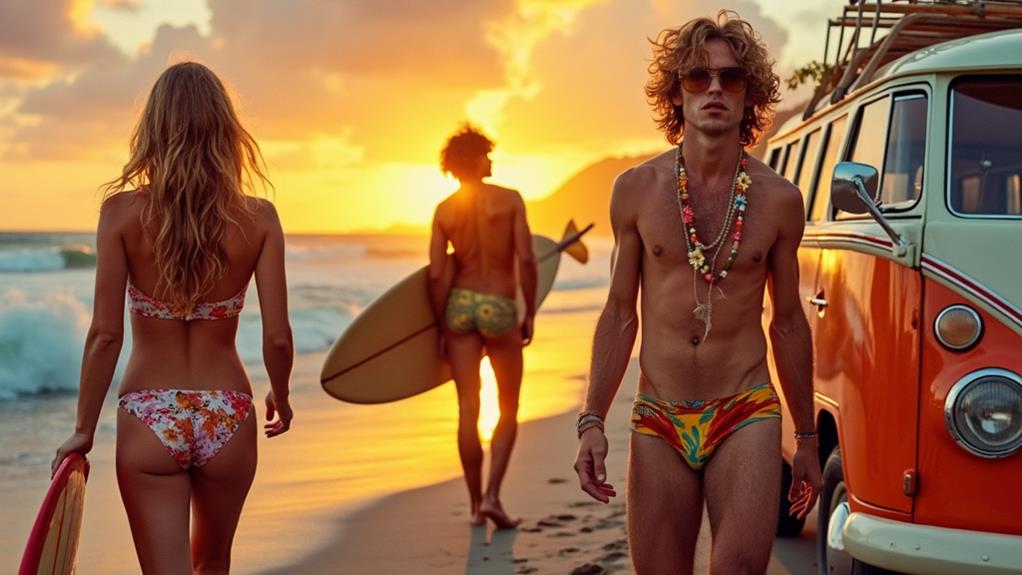
In examining surf culture's influence on fashion, one must acknowledge the key figures who shaped it. From Duke Kahanamoku's global impact in the early 1900s to Jericho Poppler's pioneering achievements in the 1970s, these icons set the stage for surf-inspired trends. Their contributions not only popularized the sport but also introduced a distinctive, laid-back style to mainstream fashion.
Pioneers of Surfing
In the early 1900s, Duke Kahanamoku, often called the "Father of Modern Surfing," played a crucial role in making surfing a global phenomenon. By showcasing surfing in places like Australia, New Zealand, and California, Duke laid the groundwork for the sport's worldwide popularity. As one of the key pioneers of surfing, his influence is monumental.
George Freeth, another essential figure, brought surfing to the mainland United States. His demonstrations at California beaches were instrumental in sparking interest and cultivating surf culture. Freeth's efforts dovetailed with those of Duke Kahanamoku, making the sport a cherished pastime along the Californian coast.
Let's highlight some key figures who helped shape surfing:
- Duke Kahanamoku - Popularized surfing globally in the early 1900s.
- George Freeth - Introduced surfing to mainland USA.
- Jericho Poppler - Pioneered female surfing in the 1960s.
- Bruce Brown - Filmmaker of "Endless Summer," mainstreamed surf culture.
While the Beach Boys were the sound of the surf, it was these pioneers of surfing who crafted the culture and lifestyle, influencing everything from music to fashion. Their contributions helped lay the foundation for surfing's massive cultural impact.
Influential Surf Icons
Surf culture's profound influence on both the sport and lifestyle can be traced back to key figures who not only mastered the waves but also shaped the broader cultural landscape. Duke Kahanamoku, known as the "father of modern surfing," played a pivotal role in spreading surfing beyond Hawaii. His demonstrations in Australia and the mainland U.S. during the early 1900s laid the foundation for surfing's global appeal.
In the 1970s, Jericho Poppler emerged as a groundbreaking female surfer, breaking gender barriers and becoming a role model for women in a male-dominated sport. Her influence extended beyond the waves, impacting fashion trends tied to surf culture. Poppler's effortlessly cool and functional style helped popularize the laid-back look synonymous with surfers.
Bruce Brown's iconic film "The Endless Summer" (1966) showcased the global surf lifestyle, embedding surf culture into mainstream consciousness. His work influenced not just how people viewed surfing but also how they dressed, strengthening the bond between surf culture and fashion.
These influential icons, from Duke Kahanamoku to Jericho Poppler, played significant roles in blending surfing with broader lifestyle and fashion trends, making surf culture a noteworthy force in the 1960s and 1970s.
Surf Culture and Music
Surf culture made a significant impact on the music scene in the 1960s and 70s, infusing it with carefree, sun-soaked vibes that bands like The Beach Boys turned into chart-topping hits. Surf music, characterized by its upbeat tempo and guitar-driven sound, became a distinct genre that reflected the vibrant lifestyle of the period. Reverb-laden guitars, evoking the sensation of ocean waves, defined the sound and forged a strong connection between surf culture and music.
The rise of surf rock not only influenced the music charts but also shaped fashion trends. Musicians often performed in casual beachwear, such as board shorts, Hawaiian shirts, and flip-flops, embodying the relaxed style that surfing epitomized. This imagery became iconic, influencing album covers, concert posters, and the broader youth culture of the time.
Here are four key ways surf culture and music influenced fashion:
- Board Shorts: Musicians popularized these during performances, cementing them as a staple in casual fashion.
- Hawaiian Shirts: These vibrant shirts gained popularity due to their strong association with surf culture.
- Flip-Flops: Comfortable and casual, they naturally complemented the laid-back surf lifestyle.
- Reverb-laden Guitars: The sound mirrored ocean waves, adding an auditory dimension to the surf aesthetic.
Surf Films and Media
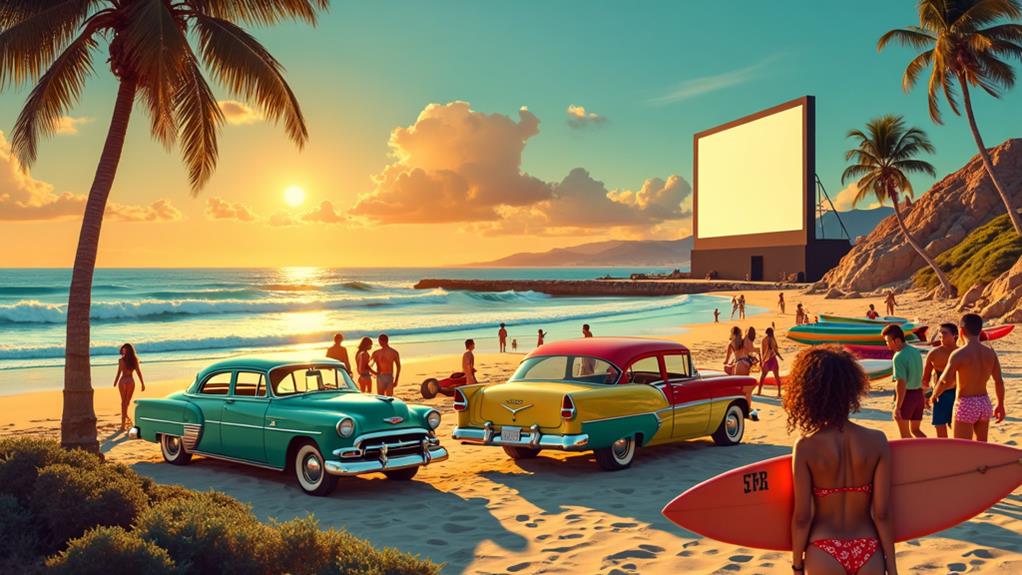
Bruce Brown's seminal film, "The Endless Summer," did more than document surfing; it catapulted surf culture into the mainstream. The film showcased surfers chasing perfect waves worldwide, making the laid-back lifestyle and surf fashion irresistible to many. Bright colors, casual styles, and iconic items like boardshorts and Hawaiian shirts became synonymous with beach culture.
The influence extended beyond films. Surf media, particularly magazines like Surfer Magazine, played a crucial role in documenting and promoting surf culture. These publications highlighted the latest trends and provided a platform for surf fashion to reach a broader audience. Surf wear, once exclusive to surfers, permeated mainstream culture, evidenced by the pages of these magazines.
The connection between surf films and music, especially with bands like The Beach Boys, reinforced this association. The carefree, youthful lifestyle depicted in both media forms made surf fashion even more appealing. By the late 1970s, surf films had helped evolve surf fashion into a global phenomenon. Brands capitalized on this trend, marketing clothing lines that went beyond the surfing community to attract anyone drawn to the surf lifestyle.
Functional Surf Wear
Surf films and media popularized surf culture, but the functionality of surf wear was crucial to its widespread appeal. In the 1950s and 60s, surf wear focused on practicality with items like board shorts and tank tops designed for ease of movement and quick drying. Jack O'Neill's invention of the wetsuit revolutionized surf wear by providing warmth and protection in colder waters, allowing surfers to extend their sessions.
Key features of functional surf wear include:
- Lightweight and breathable fabrics: Ensuring comfort during water sports.
- UV protection: Safeguarding against harmful sun exposure.
- Footwear options: Surf sandals and water shoes offer grip and comfort on wet surfaces.
- Performance-oriented designs: Adapting to the evolving demands of the sport.
These innovations mirrored the adventurous spirit of the surfing community. Board shorts, tank tops, and wetsuits were not just fashion statements but essential gear that improved performance and safety. The focus on practicality enabled surfers to push boundaries and fully enjoy the sport.
Surf Fashion Trends

In the 1960s and 1970s, surf fashion blossomed with vibrant colors and psychedelic patterns, reflecting the free-spirited and progressive ethos of the surfing community. This colorful style was prominently seen in boardshorts, which became an iconic staple in surf culture. Often paired with Hawaiian shirts and tank tops, these shorts epitomized the laid-back and carefree lifestyle associated with surfing.
During this period, wet suits also saw significant advancements due to improvements in materials and design. These innovations enabled surfers to tackle colder waters and larger waves, pushing the boundaries of the sport. The evolution of wet suits not only enhanced performance but also added a new dimension to surf fashion by merging functionality with style.
Influential surf films like "Endless Summer" played a crucial role in promoting these surf fashion trends. These films showcased the lifestyle and aesthetics associated with surfing, bringing the colorful styles into the mainstream. By the late 1970s, dedicated surf clothing brands like Billabong and Quiksilver began to dominate the market, blending functionality with style and solidifying the distinct look of surf culture. This era truly set the stage for modern surf fashion.
Surf Culture's Lasting Impact
The surf fashion trends of the 1960s and 1970s laid the groundwork for a lasting influence that remains evident today. The laid-back vibe of surf culture introduced enduring fashion staples like Hawaiian shirts, boardshorts, and flip-flops, which have become timeless symbols of casual wear. Popularized by the Beach Boys and films like "Gidget," these items continue to evoke a relaxed, carefree lifestyle.
In the 1970s, bright colors and bold patterns emerged, reflecting the era's psychedelic influences and progressive surfing movements. This period saw the rise of iconic brands like Hang Ten and Quiksilver, which helped solidify surf culture's presence in mainstream fashion. These brands not only catered to surfers but also attracted a broader audience eager to adopt the surf aesthetic.
The lasting impact of surf culture on today's fashion can be broken down into several key elements:
- Casual Wear: Surf-inspired items like boardshorts and flip-flops remain summer staples.
- Iconic Brands: Companies like Quiksilver and Hang Ten continue to be influential in both surf and mainstream fashion.
- Bold Patterns: The vibrant, bold patterns of the 70s are still popular in modern designs.
- Lifestyle Symbol: Surf fashion is synonymous with a laid-back, free-spirited lifestyle.
Through these elements, surf culture's influence endures, shaping casual wear across generations.