The Evolution of Men's Facial Hair: From Handlebar Mustaches to Mutton Chops
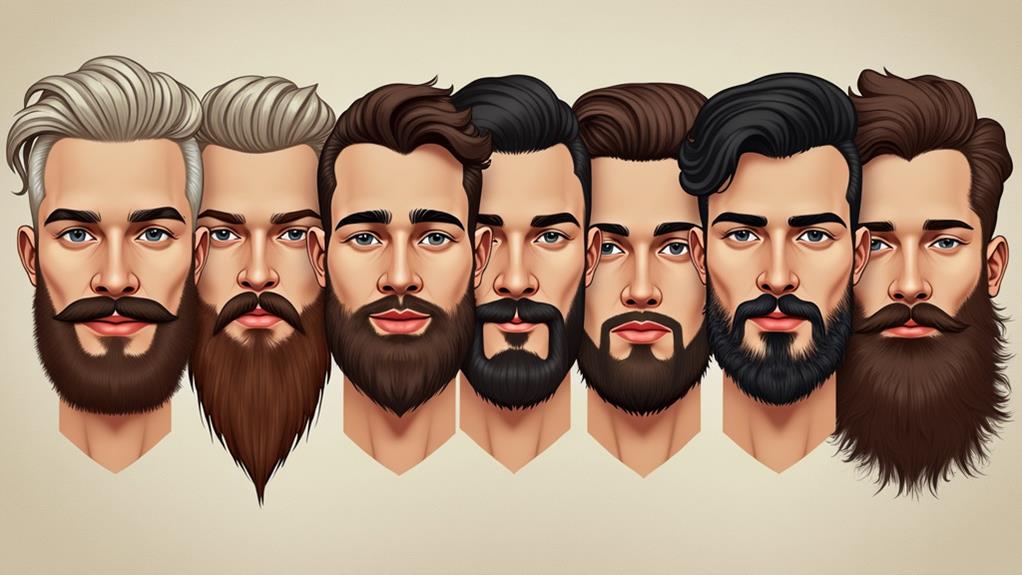
The evolution of men's facial hair, from handlebar mustaches to mutton chops, reflects broader cultural and societal shifts. These styles are not mere trends but symbols of changing norms and values. Iconic figures like Abraham Lincoln and Mark Twain used facial hair to convey masculinity and rebellion. The rise and fall of these styles, and their modern resurgence, reveal deeper cultural meanings. Exploring these iconic looks uncovers the significance behind each whisker and trim.
Historical Overview of Facial Hair

Facial hair has undergone significant transformations throughout history, mirroring broader societal changes and cultural influences. In the mid-19th century, facial hairstyles like beards and mustaches experienced a resurgence, inspired by notable figures such as Abraham Lincoln. This period featured various beard styles, from full beards to more intricate designs.
In the late 19th century, diverse facial hair styles gained popularity, including handlebar mustaches, mutton chops, and goatees. Photography played a significant role in popularizing these styles, capturing the evolving aesthetics of masculinity. By the mid-20th century, the 1954 Elmira Mustache Club exemplified a resurgence of facial hair trends after a decline during Puritanical America. This phase showcased a renewed interest in elaborate mustaches and beards, reflecting shifting societal norms.
The 1960s brought another wave of change, with cultural movements like the hippie movement reviving unshorn looks. This period celebrated natural beard styles, symbolizing a break from conventional norms. Today, contemporary trends embrace a wide range of facial hairstyles, with events like beard competitions highlighting the ongoing cultural evolution. From handlebar mustaches to modern beards, these styles continue to shape and reflect current societal values.
Influences on Facial Hair Trends
As we transition from the historical overview of facial hair to the factors shaping its trends, it becomes evident that cultural movements have significantly influenced these trends. The influences on facial hair trends are diverse and deeply intertwined with cultural and technological evolutions over time.
For instance, the 1960s counterculture embraced unshorn looks as a rebellion against the clean-shaven norms of previous decades, profoundly impacting the popularity of specific facial hair styles. Additionally, advancements in grooming technology have revolutionized men's grooming habits. The transition from straight razors to safety and electric razors has made maintaining various styles more accessible and convenient.
Political and social influences have also played a crucial role in shaping facial hair trends. Iconic figures such as Abraham Lincoln with his chin curtain or Mark Twain with his mustache inspired many to adopt similar styles. Community organizations, like the Brothers of the Brush, promoted camaraderie around facial hair growth, leading to the popularity of styles such as handlebar mustaches and mutton chops.
Key Influences on Facial Hair Trends
- Cultural movements like the 1960s counterculture.
- Technological advancements in grooming tools.
- Political and social figures who popularized specific styles.
Key Figures and Styles
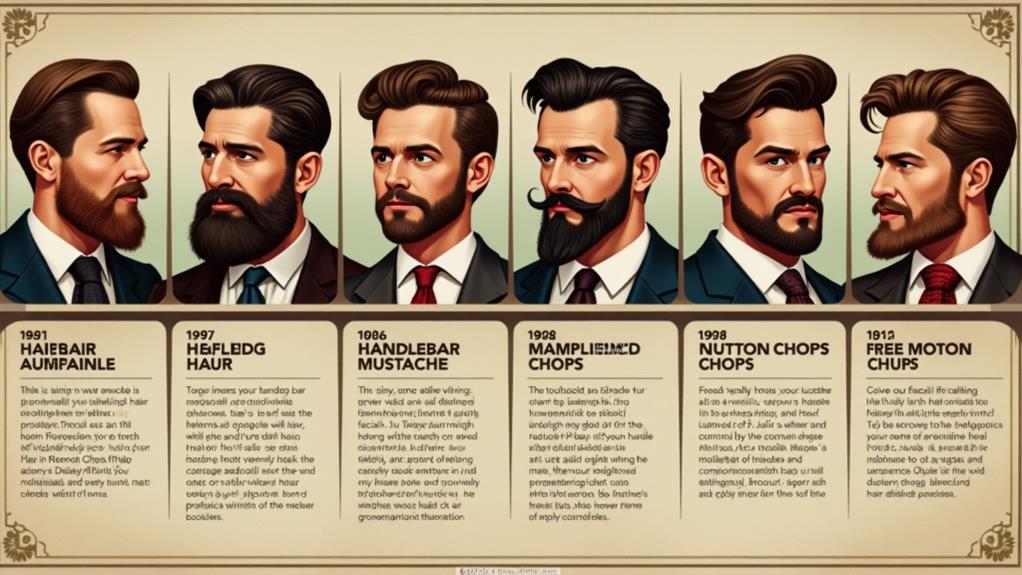
The evolution of men's facial hair is deeply intertwined with cultural icons who popularized various styles. Abraham Lincoln, with his signature chin curtain, set the stage for the 19th-century beard renaissance, making beards a symbol of political gravitas. Similarly, Mark Twain's walrus mustache became an integral part of his literary persona, illustrating how facial hair could define a man's public image.
General Ambrose Burnside's distinctive longer sideburns during the Civil War not only set a trend but also coined the term "sideburns." This connection between military figures and facial hair trends underscores their influence. In the late 19th century, a variety of facial hair styles emerged, including the iconic handlebar mustache and mutton chops, which were immortalized in countless photographs.
Kaiser Wilhelm II elevated facial hair to regal heights with his flamboyant Imperial mustache, demonstrating that royalty significantly influenced fashion. These iconic figures—from politicians to military leaders to royalty—shaped the way men wore their facial hair, leaving a lasting impression on cultural trends.
Decline and Revival of Facial Hair
Despite the iconic influence of cultural figures on facial hair trends, the early 20th century marked a significant decline in their popularity. Institutions like Cornell University even enforced restrictions on mustaches, signaling a shift toward clean-shaven norms. This decline continued until the mid-20th century, where facial hair became less common and often frowned upon in professional settings.
However, the 1950s and 1960s experienced a revival of facial hair, driven by counterculture movements that embraced nonconformity. During this time, various groups adopted distinct facial hair styles:
- Beatniks sporting goatees as a symbol of rebellion.
- Hippies growing full beards to reject mainstream societal expectations.
- Artists and musicians adopting varied facial hair styles to express individuality.
The revival extended into the 21st century with beard competitions and events like "Whisker Wars," showcasing a growing cultural acceptance and celebration of facial hair. Contemporary trends have seen a resurgence of hipster styles, with businessmen and politicians more freely sporting various facial hair forms.
Throughout history, the waxing and waning of facial hair styles have reflected changing societal norms, cultural movements, and personal expression. Today, facial hair enjoys a varied and lively presence, symbolizing broad acceptance of individuality.
The Van Dyke
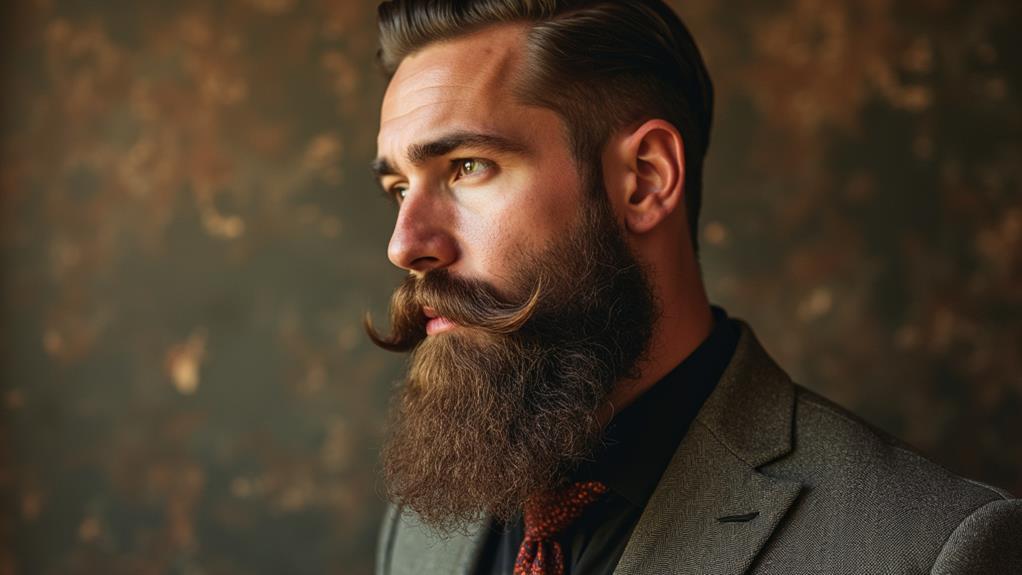
The Van Dyke is a distinguished facial hair style with deep historical roots and lasting appeal. Named after the 17th-century artist Anthony van Dyck, this style features a pointed mustache paired with a neatly trimmed goatee. It was notably sported by figures like King Charles I and Guy Fawkes, highlighting its high status during that era.
Although its popularity waned in Europe, the Van Dyke found a new following among American frontiersmen, maintaining its cultural significance. This style may even trace back to your distant ancestors, making it a timeless option in facial hair fashion.
In contemporary grooming, the Van Dyke remains a classic choice, admired for its distinctive and sophisticated look. It's a versatile style suitable for various settings, whether you're aiming for a professional appearance or a more relaxed vibe. Adopting the Van Dyke can offer a touch of historical elegance while maintaining a modern edge, blending the old and the new seamlessly in facial hair fashion.
The Chinstrap
Embrace the bold chinstrap, a beard style that contours the jawline and gained popularity in the late 18th century. Originating in Europe and later spreading to Russia and Japan, this distinctive style leaves the upper lip bare, following the jawline meticulously. Notable figures like American author Henry David Thoreau wore the chinstrap, challenging the clean-shaven norms of his era.
The chinstrap symbolizes the acceptance of facial hair, reflecting masculinity and individuality. This style:
- Emphasizes the Jawline: Accentuates your jaw's natural shape by following its contour.
- Keeps the Lip Bare: Distinguishes itself from fuller beards by maintaining a clean upper lip.
- Reflects Historical Trends: Echoes the fashion of the late 18th century and evolving societal norms.
Although its popularity has declined, the chinstrap remains a significant example of evolving facial hair trends. It indicates changing perceptions of masculinity and individuality, demonstrating that even minimalist facial hair can make a strong statement.
Sideburns and Mutton Chops

Amidst the rich tapestry of facial hair styles, sideburns and mutton chops stand out as enduring symbols of boldness and individuality. Sideburns, popularized by Civil War General Ambrose Burnside, extend from the hairline down to the cheeks, creating a distinctive look that has persisted through the decades. The term "sideburns" actually originates from Burnside's name, showcasing how influential figures can shape grooming terminology and trends.
Conversely, mutton chops are characterized by thick sideburns that connect with a mustache while leaving the chin bare. This style, prominent in the 19th century, reflects a bold statement of masculinity and individuality. During that era, mutton chops and sideburns symbolized personal identity and social status, setting the wearer apart in a crowd.
These styles have continually seen numerous revivals and adaptations in contemporary culture. Various demographics and subcultures, especially during the hipster movement, have embraced sideburns and mutton chops, making them a versatile choice for anyone looking to make a strong statement. Whether channeling a classic or modern vibe, these facial hair styles offer a timeless way to express oneself.
The Chin Curtain
When you think of the chin curtain, Abraham Lincoln's iconic style likely comes to mind. This 19th-century trend featured a beard that left the upper lip exposed, creating a distinctive look. Interestingly, it was suggested to Lincoln by an 11-year-old girl, and it became a symbol of his political authority.
Abraham Lincoln's Iconic Style
In the 1860s, Abraham Lincoln's distinctive chin curtain beard marked a bold departure from the clean-shaven norms of the era. His unique facial hair, characterized by a clean-shaven upper lip and hair covering the chin and jawline, quickly became iconic. This style wasn't a random choice; it was suggested by an 11-year-old girl named Grace Bedell, who believed it would improve Lincoln's appearance and voter appeal.
Lincoln's chin curtain became emblematic of his image, symbolizing a significant shift in men's grooming practices. Imagine:
- A clean-shaven upper lip, contrasting sharply with the bushy beard below.
- Hair neatly framing the chin and jawline, giving Lincoln a distinguished look.
- A sense of strength and leadership, embodied by this bold facial hair choice.
Following his election, the popularity of the chin curtain soared, with many men adopting similar styles. Lincoln's beard wasn't just a personal preference; it marked a new age in American masculinity and political identity. Facial hair became synonymous with strength and leadership, forever altering the landscape of men's grooming in the mid-19th century.
19th-Century Political Trend
Lincoln's chin curtain beard didn't just redefine his image; it sparked a 19th-century political trend. This distinctive style, covering the chin and jawline while leaving the upper lip bare, gained prominence in the 1860s. Abraham Lincoln, influenced by an 11-year-old girl named Grace Bedell, adopted the chin curtain to improve his appearance and look more presidential.
During the Civil War period, the chin curtain became a symbol of strength and individuality among political figures. It wasn't just a fashion statement; it reflected the turbulent times. The style conveyed masculinity and personal expression, moving away from the clean-shaven norms that had previously dominated. It was a bold statement in an era marked by national turmoil and shifting ideals.
The chin curtain's popularity, however, saw a decline in the early 20th century. Changing social norms and grooming trends, influenced by World War I and modern hygiene standards, favored smoother, clean-shaven looks. Despite its fall from everyday fashion, the chin curtain remains a significant chapter in the evolution of men's facial hair, particularly during a period when facial hair was used to convey political and personal strength.
Upper Lip Exposed
The chin curtain, a distinctive facial hair style that leaves the upper lip bare while covering the chin and jawline, gained popularity during the mid-19th century. Abraham Lincoln famously adopted this style, significantly boosting its visibility and acceptance during his presidency. Interestingly, it was an 11-year-old girl who suggested this look to Lincoln, underscoring the unique cultural resonance of the chin curtain.
Imagery:
- Lincoln's Presidential Portraits: Lincoln's iconic appearance with a chin curtain became symbolic of his leadership and era.
- Mid-19th Century Sketches: Illustrations from the period often depicted men with full chin curtains, marking a shift from the clean-shaven norms.
- Family Ancestry Photos: Old family photos may reveal ancestors proudly displaying their chin curtains.
The chin curtain style became a hallmark of the political and social atmosphere of the time, representing a departure from the previously dominant clean-shaven look. For many today, adopting the chin curtain can evoke a sense of historical connection, possibly tracing back to their great-grandfathers who embraced this trend. This facial hair choice not only makes a historical statement but also offers a unique way to stand out in contemporary times.
The Mustache
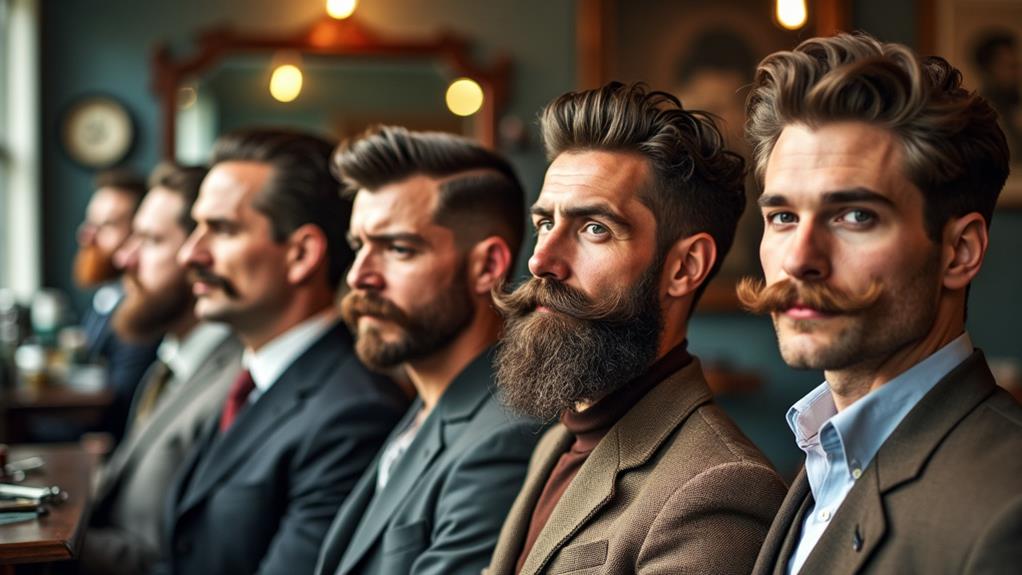
Mustaches have a rich history with styles like the walrus, handlebar, and pencil mustaches evolving with cultural trends. Figures such as Mark Twain, Theodore Roosevelt, and Kaiser Wilhelm II turned their mustaches into symbols of status and personality. Today, these classic styles blend with modern grooming trends, reflecting a unique mix of tradition and contemporary flair.
Historical Mustache Styles
Throughout history, mustache styles have undergone remarkable transformations, each reflecting the cultural and social nuances of their times. Iconic styles like the Imperial, Walrus, and Handlebar mustaches have distinct characteristics that made them stand out.
- The Imperial Mustache: Favored by royals such as Kaiser Wilhelm II, this style is known for its flamboyant, upward-curving ends. It exudes opulence and mirrors the grandeur of its era.
- The Walrus Mustache: Popularized by figures like Mark Twain and Theodore Roosevelt, the Walrus is characterized by its bushy, drooping appearance. This style became a symbol of masculinity and was common among American leaders.
- The Handlebar Mustache: Associated with settlers and soldiers, this mustache features long, curled ends and requires careful grooming. It allowed men to showcase individuality during the late 19th century.
The 19th century marked a significant period for facial hair, with a cultural shift toward embracing beards, mustaches, and even mutton chops as forms of personal expression. This era saw a departure from previously clean-shaven norms, allowing men to explore and flaunt their unique styles.
Cultural Significance Shifts
From ancient times to the present, the mustache has continually reinvented itself, reflecting shifts in cultural significance and personal identity. In ancient cultures, mustaches symbolized masculinity and virility, with men wearing them proudly to signal strength and authority. During the Victorian period, styles like the handlebar and walrus mustaches dominated, showcased by figures such as Mark Twain and Kaiser Wilhelm II.
In the early 20th century, there was a departure from facial hair, as clean-shaven looks became the norm. Influenced by military grooming standards and Hollywood's portrayal of hygiene, many men opted to shave their mustaches. This trend persisted until the 1960s when cultural attitudes began to shift.
The 1970s marked a significant return of the mustache, this time as a symbol of rebellion and individuality. Influenced by counterculture movements and the women's rights movement, men grew mustaches to express their personal identity. Today, mustaches serve as a canvas for individual expression, with movements like Movember raising awareness for men's health while celebrating diverse mustache styles. The mustache's evolution highlights its enduring cultural significance and its ability to adapt to changing times.
Iconic Mustache Figures
As mustache styles have evolved, certain figures have become synonymous with specific types, leaving a lasting impact on cultural and personal identities. Among the iconic mustache figures, Kaiser Wilhelm II stands out with his Imperial mustache, symbolizing status and masculinity in the late 19th century. The upwardly curled ends and careful grooming required for the Handlebar mustache were a hallmark of settlers and soldiers during the Wild West period, exuding a rugged and adventurous spirit.
Mark Twain, an American literary giant, popularized the Walrus mustache. His bushy, unkempt facial hair became a symbol of creativity and intellectual prowess, embedding itself in the cultural fabric of 19th-century America. These popular styles have experienced revivals in contemporary times, reflecting individual expression and historical appreciation.
To visualize these iconic mustache figures:
- Kaiser Wilhelm II: Flamboyant, upward-curling Imperial mustache.
- Wild West Settlers and Soldiers: Neatly groomed, curled-end Handlebar mustaches.
- Mark Twain: Bushy, full Walrus mustache, representing literary genius.