The Evolution of Animal Prints in Fashion
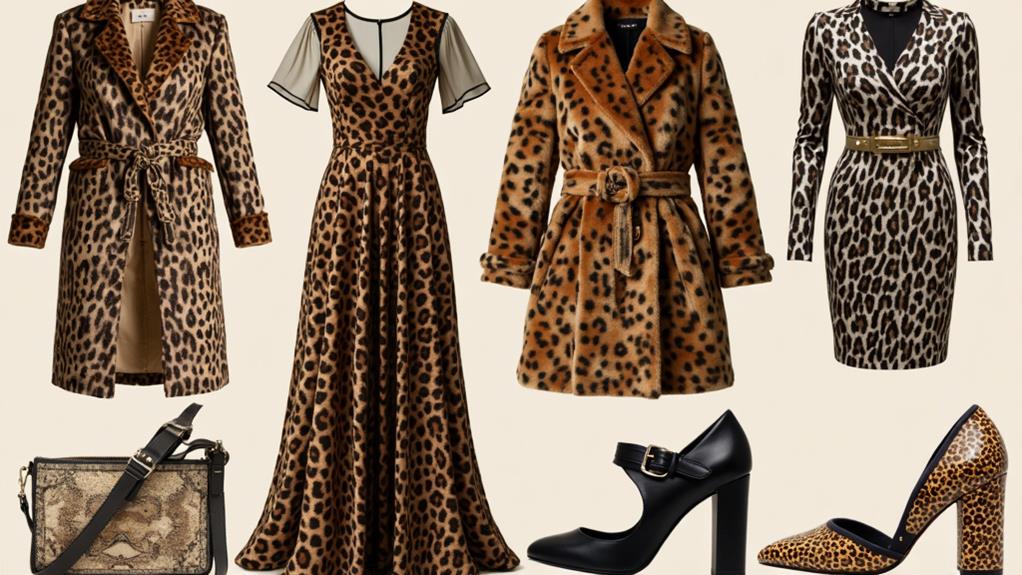
Animal prints in fashion have a rich and multifaceted history. Originally symbols of power among ancient royalty, they gained mainstream popularity in the 20th century. Today, these patterns are not just about style; they also reflect societal shifts towards sustainability and ethical fashion. Curious about how cinema and fashion icons influenced their evolution or how designers innovate with cruelty-free materials? Let's explore the fascinating transformation of this enduring trend.
Early Symbolism and Power
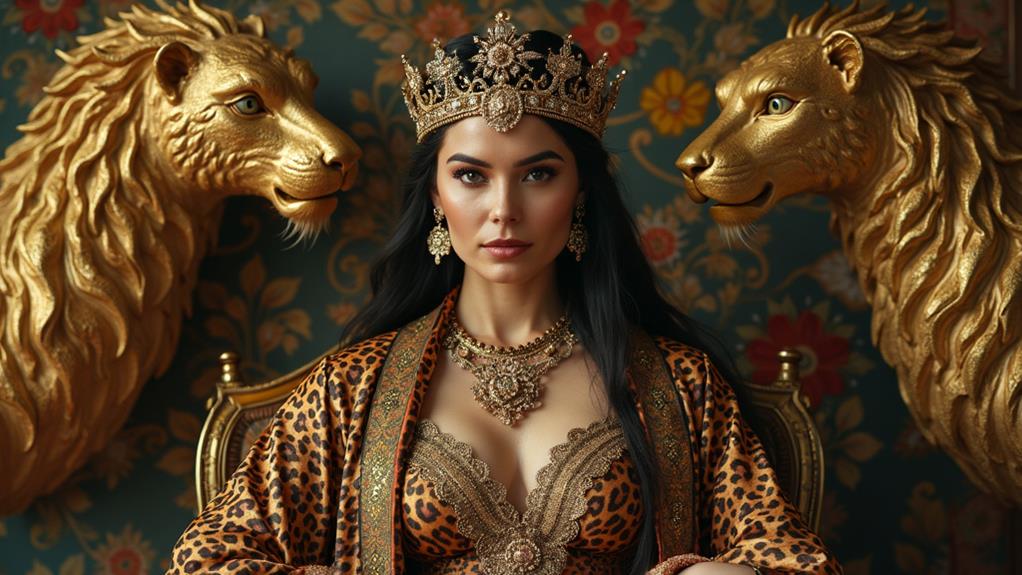
Animal prints have historically symbolized power and status, transcending mere fashion statements. From ancient civilizations to modern times, these prints have been associated with authority and social standing. In many cultures, wearing animal pelts was believed to confer the power and traits of the animal itself, leading to their use in ceremonies and rituals.
For example, in Zulu culture, chiefs wore leopard skins as symbols of their power. Similarly, European emperors and Egyptian pharaohs adorned themselves with animal skins to flaunt their dominance. These garments symbolized control over nature and subjects.
Animal print rugs in royal courts were not merely decorative; they signified immense wealth and dominance. Over time, the association of animal prints with power has evolved, influencing fashion trends and perceptions of authority. Understanding this rich history helps explain why animal prints remain a powerful statement in modern fashion. They carry a legacy of power, prestige, and social status that transcends time.
Royalty and Wealth
As the symbolism of animal prints evolved, their association with royalty and wealth became more pronounced. Egyptian Pharaohs frequently adorned themselves with animal pelts, believing these skins conferred the power of the animal to the wearer. This practice was not merely about fashion; it was a statement of power and status. By wearing these animal prints, Egyptian royalty showcased their control over nature and their elevated position in society.
Roman emperors also adopted animal prints, using luxurious animal skins to display their affluence. These prints served as a clear indication of their high social standing and immense wealth. Roman royalty often draped themselves in rich, patterned furs that signified their unmatched authority and opulence.
Today, the use of animal prints in fashion continues to echo this historical context. Modern designers and celebrities incorporate these motifs into their wardrobes as symbols of luxury and style. By wearing animal prints, you tap into a rich history of power and status, embodying the timeless allure of wealth and royalty.
18th Century European Fashion
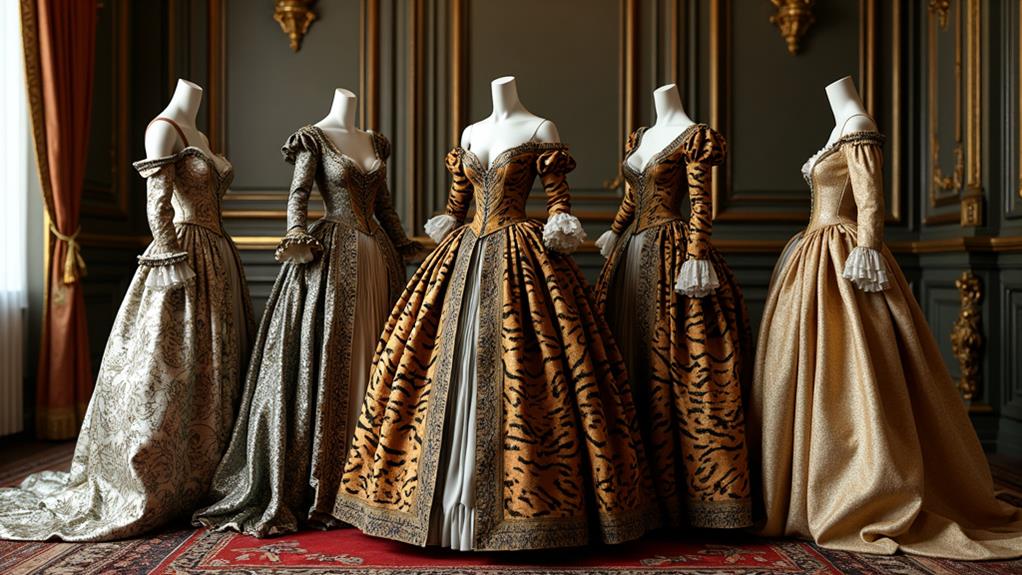
In the 18th century, European aristocrats embraced animal prints with zeal, wearing real furs to flaunt their wealth and high status. Animal print clothing became a significant fashion statement as these luxurious elements were incorporated into their wardrobes. The aristocracy's love for opulence meant that silk animal prints often complemented their elaborate lace dresses, embedding animal motifs deeply into the luxury fashion narrative.
Napoleon's expeditions in the early 19th century further fueled this trend. His encounters with exotic animals during his travels sparked a French craze for animal prints, which soon spread across Europe. Leopard print, in particular, gained popularity, symbolizing both power and sophistication.
20th Century Milestones
The 1930s saw the mainstream acceptance of animal print fashion, popularized by "Tarzan the Apeman." Dior's New Look in the 1950s elevated these patterns to high fashion. By the punk movement, animal prints symbolized empowerment, particularly among women.
Mainstream Acceptance in 1930s
The 1930s marked a significant shift in fashion as bold and exotic animal prints entered the mainstream, largely propelled by the 1932 film "Tarzan the Apeman." This influential movie featured characters Tarzan and Jane clad in animal print attire, sparking widespread consumer interest. As a result, animal prints began appearing on a variety of clothing items, such as blouses, scarves, and coats. Initially symbols of wealth and power among royalty, animal prints quickly became accessible fashion staples for the general public.
The adventurous themes of the era and iconic film characters contributed to the association of animal prints with daring fashion choices. A statement piece like an animal print blouse became essential in many wardrobes, signaling a significant shift in fashion trends. By the end of the decade, animal prints were firmly established in the fashion world, laying the groundwork for their lasting appeal.
Here's a timeline of the transformation of animal prints in the 1930s:
| Year | Fashion Item | Description |
|---|---|---|
| 1932 | Animal Print Blouses | Became a fashion staple, popularized by film |
| 1933 | Scarves | Favored for their bold and exotic appeal |
| 1935 | Coats | Gained popularity as statement pieces |
| 1937 | Dresses | Transitioned from exclusive to mainstream |
| 1939 | Accessories | Incorporated into everyday fashion |
This timeline underscores the evolution and integration of animal prints into everyday fashion during the 1930s, reflecting their broad acceptance and enduring influence.
Dior's New Look
Christian Dior's "New Look" in 1947 not only revolutionized women's fashion but also reintroduced leopard print into the fashion mainstream. Dior's vision emphasized a feminine silhouette with full skirts, and he used leopard print to add chic sophistication to his designs. This bold move was significantly influenced by his muse, Mitzah Bricard, known for her elegant style and love for striking patterns.
In the post-war period, Dior's revival of leopard print marked a shift towards luxury and elegance. Once considered merely exotic, leopard print became a symbol of glamour and sophistication. Celebrities and socialites of the 1950s quickly adopted this trend, making it a statement of high status and refined taste.
Dior's innovative use of leopard print didn't just make waves; it cemented the print's place in high fashion. His designs set the stage for animal prints to remain a staple in fashion for decades. Thanks to Christian Dior, leopard print continues to be a timeless element of chic, sophisticated fashion.
Punk's Empowerment Movement
Driven by a desire to defy conventional norms, the punk movement of the 1970s saw animal prints take on new significance. Iconic figures like Vivienne Westwood adopted bold prints such as leopard and zebra, transforming them into symbols of rebellion and empowerment. These prints permeated both the streets and the stages, challenging mainstream fashion and asserting individuality.
In punk fashion, animal prints represented more than just aesthetics; they were statements of defiance. Wearing these bold patterns signaled a rejection of societal expectations and an embrace of a wild, untamed identity. The use of faux animal prints further aligned with punk's anti-establishment ethos, taking a stand against animal cruelty and corporate greed.
Animal Prints in Movies
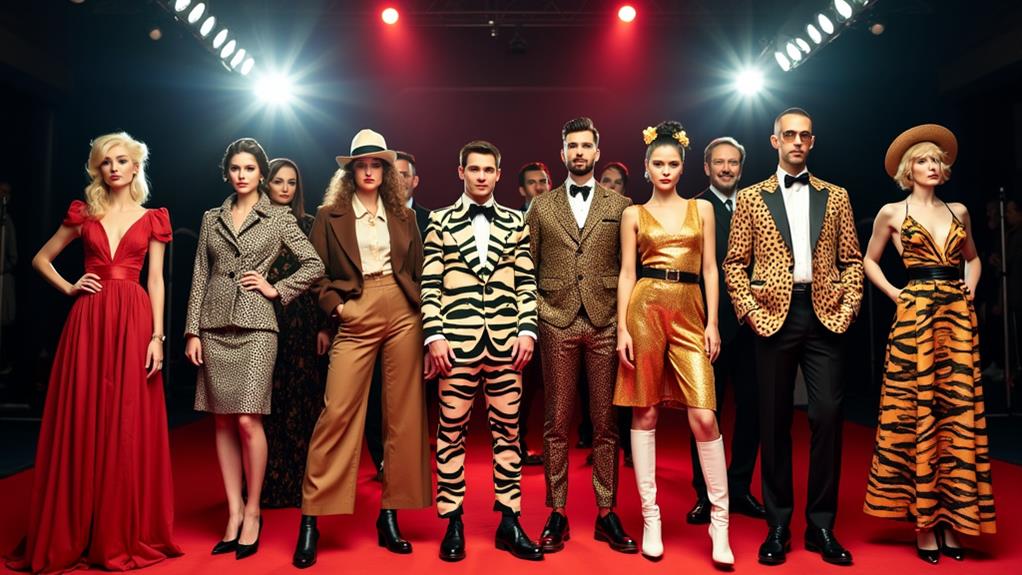
Movies have played a pivotal role in popularizing animal prints. For instance, "Tarzan the Ape Man" (1932) initiated a fashion craze, and characters like Mrs. Robinson in "The Graduate" solidified the allure of leopard print. Hollywood's embrace of these patterns has continually influenced style, making animal prints a timeless fashion statement.
Tarzan's Influence on Fashion
The 1932 film "Tarzan the Apeman" catapulted animal print clothing into the mainstream, captivating audiences with its adventurous and exotic aesthetic. The film's characters, Tarzan and Jane, donned outfits adorned with various animal prints, transforming them into iconic fashion statements. This sparked a trend that significantly increased the demand for animal prints in fashion.
Following the movie's success, blouses, scarves, and coats featuring bold designs like leopard, ocelot, and jaguar prints became highly sought after. What was once considered niche quickly evolved into popular fashion staples, appealing to both women and men. The iconic scenes showcasing these prints not only influenced women's fashion but also encouraged men to incorporate animal patterns into their wardrobes.
The lasting legacy of "Tarzan" has continually impacted fashion trends over the decades. Even contemporary designers draw inspiration from this classic, incorporating animal prints into their collections whenever remakes of the film appear. This enduring influence underscores the timeless appeal and versatility of animal prints in fashion, ensuring they remain a beloved choice for making a bold, adventurous statement.
Hollywood's Iconic Animal Prints
The fascination with animal prints in Hollywood began with the 1932 film "Tarzan the Apeman," which captivated audiences with its bold, wild-inspired fashion. Hollywood stars soon adopted these daring designs, with Bette Davis famously wearing animal prints in the 1930s, thereby elevating their status and influencing the fashion scene of the era.
The trend continued to evolve. In the 1960s, Mrs. Robinson from "The Graduate" showcased leopard print, embedding it into the cultural zeitgeist as a symbol of boldness and allure. By the late 2000s, celebrities like Maggie Gyllenhaal and Jennifer Lopez reignited public interest by donning striking animal print outfits at major awards shows, proving these patterns never go out of style.
Even today, remakes of classic films like "Tarzan" continue to influence fashion trends. Animal prints remain a staple in contemporary fashion markets, reflecting Hollywood's enduring impact. Whether it's leopard print or other patterns, the legacy of animal prints in Hollywood is undeniable.
1980s and 1990s Trends
During the 1980s, fashion embraced a vibrant array of brightly colored animal prints, making bold statements while promoting faux alternatives to real animal skins. This era featured an abundance of animal print accessories and fur coats, often in neon hues, pushing sophisticated looks to the forefront. These trends were not merely about aesthetics; they also highlighted growing awareness about animal cruelty and the importance of sustainable choices.
By the mid-1990s, however, animal prints began to be perceived as cheap or trashy, leading to a decline in their mainstream appeal. Nevertheless, designers continued to experiment with more muted patterns, keeping the trend alive in a subtler form.
Interestingly, the late 1990s saw a resurgence of animal prints, driven by a renewed interest in vintage styles and a desire for more expressive fashion choices. Influential celebrities like Kate Moss and Naomi Campbell played a crucial role in this comeback, incorporating animal prints into high-fashion contexts. Their endorsements demonstrated the versatility and timelessness of these patterns, even in contemporary fashion.
Modern-Day Trends
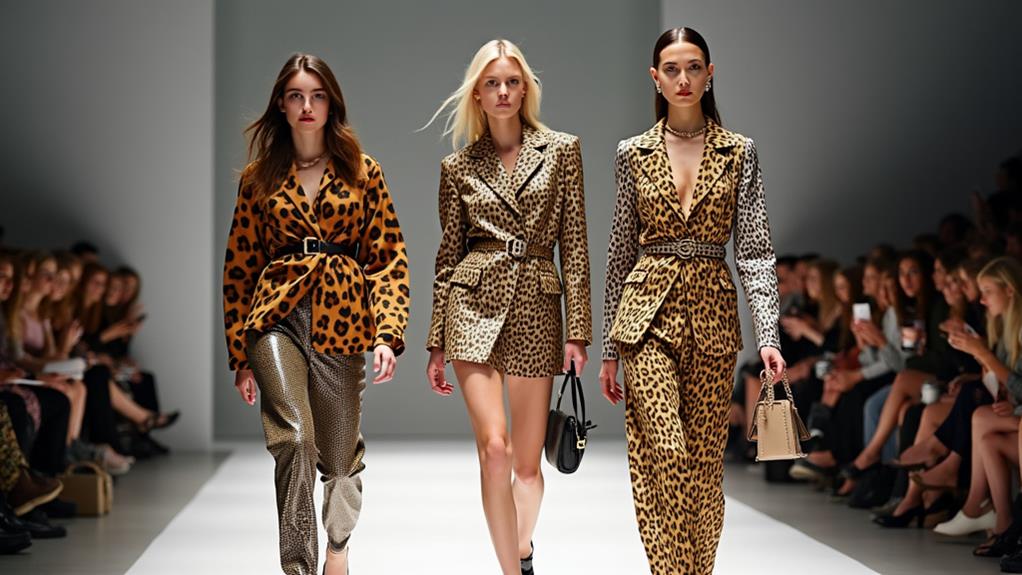
Animal prints have made a strong comeback in modern fashion, evolving from their 1980s and 1990s roots into today's versatile wardrobe staples. You'll find that animal prints remain a staple in women's fashion, with trendy pieces like leopard-print coats, zebra dresses, and tiger-striped accessories capturing diverse consumer preferences. Modern-day trends reflect this versatility, allowing for both bold and subtle expressions. Whether you're dressing up for a formal event or keeping it casual, animal prints fit seamlessly into any occasion.
Celebrity endorsements and designer collections have greatly enhanced the allure of these prints. Prominent appearances at events like the Met Gala and Golden Globes have cemented their status. Post-COVID-19, animal prints have surged in popularity, symbolizing adventure and a longing for exotic experiences. Collections such as JULIETTE C's Wild Collection showcase elegant animal motifs, emphasizing both comfort and style.
Here's how modern-day trends are shaping up:
- Animal print rugs are now popular home decor items, adding a wild touch to interiors.
- Leopard-print faux fur jackets offer a chic yet ethical fashion choice.
- Fashion pieces with animal prints cater to all body types.
- Major events spotlight animal prints, enhancing their appeal.
- Versatile designs make them suitable for any occasion.
Styling Animal Prints
Styling animal prints can be a fun and rewarding way to elevate your wardrobe. To achieve a chic and sophisticated look, pair a single animal print piece with a monochrome outfit. This approach allows the print to stand out as a statement piece without overwhelming your style. For instance, a leopard print blouse paired with black trousers instantly elevates your ensemble.
If you're hesitant to plunge headfirst into bold patterns, start small with accessories. A bag or scarf featuring animal prints adds flair to your outfit without compromising the overall aesthetic. These subtle touches inject personality and can be easily swapped to match different looks.
When you feel more adventurous, you can combine bold animal prints. To maintain a balanced appearance, opt for subtle variations in colors or patterns. A matching top and skirt in slightly different shades of zebra print can be eye-catching yet harmonious.
One key rule in animal print styling is to limit your outfit to one print at a time. This keeps the look focused and polished. By choosing classic or daring color variations, you can tailor your outfit to any occasion, enhancing the impact and mood with ease.
Designer Collections
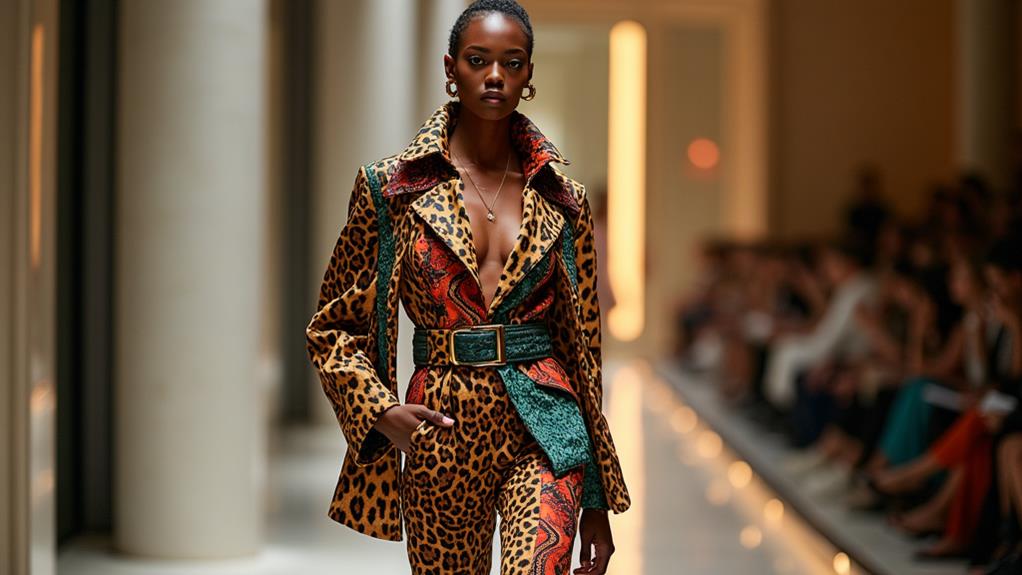
Building on the excitement of styling animal prints, let's explore how high-end designers bring these patterns to life in their collections. Designer collections like the JULIETTE C Wild Collection feature elegant leopard motifs crafted from flowing viscose, emphasizing both style and comfort for diverse body types. These pieces are not merely aesthetic; they embody timeless fashion, ensuring you look chic regardless of trend cycles.
The Sahara Collection is another exemplary case, showcasing bold animal prints in classic colors. These versatile pieces are ideal for both chic occasions and day-to-night transitions. JULIETTE C seamlessly integrates timeless French fashion aesthetics into their animal print designs, making each item a statement piece that remains relevant through changing trends.
High-profile designers continue to embrace animal prints, often releasing collections that blend traditional and contemporary styles. The incorporation of these patterns into luxury collections reflects ongoing consumer demand for fashionable yet striking pieces.
Key Points:
- Elegance and Comfort: Designer animal prints offer both.
- Versatility: Easily shift from day to night.
- Timeless Appeal: Fashion that stays relevant.
- Statement Pieces: Stand out in any crowd.
- Consumer Demand: High-end designers respond to the market.
Explore these collections to enhance your wardrobe with stylish, timeless pieces.
Vegan-Friendly Fashion
Choosing vegan-friendly fashion means selecting ethical materials that replicate natural animal prints without harming animals. Brands now offer stylish, cruelty-free alternatives using organic cotton, recycled polyester, and faux leather. This shift supports sustainable fashion trends and meets the growing demand for environmentally conscious and ethical choices.
Ethical Material Choices
The rise of vegan-friendly fashion has transformed material choices in the industry, providing consumers with stylish animal prints that align with their ethical values. Ethical fashion now incorporates synthetic and sustainable materials, enabling you to enjoy the aesthetic of animal prints while supporting cruelty-free practices. Brands are increasingly using materials such as recycled polyester and organic cotton to create high-quality prints that mimic the look and feel of traditional animal prints, without the associated ethical concerns.
When you choose these products, you're not just making a fashion statement; you're also supporting innovation in textile technology and animal welfare. The growing demand for vegan alternatives has driven designers to create pieces that align with modern values, combining style with a commitment to sustainability and ethical fashion.
Consider looking for the following materials when making your next purchase:
- Recycled Polyester: Reduces waste and provides a cruelty-free fabric option.
- Organic Cotton: Grown sustainably without harmful pesticides, and suitable for animal prints.
- Pineapple Leather (Piñatex): Made from pineapple leaves, offering a unique and ethical alternative.
- Cork Fabric: Harvested from cork trees, providing a natural and sustainable option.
- Microfiber: A versatile synthetic material that mimics the texture and appearance of animal prints.
Sustainable Fashion Alternatives
In today's fashion landscape, sustainable alternatives to traditional animal prints are more accessible than ever. With the rise of vegan-friendly fashion, you can find synthetic materials like polyester and nylon that replicate the appearance of animal coats without harming animals. These eco-friendly fabrics are often made from recycled plastics or organic fibers, promoting practices that reduce fashion's environmental impact.
Faux fur and vegan leather have revolutionized the animal print market, enabling stylish yet cruelty-free fashion choices. Influencers and fashion icons who endorse vegan animal prints further drive consumer demand for ethical options that align with values of sustainability and animal rights.
Innovative textile technologies, such as digital printing, allow designers to create intricate and vivid animal print patterns without relying on animal-derived materials. This advancement supports the shift toward sustainable fashion, ensuring you can wear your favorite animal prints with a clear conscience. By opting for garments made from sustainable fabrics, you contribute to a more ethical and eco-friendly fashion industry.
Cruelty-Free Style Trends
Cruelty-free style trends are revolutionizing the fashion world, with vegan-friendly options at the forefront. Bold animal prints can now be embraced without compromising ethical values, thanks to designers using sustainable and cruelty-free materials.
Innovative alternatives like plant-based textiles and synthetic materials are replicating popular animal prints, meeting the growing demand for ethical fashion. Imagine wearing a chic snakeskin jacket or a leopard print dress, all crafted without harming animals. Influencers and fashion icons are showcasing these cruelty-free prints, proving that style and sustainability can go hand in hand.
By choosing cruelty-free fashion, you support a shift in the industry towards responsible practices. Brands are prioritizing sustainability and animal welfare, making ethical shopping more accessible.
Here are some reasons why cruelty-free animal prints are a game-changer:
- Sustainable: Reduced environmental impact.
- Ethical: No animals harmed.
- Innovative: Advanced materials.
- Stylish: Trendy and chic designs.
- Influential: Endorsed by fashion icons.
Adopt cruelty-free fashion and make a stylish, sustainable impact!