The Craze for Corsets: The History of Tight-Lacing

Imagine stepping back to late 16th century Europe, where the corset initially emerged as a garment of choice. This piece of clothing evolved into a symbol of Victorian elegance and social status by the 19th century. Yet, behind the allure of tiny waists lay a darker reality: tight-lacing often led to severe health issues, including respiratory problems and organ displacement. Despite these dangers, the corset remained a fashion mainstay until more practical styles took over in the early 20th century. Why did such a controversial garment leave such a lasting impact?
Origins of Corsets

In the late 16th century, corsets emerged in Europe, designed to create a smaller waist and a raised chest. These early designs quickly became a staple among the wealthy elite, symbolizing status and refinement. As fashion evolved, so did the construction of corsets. By the 19th century, whalebone and steel were commonly used to craft these garments, providing a more structured silhouette that appealed to women across different social classes.
During the Regency period (1795-1837), corsets transitioned from an elite status symbol to a mainstream fashion item in British society. This timeframe marked a shift in fashion norms, with an increasing emphasis on the ideal hourglass figure. The introduction of adjustable lacing in the early 19th century made it possible for women to achieve even tighter constriction, paving the way for the extreme proportions seen in the Victorian period.
Evolution of Tight-Lacing
As the Regency period waned, the practice of tight-lacing gained prominence, significantly impacting women's fashion and health in the mid-19th century. With the hourglass figure becoming the ideal, women began to cinch their waists to as little as 15 inches. Victorian corsets, constructed from stiff materials like whalebone and steel, provided the necessary support for these extreme silhouettes. The advent of adjustable lacing in France in 1828 allowed for even tighter constrictions without damaging the corset, further popularizing the tight-lacing trend.
However, this fashion craze came with significant health consequences. The severe waist reduction caused numerous health issues, including fainting spells, indigestion, and lung compression. Medical professionals of the time began to voice concerns, highlighting the detrimental effects of tight-lacing on women's health.
The growing criticism from doctors led to a push for more natural body shapes in women's fashion, urging a move away from extreme tight-lacing practices. Despite its aesthetic appeal, the health issues associated with Victorian corsets became too significant to ignore, marking a crucial point in the evolution of tight-lacing.
Corsets in Victorian Fashion

Victorian corsets were more than just garments; they were essential fashion statements that defined the period's beauty standards. Women of the Victorian era aimed for an ideal waist measurement of around 18 inches, often achieved through extreme tight-lacing. High society women in 19th-century London sometimes compressed their waists to as little as 15 inches. This was made possible by using stiff materials like whalebone and steel, which exerted significant physical strain on their bodies.
The introduction of metal eyelets in the early 19th century transformed corsetry. These eyelets allowed for more effective tightening without damaging the fabric, facilitating a tighter and more secure fit. As a result, corsets not only shaped the female silhouette to achieve the coveted hourglass figure but also restricted movement, reflecting the rigid societal norms of the time.
Despite the discomfort and physical strain, tight-lacing persisted as a popular practice among the elite. It was a clear reflection of the period's fashion and societal expectations of femininity. Corsets were not just about appearance; they were symbols of status and adherence to the period's beauty ideals, defining the Victorian woman's place in society.
Health Implications
Tight-lacing corsets have significant health implications, particularly respiratory complications. These corsets restricted breathing, leading to faintness, dizziness, and chronic issues like "corset cough." Additionally, the severe compression of abdominal organs caused digestive problems and could result in liver displacement.
Respiratory Complications From Corsets
Tight-lacing corsets frequently led to significant respiratory complications, severely impacting women's health. By restricting lung capacity, these corsets caused numerous issues, including fainting and a chronic cough known as "corset cough." Tight lacing displaced internal organs, particularly the liver and lungs, resulting in difficulty breathing and impaired respiratory function.
Medical professionals in the 19th century documented cases where women experienced not only shortness of breath but also long-term respiratory issues attributed to tightly laced corsets. The societal pressure to achieve an exaggerated hourglass figure often meant these health concerns were overlooked.
Consider the following impacts of tight-lacing on respiratory health:
- Restricted lung capacity: Symptoms included fainting and chronic coughing.
- Displacement of internal organs: Particularly the liver and lungs, worsening breathing difficulties.
- Long-term respiratory issues: Persistent use resulted in chronic conditions requiring medical attention.
- Surgical interventions: Extreme cases led to the removal of lower ribs, further exacerbating respiratory problems.
These complications highlight the severe health risks women faced to meet societal beauty standards, often at the expense of their well-being.
Internal Organ Compression
The respiratory complications from corsets were just the tip of the iceberg; the health issues extended deep into the body's core. When tightly laced, a corset not only alters the waistline but also compresses internal organs. This compression can lead to significant health problems, including liver displacement and lung compression, severely impacting respiratory function. Historical medical reports from the 19th century often noted symptoms like fainting, indigestion, and "corset cough," a chronic respiratory issue caused by these tight garments.
Imagine your organs being forced into unnatural positions. The pressure from corsets could cause poor digestion and gastrointestinal issues. Some women even underwent surgical procedures to remove lower ribs in pursuit of a smaller waistline. Over time, the long-term use of tight-lacing led to more permanent damage. Back muscles could atrophy, and constant pressure reshaped the rib cage, causing deformities. These deformities not only altered appearance but also compromised general health.
The beauty standards of the time demanded sacrifices that went far beyond comfort, making tight-lacing a dangerous fashion trend with lasting health implications.
Medical Criticisms
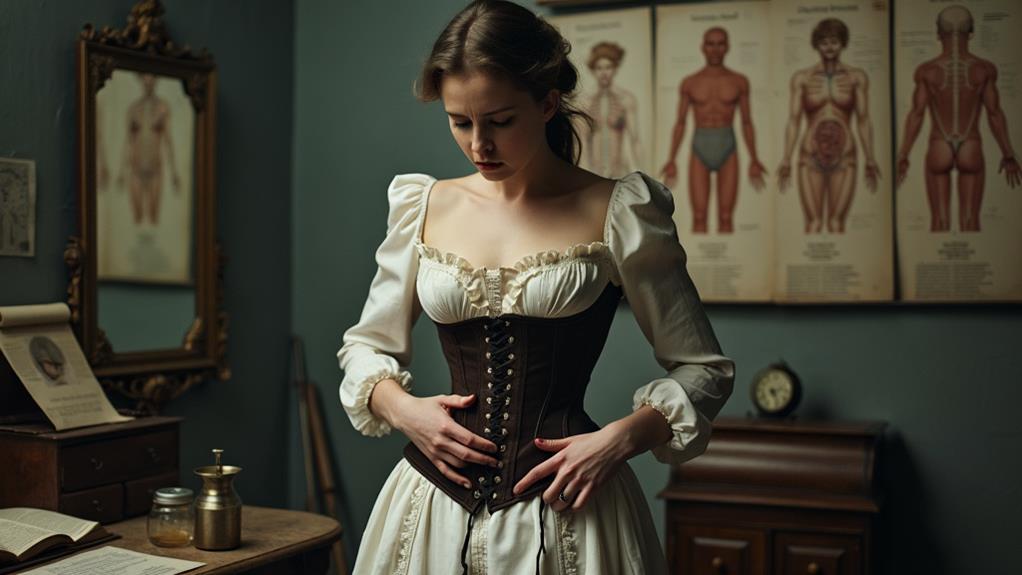
Medical criticisms of tight-lacing cannot be ignored. Prominent figures such as Dr. Samuel Thomas von Sommerring and reports in *The Lancet* highlighted serious health risks, including respiratory issues and organ displacement. These concerns initiated significant discussions about the dangers of prioritizing fashion over health.
Health Risks Highlighted
In the 18th and 19th centuries, numerous medical professionals raised alarms about the health risks associated with tight-lacing corsets. They documented a range of adverse effects on women's health resulting from this fashion trend. Tight corsetry was found to restrict breathing, causing symptoms such as faintness, dizziness, and respiratory issues, often referred to as "corset cough."
The health risks extended beyond respiratory problems. Medical reports indicated that excessive constriction from corsets led to severe internal complications, including liver displacement and lung compression. In extreme cases, some women even underwent surgical removal of lower ribs to achieve drastic waist reductions. Additionally, publications such as The Lancet discussed the negative impacts of tight-lacing, linking it to:
- Nervousness
- Dyspepsia
- Long-term physical ailments
- Compression of abdominal organs
Dr. Samuel Thomas von Sommerring's 1818 publication also highlighted these dangers, noting significant deformities like rib cage deformation and atrophy of back muscles from prolonged use. This controversy sparked intense debates about women's health and autonomy, with critics arguing that prioritizing fashion over health could have dire consequences for women's well-being. The tight-lacing trend posed serious risks that were often overlooked in the pursuit of a fashionable silhouette.
Medical Professionals' Concerns
In the 19th century, medical professionals were vocal critics of tight-lacing corsets, associating them with numerous health issues. They warned about problems such as fainting, indigestion, and respiratory complications, commonly referred to as "corset cough." In 1818, Dr. Samuel Thomas von Sömmerring published findings condemning tight-lacing, emphasizing its harmful effects on women's health and advocating for more natural body shapes.
Medical journals like *The Lancet* documented severe health problems linked to corsets, including displacement of internal organs and even the surgical removal of ribs for extreme waist reduction. Observations showed that many women suffered long-term health consequences from tight-lacing, such as atrophy of back muscles and deformation of the rib cage.
The debate over corsetry extended beyond health concerns, touching on women's rights and body autonomy. Many medical professionals viewed these restrictive garments as symbols of oppression and championed healthier clothing options that allowed for greater freedom of movement. This perspective addressed both health risks and supported the growing movement for women's rights.
Social and Cultural Impact
Corsets profoundly influenced social and cultural norms in the 18th and 19th centuries, symbolizing social status and femininity. Essential for young women to conform to societal ideals, corsets helped achieve the desired hourglass figure. Mothers often introduced corseting to their daughters as young as six, embedding these practices early. The cultural narrative linked tight-lacing to beauty, virtue, and propriety, making it more than a fashion statement.
Women's rights activists eventually challenged these norms, highlighting the physical and psychological toll of tight-lacing. For many, corsets represented the restrictive roles imposed on women.
- Social Status: Wearing a corset signified a woman's social standing, distinguishing different classes.
- Femininity: The hourglass figure defined femininity, pushing women to endure discomfort for societal approval.
- Mother-Daughter Ritual: Corseting often began in childhood, perpetuating societal expectations across generations.
- Cultural Resistance: Activists pointed out the detrimental effects, sparking discussions on women's rights and autonomy.
The Dress Reform Movement
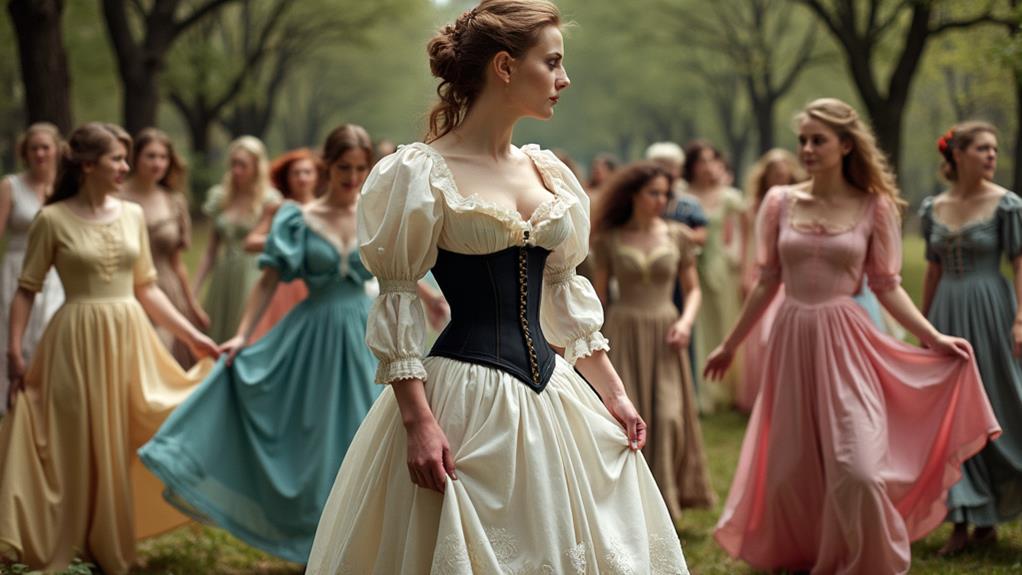
The mid-19th century marked the rise of the Dress Reform Movement, a pivotal response to the health risks and societal pressures associated with corsetry. Many women suffered from the physical constraints of tight-lacing, leading to severe health issues. The movement aimed to promote more practical and comfortable clothing, liberating women from the rigid confines of corsets.
Key figures such as Amelia Bloomer championed this cause. She introduced "bloomers," loose trousers that provided a fashionable yet liberating alternative to corsets. Her advocacy emphasized women's rights to make their own fashion choices. Through publications and public demonstrations, the movement highlighted the dangers of tight-lacing and called for significant changes.
By the early 20th century, designers like Paul Poiret were making waves by rejecting corsetry altogether. Poiret's looser silhouettes were revolutionary, further advancing the principles of the Dress Reform Movement. This shift allowed women greater freedom, emphasizing health and comfort over restrictive fashion norms.
Ultimately, the Dress Reform Movement had a lasting impact, changing societal perceptions and granting women the liberty to choose clothing that prioritized their well-being.
Personal Accounts
Exploring personal accounts from the 19th century reveals the profound emotional and physical distress caused by tight-lacing. Women often described the painful reality of conforming to societal pressures, highlighting the significant impact on their health and well-being. These narratives demonstrate how tight-lacing was ingrained in daily life and its detrimental effects.
Key personal accounts include:
- Severe Health Issues: Many women reported respiratory and digestive problems due to constant organ compression.
- Early Childhood Corseting: Girls as young as six were subjected to corseting, raising concerns about their physical development.
- Societal Pressure: Accounts like that of Staylace's niece, who aimed for an 18-inch waist, underscore the intense societal pressure to achieve extreme waist reductions.
- Emotional Distress: Women who defied corseting practices often faced emotional turmoil due to societal stigma.
These personal accounts reflect the harsh realities of tight-lacing, where the pursuit of narrow beauty standards often compromised health and comfort. The stories of these women serve as a poignant reminder of the sacrifices made in the name of fashion.
Decline of Corset Popularity
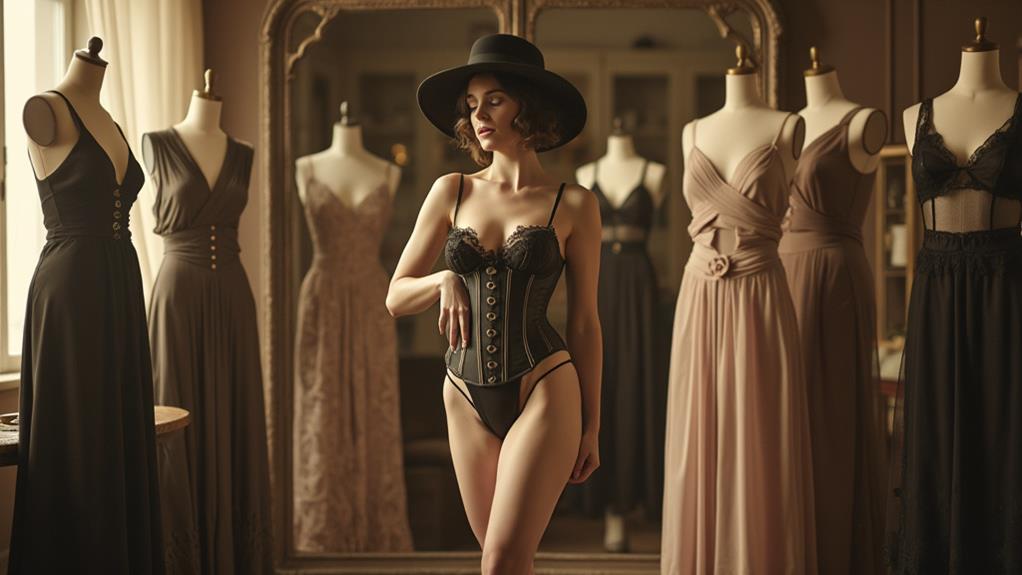
As the early 20th century began, women's fashion started prioritizing practicality and comfort, signaling the decline of the corset. Following World War I, society shifted towards more relaxed clothing styles. The introduction of the flapper dress in the 1920s marked a pivotal moment in this transformation, favoring an androgynous silhouette and moving away from traditional beauty standards that emphasized a cinched waist.
By the mid-20th century, corsets were increasingly viewed as symbols of outdated femininity and societal oppression. Women began rejecting these restrictive undergarments for more comfortable and liberating fashion choices. This sentiment was notably highlighted during the 1968 Miss America protest, where demonstrators publicly denounced traditional beauty standards, further solidifying the corset's decline in mainstream fashion.
As corsets fell out of everyday use, they evolved into niche fashion items. By the late 20th century, corsets experienced a revival, but this time as symbols of empowerment and self-expression rather than tools of oppression. Thus, the transition of the corset from essential undergarment to historical artifact underscores the evolution of women's fashion and societal values.
Modern Perceptions
In today's fashion landscape, corsets have experienced a notable resurgence, often perceived as empowering tools for personal expression. While some express concerns about potential body-shaming implications, many embrace modern corsets for their confidence-boosting and identity-affirming qualities. Fashion designers have contributed significantly to this trend, incorporating corsets into bold, contemporary collections that challenge outdated stereotypes.
Body Shaming Concerns
Many people today view corsets through the lens of body shaming, contrasting sharply with the body positivity movement that champions diverse body shapes. The resurgence of tight-lacing in modern fashion, especially on platforms like TikTok, has sparked a heated debate. Some see corsets as a form of personal empowerment and self-expression, while critics argue that they can reinforce unrealistic body image expectations, contributing to body dysmorphia and mental health issues.
The modern narrative around corsets includes:
- Empowerment: Some individuals find corsets empowering, using them as a form of self-expression.
- Body Shaming: Critics highlight the potential for tight-lacing to perpetuate harmful beauty standards.
- Mental Health: The pressure to conform to certain body shapes can lead to body dysmorphia and other mental health challenges.
- Responsible Messaging: There's a need for influencers to promote healthy and realistic body images.
The conversation has shifted from viewing corsets purely as instruments of oppression to symbols of empowerment. Yet, the debate about their implications for body image and health continues, highlighting the complexity of modern perceptions.
Fashion Industry Trends
Social media platforms like TikTok have catapulted corsets back into the spotlight, amassing around 4 billion views and showcasing their modern appeal. In contemporary fashion, corsets have evolved from restrictive undergarments to versatile pieces that emphasize both femininity and body positivity. The "Regencycore" aesthetic, which blends nostalgic fashion with modern sensibilities, has made corsets a statement piece in women's fashion.
Today's designers are reimagining corsets to accentuate rather than constrict the body. This shift challenges old notions of tight-lacing, offering garments that prioritize comfort and personal expression. Many high-profile celebrities incorporate corsets into their wardrobes, solidifying their status as bold fashion statements rather than symbols of oppression.
Corsets now serve as cultural artifacts that illustrate the evolution from restrictive garments to modern interpretations that celebrate individual identity. Whether worn as outerwear or undergarments, corsets in contemporary fashion are all about embracing your body and showcasing your unique style. This renewed interest, driven by social media and evolving fashion trends, underscores a broader movement towards inclusivity and self-expression in women's fashion.
Empowerment and Identity
Corsets have transformed from fashion relics into symbols of empowerment and identity. Today, they are not merely restrictive undergarments but empowering outerwear that allows individuals to express their identity and challenge traditional beauty norms. Their resurgence in the 21st century, especially through the Regencycore aesthetic, reflects a cultural shift towards embracing historical styles while promoting body positivity and autonomy.
Social media has played a significant role in this transformation. On platforms like TikTok, corsets have garnered over 4 billion views, showcasing their popularity among diverse communities and the reclaiming of their narrative. Modern designers focus on creating corsets that accentuate rather than constrict the body, emphasizing comfort and self-expression. This shift allows wearers to celebrate their unique shapes.
Corsets currently symbolize empowerment in several ways:
- They reject historical connotations of oppression.
- They enable bold fashion statements.
- They promote body positivity.
- They celebrate personal style.