The Craze for Body-Con Dresses in the 2000s
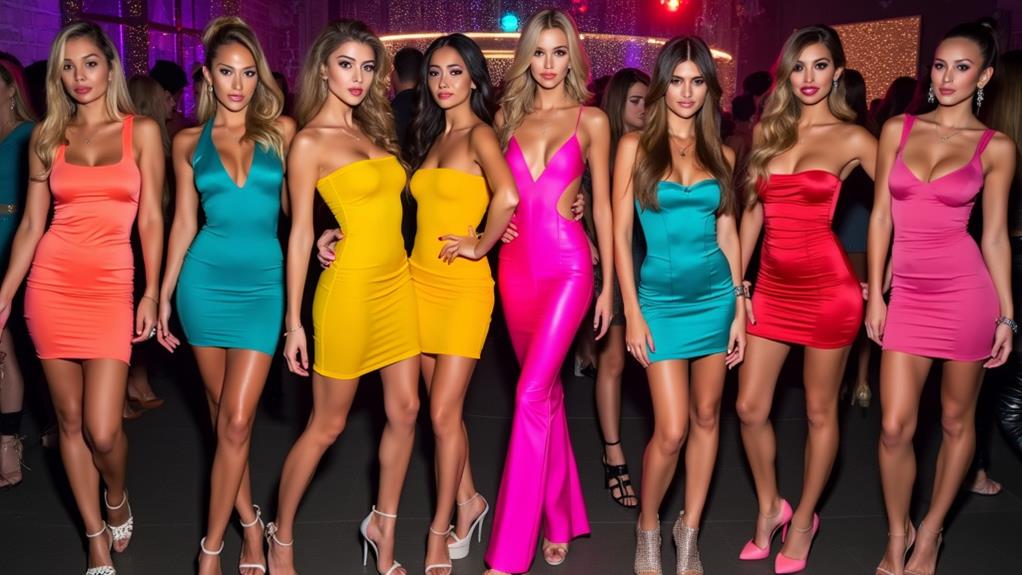
Remember the 2000s? That was the era when Body-Con dresses became a fashion phenomenon, popularized by designers like Hervé Léger. These figure-hugging dresses were more than just a style statement; they symbolized a new wave of body positivity and self-expression. Celebrities like Kim Kardashian and Beyoncé showcased them on red carpets, making them a staple on social media. But what enabled these dresses to transition effortlessly from day to night, and how did they impact traditional beauty standards? Let's delve into the allure and enduring influence of this iconic fashion trend.
Origins and Early Influence
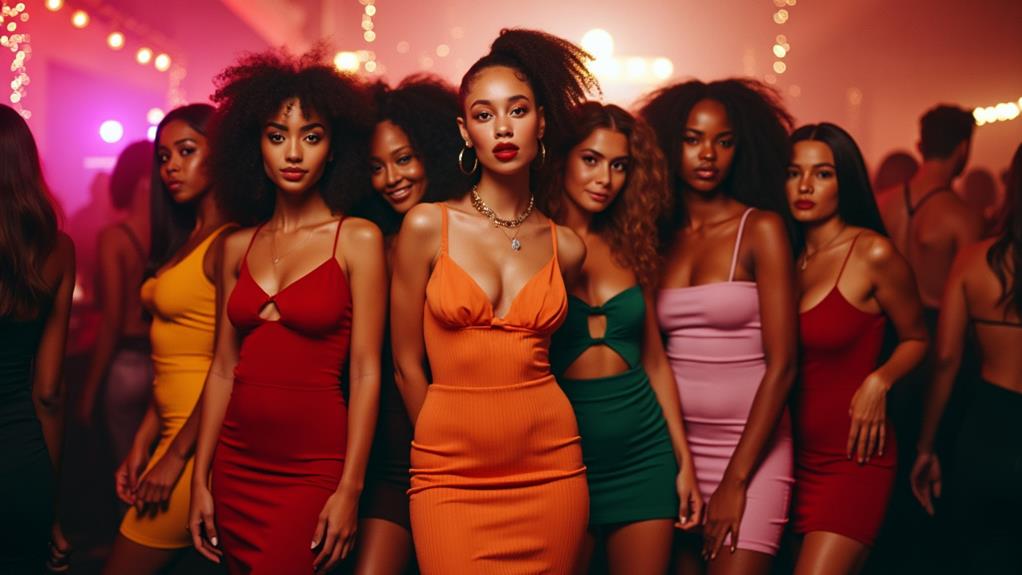
In the late 1980s, Azzedine Alaïa, often referred to as the "King of Cling," laid the groundwork for body-conscious fashion, paving the way for the BodyCon dress. His pioneering work in creating figure-hugging styles significantly influenced the fashion world. This set the stage for Hervé Léger's introduction of the BodyCon dress in 1989. These dresses quickly gained popularity, especially in nightlife and party scenes, due to their ability to accentuate the wearer's curves.
Drawing inspiration from the 1950s sheath dresses and 1980s silhouettes, the late 20th century saw a significant shift toward body-conscious fashion. BodyCon dresses, made from stretchy materials like Lycra and spandex, became symbols of confidence and empowerment in women's fashion. They molded to the wearer's body, showcasing every curve and contour, resonating with a growing desire for self-expression and body positivity.
1990s: The Rise
The 2000s witnessed a powerful resurgence of the BodyCon dress, significantly influenced by celebrity culture. Icons like Kim Kardashian and Beyoncé prominently featured this style at high-profile events and on social media, making it a coveted item for fashion enthusiasts. Hervé Léger's bandage dress, in particular, became a defining piece of 2000s fashion. Its form-fitting design accentuated curves and gained popularity in both nightlife and red carpet appearances.
The rise of reality television and celebrity culture in the 2000s further fueled the BodyCon trend. Public figures embraced and promoted this bold, body-conscious style, making it a staple in contemporary wardrobes. Modernized fabrics and embellishments also played a key role, appealing to a broader audience and solidifying the BodyCon dress as a symbol of femininity and confidence.
Major designers incorporated BodyCon silhouettes into their collections, reflecting a trend that celebrated women's fashion.
| Celebrity Influence | Key Designers | Popular Venues |
|---|---|---|
| Kim Kardashian | Hervé Léger | Nightlife |
| Beyoncé | Versace | Red Carpet Appearances |
| Paris Hilton | Balmain | Fashion Shows |
| Lindsay Lohan | Dolce & Gabbana | Social Media |
| Jennifer Lopez | Gucci | High-Profile Events |
Through these elements, the BodyCon dress firmly established itself as a defining trend of the 2000s.
2000s Revival
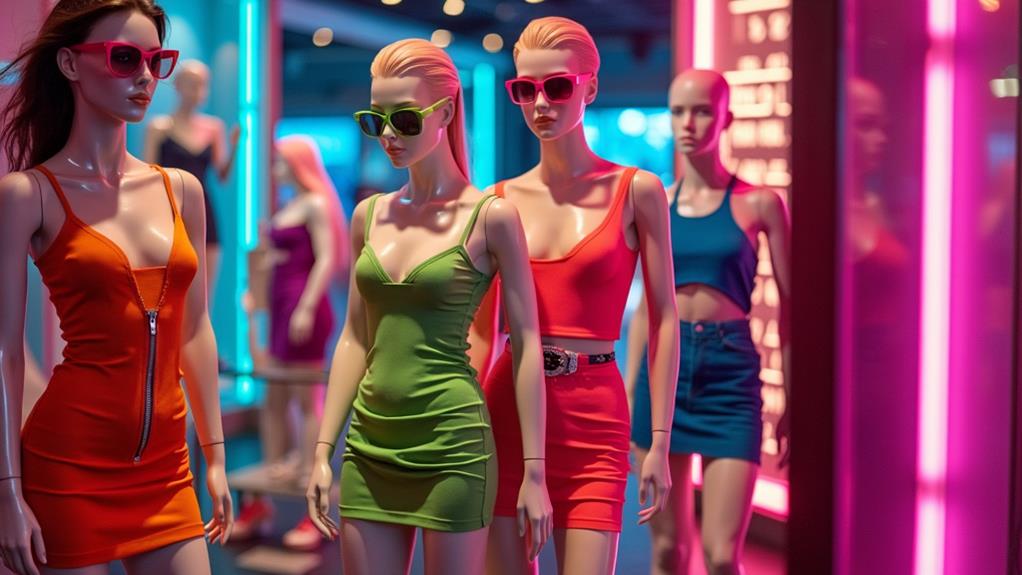
In the 2000s, bodycon dresses made a powerful comeback, largely thanks to celebrities like Kim Kardashian and Beyoncé. They showcased these styles on social media and at major events. This revival featured modernized fabrics and cutting-edge designs, making bodycon dresses more appealing and versatile. Consequently, bodycon dresses became a fashion staple, reflecting broader cultural shifts towards body positivity and inclusivity.
Celebrity Influence Surge
Celebrities like Kim Kardashian and Beyoncé didn't just wear body-con dresses in the 2000s; they turned them into cultural icons. Their appearances in these figure-hugging designs on red carpets and social media transformed the body-con silhouette into a symbol of confidence and allure. The impact was so profound that even today, stars like Dua Lipa continue to draw inspiration from this period, sporting modern versions of the iconic style.
The body-con craze can be traced back to high-profile events where paparazzi captured stunning images of celebrities like Paris Hilton and Nicole Richie in tight-fitting, stretchable bandage dresses by Hervé Léger. These moments didn't just highlight the dresses but also propelled discussions about body image and femininity. The body-con trend challenged conventional beauty standards, promoting self-acceptance and body positivity.
The influence of celebrities during the 2000s was undeniable. Their embrace of body-con dresses made the style a fashion staple, encouraging people to appreciate their curves and wear what makes them feel confident. Thanks to these influential figures, the body-con dress remains an enduring symbol of empowerment and style.
Modernized Fabric Innovations
The revival of bodycon dresses in the 2000s saw designers embracing innovative fabrics like breathable Lycra and spandex blends, making these form-fitting silhouettes more comfortable than ever. Modern fabric advancements improved stretch and recovery, enabling bodycon dresses to flatter a wider range of body types without losing their shape.
The introduction of performance fabrics with moisture-wicking properties extended the versatility of bodycon dresses beyond nightlife. They became suitable for daytime events and casual outings, offering comfort and style. Designers also started using textured and embellished fabrics, adding visual interest and depth to the bodycon look, allowing for greater creativity and personalization.
Sustainability also took center stage during this revival. Many brands explored eco-friendly materials and production methods, reflecting a growing awareness of fashion's environmental impact. Choosing a bodycon dress made from sustainable fabrics allowed you to enjoy modern fabric innovations while supporting a more eco-conscious fashion industry. This period redefined bodycon dresses by seamlessly merging style, comfort, and responsibility.
Celebrity Endorsements
Throughout the 2000s, body-con dresses surged in popularity, largely due to high-profile celebrity endorsements. Celebrities like Kim Kardashian and Beyoncé frequently wore these figure-hugging outfits, enhancing their association with high fashion. The iconic bandage dress by Hervé Léger became a red carpet staple, attracting endorsements from A-list stars and cementing its status as a symbol of glamour.
Paris Hilton and Nicole Richie also played a crucial role in embedding body-con styles in pop culture. Their appearances in body-con dresses during high-profile events made these outfits synonymous with nightlife and celebrity chic. Music videos of the decade, featuring artists like Jennifer Lopez, showcased the allure of body-con dresses, further influencing fans and setting fashion trends.
Celebrity endorsements didn't just make body-con dresses popular; they also contributed to the dress's reputation for empowering women. The body-con dress became a symbol of confidence and body positivity, encouraging women to embrace their curves and feel empowered. Thanks to these high-profile endorsements, the body-con dress remains an enduring symbol of 2000s fashion.
Versatility in Styling
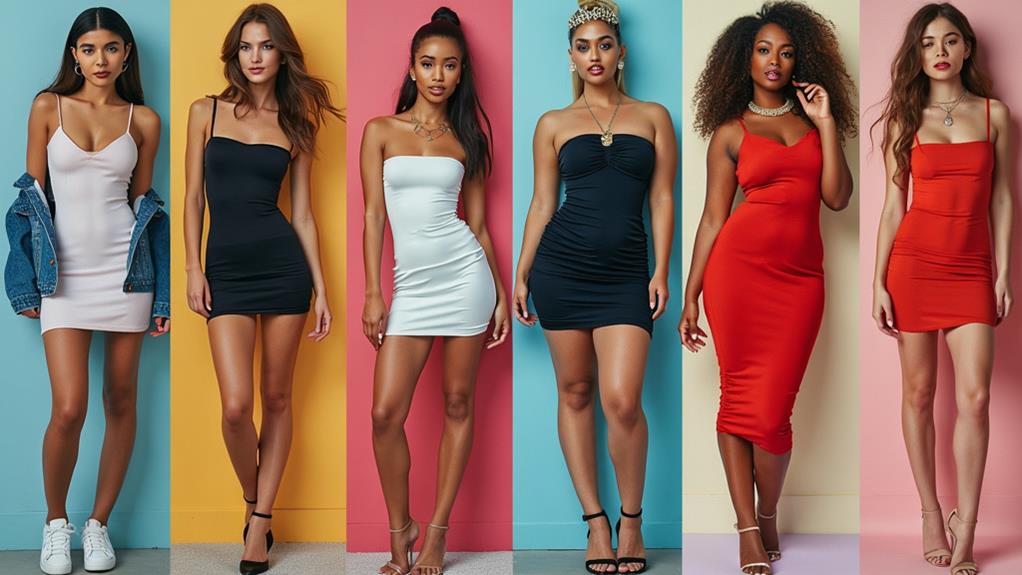
To transition bodycon dresses from day to night, simply change your accessories and footwear. For seasonal versatility, layer with jackets or blazers and select the appropriate sleeve length. This adaptability highlights why bodycon dresses were a staple in 2000s fashion.
Day-to-Night Transition
Thanks to their incredible versatility, bodycon dresses became a fashion staple in the 2000s, effortlessly transitioning from day to night with a few key styling tweaks. Whether for a casual daytime outing or a glamorous evening event, bodycon dresses had you covered. Celebrities often showcased this adaptability, seamlessly adjusting their looks with simple modifications.
For a chic daytime look, pair a bodycon dress with a denim jacket and sneakers for a laid-back yet stylish vibe. As evening approaches, swap the sneakers for heels and add statement jewelry to elevate the outfit, making you ready for a night out. The trend of layering further enhanced this day-to-night transition, allowing you to adapt your attire with ease.
Here's how you might feel wearing a bodycon dress through different parts of the day:
| Time of Day | Emotion Evoked |
|---|---|
| Morning | Fresh and Energetic |
| Noon | Confident and Cool |
| Afternoon | Stylish and Relaxed |
| Evening | Glamorous and Elegant |
| Night | Chic and Empowered |
The variety in lengths, styles, and fabrics further cemented bodycon dresses as the go-to choice for women seeking a chic yet functional wardrobe staple.
Seasonal Adaptations
As you explore the versatility of bodycon dresses, it's evident that their adaptability spans not just different times of the day but also various seasons. The secret to these seasonal transformations lies in layering and accessorizing. In cooler months, pair your bodycon dress with jackets or cardigans to add warmth without sacrificing style. Chunky boots and oversized sweaters can turn your outfit into a cozy winter ensemble.
When the weather warms up, the same dress can be effortlessly styled for summer. Choose sandals or heels to keep your look light and breezy. Fabrics like cotton blends and knits offer the comfort and flexibility you need, making these dresses suitable for any season. Accessories are also key. In winter, you might opt for a scarf and a statement coat, while in summer, delicate jewelry and strappy sandals are ideal.
The variety in lengths, cuts, and styles of bodycon dresses ensures they cater to diverse personal preferences and body types. This versatility makes them a valuable addition to your wardrobe, adaptable for any season and occasion.
Future Trends
The future of bodycon dresses is shifting towards more relaxed and detailed designs, moving away from the tight, minimalist styles that defined the 2000s. Personal style will significantly influence this transformation. As body positivity continues to gain momentum, expect bodycon dresses that celebrate diverse body types with inclusive and flattering fits.
Designers are experimenting with looser silhouettes and ornate details, reflecting a departure from the ultra-tight styles of the past. Semi-transparent fabrics and swimwear-inspired elements are also entering bodycon fashion, adding a modern twist. This shift aligns with the fast-paced trend cycles, where change is constant and rapid.
Moreover, there's a growing interest in reviving historical styles that emphasize complexity and craftsmanship over simplicity. This means bodycon dresses may feature intricate embroidery, bold patterns, and unique textures. The cultural conversation around body image and inclusivity is pushing designers to create collections that reflect these values, making future bodycon trends more diverse and accessible. Embrace these changes and let your personal style shine.