The 1990s Goth Fashion Revival
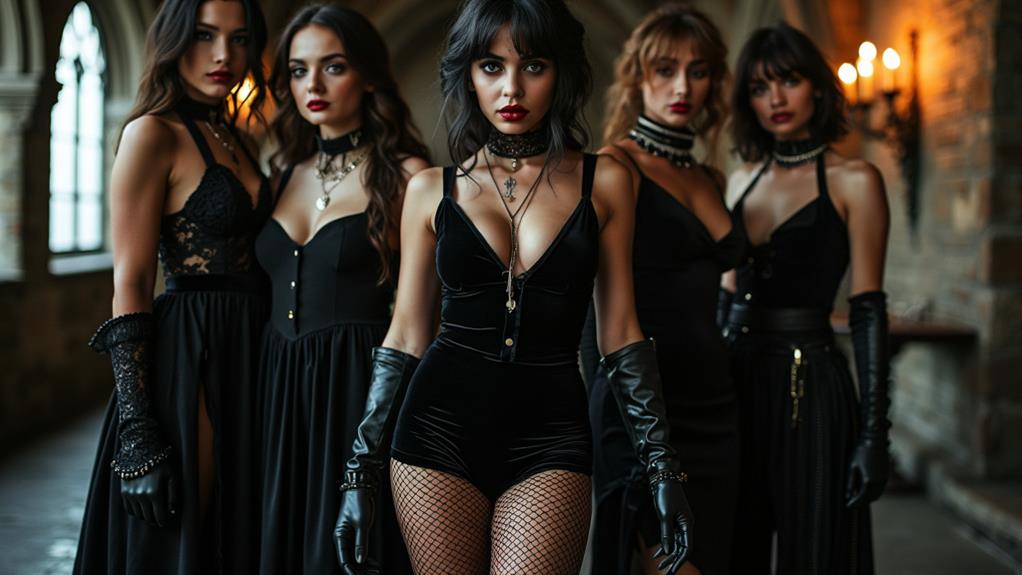
The 1990s were marked by bold fashion statements, and the goth fashion revival added a unique twist to the era. Influenced by bands like The Sisters of Mercy and The Cure, the style combined dark clothing with grunge elements to create a distinctive look. Think oversized band t-shirts, chokers, and spiked jewelry. This trend extended beyond wardrobes, permeating films and TV shows, and bringing goth culture into the mainstream. Curious about how these elements coalesced to shape modern goth fashion? Let's explore the origins and lasting impact of this iconic revival.
Origins of 1990s Goth
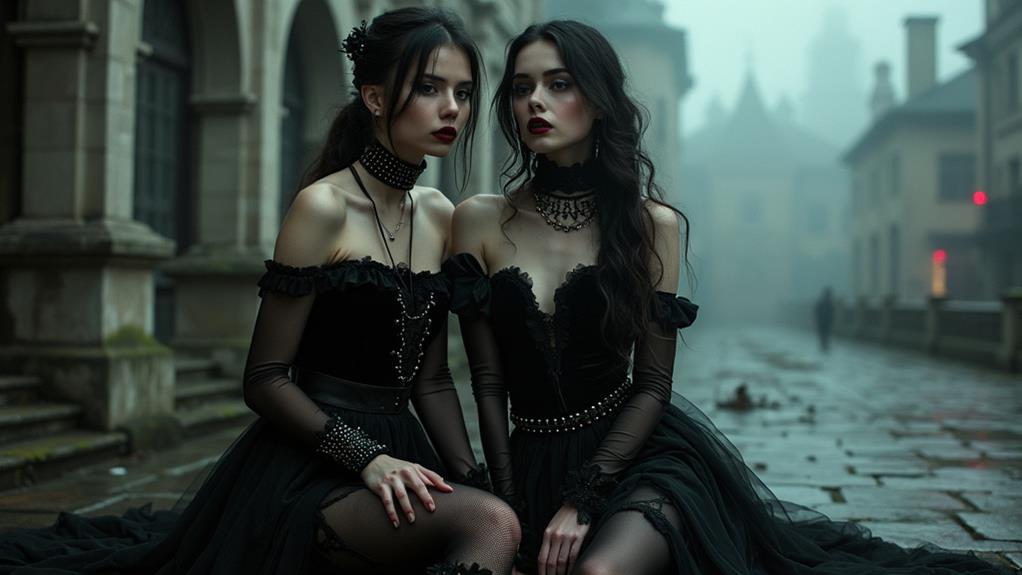
In the 1990s, goth fashion experienced a revival through the merging of goth and grunge styles, creating a dark and distinctive aesthetic. This new wave of goth fashion was characterized by darker clothing, alternative music influences, and a unique blend of grunge's raw, unpolished look. Key elements included black leather jackets, lace-up boots, oversized band t-shirts, and accessories like chokers and spiked jewelry.
Bands like The Sisters of Mercy and Bauhaus kept goth's allure alive, while the rise of Nine Inch Nails introduced industrial music into the goth scene, diversifying the goth sound and expanding its appeal. Specialty retailers like Hot Topic commercialized goth culture, making it more accessible while maintaining its edge.
Cultural events like the Wave Gotik Treffen festival in Germany provided a space for the goth community to gather and express themselves, playing a crucial role in solidifying the 1990s goth revival. This ensured the subculture continued to flourish.
Key Influences and Icons
During the 1990s goth fashion revival, key influences and icons played pivotal roles in shaping the subculture's aesthetic and broadening its appeal. The commercialization of goth culture saw bands like The Sisters of Mercy and Siouxsie and the Banshees continue to define goth fashion through their dark, melodic sound and striking visuals, which became blueprints for the goth identity.
The rise of the internet and alternative music channels allowed goth fashion trends to spread widely, making it easier for enthusiasts to access and adopt these styles. Iconic figures such as Winona Ryder, with her roles in films like "Beetlejuice," and musicians like Marilyn Manson brought goth aesthetics into the mainstream, further popularizing the subculture.
Key influences and icons of 1990s goth fashion included a mix of punk, Victorian, and romantic elements. This combination created a diverse and eclectic style that resonated with many and continues to inspire contemporary goth fashion trends.
Here are some key influences and icons:
| Icon | Contribution to Goth Culture | Notable Fashion Elements |
|---|---|---|
| The Sisters of Mercy | Pioneered goth music and visuals | Black leather jackets, dark tones |
| Siouxsie and the Banshees | Defined the goth aesthetic | Dramatic makeup, fishnet stockings |
| Winona Ryder | Mainstream media representation | Gothic Victorian dresses, pale makeup |
| Marilyn Manson | Shock rock influence | Platform boots, theatrical costumes |
These icons and their contributions were instrumental in shaping the 1990s goth fashion revival, leaving a lasting impact on the subculture.
Signature Fashion Elements
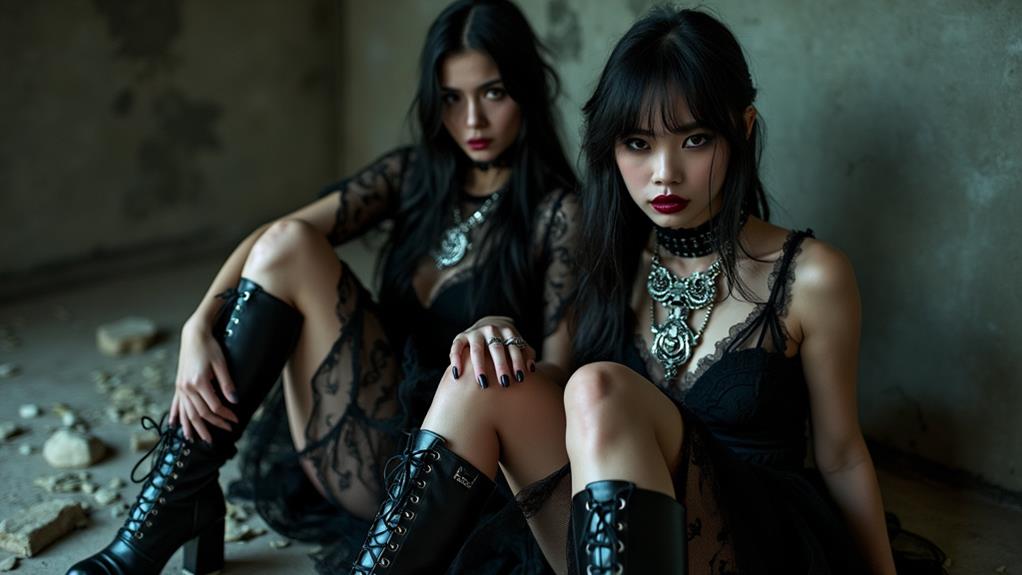
The 1990s goth fashion revival was marked by iconic accessories such as chokers, spiked bracelets, and oversized platform boots, which defined the era's edgy aesthetic. Wardrobe staples included fishnet stockings, dark velvet fabrics, and leather jackets. Combined with dramatic makeup, these elements created a rebellious and unmistakably goth look.
Iconic Goth Accessories
Goth fashion in the 1990s wasn't just about clothing; it thrived on iconic accessories that defined the subculture's core of rebellion and individuality. Essential to the goth aesthetic were chokers, often made from leather or velvet and adorned with spikes or charms. These accessories weren't merely stylish; they were statements of defiance.
Fishnet stockings became indispensable, layered under skirts or shorts to enhance the dark, edgy aesthetic. Paired with platform boots, especially those from brands like Demonia, they contributed to a dramatic height that echoed punk influences. These boots weren't just footwear; they were a bold proclamation of goth identity.
Dark, dramatic makeup was vital for the quintessential goth look. Black eyeliner, pale foundation, and deep-colored lipsticks enhanced the theatricality of the style, turning your face into a canvas of gothic art. Complementing this were gothic-themed accessories like silver jewelry adorned with skulls, bats, and pentagrams. Often handcrafted or sourced from alternative boutiques, these pieces added a personal touch, making each outfit uniquely yours. Adopting these iconic goth accessories fully captures the spirit of 1990s goth fashion.
Distinctive Clothing Styles
The 1990s goth fashion revival stood out with its distinctive blend of dark, rebellious clothing styles that defined the subculture. Signature items like black leather jackets, lace dresses, and combat boots contributed to a look that embraced darkness and rebellion. These fashion choices were deliberate trends that characterized the Goth Style of the era.
Key elements included:
- Layered Looks: Combining Victorian-inspired garments with punk influences, such as ripped tights and oversized sweaters, created a unique aesthetic. This layering showcased the subculture's diverse influences and allowed for personal expression.
- Signature Accessories: Chokers, fishnet stockings, and platform shoes were staples in every goth's wardrobe, integral to completing the look.
- Dramatic Makeup: Pale foundation, dark eyeliner, and deep red or black lipstick were common, enhancing the dark, mysterious appearance central to Goth Style.
Band merchandise from influential Goth and alternative rock bands also played a key role, showcasing personal taste and community affiliation.
Makeup and Hairstyles
In the 1990s goth fashion revival, dramatic makeup and distinctive hairstyles became essential elements of self-expression, blending bold aesthetics with a sense of dark allure. Heavy black eyeliner, pale foundation, and deep red or black lipstick created a stark, memorable contrast. Makeup brands catered specifically to the goth subculture, offering high-pigment eyeliners and unique lipstick shades to perfect the look.
Hairstyles were similarly bold, often featuring teased or backcombed elements. Many chose deep purple or black hair, accessorized with hair clips or spikes for added flair. Long, sleek cuts with dramatic bangs or asymmetrical styles were popular, frequently dyed to match the dark aesthetic. Corpse paint, inspired by heavy metal and horror themes, also found its way into mainstream goth fashion, adding a theatrical touch to everyday looks.
These elements were not just about appearance; they were powerful tools for expressing identity. By embracing dramatic makeup and hairstyle choices, individuals could convey a sense of mystery and a unique personal style that stood out in any crowd.
Music and Subculture
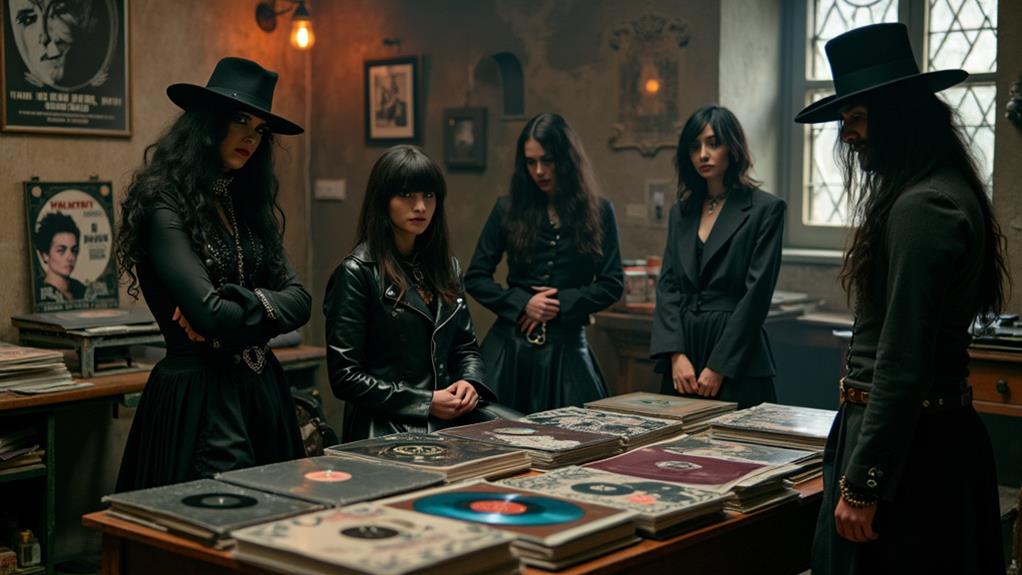
The 1990s witnessed the rise of goth music and its associated subculture, heavily influenced by iconic bands such as The Sisters of Mercy, Bauhaus, and The Cure. These bands cemented the goth aesthetic in mainstream music, playing a pivotal role in the 1990s Goth Fashion Revival. Their haunting melodies and dark, poetic lyrics struck a chord with a generation eager to embrace a more melancholic and romantic style.
During this period, goth music diversified, giving rise to subgenres like Darkwave and Ethereal Wave. Bands such as Dead Can Dance and Lycia introduced new sounds that inspired various fashion trends within the subculture. This musical evolution led to changes in goth fashion, incorporating more eclectic and varied styles.
The commercialization of goth culture also had a significant impact. Specialty stores like Hot Topic made goth fashion more accessible, offering a wide range of lace, velvet, and leather outfits. Additionally, the fusion of goth with genres like industrial and nu-metal expanded the aesthetic further. Key elements included:
- Combat boots for their blend of practicality and style.
- Band tees to showcase musical preferences.
- Hybrid looks that mixed traditional and modern elements, honoring both past and present influences.
Media Representation
How did the media shape the goth fashion revival of the 1990s? Media representation played a pivotal role in propelling goth fashion into the mainstream. Films like "The Crow" and TV shows such as "Buffy the Vampire Slayer" introduced gothic aesthetics to a broader audience, portraying characters in dark, dramatic attire. These portrayals often leaned towards sensationalized stereotypes, depicting goths as outsiders or mysterious figures, which both intrigued and mystified mainstream viewers.
Music videos from bands like The Sisters of Mercy and Bauhaus became staples on MTV, embedding goth style into pop culture. These visuals showcased the allure of dark clothing, heavy makeup, and intricate accessories, making goth fashion more accessible and desirable.
| Media Influence | Impact on Goth Fashion |
|---|---|
| Films ("The Crow") | Popularized gothic aesthetics |
| TV Shows (Buffy) | Introduced goth characters to mainstream |
| Music Videos (MTV) | Embedded goth style into pop culture |
| Alternative Magazines | Provided nuanced representations |
Fashion retailers like Hot Topic capitalized on this media representation, offering goth-inspired clothing and accessories. Meanwhile, alternative magazines and zines provided a more authentic voice for the goth community, countering negative stereotypes. This dual approach helped solidify goth fashion as a significant cultural movement in the 1990s.
Celebrity Endorsements
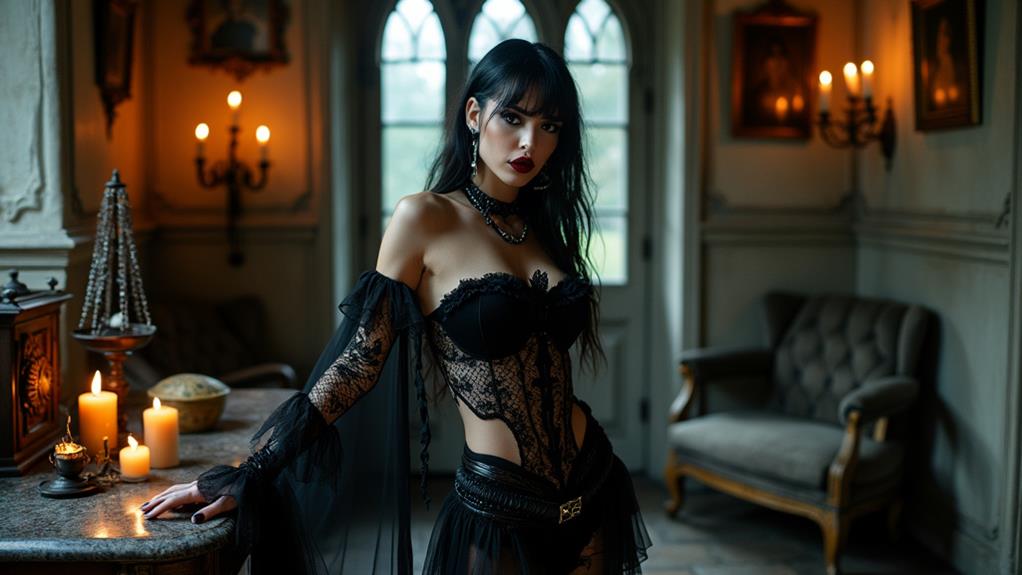
Modern celebrities are breathing new life into goth fashion. Jojo Siwa's surprising goth transformation and Gene Simmons' open support of the style are making waves. Their influence is reigniting interest and inspiring fans to explore goth aesthetics anew.
Jojo Siwa's Goth Transformation
Jojo Siwa's goth transformation has generated significant interest in both fashion and entertainment circles, merging her signature youthful exuberance with darker, edgier elements. Her new look, inspired by goth icons like Siouxsie Sioux, features black clothing, dramatic makeup, and bold accessories, creating a striking contrast to her previous image.
Reasons Behind the Buzz:
- Classic Goth Elements: Siwa's new style incorporates traditional goth fashion staples such as dark attire, heavy eyeliner, and statement jewelry, drawing in a younger audience.
- Mixed Reactions: Some fans appreciate the new aesthetic, while others question its authenticity and worry about the commercialization of the goth subculture.
- Mainstream Acceptance: Celebrity endorsements like Siwa's highlight the increasing acceptance of goth aesthetics in mainstream culture, with goth-inspired merchandise quickly selling out.
Siwa's collaborations with brands, especially in makeup, underscore the influence of social media and celebrity culture in reviving goth fashion. Her impact is evident, sparking renewed interest in this dark and dramatic style among today's youth. Whether you're a longtime goth enthusiast or new to the scene, Siwa's transformation showcases the enduring appeal and evolving nature of this subculture.
Gene Simmons' Goth Support
Jojo Siwa's goth transformation has captured widespread attention, and another prominent figure has thrown his support behind the goth fashion revival—Gene Simmons. The iconic frontman of KISS has publicly endorsed the resurgence of goth fashion, emphasizing its acceptance within mainstream culture and promoting its adoption across all generations.
Simmons' endorsement is significant due to his well-known status in the rock music scene and his history of embracing unconventional styles. This lends credibility to the goth revival, encouraging others to explore and incorporate goth elements into their fashion. His positive remarks on the goth aesthetic have resonated with fans, validating the style and expanding its appeal beyond its traditional subculture roots.
Moreover, Simmons' influence extends beyond words. His collaboration with brands, particularly makeup lines that reflect goth aesthetics, illustrates the growing intersection of celebrity influence and alternative fashion. This shift in perception, driven by Simmons' visibility, helps move goth culture from niche to more mainstream acceptance. By endorsing goth fashion, Simmons not only supports the subculture but also bridges the gap between alternative and mainstream fashion.
Modern Interpretations
Amid the resurgence of 1990s goth fashion, modern interpretations breathe new life into this dark aesthetic by blending nostalgia with contemporary flair. Today's goth fashion isn't limited to oversized band tees and platform boots; it now incorporates vibrant colors and diverse materials, creating an eclectic and accessible look. Influences from Y2K trends enhance traditional goth styles, merging past and present seamlessly.
Social media platforms like TikTok and Instagram have played a crucial role in this revival. They've sparked a renewed interest in DIY fashion, with individuals customizing thrifted pieces to express their personal style while embracing goth culture. Notable trends include:
- Customized Thrifted Pieces: People are upcycling vintage finds, adding studs, patches, and unique alterations.
- Celebrity Influence: Figures like Billie Eilish and Lil Nas X have popularized goth-inspired looks, reshaping public perception.
- Mainstream Integration: Retailers now incorporate goth elements into their collections, making the aesthetic more accessible.
This blend of traditional and modern elements demonstrates that goth fashion is not just a fleeting trend but a continually evolving style, reaching wider audiences than ever before.
Community and Legacy
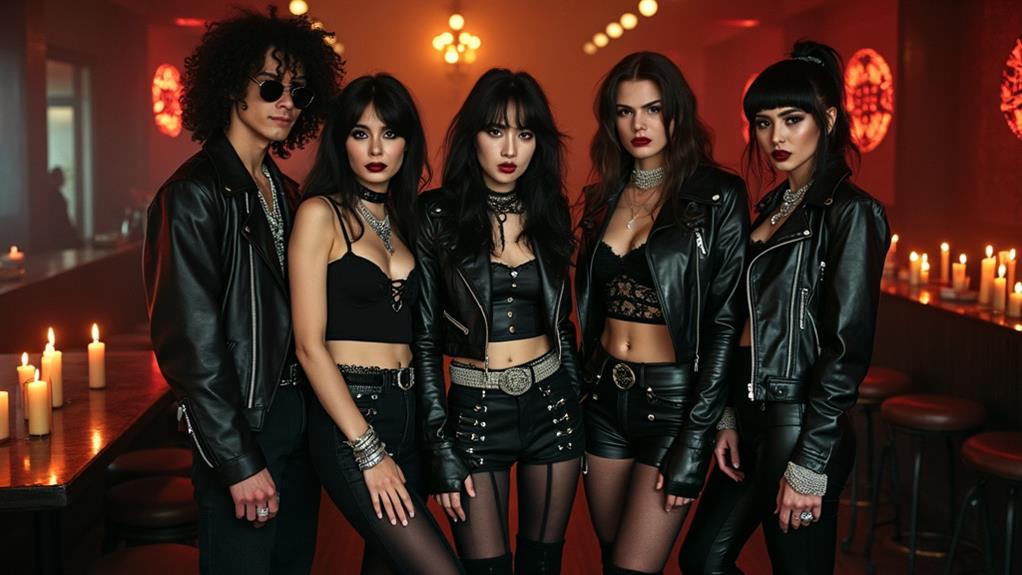
Modern interpretations of goth fashion have both reshaped the aesthetic and strengthened the sense of community and legacy within the subculture. The 1990s Goth Fashion Revival saw a resurgence in dark aesthetics, blending Victorian and punk influences, significantly increasing the visibility of goth culture in mainstream media.
Events like the Wave Gotik Treffen in Germany have been crucial for fostering a global goth community. These gatherings create a shared identity, uniting goths from diverse backgrounds. Iconic fashion elements such as lace, leather, and dramatic makeup serve as symbols of resistance against mainstream culture, allowing individuals to express their unique identities within this tight-knit community.
The revival was profoundly influenced by the popularity of gothic rock bands like The Sisters of Mercy and Bauhaus. Their music and style helped shape the goth community's aesthetics, creating a lasting cultural impact. As online platforms emerged in the late 90s, goths gained greater connectivity. This digital space facilitated the sharing of goth fashion, music, and culture, solidifying the legacy of the 1990s goth revival and ensuring its influence for future generations.