The 1920S Obsession With Art Deco in Fashion
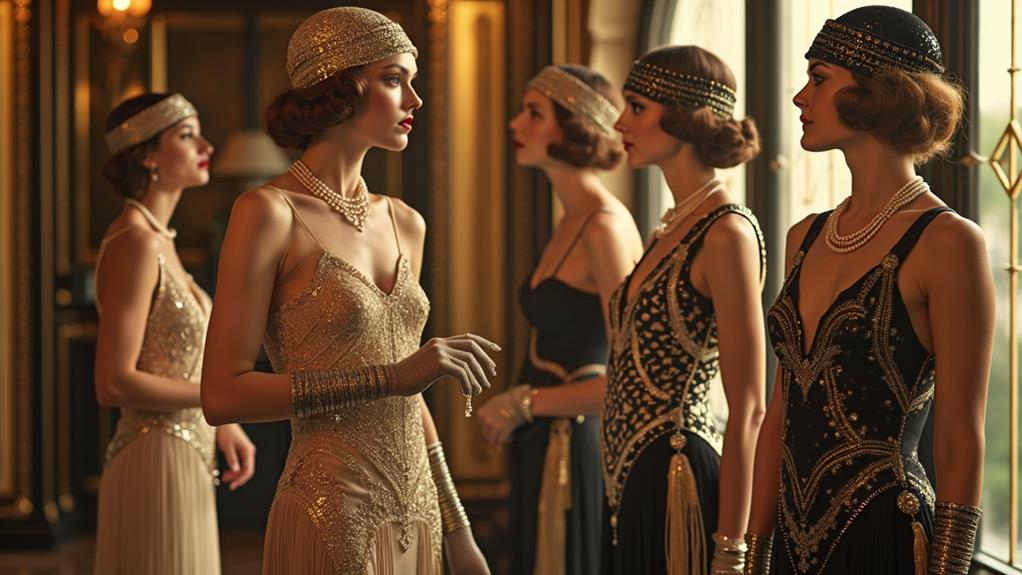
When considering the 1920s, the profound impact of Art Deco on fashion is undeniable. This era marked a significant departure from the restrictive Victorian styles, embracing bold geometric patterns, luxurious fabrics, and sleek silhouettes. Designers such as Coco Chanel and Paul Poiret spearheaded this movement, creating garments that embodied liberation and modernity. The flapper style, characterized by knee-length dresses and androgynous shapes, became a cultural icon, symbolizing newfound freedom for women. But what fueled this fascination with Art Deco, and how did it transform the fashion landscape?
Origins of Art Deco Fashion
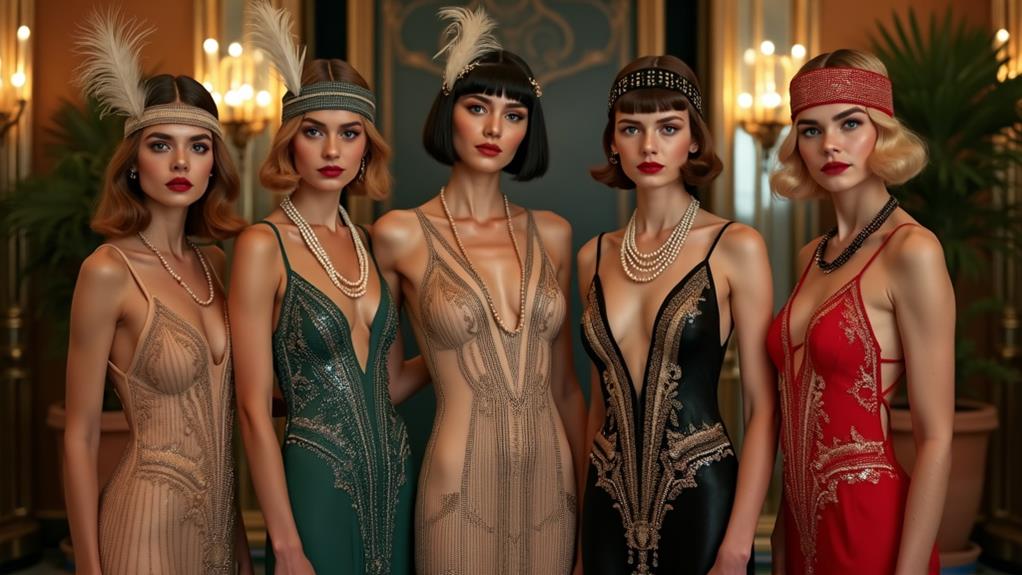
The origins of Art Deco fashion emerged in the early 1920s, a period marked by societal changes following World War I and the burgeoning women's liberation movement. The aftermath of the war and the push for women's rights played pivotal roles in shaping this revolutionary style. Art Deco design encapsulated the era's modernity and exuberance, characterized by streamlined silhouettes and geometric patterns. This movement symbolized a departure from the past and embraced a new, liberated future for women.
Influential designers such as Coco Chanel and Paul Poiret led the charge, introducing chic, unstructured garments that contrasted sharply with the restrictive Victorian norms. Their groundbreaking designs offered women greater freedom of movement and a sense of individuality. This shift in fashion was more than just a change in aesthetics; it was a statement of empowerment and self-expression.
Art Deco fashion also drew inspiration from diverse cultural sources, including ancient Egypt, Africa, and the Far East. Events like the 1925 Paris Exhibition helped popularize these motifs, further enriching the movement. Exploring the origins of Art Deco fashion reveals a fascinating intersection of cultural, social, and artistic transformations.
Key Characteristics
During the vibrant 1920s, Art Deco fashion captivated with its distinct geometric shapes and streamlined designs, reflecting the era's modernist ethos. Luxurious materials like silk and velvet, paired with dynamic colors and intricate patterns, exuded glamour and opulence. This fashion was not merely about aesthetics but making a bold statement.
Flapper styles emerged as a defining trend, characterized by boyish silhouettes, shorter hemlines, and angular designs that defied conventional feminine norms. Accessories were crucial, with cloche hats, beaded handbags, and statement jewelry featuring bold, abstract forms inspired by contemporary art movements. Additionally, exotic motifs and cultural influences from ancient Egypt and indigenous art added a unique dimension to Art Deco fashion.
Key characteristics include:
| Element | Description | Emotion |
|---|---|---|
| Geometric Shapes | Bold, angular designs | Striking and modern |
| Luxurious Materials | Silk, velvet, and dynamic colors | Glamorous and opulent |
| Flapper Styles | Shorter hemlines, boyish silhouettes | Rebellious and daring |
| Exotic Motifs | Influences from ancient Egypt and indigenous art | Unique and adventurous |
Art Deco fashion was more than a style; it was a revolutionary movement that captured the spirit of its time.
Influential Designers
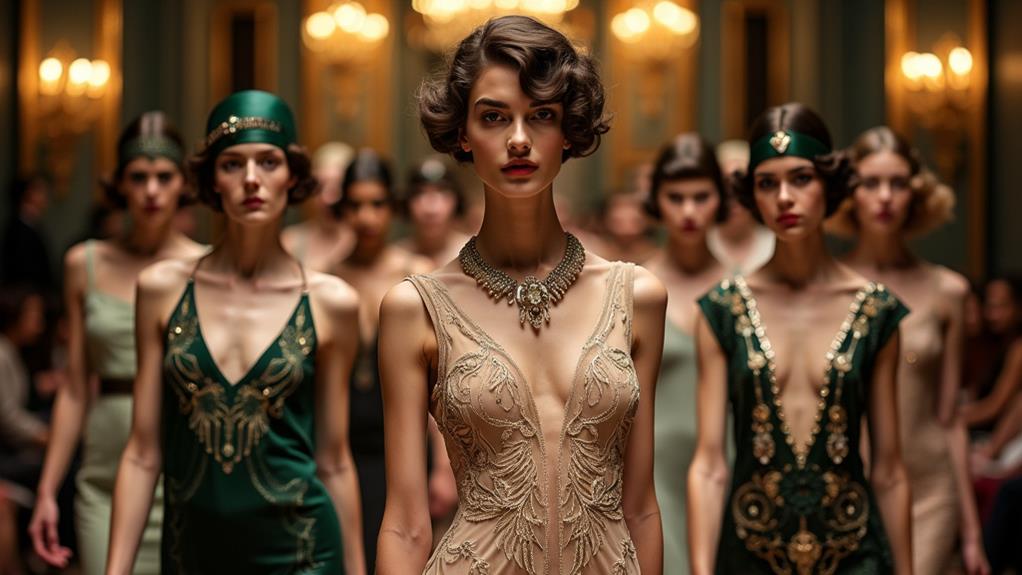
When exploring the pioneers of elegant simplicity in Art Deco fashion, Paul Poiret and Coco Chanel emerge as key figures, liberating women from restrictive garments and promoting modern, functional designs. Avant-garde innovators like Jeanne Lanvin and Raymond Templier also advanced the movement with exquisite evening dresses and bold jewelry, respectively. Natalia Goncharova's theatrical costumes for the Ballets Russes significantly influenced the blend of art and fashion, a legacy that continues to inspire designers today.
Pioneers of Elegant Simplicity
How did the Art Deco movement revolutionize fashion? By infusing luxury and glamour with elegant simplicity, pioneering designers transformed fashion into a celebration of modernity and sophistication. Jeanne Lanvin was at the forefront, crafting 1930s evening dresses with graceful lines and geometric collars. Her designs embodied sculptural simplicity, a hallmark of the Art Deco movement.
Paul Poiret played a crucial role by freeing women from restrictive corsets, introducing chic, flowing gowns that prioritized comfort without sacrificing style. His creations perfectly encapsulated the essence of Art Deco, merging ease with high fashion.
Coco Chanel reshaped women's wardrobes by popularizing streamlined outfits that emphasized functional elegance. She integrated trousers into women's fashion, making her designs resonate with the modern woman of the 1920s. Chanel's work was a testament to the Art Deco ethos—sleek, practical, yet undeniably luxurious.
Raymond Templier's jewelry designs were bold and abstract, incorporating geometric shapes and modern machinery influences. His pieces mirrored the Art Deco aesthetic, making a striking declaration of modern luxury.
Together, these pioneers of elegant simplicity redefined fashion, blending innovation with timeless grace, and leaving an indelible mark on the 1920s.
Avant-Garde Fashion Innovators
The Art Deco movement was not merely a shift in fashion; it was a revolution led by avant-garde innovators who redefined style. Paul Poiret liberated women from corsets, introducing chic, flowing gowns that highlighted the natural silhouette. His work laid the groundwork for the Art Deco aesthetic, emphasizing freedom and elegance. Coco Chanel advanced this further by popularizing jersey fabric, creating elegant yet comfortable garments such as the iconic little black dress, which epitomized modern femininity.
Jeanne Lanvin's 1930s evening dresses featured the bias cut, allowing for a sculptural quality and fluid movement, reflecting the elegance and sophistication of the Art Deco period. Raymond Templier's bold geometric jewelry designs incorporated modern materials, showcasing the fusion of art and fashion inherent in the Art Deco movement. Natalia Goncharova's contributions to the Ballets Russes combined Russian heritage with avant-garde styles, significantly influencing high fashion and performance art during the 1920s.
| Designer | Contribution |
|---|---|
| Paul Poiret | Liberated women from corsets |
| Coco Chanel | Popularized jersey fabric |
| Jeanne Lanvin | 1930s bias-cut evening dresses |
| Raymond Templier | Bold geometric jewelry designs |
These avant-garde innovators didn't just follow trends; they created them, leaving a lasting impact on fashion that still resonates today.
Flapper Style Icon
Discussing Art Deco fashion necessitates recognizing the flapper style icon of the 1920s. Flappers revolutionized women's fashion by discarding Victorian restrictions and adopting knee-length dresses with dropped waists and striking geometric patterns. Their impact extended beyond attire, as their liberated lifestyle and iconic accessories redefined cultural norms and left a lasting legacy.
Evolution of Flapper Fashion
Flapper fashion emerged in the 1920s, revolutionizing women's wardrobes with its daringly short hemlines and innovative designs. Aligned with the modernist ideals of the Art Deco movement, flapper fashion departed from the restrictive Victorian norms. Dresses featured short hemlines, often at mid-calf or above the knee, symbolizing newfound freedom.
The flapper silhouette was characterized by a boyish, tubular shape that de-emphasized the bust and hips. This androgynous style contrasted sharply with the previous era's focus on curves, aligning perfectly with the sleek lines and geometric patterns of Art Deco. Accessories like cloche hats, beaded Charleston dresses, and rolled-down stockings completed the look, adding a playful yet sophisticated edge.
Flappers embodied a broader cultural shift towards independence and rebellion. They were seen smoking and dancing in public, challenging traditional feminine behaviors and societal expectations. The rise of the Silver Screen in Hollywood further cemented the flapper's influence, with actresses like Clara Bow and Joan Crawford popularizing the style. Through film, these actresses brought flapper fashion into the mainstream, ensuring its lasting impact on the fashion world.
Cultural Impact of Flappers
Building on the evolution of flapper fashion, let's explore how these daring women became cultural icons. Emerging in the 1920s, flappers defied traditional feminine norms with their shorter hemlines and boyish silhouettes. Their look, featuring cloche hats, beaded dresses, and rolled stockings, epitomized the Art Deco style with its emphasis on geometric shapes and streamlined aesthetics. This sense of glamour marked a stark departure from the conservative fashion of previous decades.
Flappers didn't just change how women dressed; they transformed behavior and attitudes. Smoking, drinking, and dancing in jazz clubs were more than just pastimes—they were acts of youthful rebellion against societal constraints and Victorian values. Flappers symbolized broader themes of women's liberation, pushing boundaries and redefining what it meant to be a modern woman in the 1920s.
Icons like Clara Bow and Joan Crawford brought the flapper spirit to the silver screen, influencing popular culture and solidifying the flapper's image as a symbol of modernity and independence. Through their bold fashion choices and liberated lifestyles, flappers left an indelible mark on society, embodying a new sense of freedom and self-expression.
Athletic and Leisurewear
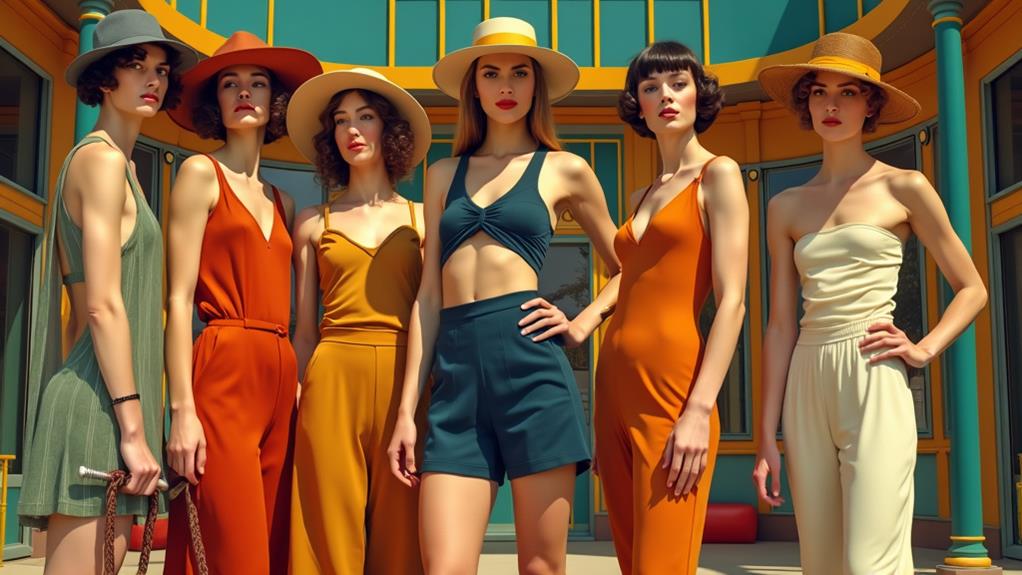
In the 1920s, a growing interest in sports and travel ignited a revolution in fashion, leading to the rise of athletic and leisurewear. This new trend combined the sleek, geometric designs of the Art Deco movement with the need for comfort and mobility. Coco Chanel played a crucial role in this shift, popularizing streamlined outfits and trousers for women, which challenged traditional gender norms.
Designers like Jeanne Lanvin embraced this trend, creating chic and practical garments such as tennis dresses that were both functional and elegant. These outfits often featured loose fits and bright colors, ideal for the active, modern woman. The "Sporty Girl" emerged as a new lifestyle icon, blending leisure activities with stylish attire and reflecting the evolving roles of women in society.
Athletic wear from this time showcased bold, geometric patterns characteristic of Art Deco, aligning with broader aesthetic trends. These elements were evident in everything from swimsuits to casual daywear. This fusion of fashion and function not only made athletic wear more appealing but also redefined women's clothing for generations to come.
Jewelry Trends
Jewelry trends of the 1920s mirrored the geometric elegance of Art Deco, focusing on minimalist and bold designs. This era marked a departure from the intricate detailing of previous periods, favoring streamlined forms and geometric shapes. Platinum became the metal of choice, often used to set gemstones like diamonds, enhancing their prominence. This shift resulted in luxurious yet straightforward jewelry pieces.
A notable trend was the combination of diamonds and rock crystal, creating an elegant and sophisticated look. Designers like Raymond Templier drew inspiration from modern machinery, resulting in bold, abstract forms that embodied the innovative spirit of the decade.
Art Deco jewelry wasn't just about simplicity and boldness; it also incorporated exotic motifs and vibrant colors. Influences from Africa and ancient Egypt were common, adding a layer of cultural richness to the designs. Today, these pieces are highly collectible, reflecting their timeless appeal.
Key Trends in 1920s Art Deco Jewelry
- Geometric and minimalist designs.
- Platinum settings with prominent gemstones.
- Exotic motifs and vibrant colors.
Cultural Impact
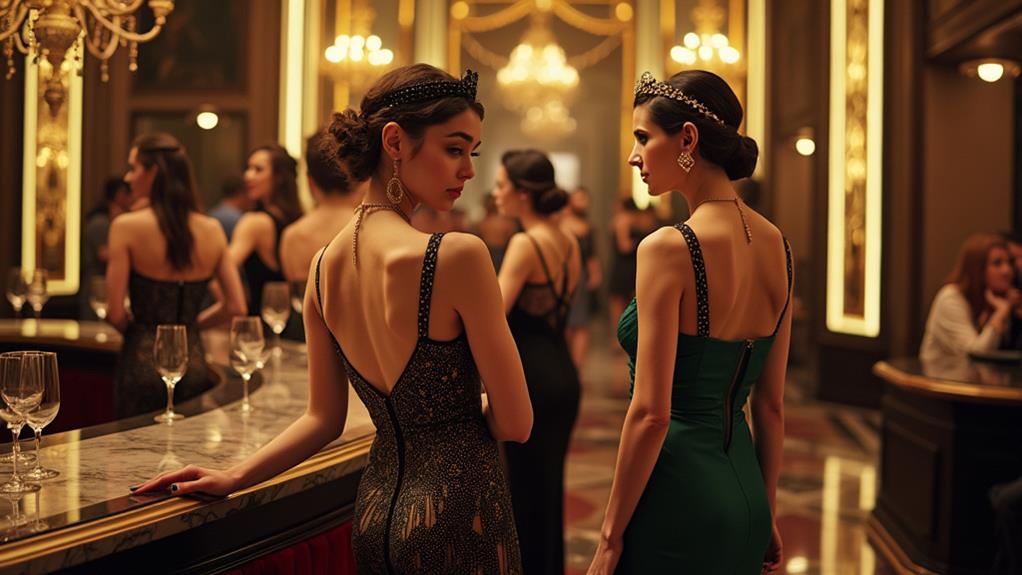
The cultural impact of Art Deco in the 1920s was profound, shaping the essence of modernity and influencing various aspects of society, including fashion, architecture, interior design, and visual arts. The movement was closely linked to women's liberation, as the fashionable flapper styles became symbols of breaking away from traditional feminine norms and embracing independence and freedom. During this time, women were entering the workforce in greater numbers and demanded practical yet stylish clothing that allowed for mobility and leisure.
Art Deco fashion, characterized by bold geometric shapes and vibrant colors, mirrored the era's fascination with modernity and consumer culture. It celebrated luxury and sophistication, with high-profile figures like Clara Bow and Jean Harlow popularizing these styles and embedding them into the glamorous lifestyle aspirations of the 1920s.
Beyond fashion, Art Deco's influence extended to architecture, interior design, and visual arts, embedding a sense of modernity and sophistication into the broader societal consciousness. This period reflected significant cultural shifts and the celebration of new freedoms, particularly for women.
Legacy in Film and Fashion
Art Deco's legacy in film and fashion has left an indelible mark on both industries, seamlessly blending the period's opulence with modern aesthetics. The movement's influence is vividly represented in films from the 1920s, where glamorous costumes echoed the era's luxurious and contemporary style. Iconic actresses like Clara Bow and Joan Crawford brought the flapper style to life on screen, featuring shorter hemlines and boyish silhouettes that redefined women's fashion.
In film, the Goddess Icon emerged, with stars like Jean Harlow popularizing the opulence of Art Deco through luxurious gowns and exquisite jewelry. Claudette Colbert's Cleopatra gown is a prime example, showcasing the period's artistic innovation and its lasting impact on cinematic visuals. This influence continues to inspire modern filmmakers and fashion designers alike.
Fashion's acceptance of Art Deco was pioneered by designers like Coco Chanel and Paul Poiret. They translated Art Deco's geometric patterns and streamlined designs into garments that not only reflected contemporary culture but also set trends for future styles. Their work ensured that the elegance and sophistication of Art Deco would remain a timeless influence.
Key Points:
- Flapper Style: Popularized by actresses in 1920s films.
- Goddess Icon: Luxurious gowns and jewelry epitomizing Art Deco.
- Influential Designers: Coco Chanel and Paul Poiret's geometric patterns and streamlined designs.