Shoulder Pads of the 1980s: Power Dressing in Women’s Fashion
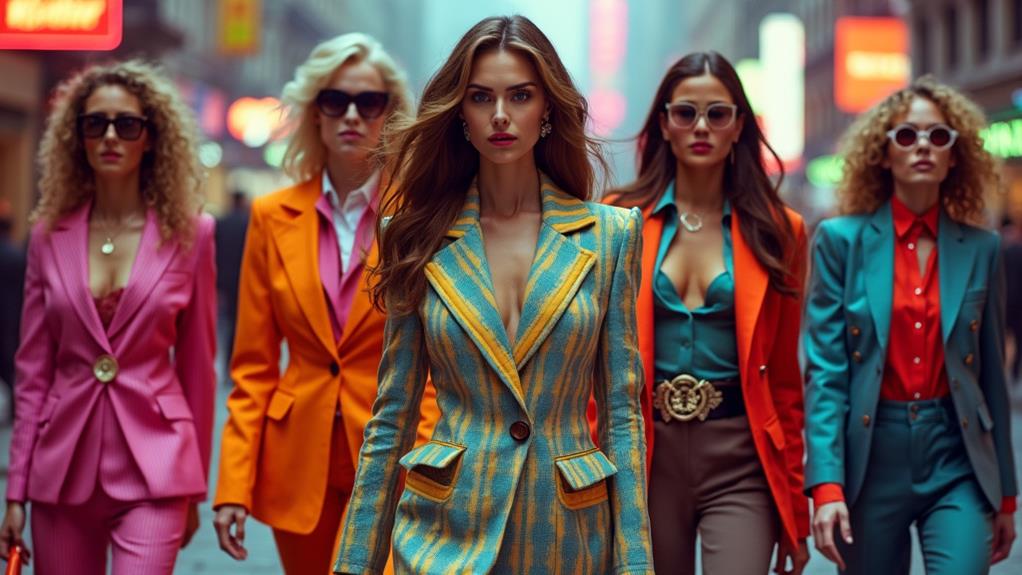
You might recall the bold, structured suits of the 1980s, where shoulder pads transcended mere fashion to symbolize ambition and authority. Designers like Giorgio Armani and Thierry Mugler spearheaded this trend, making it a hallmark of power dressing for women. Television shows such as "Dynasty" not only entertained but also influenced a generation of women striving for corporate success. But why did this trend resonate so deeply, and what role did icons like Princess Diana play in its widespread adoption? Let's explore how shoulder pads became synonymous with female empowerment.
Economic Context of the 1980s
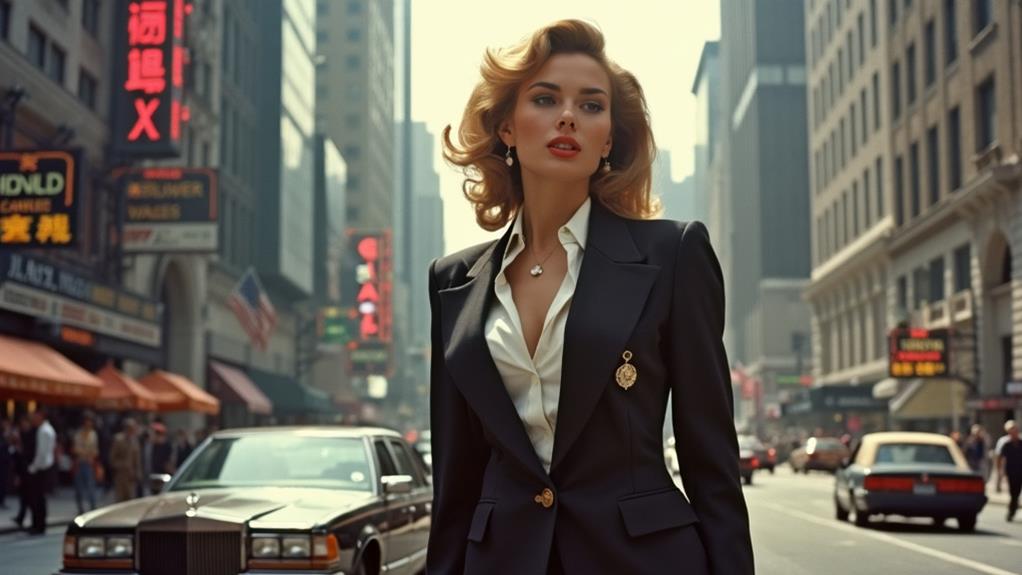
The economic context of the 1980s significantly influenced women's fashion trends, notably the rise of shoulder pads. During this decade, the UK experienced considerable economic growth under Prime Minister Margaret Thatcher's conservative policies. The implementation of free-market economics and privatization led to increased disposable income, allowing more people to engage in consumerism.
This period saw a surge in luxury brands and designer labels, making high-end fashion more accessible to a broader demographic. The newfound wealth was often showcased through material possessions, including bold fashion choices. For women entering the corporate world, tailored suits with shoulder pads became symbols of ambition and success. These garments were not only stylish but also communicated authority and professionalism, essential qualities in a competitive business environment.
The yuppie culture, which emphasized career-driven lifestyles, further entrenched the importance of power dressing. As more women joined the workforce, there was a greater demand for clothing that projected confidence and competence. Fashion during this time was not merely about aesthetics; it was a statement of economic and social status. Consequently, shoulder pads became more than a trend—they reflected the dynamic economic landscape of the 1980s.
The Power Dressing Phenomenon
In the 1980s, power dressing emerged as women adopted sharp tailored suits and bold shoulder pads to symbolize corporate ambition. TV shows like "Dynasty" and "Dallas" significantly influenced these dramatic styles, shaping fashion globally. This trend not only highlighted style but also mirrored women's increasing presence and ambition in the workplace.
Rise of Corporate Ambition
Epitomizing the rise of corporate ambition in the 1980s, the power dressing phenomenon revolutionized women's fashion with sharply tailored suits and exaggerated shoulder pads. These bold, structured outfits became the uniform for ambitious women entering male-dominated corporate environments. The exaggerated shoulders symbolized authority and success, reshaping perceptions of women's roles in the workplace.
Designers like Giorgio Armani and Thierry Mugler led this movement, creating power suits with bold colors and well-defined silhouettes. These designs were more than just about aesthetics; they were statements of intent. Women wearing these power suits exuded confidence and professionalism, signaling their readiness to compete at the highest levels.
The adoption of shoulder pads transcended fashion trends, becoming a cultural marker of women's liberation. By donning these powerful styles, women were making a statement about their place in the corporate world. By 1987, this trend had firmly established itself, making exaggerated shoulders a hallmark of women's corporate attire and influencing fashion well into the 1990s. This shift in women's fashion mirrored their growing ambition and presence in the corporate sphere.
Influence of Media
From the glitz of American TV shows like "Dynasty" and "Dallas," shoulder pads stormed into mainstream fashion, shaping the power dressing phenomenon of the 1980s. These shows, with their extravagant fashion choices, captivated over 250 million viewers worldwide, embedding the image of powerful, ambitious women in the minds of many.
Media portrayals played an essential role in promoting shoulder pads as a symbol of authority in women's fashion. Characters on these shows donned tailored looks featuring pronounced shoulder lines, thanks to designers like Giorgio Armani and Thierry Mugler. These sharp, exaggerated shoulder pads became synonymous with the confidence and ambition of women in corporate roles.
The rise of yuppie culture further fueled the trend, as displaying wealth and status through bold fashion statements became the norm. Successful women in executive positions on TV reinforced the idea that power dressing equated to empowerment, motivating many to adopt similar styles.
Princess Diana's influence, often called the "Diana effect," also contributed to this phenomenon. Her elegant, sophisticated fashion choices inspired women to adopt tailored looks with shoulder pads, conveying both confidence and status. Through media portrayals, shoulder pads became a defining element of 1980s power dressing, forever altering women's fashion.
Influence of TV and Media
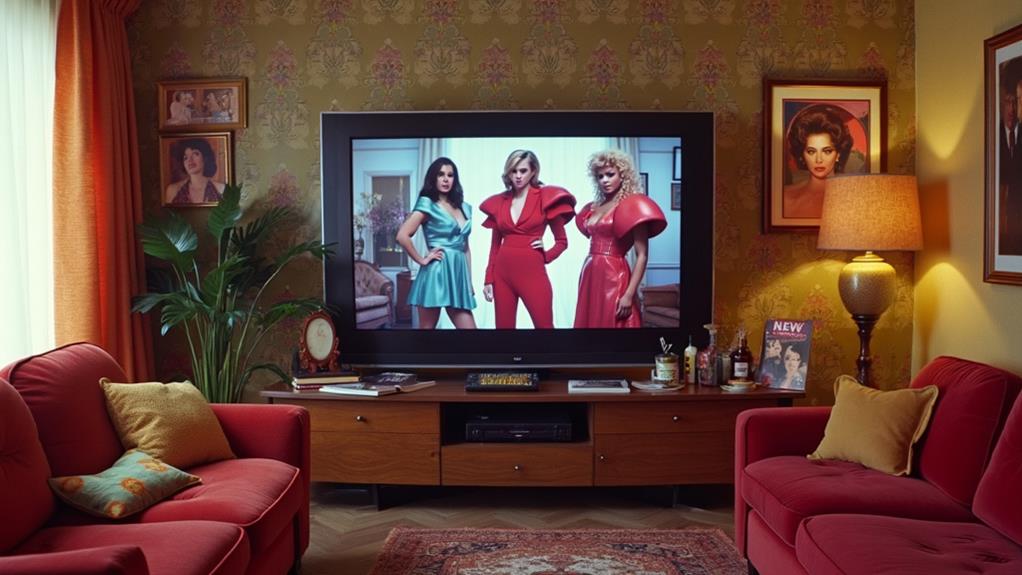
TV shows like "Dynasty" and "Dallas" significantly influenced 1980s fashion, popularizing shoulder pads as a symbol of power and ambition. Along with MTV music videos featuring stars like Madonna, these media outlets, supported by fashion magazines, solidified shoulder pads as essential to women's professional attire.
TV Shows Shaping Fashion
Captivating millions of viewers globally, TV shows like "Dynasty" and "Dallas" did more than entertain; they revolutionized women's fashion. These American series played a pivotal role in popularizing power suits and shoulder pads during the 1980s, setting a new standard for women's corporate attire. "Dynasty," known for its lavish wardrobe, featured characters in extravagant shoulder pads and tailored suits, symbolizing ambition and success.
Over 250 million viewers were influenced by these fashion statements, establishing a cultural benchmark. This trend went beyond mere style, reflecting a broader social acceptance of women in powerful roles. By emulating the bold looks from the screen, women worldwide adopted power dressing, with shoulder pads becoming synonymous with female empowerment.
The dramatic fashion of "Dallas" and "Dynasty" triggered a resurgence of shoulder pads in the late 1970s and early 1980s. Designers aimed to replicate these bold looks, solidifying the trend. Celebrity endorsements from figures like Joan Collins and Princess Diana further cemented shoulder pads as a hallmark of fashionable corporate attire, impacting women's fashion for years to come.
Media-Driven Fashion Trends
How did TV and media become such powerful trendsetters in fashion? In the 1980s, television series like "Dynasty," with over 250 million viewers globally, played a crucial role in popularizing power dressing and extravagant shoulder pads in women's fashion. Media portrayals of strong female characters in shows like "Dallas" influenced women's fashion choices, leading to the acceptance of structured silhouettes that reflected ambition and authority.
Iconic celebrities such as Joan Collins and Princess Diana, frequently featured in the media, showcased bold shoulder pads. These became synonymous with power dressing and female empowerment, making a significant fashion statement. The rise of MTV and music videos further contributed to the cross-pollination of fashion and pop culture, turning styles like oversized shoulder pads and tailored suits into mainstream fashion among young women.
Fashion magazines of the time reinforced this trend by promoting shoulder pads as symbols of success and professionalism. These media portrayals helped cement the idea that clothing could impact women's roles in corporate environments. Hence, TV and media didn't just reflect trends; they actively shaped and defined women's fashion in the 1980s.
Role of Princess Diana
Princess Diana revolutionized the fashion world in the 1980s with her impeccable style, particularly popularizing shoulder pads as a key element of women's power dressing. Her elegant, tailored outfits captivated global audiences and weren't just about aesthetics; they mirrored and influenced the trend of power dressing, positioning women in more authoritative roles during a time of increasing female empowerment.
Diana's fashion choices, such as her iconic power suits, showcased bold colors and structured silhouettes, helping to popularize the dramatic shoulder pad look. This trend was heavily influenced by media portrayals of women's fashion in corporate settings. The "Diana effect" spurred interest in sophisticated and stylish clothing among women, making her a key figure in promoting the power dressing movement of the decade.
Consider these three key aspects:
- Iconic Power Suits: Diana's power suits with shoulder pads became symbols of authority and elegance.
- Bold Fashion Statements: Her use of bold colors and structured designs set new fashion standards.
- Global Influence: Diana's style choices inspired women worldwide to adopt power dressing.
Fashion Accessories in the 1980s
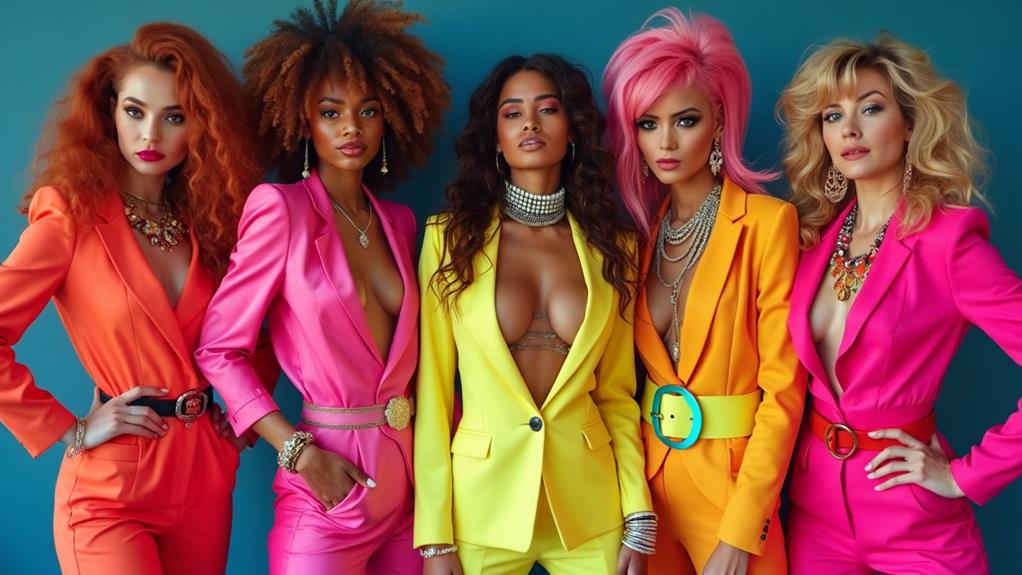
Fashion accessories in the 1980s were essential in defining the era's bold and extravagant style. Oversized costume jewelry, such as chunky gold charm bracelets and statement earrings, were indispensable for achieving the ultimate power dressing look.
Footwear was equally important, with long boots and high heels being the preferred choices to enhance silhouettes and add sophistication. Belts and scarves softened tailored looks, balancing business and style.
Iconic bags like quilted Chanel shoulder bags and Prada nylon bags were must-haves, adding a luxurious touch to any outfit. Clutch handbags in various colors were versatile for both day and evening affairs.
Hosiery also made a statement, with patterned and brightly colored tights becoming widespread in the mid to late '80s. These accessories showcased unique style and individuality.
Decline and Revival of Shoulder Pads
Shoulder pads experienced a significant decline in the 1990s as minimalism dominated fashion trends, replacing the exaggerated shoulders of the 1980s with unstructured designs and natural silhouettes. By the early 2000s, a subtle revival began, with designers incorporating shoulder pads in more restrained forms, moving away from the excess of the previous decade.
Several key moments marked this transformation:
- 2000s Subtle Revival: Designers cautiously reintroduced shoulder pads in less conspicuous designs.
- 2009/2010 Resurgence: Influenced by pop culture icons like Lady Gaga and Rihanna, exaggerated shoulders made a comeback, blending 1980s boldness with 1990s minimalism.
- Modern Collections: Contemporary designers such as Balenciaga and Alexander McQueen have embraced structured silhouettes, redefining femininity with a nod to 1980s styles.
As of 2024, exaggerated shoulders have made a major comeback, underscoring their lasting impact on women's fashion. This revival highlights ongoing discussions about gender representation and power dressing, demonstrating the enduring influence of 1980s aesthetics on modern fashion.
Legacy and Contemporary Trends
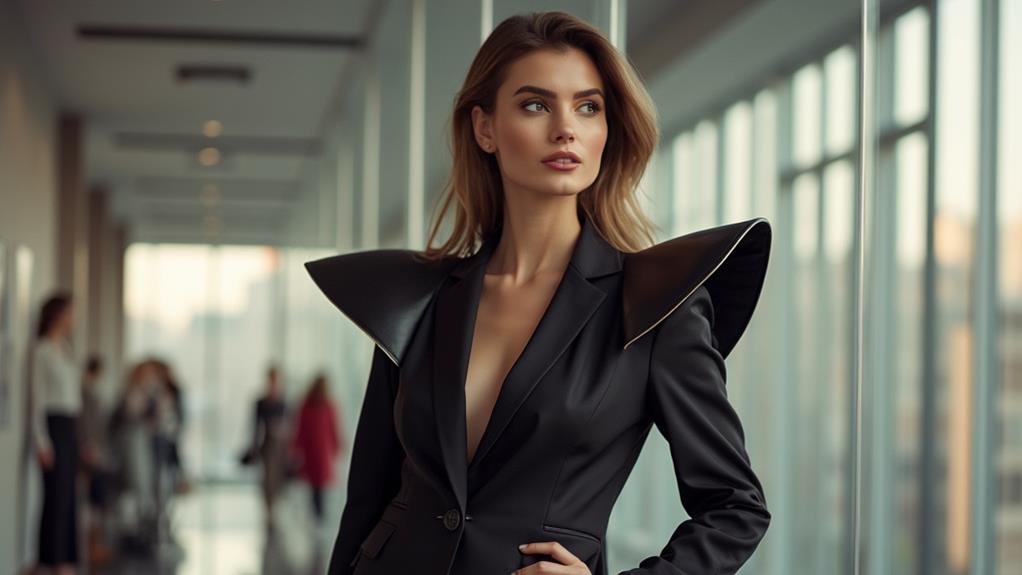
Shoulder pads, which reached their zenith in the 1980s, continue to influence modern fashion. Designers such as Balenciaga and Alexander McQueen incorporate structured silhouettes into their collections, demonstrating the evolution of shoulder pads into contemporary trends. Recently, there has been a resurgence of exaggerated shoulder pads, echoing the bold, empowered styles of the 1980s power dressing movement.
Modern shoulder pads often feature subtler designs, blending retro elements with contemporary aesthetics, making them appealing to today's fashion sensibilities. The "Diana effect" also significantly impacts fashion, as Princess Diana's iconic styles, including shoulder pads, remain influential. Her legacy ensures that these powerful elements continue to stay relevant.
The evolution of shoulder pads highlights shifts in gender representation and women's empowerment within the fashion industry. Understanding this legacy allows one to appreciate how contemporary trends in women's fashion convey powerful messages beyond the clothes themselves. Shoulder pads remain a symbol of strength and confidence in women's fashion.