Flapper Dresses and the Jazz Age: 1920s Fashion Rebellion
Flapper dresses emerged as the symbol of 1920s fashion rebellion, departing from the restrictive styles of previous eras. With their shorter hemlines and loose fit, these dresses allowed women greater freedom of movement and self-expression. Designers like Coco Chanel not only revolutionized fashion but also contributed to women's growing independence and evolving identity. The interplay between flapper fashion and the vibrant jazz culture of the time highlights this transformative period. What catalyzed this bold shift in women's fashion?
The Roaring Twenties
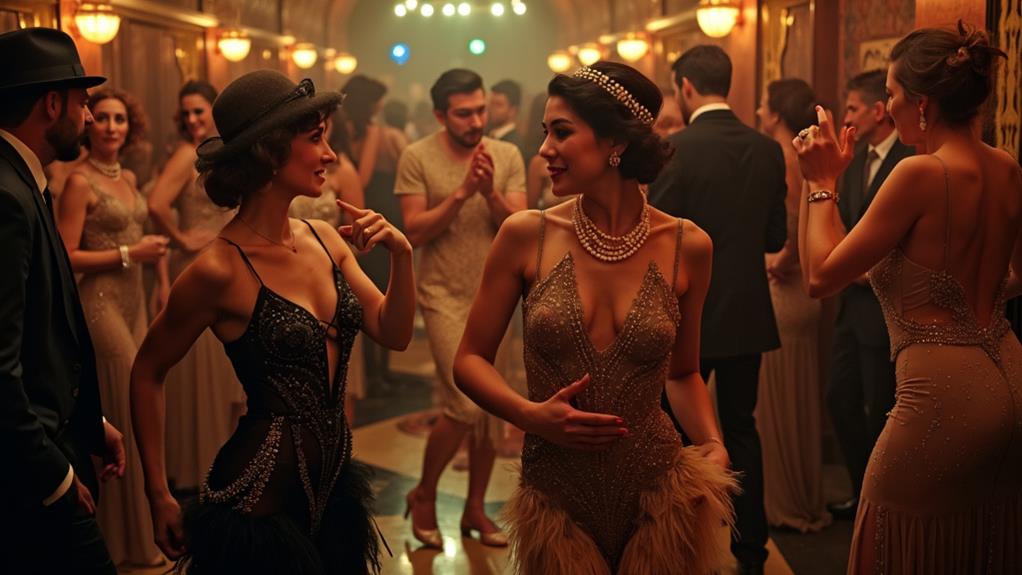
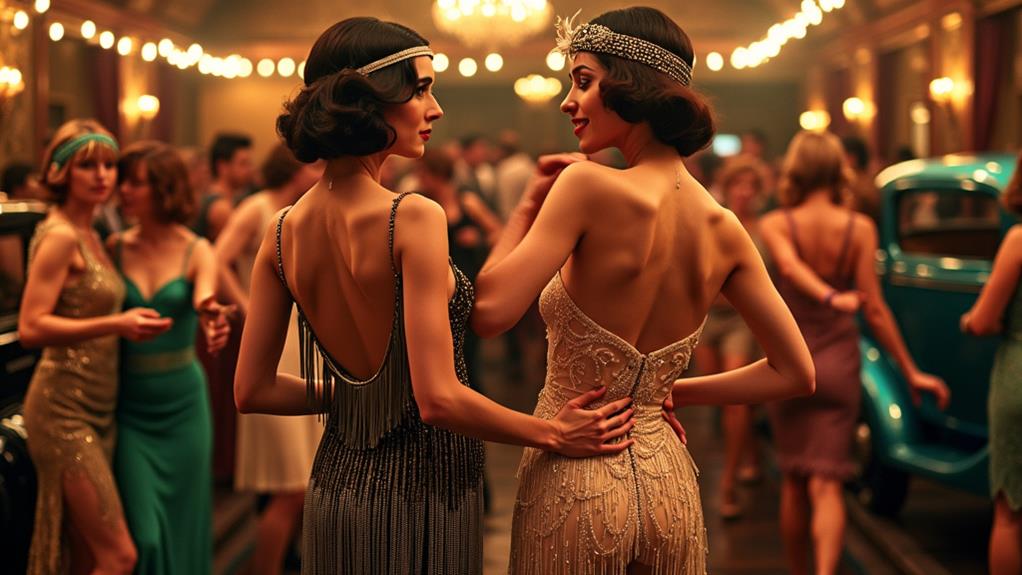
The Roaring Twenties, often referred to as the Jazz Age, was a period of significant cultural and social transformation. This era was particularly evident in women's fashion, which boldly deviated from traditional norms. Flapper dresses, characterized by their shorter hemlines and dropped waistlines, became iconic symbols of this change. Women embraced this style, signaling newfound independence and a rejection of restrictive social conventions.
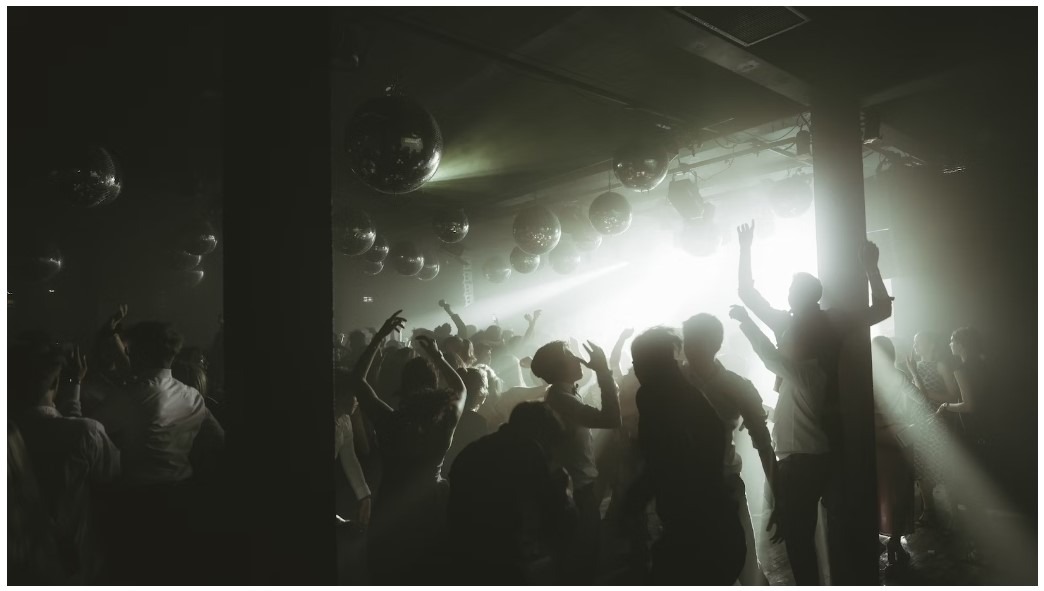
Jazz music, with its lively and improvisational style, played a crucial role in this cultural shift. The music's free-spirited nature mirrored the zeitgeist of the time. Independent women were often seen dancing to jazz in nightclubs, flaunting their flapper dresses, and engaging in activities like smoking and drinking, which had previously been considered inappropriate.
Economic prosperity during the 1920s fueled a burgeoning consumer culture that celebrated Art Deco aesthetics and luxurious fashion. Paradoxically, the Prohibition era saw a rise in speakeasies, where jazz thrived and flapper fashion flourished. The fashion and music of this period were more than mere trends; they were declarations of modernity and liberation, reflecting a society eager to break free from the past and embrace a dynamic future.
Prohibition and Fashion
Prohibition, which began in January 1920, set the stage for a fascinating interplay between restrictive laws and liberating fashion. With alcohol banned, speakeasies emerged as cultural hubs where flappers could express their newfound freedoms. These underground bars and jazz clubs encouraged bold fashion choices that symbolized rebellion against traditional norms.
Flapper dresses became iconic, featuring shorter hemlines and looser silhouettes perfect for dancing the night away. This style wasn't just about aesthetics; it was a statement of emancipation from societal expectations. Women often wore sleeveless dresses adorned with beads and sequins, reflecting the energetic spirit of the Jazz Age.
Economic growth also played a role in this fashion evolution, allowing more women to indulge in these daring styles. The nightlife of the era became a playground for flappers, where their fashion choices were on full display, embodying the period's hedonism and self-expression.
- Jazz Age energy: Flapper dresses designed for movement and dance.
- Rebellion against norms: Short hemlines and loose silhouettes.
- Cultural hubs: Speakeasies and jazz clubs fostering bold fashion.
Prohibition didn't just restrict; it sparked a fashion revolution.
Flapper Fashion Trends

As speakeasies buzzed with the new rhythms of jazz, flapper fashion trends took center stage, reshaping women's wardrobes with daring flair. Flapper dresses, characterized by knee-length hemlines and straight silhouettes, marked a bold departure from the restrictive floor-length styles of previous decades. These dresses featured dropped waistlines and a boxy shape, offering freedom of movement ideal for the lively Charleston dance.
Designers like Coco Chanel and Elsa Schiaparelli were pivotal in this fashion revolution, prioritizing comfort and modernity over traditional constraints. The flapper look wasn't just about the dresses; it included embellishments such as beads, sequins, and fringe, capturing the vibrant spirit of the Jazz Age.
Accessories were crucial to the flapper ensemble. Cloche hats, Mary Jane shoes, and bold makeup, including rouge and dark lipstick, complemented the daring styles. This shift in fashion symbolized a new era of casual clothing and reflected the growing momentum of women's suffrage and newfound independence.
In essence, flapper fashion trends were about more than just appearance; they embodied a cultural shift towards freedom and self-expression.
Jazz and Black Culture
Jazz music, born in the vibrant African-American communities of New Orleans, revolutionized the 1920s cultural and fashion scenes. Its infectious rhythms and improvisational style redefined the era, influencing the lively flapper fashion. African-American entertainers like Josephine Baker captivated audiences with bold performances and extravagant costumes, setting trends embraced by flappers.
During Prohibition, speakeasies became cultural hubs. These underground clubs offered not only a space for drinking but also a stage for jazz musicians. Flappers flocked to these venues to dance to dynamic music and express newfound freedoms.
Jazz's integration into mainstream culture highlighted the significant contributions of Black artists. Its influence extended beyond music, impacting:
- Fashion: Inspired flapper attire with bold, expressive styles.
- Language: Introduced jazz slang, reflecting the period's playful spirit.
- Social Spaces: Speakeasies fostered unique mingling of diverse communities.
Jazz's impact on youth and the broader cultural landscape created a lasting legacy.
Women's Empowerment
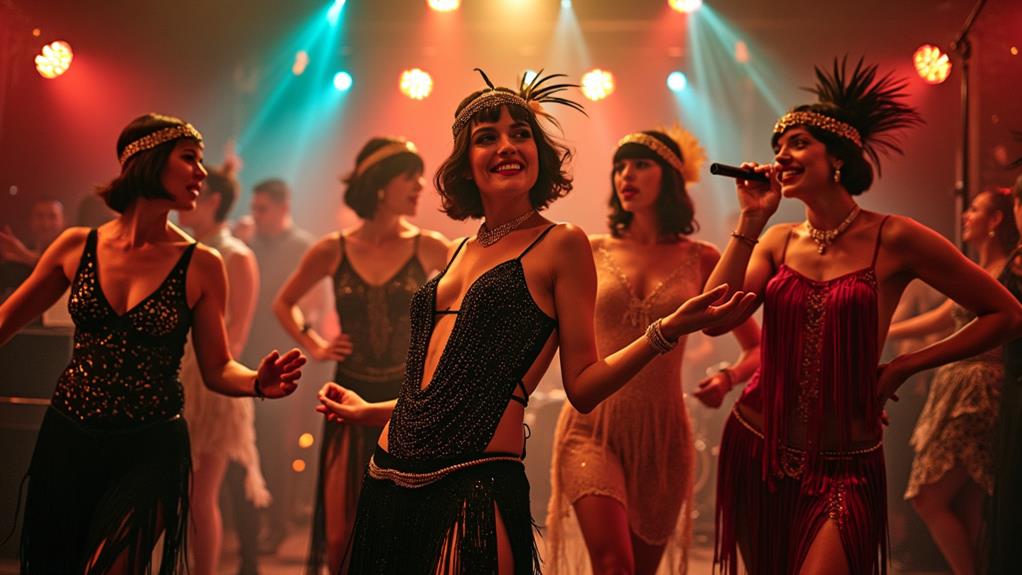
In the 1920s, women embraced empowerment through the flapper culture, a significant shift fueled by the 19th Amendment granting women's suffrage. This legal milestone redefined women's societal roles. Flappers epitomized this transformation, challenging traditional feminine norms with their rebellious fashion and behaviors.
| Aspect | Description |
|---|---|
| Women's Suffrage | Gained the right to vote in 1920, promoting political equality |
| Fashion Rebellion | Short hemlines, boyish silhouettes rejecting Victorian norms |
| Consumer Culture | Mass-produced clothing allowed personal expression |
| Modern Femininity | Prioritized comfort, freedom, and social engagement |
Women adopted shorter hairstyles, symbolizing a break from the past and an embrace of modern femininity. They engaged in activities like smoking, drinking, and dancing, which were previously deemed inappropriate, marking their newfound sexual and social freedom. The jazz era provided both a soundtrack and a cultural backdrop for this revolution.
Economic changes significantly influenced this period, as the rise of consumer culture enabled women to express individuality through fashion. Flapper styles became symbols of empowerment, making bold statements about gender roles and personal freedom. This era's cultural impact was profound, inspiring future feminist movements and advocating for ongoing progress in women's rights and equality.