8 Tips for Choosing the Perfect Ski Accessories
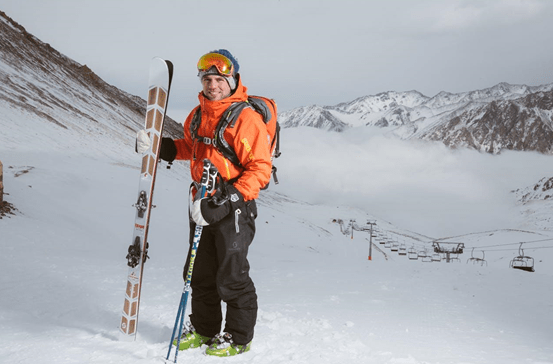
Skiing is an exhilarating winter sport requiring the right gear for comfort, safety, and performance. The right accessories can enhance your skiing experience tremendously. However, selecting the best ones can be a daunting task. With so many options available, where do you start? This guide presents crucial tips to help you choose the perfect ski accessories, including everything from helmets and goggles to women's ski pants.
Understand your skill level
Your skiing skill level drastically influences the type of accessories you need. Beginners require more protective and comfortable gear. Intermediate and advanced skiers might focus on performance-enhancing accessories. Assess your skill level accurately to make well-informed choices.
Prioritize safety
Safety should always be a priority while skiing. Helmets and goggles are essential to protect your head and eyes. Choose a helmet that fits well and offers excellent ventilation. Goggles should provide UV protection and anti-fog features. Invest in high-quality, safety-tested products.
Choose the right helmet
A helmet should be snug but comfortable. Look for adjustable straps and padding that can be customized to fit your head shape. Make sure the helmet complies with safety standards. Features like ventilation systems and moisture-wicking liners can enhance your comfort.
Select suitable goggles
Goggles protect your eyes from harmful UV rays and snow glare. You'll want anti-fog and scratch-resistant lenses with good peripheral vision. Consider goggles with interchangeable lenses for different weather conditions. Proper fit is crucial to avoid fogging and ensure comfort.
Invest in quality outerwear
Winter sports demand high-quality, durable outerwear. Your ski jacket and women's ski pants should be waterproof, windproof, and breathable. Look for materials like Gore-Tex that offer excellent weather protection while allowing moisture to escape, keeping you dry inside.
Opt for layers
Layering is essential for temperature regulation. A moisture-wicking base layer, insulating mid-layer, and protective outer layer will keep you warm and dry. Look for materials like merino wool for base layers and down or synthetic insulation for mid-layers.
Choose the right gloves and mittens
Cold hands can ruin a skiing day. Gloves and mittens should be warm, waterproof, and breathable. Mittens tend to be warmer, while gloves offer better dexterity. Look for features like adjustable cuffs, wrist straps, and insulation to ensure both warmth and functionality.
Consider heated options
If you suffer from cold hands, consider heated gloves or mittens. These come with built-in heating elements that can be battery-operated, providing consistent warmth. While more expensive, they can be a game-changer in frigid conditions.
Select the right socks
Ski socks are designed to provide comfort and warmth without bulk. Look for socks made from merino wool or synthetic blends that wick moisture away. Compression socks can also improve circulation and reduce fatigue, keeping your feet warm and comfortable all day.
Get the appropriate ski boots
Ski boots are one of the most critical pieces of gear. They should fit snugly without causing discomfort. Poorly fitting boots can lead to blisters, reduced performance, and even injuries. Seek professional fitting at a reputable ski shop.
Customize for comfort
Consider custom insoles for better arch support and fit. Heat-moldable liners can also enhance comfort and performance. Spend time finding the perfect boot, as it significantly impacts your skiing experience.
Select the right backpack
A good ski backpack should be lightweight, waterproof, and comfortable. Features like hydration systems, avalanche tool storage, and multiple compartments for organization are beneficial. Ensure the backpack's straps are adjustable for a secure, comfortable fit.
Choose avalanche safety gear
If you're venturing off-piste, avalanche safety gear is essential. This includes an avalanche beacon, shovel, and probe. Take an avalanche safety course to learn how to use this equipment effectively. Always prioritize safety in backcountry skiing.
Conclusion
Choosing the right ski accessories can significantly enhance your skiing experience. Prioritize safety, comfort, and functionality when selecting gear. Start by assessing your skill level and make informed decisions on helmets, goggles, outerwear, gloves, and more. High-quality gear ensures a safe and enjoyable skiing adventure. Invest time in selecting the best accessories and hit the slopes with confidence this winter!