The Skin Consultation Questions Worth Asking Before Treatment
At a Glance
Before booking any skin procedure, ask your practitioner 6 essential questions covering your root skin diagnosis, suitability for your skin type, exact session counts, day-by-day recovery, product pauses and potential side effects. Clear, practical answers upfront help you spot rushed sales tactics, avoid barrier damage and choose a treatment plan tailored to your complexion.
Six Essential Questions to Ask Before You Get Any Treatment
Walking into a clinic for the first time can feel slightly overwhelming when you're unsure what to expect. To protect your complexion and budget, ask your practitioner 6 practical questions about your exact diagnosis, suitability for your skin tone, the total number of sessions, day-by-day downtime, pre-treatment active-ingredient pauses and potential complications.
Asking these direct questions from the start keeps the focus on your skin's needs and ensures you receive clear, honest clinical guidance before agreeing to any procedure or paying a deposit.
1. What Is the Root Cause of Your Skin Concern?
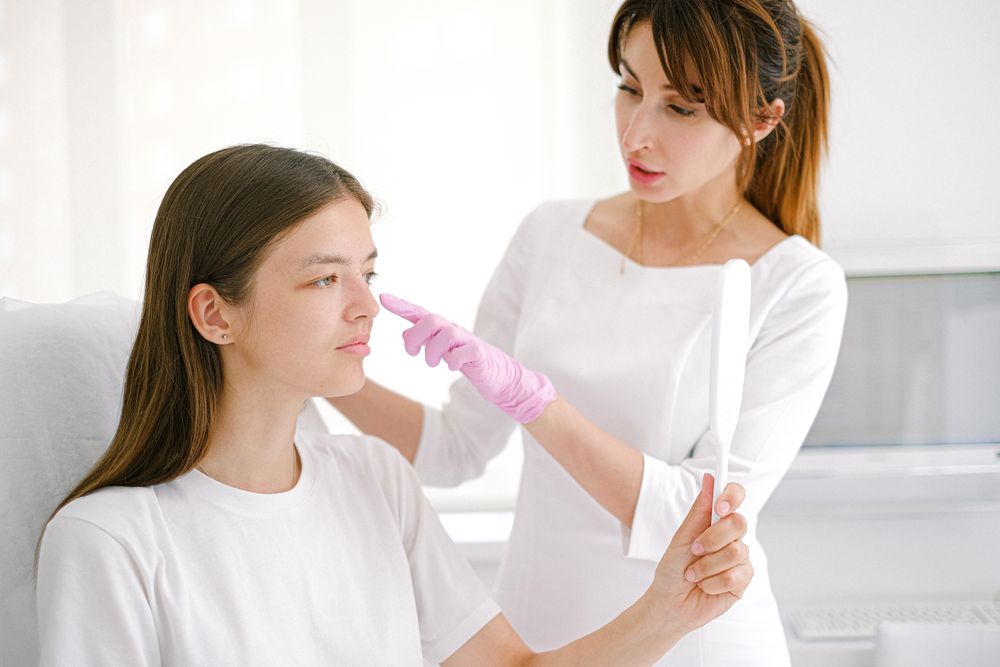
Many surface issues look remarkably similar on the outside, yet persistent redness could stem from mild rosacea rather than a damaged moisture barrier. Ask your clinician to name the exact condition and explain how they identified it during your skin assessment.
If they suggest a resurfacing peel or laser session without checking whether your pigmentation is hormonal melasma, sun damage or a spot that needs a proper mole screening first, you risk treating the wrong tissue altogether. Understanding the exact cause behind a mark ensures your treatment targets the real problem, not just masking something that needs temporary attention.
2. Which Treatment Options Suit Your Specific Skin Type?
Every complexion responds differently to heat, lasers or exfoliating acids depending on its natural oil levels and melanin content. Higher melanin levels in Fitzpatrick skin types 4 to 6 carry a greater risk of post-inflammatory hyperpigmentation from certain wavelengths or deep peels.
Ask your practitioner why a certain device or strength suits your skin tone and whether gentler alternatives exist. A thorough specialist will also explain how they adjust energy settings for sensitive areas and show you comparable case examples from clients with a similar complexion.
3. How Many Sessions Will You Need to See Results?
Few clinical skin treatments deliver lasting change after a single visit, as collagen-stimulating procedures like microneedling usually require 3 to 6 sessions spaced 4 to 6 weeks apart.
Ask for the full schedule upfront so you know when gradual improvements will appear and how often you'll need maintenance visits. Knowing the total course length helps you calculate the real financial commitment before paying a deposit amount. Also clarify what happens if your skin responds slower than average and whether top-up appointments carry additional costs.
4. What Does the Recovery and Aftercare Process Involve?
Minimal downtime can mean mild pinkness for four hours after LED therapy or five days of visible flaking following a medium-depth chemical peel. Ask what your skin will look like 24, 48 and 72 hours after your appointment so you can plan around work or social events.
Confirm when you can safely wear makeup again and which gentle cleanser to use while healing. Clarifying whether you need to avoid demanding gym workouts, saunas or swimming pools prevents unnecessary heat irritation during those crucial first few days.
5. What Are the Potential Side Effects and Risks?
Even routine treatments carry known temporary reactions such as bruising, mild swelling or cold sore reactivation around delicate areas. You deserve a clear explanation of common side effects and rarer complications, and how the clinic manages unexpected reactions.
A trustworthy practitioner will discuss limitations openly and include follow-up review appointments in your treatment plan rather than promising effortless perfection. Asking who you can contact outside standard clinic hours if your skin flares up gives you extra peace of mind once you return home.
6. How Should You Prepare Your Skin Before the Appointment?
Using retinol, glycolic acid or benzoyl peroxide too close to an in-clinic procedure can cause severe stinging, uneven peeling or prolonged inflammation. Ask for a written checklist detailing exactly when to pause active ingredients, which's usually 5 to 7 days beforehand.
Confirm whether you need to avoid direct sun exposure or apply broad-spectrum SPF 50 daily to ensure your skin arrives calm and healthy. Also mention any recent facial waxing, laser hair removal or prescription medications so your practitioner can safely schedule your visit.
Putting Your Consultation Insights Into Practice
Taking brief notes during your appointment makes it much easier to review the clinician's answers once you're home. Pay close attention to how they respond when you ask about realistic limitations, because pressure to book with a same-day discount is a clear sign to step back.
Giving yourself 48 hours to weigh up the cost, recovery window and expected results ensures you only commit when you feel completely comfortable.
Moving Forward With Confidence in Your Skin Choices
Asking these 6 targeted questions transforms a routine clinic visit into an empowering conversation about your long-term skin health. When you understand your diagnosis, expected session intervals, everyday downtime and pre-treatment product rules, you protect yourself from unnecessary surprises.
Trusting a practitioner who welcomes your curiosity ensures your chosen treatment aligns safely with your personal goals.