The Return of the High-Waisted Jean: 1980s to 2010s
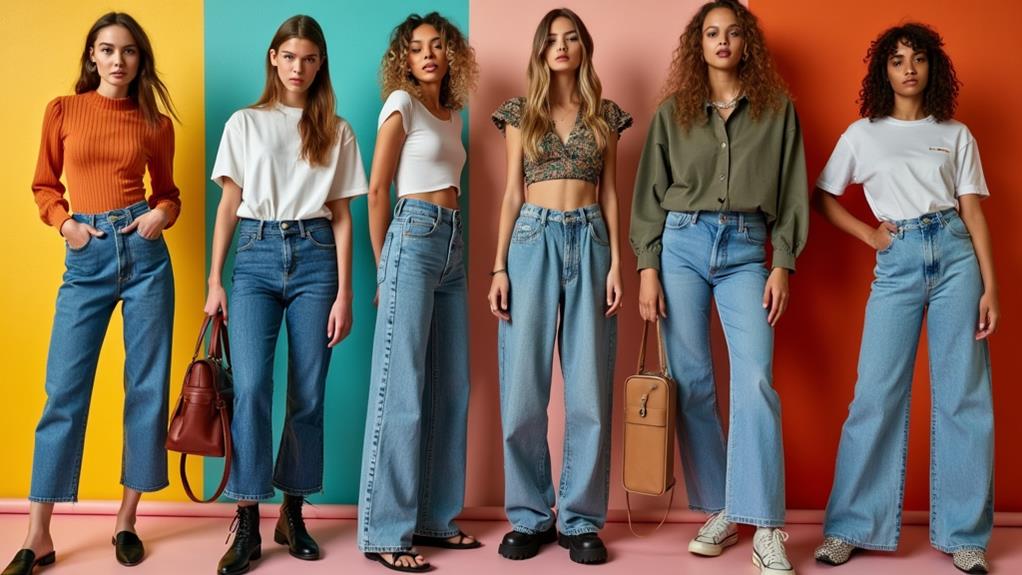
High-waisted jeans, often associated with the vibrant acid washes and elastic waists of the 1980s, saw a decline in popularity during the 1990s as grunge and low-rise styles took over. However, by the 2010s, these vintage-inspired designs experienced a resurgence, spurred by a growing appreciation for relaxed fits and sustainable fashion. What factors contributed to this revival, and how did these retro styles influence modern denim trends?
The Birth of High-Waisted Jeans
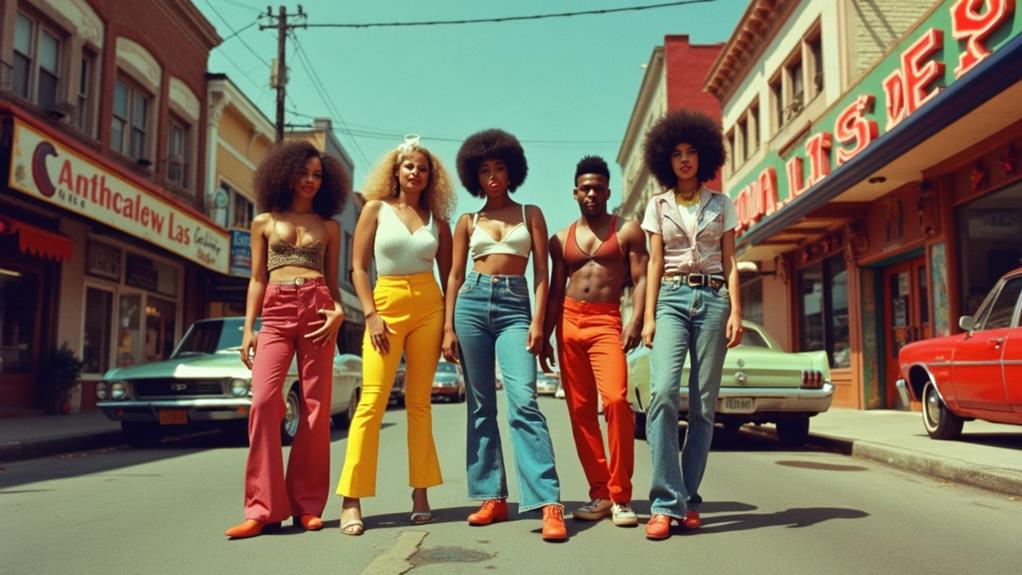
High-waisted jeans, which gained prominence in the 1980s, were a response to the era's preference for more relaxed and comfortable fits. These jeans provided a flattering silhouette that emphasized the waist, becoming a favorite among fashion enthusiasts. The high rise was a defining feature, often paired with oversized tops to create the distinctive style that became iconic during the decade.
High-waisted jeans were not only stylish but also incredibly adaptable. They suited various body types, making them a staple in both casual and semi-formal wardrobes. The 1980s saw a surge in their popularity, partly because they could easily transition from day to night looks. Whether heading to a casual outing or a semi-formal event, high-waisted jeans were a perfect choice.
1980s: Acid Wash Craze
The acid wash craze of the 1980s introduced a rebellious edge to denim fashion, with its unique process creating a distinctive splattered and bleached effect. Acid wash jeans quickly became a must-have for the decade's style icons. At the forefront of this trend were high-waisted jeans, often paired with oversized tops to create bold, statement looks that epitomized the eclectic spirit of the 80s.
The high-waisted design offered both style and practicality, enhanced by the introduction of elastic waists and stretch fabrics. These elements made acid wash jeans popular for casual wear, seamlessly blending fashion and functionality.
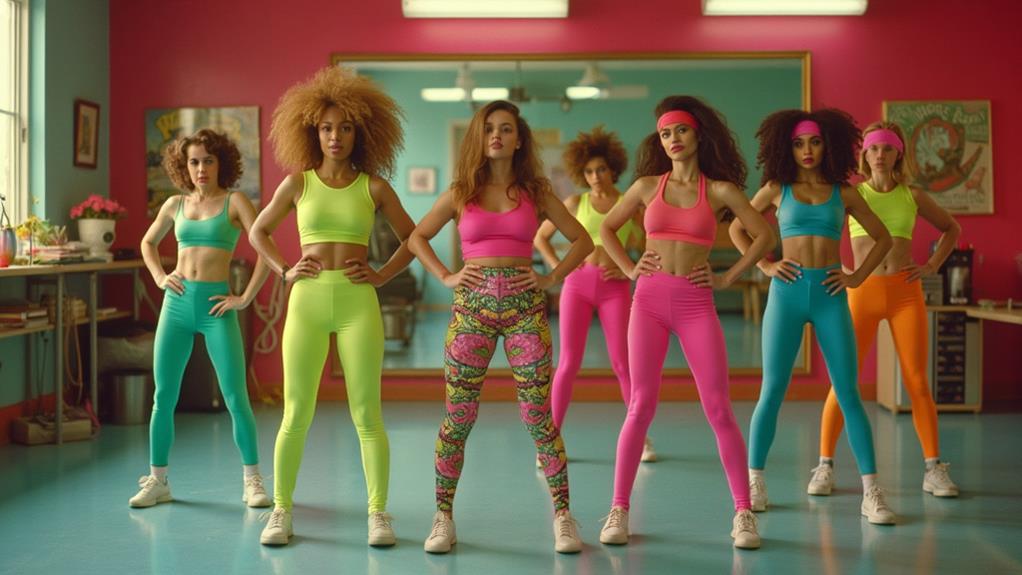
In addition to the classic denim look, acid wash jeans were available in bright, lively colors, a hallmark of 80s fashion. This blend of bold patterns and high-waisted fits cemented acid wash jeans as an iconic part of the era. Today, this style has experienced a resurgence, with modern designers reinterpreting it for contemporary wardrobes, proving that fashion is indeed cyclical.
| Feature | Description | Impact on Fashion |
|---|---|---|
| Acid Wash Process | Splattered and bleached effect | Defined rebellious 80s style |
| High-Waisted Design | Paired with oversized tops | Created bold, statement looks |
| Elastic Waists | Improved comfort and practicality | Favored choice for casual wear |
| Lively Colors | Available in bright, neon shades | Embodied the eclectic 80s aesthetic |
1980s: Neon and Elastic Trends
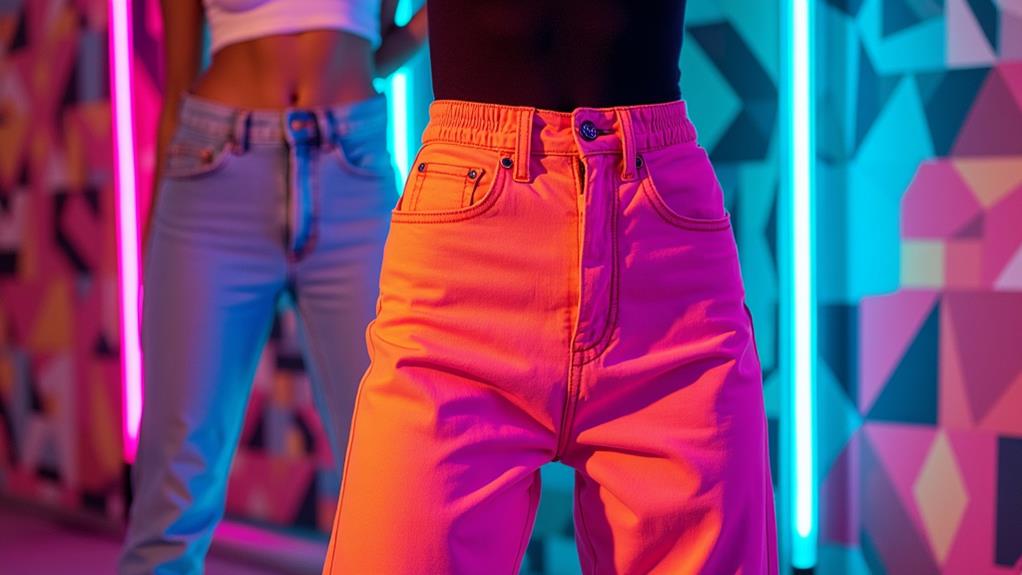
In the 2000s, neon and elastic trends took center stage in the fashion world, revitalizing high-waisted jeans. The bold aesthetic of the 1980s made a comeback with a modern twist, and neon jeans, echoing the bright colors of the past, became a wardrobe staple. These jeans weren't just about making a statement; they embraced fun and stood out in a crowd. Vivid hues like electric blue and fluorescent pink brought fresh energy to everyday outfits.
Another game-changing element was the introduction of elastic waists, which made high-waisted jeans more comfortable and accessible. The stretch fabrics provided a snug fit that moved with you, offering both style and practicality. No longer did you have to sacrifice comfort for fashion; elastic waists made it easier to find jeans that fit perfectly, catering to a wider range of body types.
The 2000s were all about reinvention, bringing past styles into the present. Neon jeans and elastic waists exemplified this trend, blending nostalgia with contemporary fashion sensibilities. This fusion of old and new created a unique, lively look, embodying the spirit of the era.
1990s: Grunge and Low Rise
Grunge culture's influence in the '90s brought low-rise jeans to the forefront, symbolizing a rebellious departure from mainstream fashion. Embracing the ethos of authenticity and individuality, these jeans became a hallmark of the grunge movement. Their loose fit and casual style marked a stark contrast to the more polished looks of previous decades.
In the '90s, the impact of grunge was unmistakable. Low-rise jeans were ubiquitous, often paired with flannel shirts, band tees, and combat boots. Celebrities like Britney Spears and Gwen Stefani popularized this trend by wearing them with crop tops and edgy accessories, making low-rise jeans a staple in Y2K fashion.
However, the appeal of low-rise jeans wasn't universal. Many found them difficult to style and not flattering on all body types. Despite their initial popularity, they began to decline in the early 2000s as fashion shifted towards more fitted styles. Today, low-rise jeans are often viewed through a nostalgic lens, reminding us of a time when fashion was all about rebellion and self-expression, echoing the grunge movement's core values.
2000s: Skinny Jeans Domination
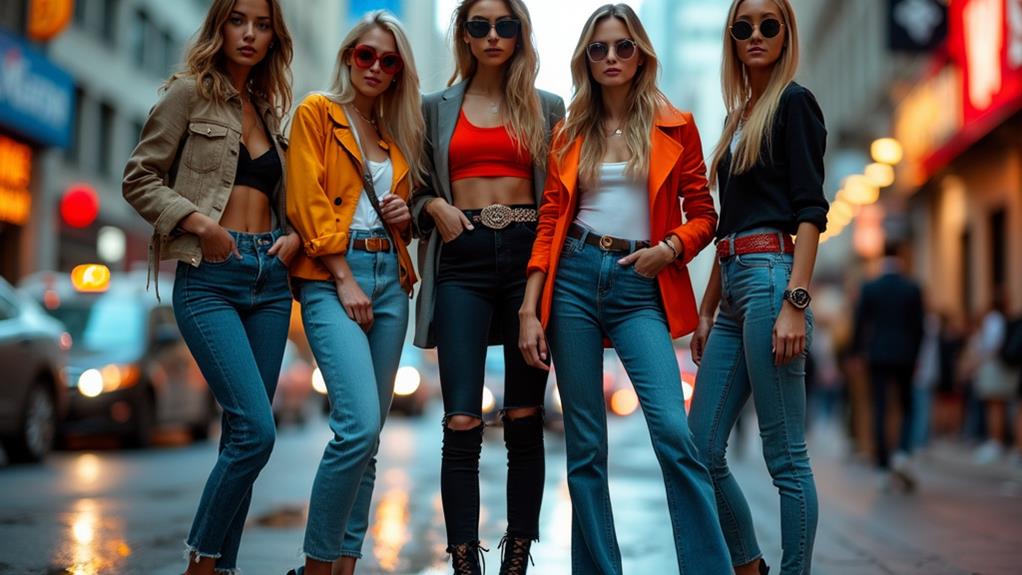
As the 2000s unfolded, skinny jeans took center stage in the fashion world, instantly recognizable by their snug fit from waist to ankle. This trend was propelled by celebrities like Britney Spears and Paris Hilton, who frequently showcased skinny jeans in their stylish ensembles. Their influence made these jeans a must-have item, effortlessly combining chic with a body-conscious aesthetic.
Skinny jeans weren't just about a tight fit; they came in various styles to appeal to diverse tastes. High-waisted skinny jeans offered a vintage twist, while distressed versions added an edgy, rebellious vibe. These variations ensured that skinny jeans became a versatile staple in wardrobes everywhere, reflecting the era's fashion trends.
Wearing skinny jeans highlighted slim silhouettes, a defining characteristic of early 2000s fashion. However, the dominance of skinny jeans wasn't without its critics. By the late 2010s, the tide began to turn as fashion trends shifted towards more comfortable and relaxed fits, indicating a broader change in consumer preferences.
Despite this shift, the legacy of skinny jeans remains, symbolizing a decade that celebrated sleek, form-fitting styles.
2000s: Low-Rise Bootcuts
Throughout the 2000s, low-rise bootcut jeans became a defining element of fashion, combining a fitted upper leg with a flared bottom to create a balanced silhouette. Their versatility made them immensely popular, suitable for both casual and dressier occasions. Whether at a party or running errands, you could effortlessly stay on-trend by pairing them with various tops.
Celebrities like Britney Spears and Paris Hilton frequently wore low-rise bootcut jeans, catapulting them into mainstream fashion. Their endorsement solidified the jeans as a major trend of the decade. The low-rise fit, with a waistline sitting several inches below the navel, added a distinct edge to outfits but could be challenging to style and wear comfortably.
Despite criticism as fashion evolved, low-rise bootcut jeans are a nostalgic reminder of early 2000s style. They have left a lasting impact on modern denim trends, demonstrating that some fashion elements endure over time.
2010s: Relaxed Fits Return
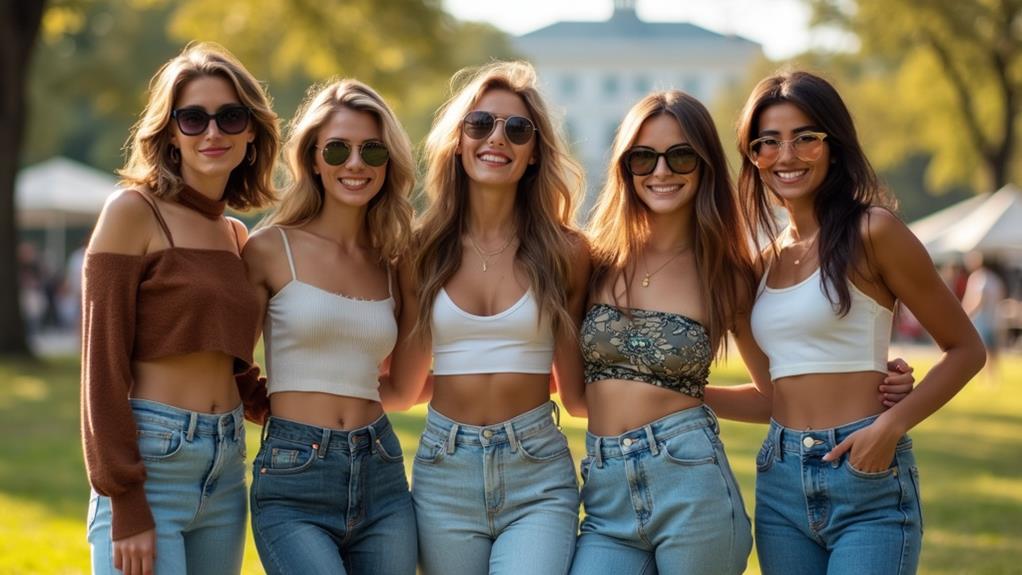
The 2000s may have celebrated low-rise bootcut jeans, but by the 2010s, fashion shifted towards comfort and practicality. Jeans trends saw a resurgence of relaxed fits like wide-leg and boyfriend jeans, starkly contrasting the previously dominant skinny jean craze. High-waisted mom jeans also made a strong comeback, blending influences from the 80s and 90s. These relaxed fits provided a nostalgic yet comfortable alternative to tighter styles, offering greater freedom of movement.
Driven by consumer preference for comfort, the fashion industry adapted quickly, introducing diverse styles of relaxed jeans. Many were crafted from sustainable materials, aligning with the eco-conscious values that gained prominence during this decade. Vintage-inspired jeans became a staple in contemporary wardrobes, frequently seen on fashion influencers and in everyday street style, reflecting a broader shift towards retro aesthetics.
Sustainable Fashion Trends
High-waisted jeans have become a staple in sustainable fashion. Brands are incorporating eco-friendly denim and upcycling vintage pieces to meet the demand for sustainability. Additionally, thrift shopping for unique, nostalgic jeans has gained popularity, reflecting a broader shift towards eco-conscious choices.
Eco-Friendly Denim Materials
Diving into the realm of sustainable fashion, eco-friendly denim materials are revolutionizing the industry with innovative and environmentally conscious methods. A prime example is organic cotton, grown without harmful pesticides and requiring significantly less water than conventional cotton farming. By choosing jeans made from organic cotton, you're contributing to a more sustainable and healthier planet.
Recycled denim is also on the rise. Post-consumer waste is repurposed into new fabric, decreasing the need for virgin materials and minimizing waste. This approach significantly reduces the environmental footprint of denim production.
Sustainable dyeing processes are another transformative aspect. Waterless dye technologies and natural dyes substantially reduce water usage and environmental impact, ensuring that your favorite jeans are produced responsibly.
Brands are now incorporating materials like Tencel and hemp blends into their denim collections. These sustainable and biodegradable materials offer a stylish yet eco-conscious choice. The trend of upcycled denim, where old jeans are reimagined into new styles, reflects a growing consumer preference for sustainable practices. By choosing upcycled denim, you support a circular economy and further reduce waste.
Vintage and Thrift Shopping
In recent years, vintage and thrift shopping have surged in popularity, driven by a collective desire for sustainability and unique fashion finds. This trend isn't just about saving money; it's about embracing vintage quality and making environmentally conscious choices. The secondhand clothing market is booming, thanks largely to Millennials and Gen Z, who prioritize individuality and creativity in their wardrobes.
Thrift shopping offers the chance to find one-of-a-kind pieces that stand out from the mass-produced fashion of today. It's become a cultural shift, reflecting a growing commitment to eco-friendly practices. High-waisted jeans, iconic to the 80s and 90s, have made a major comeback, and their nostalgic appeal resonates across generations. When you shop for these timeless pieces, you're not only adding historical significance to your closet but also contributing to a more sustainable fashion industry.
Resale platforms and apps have made it easier than ever to buy and sell secondhand clothing, enhancing the accessibility of vintage fashion. By choosing thrift shopping, you support a circular economy, reduce waste, and promote a more sustainable future, all while looking stylish and unique.
Upcycling and Customization
Upcycling and customization are transforming the fashion industry, providing eco-conscious consumers with innovative ways to rejuvenate old garments. By repurposing items that might otherwise be discarded, upcycling transforms outdated pieces into unique, fashionable treasures. High-waisted jeans, known for their enduring appeal, are ideal candidates for this sustainable trend.
Imagine taking a worn-out pair of high-waisted jeans and using embroidery, patchwork, or dyeing techniques to make them uniquely yours. Customization not only highlights your personal style but also extends the life of your denim, aligning perfectly with eco-friendly practices. Social media platforms are abuzz with DIY culture, where fashion enthusiasts share their upcycling projects, inspiring others to follow suit.
Brands have recognized this trend, increasingly offering upcycled denim collections. These collections blend sustainability with nostalgia, attracting consumers eager to make environmentally conscious choices. According to a ThredUp report, the secondhand clothing market, including upcycled and customized items, is projected to grow to $64 billion by 2024. This shift towards sustainable consumer behavior underscores the significance of upcycling and customization in modern fashion. So, grab those high-waisted jeans and start creating something extraordinary and eco-friendly today.
Vintage Styles and Upcycling
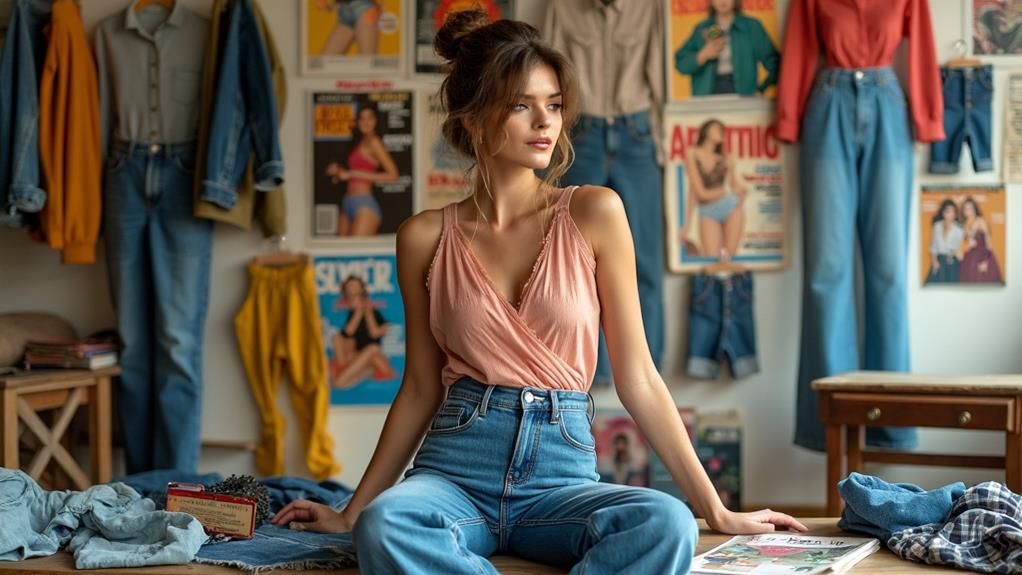
Exploring vintage styles, particularly high-waisted mom jeans, has become a beloved trend, blending comfort with a nostalgic flair from the 1980s and 1990s. These timeless pieces offer both durability and a unique aesthetic, making them highly sought-after. You can find these gems in thrift stores, providing not just a fashion statement but also a sustainable choice.
Upcycling is another key aspect of this trend. By transforming old jeans into new, stylish pieces, you're contributing to a more sustainable fashion industry. This practice reduces waste and gives you a one-of-a-kind wardrobe item. The quality of vintage 80s jeans, often made from 100% cotton twill, guarantees that these upcycled pieces are both durable and fashionable.
| Benefit | Description |
|---|---|
| Comfort and Nostalgia | High-waisted mom jeans offer comfort and a retro look. |
| Sustainability | Thrifting and upcycling reduce waste and promote recycling. |
| Durability | Vintage 80s jeans made from 100% cotton last longer. |
Thrifting for vintage jeans not only helps the environment but also allows you to express your individuality. You can style these jeans in diverse ways, reflecting your personal taste and creativity. Adopt this trend to enjoy a blend of comfort, nostalgia, and sustainability.