The Return of 1980s Power Suits in the 2000s
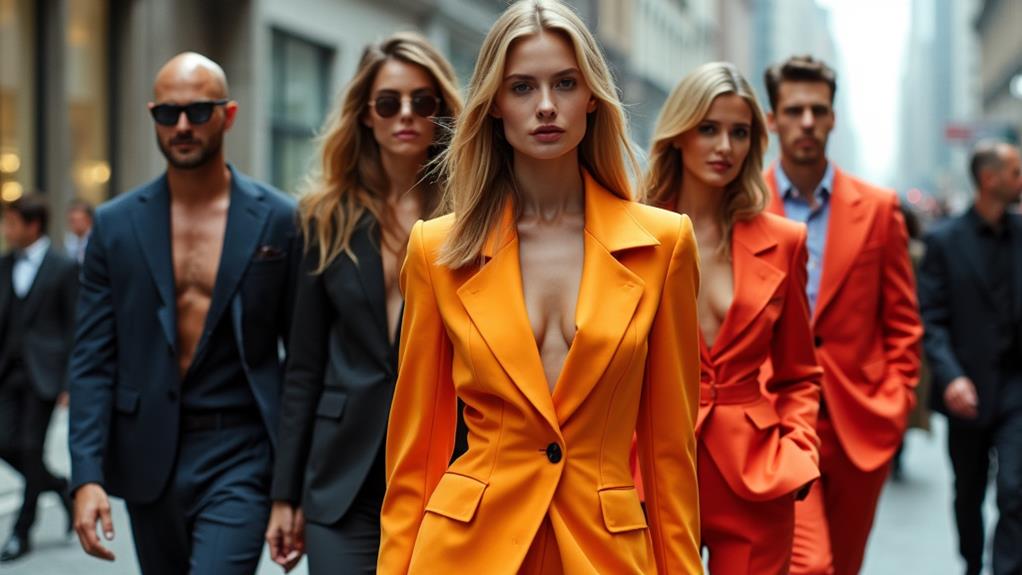
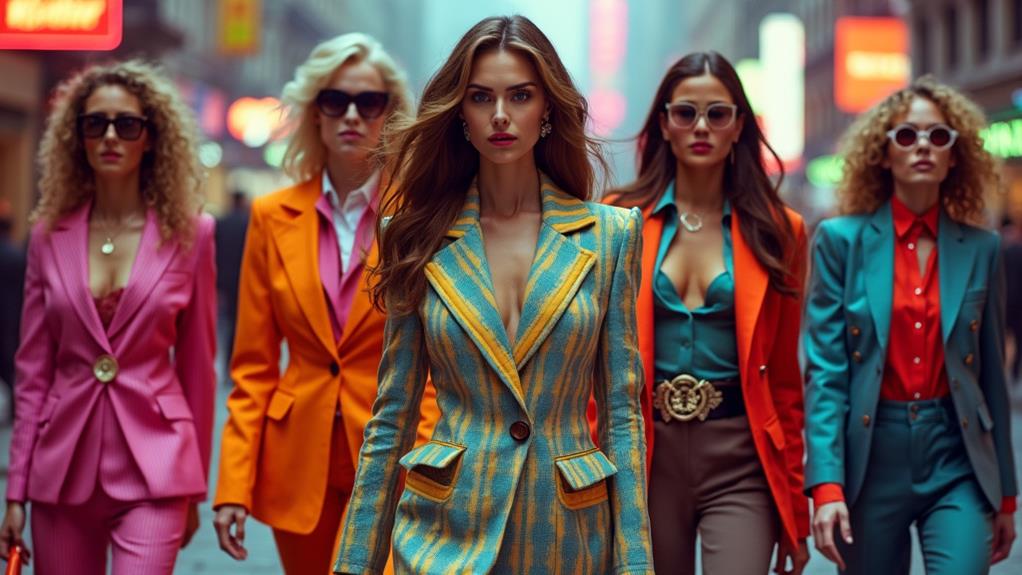
The bold fashion statements of the 1980s are making a notable comeback in the 2000s, particularly through the revival of power suits. These structured silhouettes with dramatic shoulder pads aren't just about nostalgia; they symbolize a resurgence of ambition and confidence, especially among women in the workplace. But why do these vintage styles resonate so strongly in today's culture? How are designers modernizing these classic pieces while maintaining their empowering essence? This trend goes beyond mere fashion, potentially redefining wardrobe essentials.
Historical Context of Power Suits
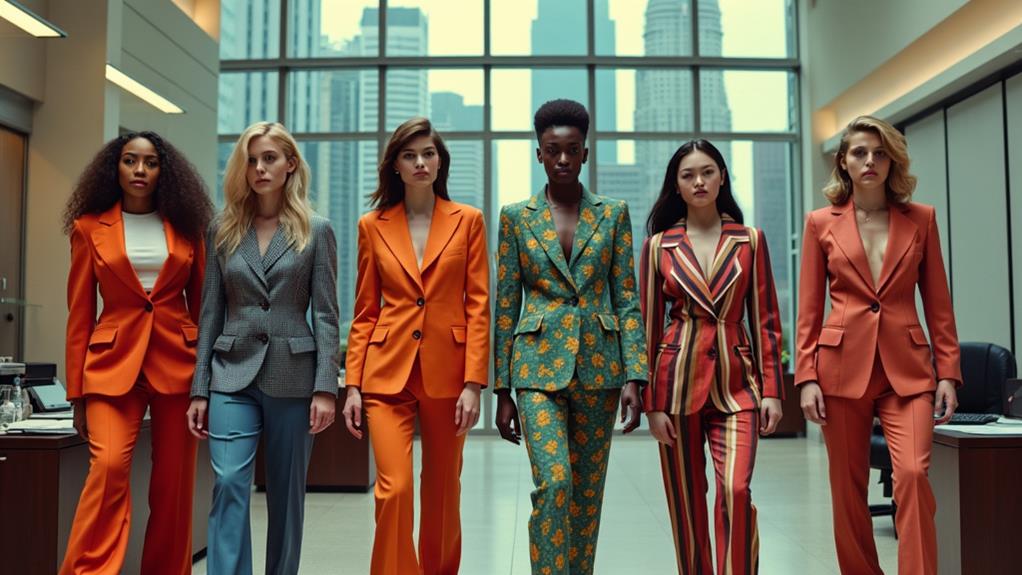
In the 1980s, power suits emerged as a potent symbol of female empowerment, reflecting women's increasing presence in the workforce. Fashion historians highlight that these structured designs, characterized by broad shoulders and tailored silhouettes, mirrored the assertiveness encouraged by the Women's Liberation Movement and the economic boom of the era. Designers like Giorgio Armani were instrumental in blending menswear elements into women's power suits, making them a staple of professional attire.
Television shows like "Dynasty" further popularized power dressing, with characters such as Alexis Colby epitomizing ambition and authority through their attire. This style became synonymous with the image of a successful, determined woman in the workplace.
As more women joined the workforce, with a participation rate reaching 52% in 1980, the power suit symbolized their fight for gender equality. By the late 1980s, these suits began to incorporate softer elements while maintaining their authoritative presence, reflecting changing societal norms and the growing acceptance of women in professional roles without compromising their femininity.
Current Fashion Trends
Power suits are making a bold comeback in the current fashion landscape, with recent fashion weeks highlighting structured designs from top designers like Marc Jacobs and Alexander Wang. There's a noticeable cultural shift towards tailored, statement-making pieces, moving away from the relaxed styles that previously dominated the market. Tibi's latest collection positions power suits as essential staples in contemporary wardrobes, showcasing their broader acceptance in both professional and social settings.
Fashion editors and industry insiders emphasize the significance of power suits in modern culture, underscoring their role in empowering individuals in the workplace. This resurgence isn't just about aesthetics; it signifies a growing consumer preference for investment pieces over fast fashion, indicating a shift towards more sustainable fashion choices.
| Designer | Key Element |
|---|---|
| Marc Jacobs | Bold shoulders |
| Alexander Wang | Minimalist tailoring |
| Tibi | Versatility |
| Stella McCartney | Eco-friendly fabrics |
| Balmain | Power silhouettes |
Economic Implications
Many have observed the economic ripple effects of the power suit resurgence. As consumer confidence rebounded from post-recession lows, people began investing in high-quality fashion pieces like power suits. This trend is not just about style but also signifies recovery and optimism.
Retailers like Zara have pivoted towards offering higher-priced, tailored items, indicating a growing consumer fatigue with fast fashion and a preference for durable, investment pieces. Power suits, particularly women's suits, have become symbols of professionalism and empowerment, reflecting the increasing participation of women in the workforce, which reached 57% in 2020.
The evolving economic landscape has influenced fashion choices, with a notable demand for tailored suits underscoring a preference for quality and longevity. This shift aligns with the broader trend towards sustainable fashion. By opting for power suits, you enhance your wardrobe while making a financially savvy decision. These suits are not just timeless; they are an investment in your professional image and reflect confidence in the future.
In a world where fast fashion is losing its appeal, power suits stand out as a smart economic choice.
Cultural Significance
The resurgence of 1980s power suits in modern fashion reflects a deeper cultural response to women's growing influence in the workplace. The structured silhouette and assertive design of the power suit now symbolize more than just professional attire. Icons like Zendaya and Hailey Bieber have embraced these suits, redefining success and authority beyond traditional gender norms, which underscores their cultural significance today.
Fashion designers such as Marc Jacobs and Tibi have revitalized the classic power suit, making it a staple in contemporary wardrobes. This revival aligns with broader cultural movements, such as #MeToo, where clothing serves as a political statement about gender equality and female empowerment. Wearing a power suit is not just a fashion statement; it's a cultural declaration.
Moreover, the increasing consumer preference for investment pieces like power suits signals a shift towards sustainability, moving away from fast fashion trends. This highlights the enduring significance of power suits. Choosing a power suit means aligning with a trend and participating in broader cultural and political movements that champion gender equality and sustainability.
Future of Power Suit Trend
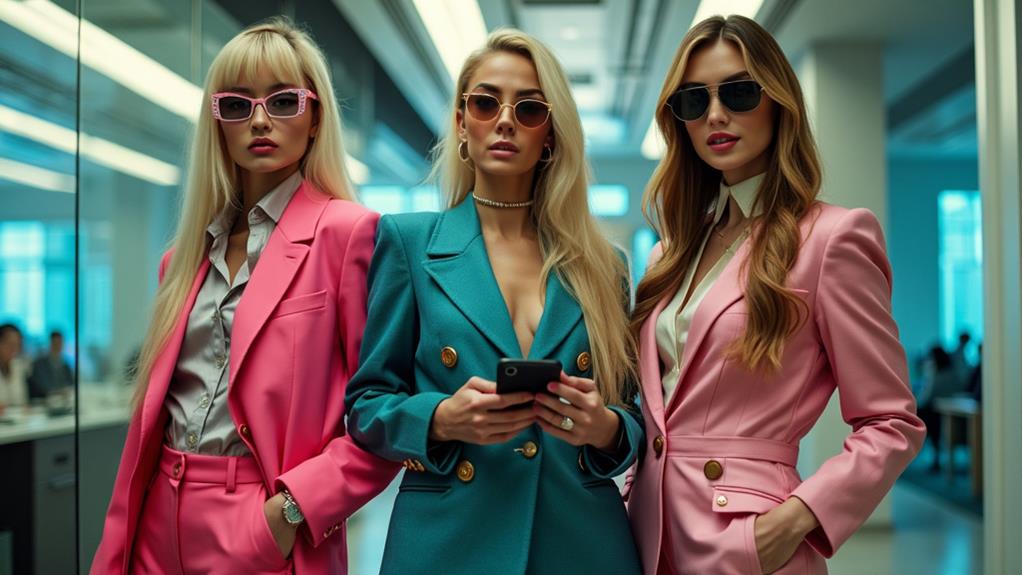
As the fashion landscape evolves, the future of the power suit trend appears promising and dynamic. Power suits are expected to continue dominating wardrobes, embodying a blend of empowerment and style. Designers are innovating with modern twists such as oversized blazers and gender-neutral designs, catering to diverse audiences eager for self-expression. This shift is driven by a growing preference for structured and tailored clothing.
Key trends shaping the future of power suits include:
- Investment Pieces: With growing fatigue from fast fashion, more individuals are opting for sustainable and timeless fashion choices, making power suits a prime investment.
- Redefining Success: Fashion editors and influencers highlight the importance of power suits in redefining success and authority, particularly for women in the workplace.
- Cultural Evolution: As cultural dynamics shift, the demand for power suits is likely to persist, reinforcing their status as a staple in wardrobes.
The trend towards power suits reflects a broader movement towards sustainable, empowering, and versatile fashion. Looking ahead, power suits are poised to remain not just a fashion statement but a symbol of enduring style and authority.
Related posts