The Popularity of Matching Tracksuits in the 1990s
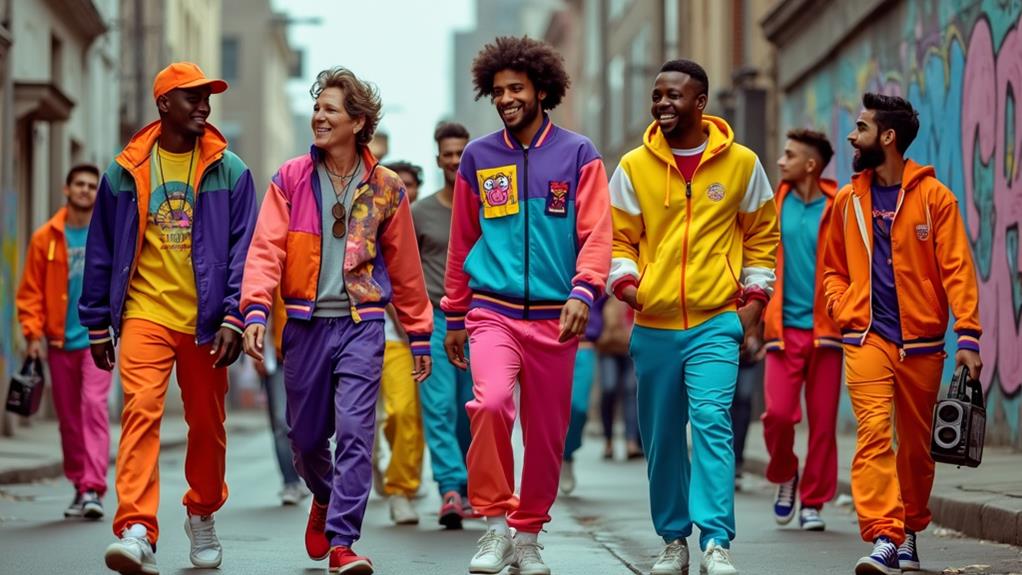
The 1990s saw matching tracksuits become a notable fashion trend, heavily influenced by hip-hop culture. Artists like Run-DMC transformed these outfits into symbols of rebellion and style. Major brands such as Adidas and Nike capitalized on this trend, creating iconic collaborations that remain popular today. How did tracksuits transition from sportswear to mainstream fashion, becoming symbols of individuality and comfort? Let's explore the cultural forces and key players behind this shift.
Evolution of Tracksuits
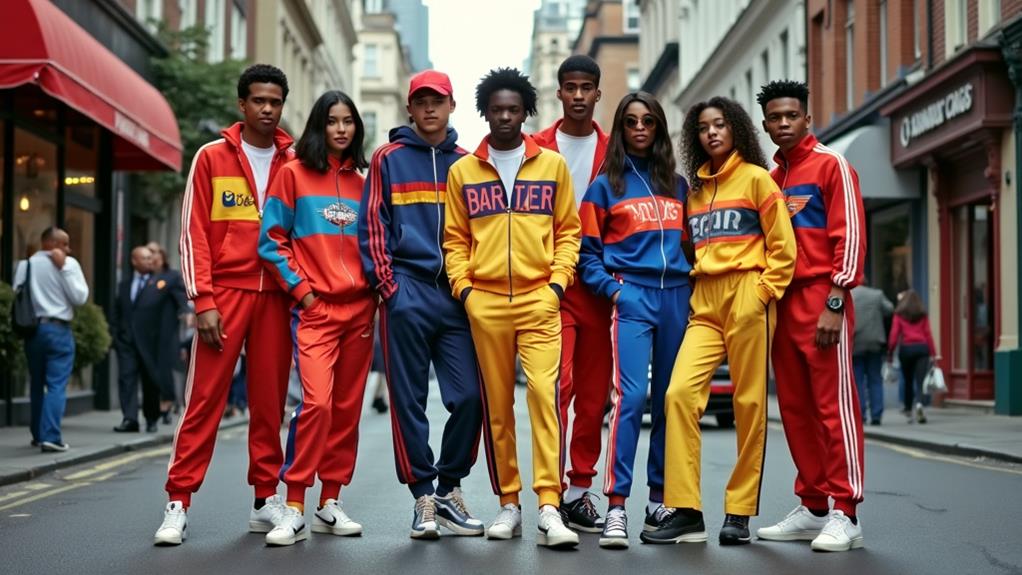
From their inception in the 1960s to their iconic status in the 1990s, tracksuits have undergone significant transformations. Initially designed for athletes, tracksuits were made from synthetic nylon fabrics to provide comfort and flexibility during warm-ups and training. However, their appeal quickly spread beyond the athletic world.
By the 1970s, tracksuits had found their way into urban culture. Recreational athletes and young people started wearing them for leisure activities, recognizing their comfort and ease of movement. The tracksuit's rise continued into the 1980s, fueled by the fitness craze. New materials improved performance and comfort, making tracksuits suitable for both exercise and casual wear.
The true evolution came in the 1990s when tracksuits became a staple in the hip-hop scene. Artists like Run-DMC didn't just wear them; they turned tracksuits into symbols of rebellion and status. This shift highlighted the tracksuit as a versatile piece of clothing, transcending its athletic origins. Designers began incorporating lively colors and bold patterns, broadening their appeal. Today, tracksuits are recognized not just for functionality but for their significant cultural impact, bridging the gap between sportswear and fashion.
Influence of Hip-Hop
Discussing matching tracksuits in the 1990s necessitates recognizing hip-hop's profound influence. Pioneering artists like Run-DMC elevated tracksuits to symbols of streetwear and status, prominently featuring them in music videos and performances. This style transcended the stage, permeating urban communities and eventually shaping mainstream fashion.
Iconic Hip-Hop Artists
Hip-hop artists like Run-DMC and LL Cool J didn't just wear matching tracksuits; they turned them into cultural icons of the 1980s and 1990s. When Run-DMC rocked Adidas tracksuits in their 1986 music video, the tracksuit became synonymous with the hip-hop scene. These outfits, both comfortable and stylish, quickly became an important wardrobe piece for fans and admirers alike.
The bold colors and oversized fits of these tracksuits reflected the individuality and status of these artists. LL Cool J and Run-DMC weren't just making fashion statements; they were shaping a cultural identity. Their influence extended far beyond the music industry, as fans across the globe adopted this look, bridging the gap between hip-hop and mainstream fashion.
Moreover, collaborations between hip-hop artists and sportswear brands solidified the tracksuit's place in fashion history. Jay-Z's partnership with Reebok in the 1990s is a prime example, further entrenching tracksuits as a staple in the wardrobe of anyone wanting to channel that hip-hop vibe. The tracksuit wasn't just clothing; it was a symbol of the time, a comfortable and stylish uniform that spoke volumes about cultural identity and status.
Streetwear and Status
The 1990s experienced a transformative shift in fashion as hip-hop culture began to dominate streetwear, turning matching tracksuits into potent symbols of status and rebellion. Artists like Run-DMC played a pivotal role in this transformation. Their bold decision to wear Adidas tracksuits in music videos and performances turned these outfits into essential elements of street style.
Hip-hop's influence on pop culture elevated branded tracksuits beyond mere casual wear, making them status symbols. Companies like Adidas and Nike seized upon this trend, utilizing celebrity endorsements to propel their tracksuits into the mainstream. The Adidas tracksuit, initially popularized by soccer star Franz Beckenbauer, gained even more prominence after its association with Run-DMC.
Consider the emotional resonance of matching tracksuits in the 1990s:
- Identity: They allowed individuals to express their unique style and cultural background.
- Comfort: Tracksuits combined style with comfort, making them suitable for various activities.
- Status: Donning a branded tracksuit signified a connection with the influential hip-hop community.
- Unity: Matching tracksuits often symbolized solidarity within groups, reinforcing a sense of belonging.
Embracing the tracksuit trend was not just about following fashion; it was about making a statement.
Key Brands and Icons
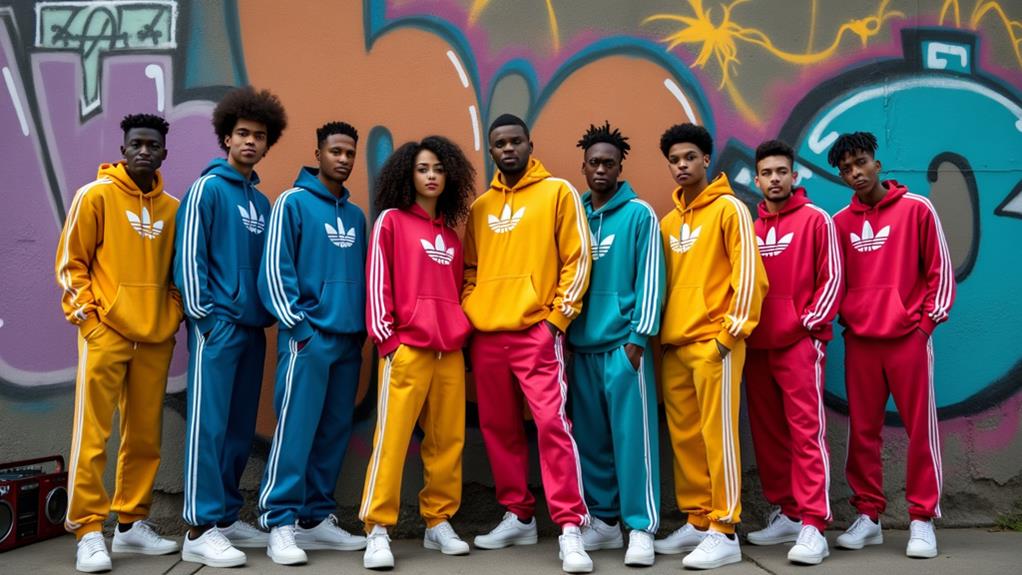
Diving into the world of 1990s tracksuits, one can't overlook the influential brands that shaped this iconic fashion trend. Tracksuits symbolized both comfort and style, with brands like Adidas, Nike, Reebok, Fred Perry, and Lacoste leading the charge. The Adidas tracksuit, especially the Classic SST, became a staple in both casual and athletic wear, thanks to its sleek design. It was impossible to miss someone wearing one, including pop icons like Britney Spears who popularized the look.
Nike's Throwback tracksuit gained attention with its blend of technical focus and stylish aesthetics, making it perfect for both sports and everyday fashion. Reebok's Classic Vector tracksuit, known for its asymmetrical design, captured the bold spirit of 90s fashion. Fred Perry added a touch of sophistication by blending casual and formal elements, broadening their tracksuits' appeal. Meanwhile, Lacoste's suave designs and color-blocked styles emphasized the luxurious appeal of tracksuits, proving their versatility across different social settings. Each brand brought something unique, solidifying the tracksuit's place in 90s culture and beyond.
Popular Styles and Colors
In the 1990s, tracksuits were elevated to a fashion staple by iconic brands and figures. Their appeal lay in their bold, vibrant colors and captivating patterns. Neon shades, pastels, and classic black or white hues were common sights on the streets. Key styles and colors included:
- Adidas Monochrome: These tracksuits, featuring the iconic three stripes, were a staple in both casual and athletic wear, often in sleek, monochromatic sets.
- Velour Tracksuits: Known for their combination of comfort and luxury, these tracksuits often came in rich jewel tones, adding a touch of glamour.
- Color-Blocking: This technique showcased individuality with contrasting panels in different colors, making each tracksuit unique and expressive.
- Bold Patterns: Geometric shapes and abstract designs made 90s tracksuits anything but boring.
These styles made tracksuits not just comfortable but also a statement of personal style, resonating with everyone from hip-hop enthusiasts to fashion lovers. The tracksuits of the 90s remain unforgettable for their unique blend of comfort and flair.
Tracksuits in Pop Culture
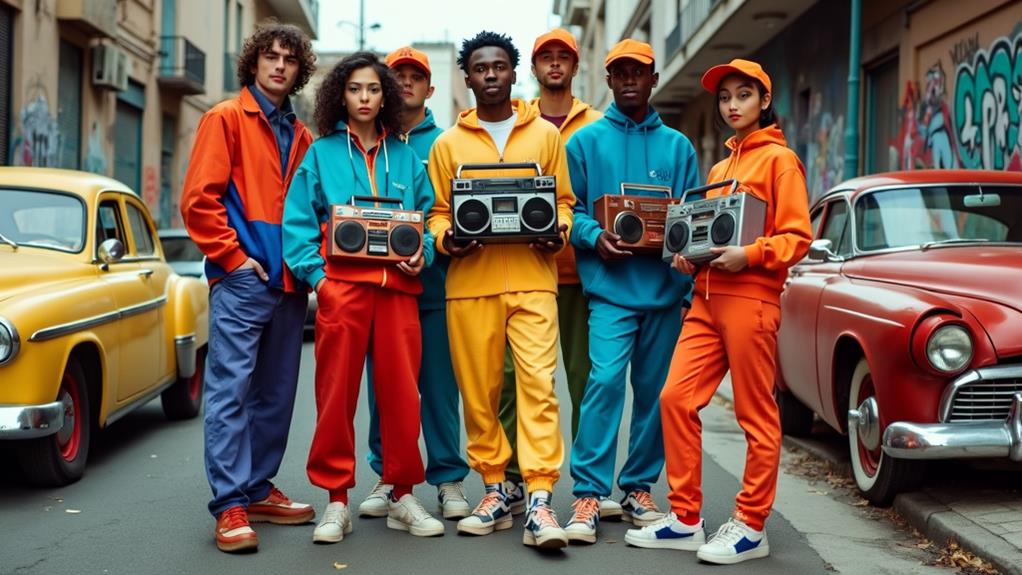
In the 1990s, tracksuits emerged as a quintessential symbol of coolness and casual flair, permeating pop culture through iconic figures and media. Hip-hop culture notably influenced this trend, with groups like Run-DMC sporting tracksuits in their music videos, transforming these outfits into a major fashion statement. Television also played a significant role, with shows like "The Fresh Prince of Bel-Air" featuring characters in colorful and stylish tracksuits, making them a must-have for the youth.
Celebrity endorsements further spotlighted tracksuits. Athletes such as Michael Jordan and entertainers like Jennifer Lopez often donned them, seamlessly blending athletic and casual wear. This made tracksuits a wardrobe staple, suitable for both workouts and casual outings.
Fashion designers quickly embraced the trend, with brands like Adidas and Nike leading the charge. These labels turned tracksuits into an urban street style phenomenon, appealing not just for their look but also for their association with comfort and leisure. Tracksuits became the go-to outfit for various occasions, solidifying their status in pop culture and making them a definitive part of 90s fashion trends.
Practicality and Comfort
In the 1990s, tracksuits embodied both practicality and comfort. Designed for easy movement, they were ideal for athletic activities and casual outings alike. Made from soft, breathable materials such as cotton blends and velour, tracksuits combined coziness with style, making them perfect for everyday wear.
The relaxed fit suited all genders and body types, promoting a sense of ease and confidence. Matching tracksuits offered the practicality of seamlessly transitioning from a workout at the gym to a casual coffee with friends without the need for an outfit change. This shift towards comfort in fashion was revolutionary, making tracksuits a staple in many wardrobes.
Consider the emotional benefits of 90s tracksuits:
- Freedom of Movement: Whether jogging or lounging, tracksuits allowed unrestricted movement.
- All-Day Comfort: Soft materials made them perfect for extended wear.
- Versatility: Suitable for various settings, from exercising to running errands.
- Effortless Style: Matching sets ensured a coordinated look with minimal effort.
Ultimately, the 90s tracksuit reflected the era's emphasis on comfort and practicality in everyday fashion.
Modern Styling Tips
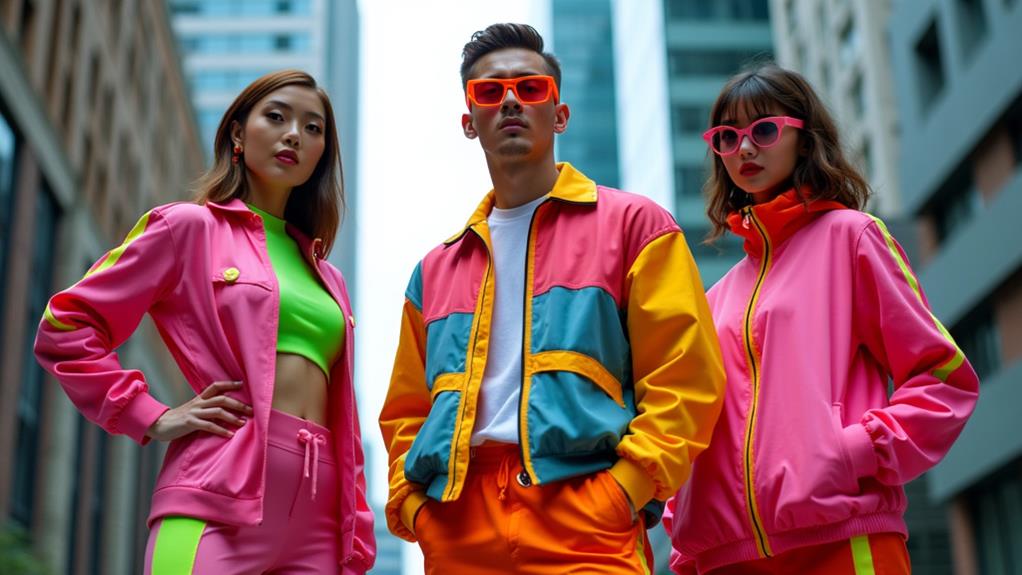
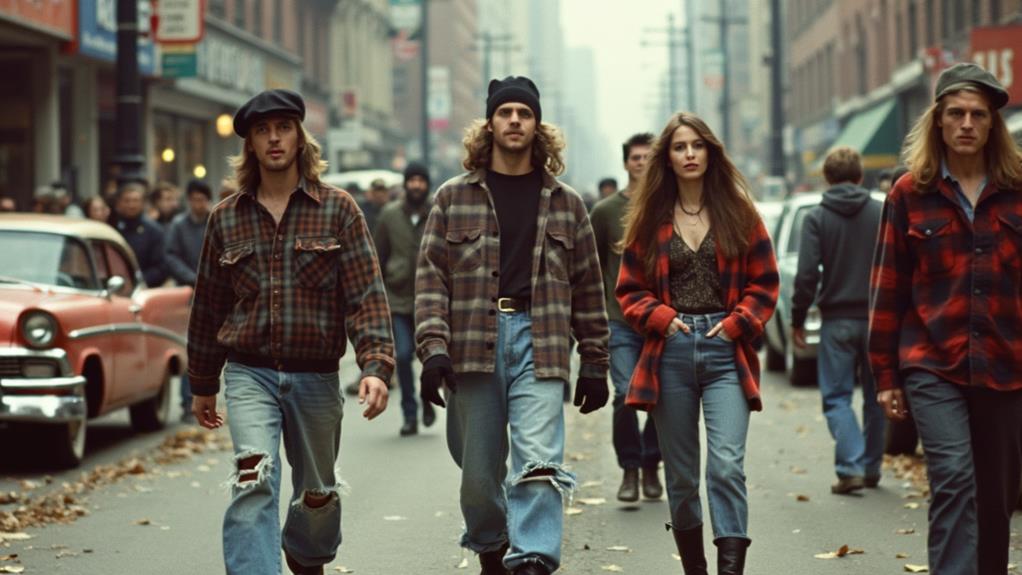
Revamping vintage tracksuits for modern wear can be both fun and stylish. Start by layering your tracksuit with contemporary pieces like a graphic tee or a denim jacket to create a balanced look. For a touch of 90s grunge, add a flannel shirt.
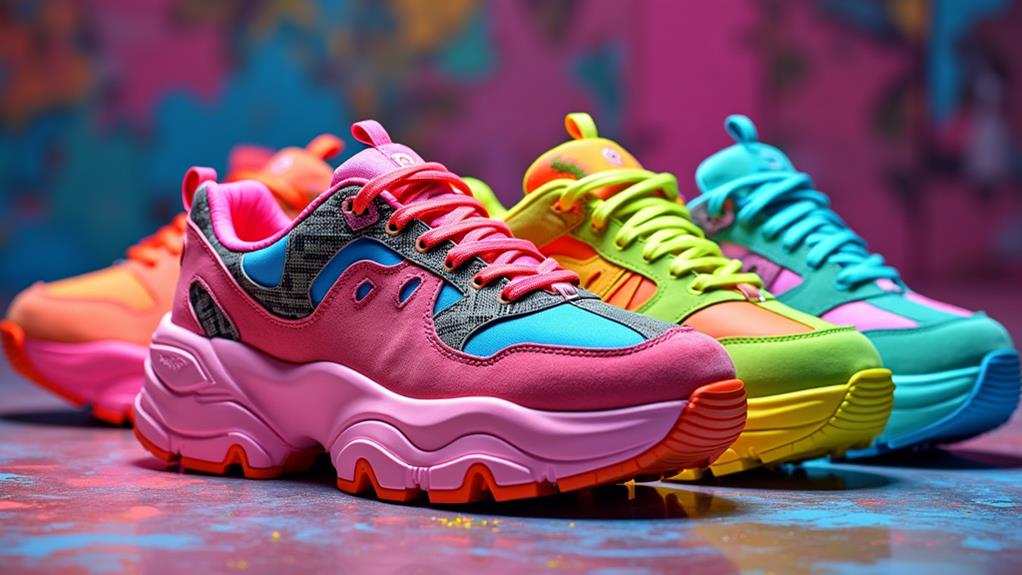
Accessorizing is key to elevating a tracksuit. Consider statement jewelry like chunky necklaces or bold earrings to maintain a casual yet chic vibe. Footwear is another vital element. Pair your tracksuit with trendy sneakers for a classic look, or opt for combat boots to add an edgy twist.
To make your outfit stand out, incorporate unique elements like mixing prints or experimenting with color-blocking using different accessories. This adds a personal touch that makes the ensemble truly yours. For a more streamlined appearance, a monochrome look is a safe bet. Pairing a black tracksuit with a white tee offers simplicity and style, suitable for various casual occasions.
Legacy and Influence
The legacy of matching tracksuits is deeply rooted in the hip-hop fashion revolution. Hip-hop artists popularized these outfits, turning them into symbols of cultural expression and individual style. This influence paved the way for today's athleisure trends, demonstrating the enduring impact of the 1990s tracksuit.
Hip-Hop Fashion Revolution
During the 1990s, the hip-hop fashion revolution brought matching tracksuits into the spotlight, embedding them within the genre's distinctive style and ethos. The tracksuit transcended casual wear to become a statement of rebellion against mainstream fashion norms. Iconic artists like Run-DMC pioneered this trend, donning Adidas tracksuits in their music videos, which quickly became symbols of hip-hop culture. Through brightly colored and patterned designs, hip-hop artists and fans expressed individuality and self-expression.
This fashion revolution also fostered a deep emotional connection. Imagine:
- Seeing your favorite artist in a matching tracksuit, inspiring you to express yourself.
- Walking down urban streets, feeling the pulse of hip-hop with every step.
- Challenging mainstream norms with each vibrant color and bold pattern.
- Joining a movement that celebrates rebellion, creativity, and authenticity.
The influence of hip-hop in the 1990s not only redefined fashion but also established the tracksuit as an integral part of everyday wear. This legacy continues to shape fashion trends and athletic leisurewear, proving the tracksuit's impact is timeless.
Mainstream Cultural Adoption
The tracksuit's evolution from niche hip-hop attire to mainstream fashion in the 1990s was both swift and impactful. Initially championed by the music scene, artists like Run-DMC transformed the tracksuit into a symbol of rebellion and style. Its influence spread rapidly, with high-profile endorsements and television shows like "The Fresh Prince of Bel-Air" showcasing lively, coordinated ensembles. This visibility cemented the tracksuit's place in popular culture, making it a staple of 90s fashion.
Adidas and Nike were quick to capitalize on this trend, releasing iconic matching designs that combined comfort and style. Their efforts led to a surge in the popularity of both casual and athletic wear among men and women. The tracksuit's appeal extended beyond athletic use, seamlessly integrating into everyday fashion, reflecting society's shift towards more relaxed, comfortable clothing.
The 1990s tracksuit phenomenon left a lasting legacy, influencing future fashion trends and contributing to the ongoing popularity of coordinated athletic wear in contemporary street style and high-fashion collections. The tracksuit's enduring impact on modern fashion is undeniably clear.