
The Popularity of Clogs in the 1970s
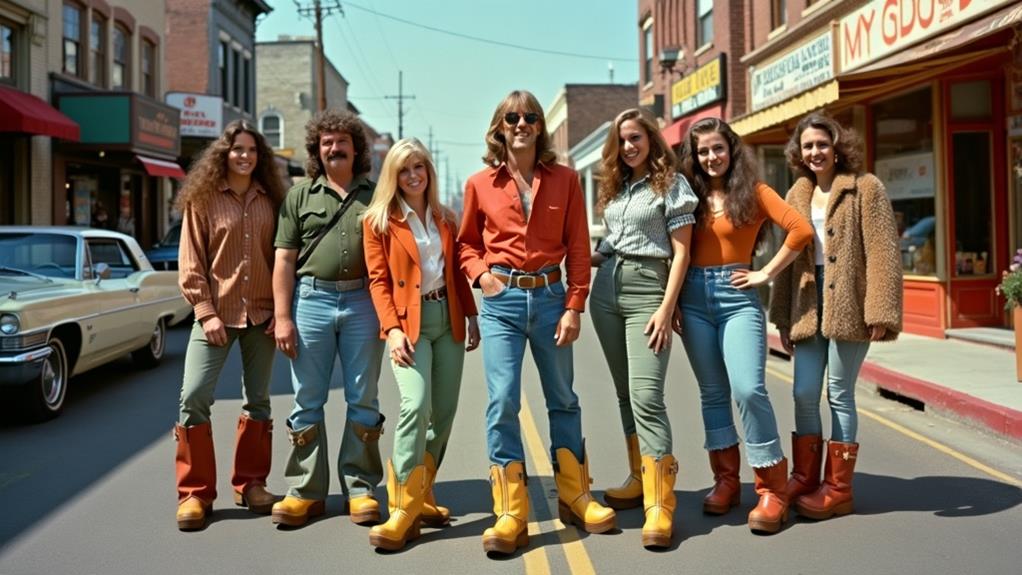
Discussing 1970s fashion inevitably brings up the iconic rise of clogs, a trend that epitomized the decade's spirit. Tracing their journey from medieval Europe to bustling American streets, clogs became more than just comfortable footwear—they were symbols of rebellion and individualism. Influenced by the hippie movement and Scandinavian designs, these wooden-soled shoes were popularized by celebrities like Farrah Fawcett. So, what made clogs so irresistible, and how did they come to represent the counterculture of the 1970s?
Origins and Evolution
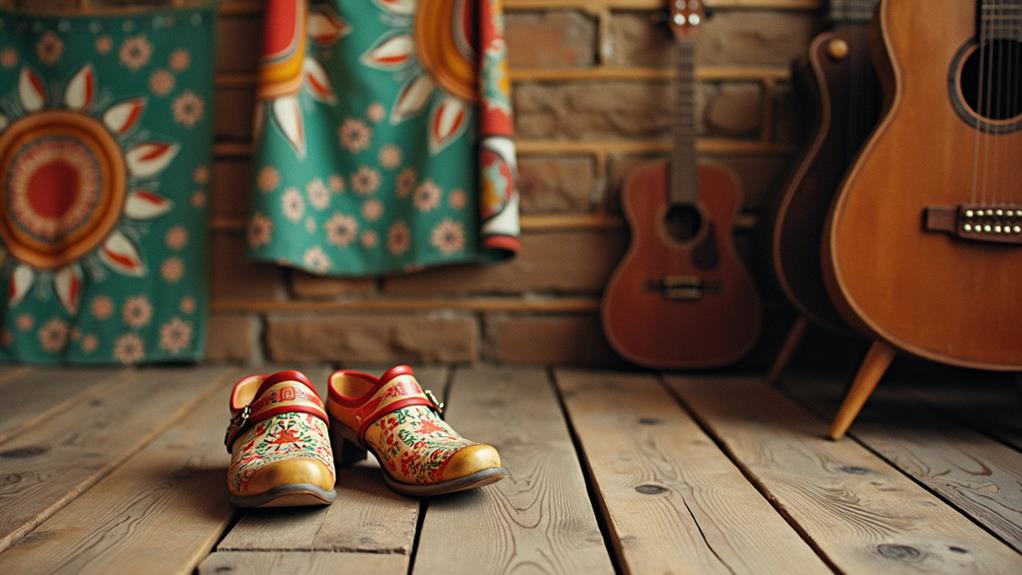
The origins of clogs trace back to the Netherlands, with the earliest known examples dating to 1230 AD. These wooden shoes were initially crafted for both special occasions and practical use in farming and wet environments. Fast forward to the 1970s, clogs experienced a significant resurgence, particularly in the United States.
This revival was heavily influenced by the hippie movement and Scandinavian fashion trends. Hippies embraced clogs for their comfort and natural materials, often wearing them without socks to enhance the perceived wellness benefits of direct contact with wood. Scandinavian design also played a crucial role, promoting simple, functional footwear that resonated with the era's back-to-nature ethos.
During the 1970s, clogs became a symbol of rebellious fashion. Vintage photos frequently show them paired with flared jeans and long skirts, highlighting their appeal as an alternative to conventional footwear. Their association with counterculture movements helped clogs break away from traditional norms, making them a statement piece for those rejecting mainstream styles. This period cemented clogs' place in fashion history, showcasing their evolution from practical Dutch origins to icons of comfort and rebellion.
Clogs in Medieval Europe
During Medieval Europe, clogs gained widespread popularity, particularly among peasants and laborers, due to their practicality and durability. These shoes were essential for protecting feet from muddy or wet conditions encountered during daily tasks. The handcrafted nature of clogs underscored regional craftsmanship and resourcefulness, with artisans utilizing local materials to create robust footwear.
| Feature | Description |
|---|---|
| Practicality | Ideal for rural settings and challenging conditions |
| Durability | Long-lasting and able to endure harsh environments |
| Protective Footwear | Shielded feet from mud, wetness, and rough terrain |
| Handcrafted | Made by local artisans, showcasing regional craftsmanship |
As the Middle Ages progressed, clogs became a staple across various social classes, reflecting their broad acceptance and versatility. Over time, their utilitarian design began to incorporate decorative elements, marking an evolution in their aesthetic appeal. These embellishments paved the way for future adaptations and underscored the cultural significance of clogs in Medieval Europe.
Whether you were a peasant working in the fields or a laborer in a bustling town, clogs were an indispensable part of everyday life. Their blend of practicality and durability ensured they remained a favored choice across the centuries.
Dutch Craftsmanship
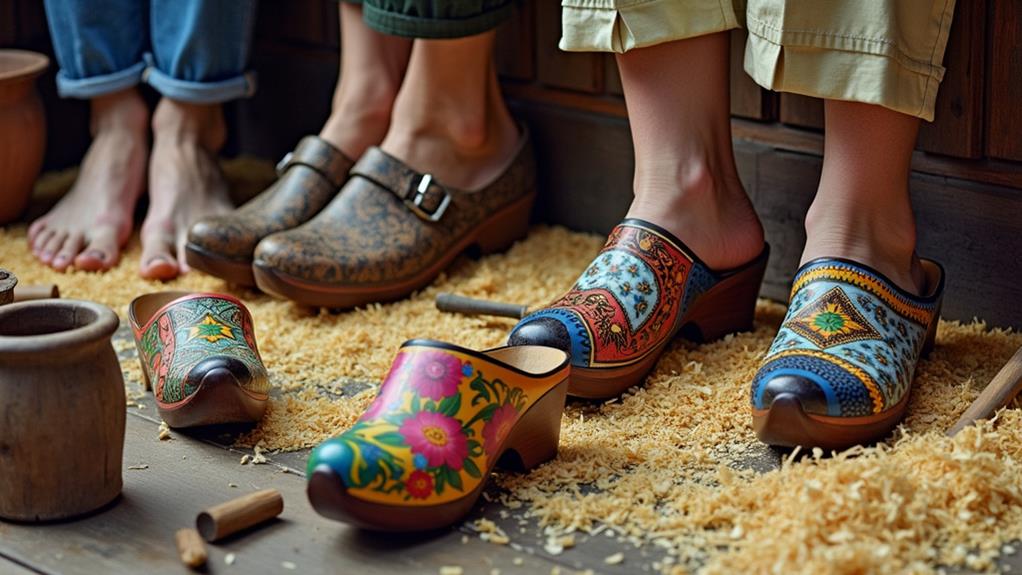
As clogs evolved from their medieval origins, Dutch craftsmanship emerged as a pinnacle of this tradition. In the Netherlands, the art of making wooden clogs, known as klompen, became a significant cultural practice. Skilled artisans, known as "klompen makers," utilized traditional hand-carving techniques to craft each pair from a single block of wood. This method ensured that every pair was not only durable but also unique.
Dutch clogs are more than practical footwear; they embody Dutch identity and heritage. Each region in the Netherlands features distinctive designs, often showcasing intricate carvings and vibrant colors. This allows people to appreciate their functionality as well as their artistic value.
Historically, around one million pairs of wooden clogs were produced annually, many of which served as cherished souvenirs. These clogs reflect the rich history and artistry of Dutch craftsmanship.
Dutch clogs are characterized by:
- Durability and Uniqueness: Each pair is hand-carved from a single block of wood.
- Cultural Tradition: Techniques passed down through generations.
- Artistic Value: Intricate carvings and vibrant colors.
- Symbol of Dutch Identity: Recognized worldwide.
Through these elements, Dutch clogs remain a timeless emblem of the Netherlands.
Industrial Revolution Influence
The Industrial Revolution significantly impacted the design and use of clogs, driving innovations for better worker protection and durability. Clogs became a symbol of the working class, providing essential safety and comfort in hazardous environments. This era marked the transformation of clogs from merely practical footwear to items with cultural significance.
Enhanced Worker Protection
The Industrial Revolution significantly influenced worker protection, with clogs emerging as essential gear for factory workers and miners. These sturdy shoes were crucial for providing foot protection in hazardous environments. Featuring wooden soles, clogs offered natural shock absorption, making them practical for laborers enduring long hours on their feet. The durability of clogs was further enhanced through the use of leather and metal reinforcements, ensuring they could withstand the rigorous demands of daily use.
Clogs were indispensable for workers for several reasons:
- Enhanced Foot Protection: The robust design safeguarded workers from heavy objects and dangerous machinery.
- Natural Shock Absorption: Wooden soles mitigated the impact on workers' feet during extended shifts.
- Durability: Incorporating leather and metal reinforcements, clogs were built to last in tough conditions.
- Practicality: Easy to wear and maintain, clogs became a staple for laborers.
Interestingly, the term "sabotage" is believed to have originated from workers throwing their wooden clogs (sabots) into machinery to halt production. This act highlights the significance of clogs, not only as protective gear but also as symbols in labor movements during the Industrial Revolution.
Durable Design Innovations
During the Industrial Revolution, the design of clogs saw significant advancements to enhance worker protection. This era introduced durable innovations, incorporating materials like leather and metal reinforcements. These enhancements made clogs indispensable for factory workers and miners, who required robust footwear to endure harsh conditions.
The focus during this period was not only on functionality but also on craftsmanship. Skilled shoemakers adapted traditional techniques to meet the needs of the working class, producing clogs that were both sturdy and long-lasting. This evolution marked a shift from purely utilitarian designs to more varied styles, all while maintaining essential functional elements.
Symbol of Working-Class
During the Industrial Revolution, clogs emerged as a powerful symbol of the working class. Factory workers and miners relied on clogs for their durability and practicality, as these shoes provided crucial protection in harsh industrial environments. The clogs' sturdy design offered stability and comfort, making them indispensable as protective footwear.
The association of clogs with the working class was further strengthened by their handcrafted nature. Made from local materials, these artisanal shoes reflected the economic struggles and skills of laborers. Their craftsmanship turned clogs into more than just practical items; they became a symbol of working-class resilience and resourcefulness.
The term "sabotage" even ties back to clogs, believed to originate from workers throwing their clogs into machinery to halt production. This act of resistance further solidified clogs as emblems of worker defiance and solidarity.
By the late 19th and early 20th centuries, clogs had evolved beyond their functional role:
- Practicality: Essential in industrial settings.
- Durability: Built to last and withstand tough conditions.
- Handcrafted: Showcased the artisanal skills of the working class.
- Symbolism: Represented working-class resilience and defiance.
1970s Fashion Resurgence
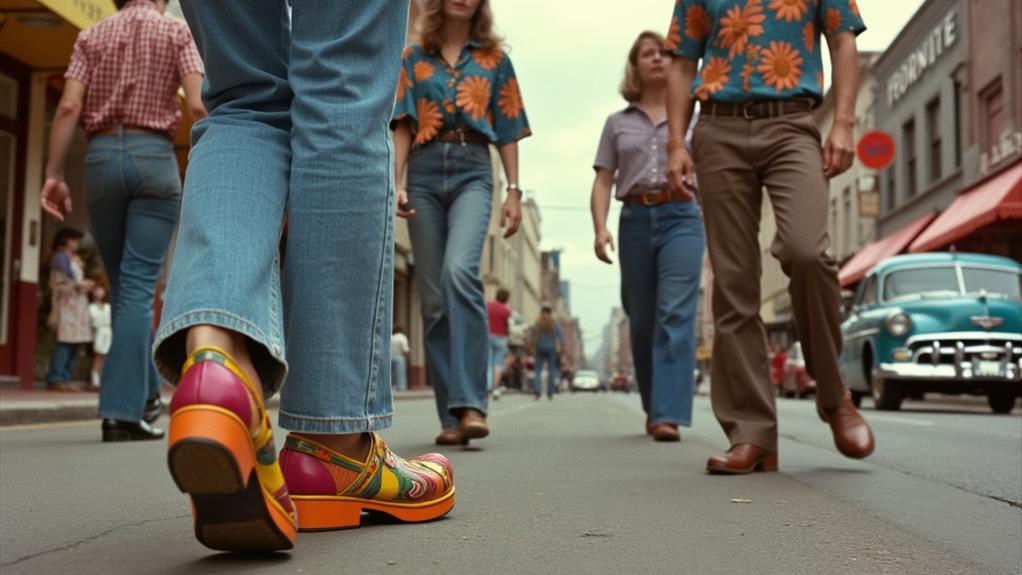
Decades later, 1970s' fashion trends are making a strong comeback, with clogs at the forefront. Inspired by Scandinavian fashion and hippie culture, clogs were celebrated for their comfort and individuality. In the 1970s, clogs were more than just shoes; they made a statement. Their rebellious appeal often saw them paired with flared jeans and flowing skirts, embodying the free-spirited ethos of the period.
The comfort of clogs isn't their only draw. Beliefs in the health benefits of wooden soles significantly contributed to their popularity, aligning with the era's focus on wellness and comfort.
Clogs also served as a unisex fashion statement in the 1970s, reflecting shifts in gender norms and style preferences. Both men and women embraced this versatile footwear, embedding it into the cultural fabric. Today, as these iconic shoes make a return, it's clear that the 1970s' influence on fashion endures.
Celebrity Endorsements
Celebrity endorsements played a significant role in the popularity of clogs during the 1970s. When examining how clogs became a fashion staple, the influence of celebrities is undeniable. ABBA, the popular music group, launched their own line of wooden clogs, turning them into a must-have fashion statement. Farrah Fawcett, a renowned fashion icon and actress, was often seen in clogs, making them even more appealing to mainstream audiences.
The adaptability of clogs was highlighted by their adoption across different social circles. Here's a quick look at how celebrity endorsements shaped this trend:
- ABBA: Their wooden clogs line made clogs synonymous with 70s fashion.
- Farrah Fawcett: Her frequent appearances in clogs captured public interest.
- Fleetwood Mac: Members of the iconic band regularly sported clogs, enhancing their trendy image.
- Jane Birkin: Her stylish use of clogs emphasized their place in progressive fashion trends.
These endorsements weren't just about style; they tied clogs to the counterculture movement. Celebrities embracing clogs signaled a shift towards more relaxed and individualistic fashion choices, making clogs a true icon of the time.
Design and Comfort
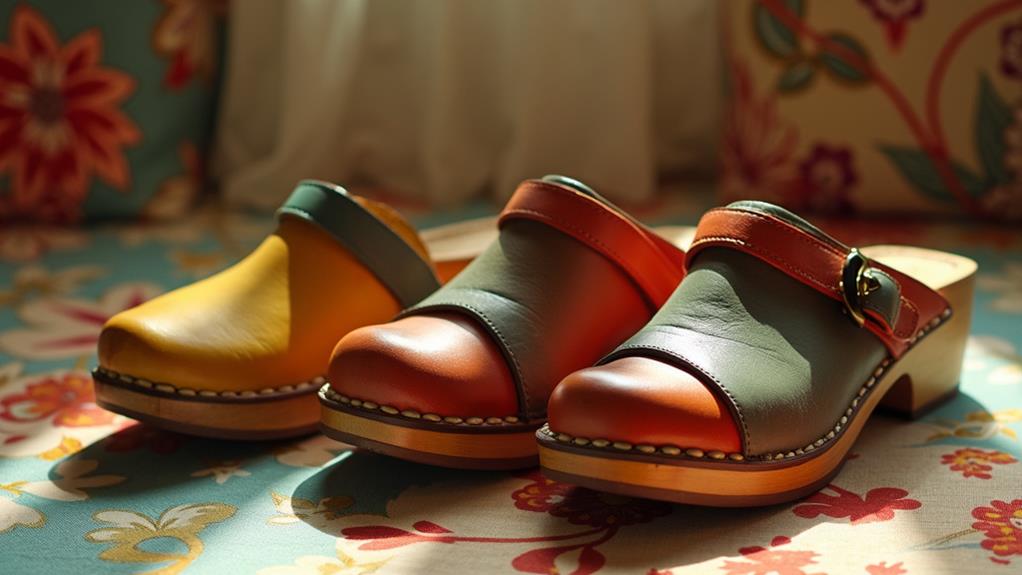
While celebrity endorsements significantly boosted the popularity of clogs, their design and comfort solidified their status as a 1970s fashion staple. These shoes were mainly crafted from wood, providing a sturdy and durable construction that appealed to many consumers. The wooden base offered a solid foundation, enhancing the ease and longevity of the footwear.
Clogs featured a convenient slip-on design, eliminating the need for laces and making them easy to put on and take off. This practicality was a key factor in their widespread adoption. Many clogs also had a platform sole, which provided extra cushioning and support for everyday wear.
The use of natural materials, such as wood and leather, contributed to their aesthetic appeal and promoted foot health and well-being, aligning perfectly with the wellness trends of the era. The unique look of clogs made them a versatile fashion choice, often paired with flared jeans and flowing skirts. This blend of style and practicality resonated strongly with the fashion sensibilities of the time, making clogs an essential part of the 1970s wardrobe.
Cultural Impact
The cultural impact of clogs in the 1970s was significant, as they became a hallmark of counterculture fashion. Celebrities embraced them, enhancing their popularity and making them a symbol of rebellion against mainstream trends. Wearing clogs signified alignment with a movement that valued individuality and comfort.
Counterculture Fashion Statement
Clogs, embraced by the 1970s hippie movement, epitomized a counterculture fashion statement that starkly contrasted mainstream norms. These wooden shoes, often worn without socks by both men and women, accentuated a relaxed and carefree vibe. Their comfort and nonconformity resonated with the era's values of self-expression and individuality.
Vintage photographs frequently depict clogs paired with flared jeans and long skirts, cementing their place in rebel fashion. Beyond aesthetics, many believed in their health benefits due to the natural materials, aligning with the wellness and natural lifestyle advocacy of the time.
Here are four reasons why clogs became a symbol of counterculture:
- Comfort: The wooden soles offered a distinctive, comfortable experience unlike traditional footwear.
- Nonconformity: Clogs defied mainstream fashion, resonating with the hippie movement's anti-establishment ideals.
- Health Benefits: Proponents claimed that wooden clogs promoted wellness through direct contact with natural materials.
- Self-expression: Combining clogs with flared jeans or long skirts allowed for a bold, individualistic style.
In essence, clogs were more than just footwear; they symbolized rebellion and personal freedom.
Celebrity Endorsements and Influence
The 1970s marked a transformative period for clogs, significantly influenced by celebrity endorsements that propelled them into mainstream fashion. Iconic musical group ABBA, leveraging their immense popularity, launched their own clog line, making the footwear synonymous with the era's music and style. Celebrities like Cher and Jane Fonda were often seen wearing clogs, associating them with the counterculture and bohemian lifestyle. These public figures transformed clogs into symbols of comfort and rebellion, appealing to those seeking to break away from traditional fashion norms.
Fashion icons such as Farrah Fawcett and Twiggy also embraced clogs, incorporating them into their signature styles. Their endorsement by high-profile personalities cemented clogs as a staple in mainstream fashion. Fashion magazines of the time frequently featured clogs paired with flowing skirts and flared jeans, embedding them further into the 1970s cultural fabric. The widespread visibility of clogs in media and celebrity circles made them a must-have item, reflecting the decade's spirit of individualism and nonconformity. Through these celebrity endorsements, clogs evolved from mere footwear to a cultural phenomenon, embodying both comfort and a rebellious streak.
Related posts