The Love for Tie-Dye in the 1960s and Its Comeback in the 2020s
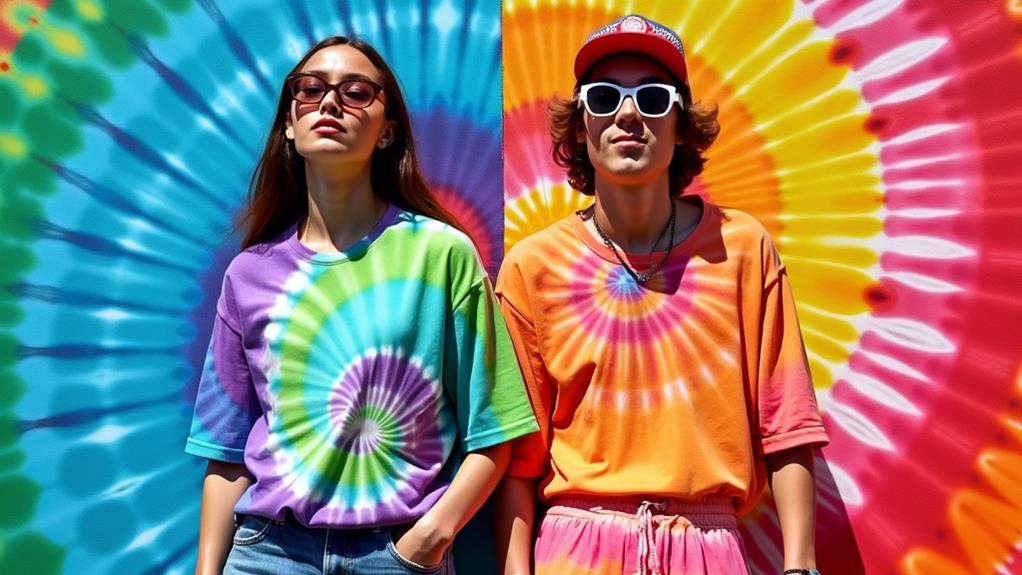
Tie-dye, once a hallmark of the 1960s counterculture, has made a notable comeback in the 2020s. In the 1960s, tie-dye symbolized individuality and rebellion, serving as a fabric canvas for peace and freedom. Today, amid social isolation and a renewed quest for creativity, tie-dye has re-emerged as a mainstream fashion trend. What drives this cyclical resurgence, and how has the essence of tie-dye evolved over the decades? Let's explore the factors behind this colorful phenomenon and its impact on contemporary fashion.
The 1960s Counterculture Movement
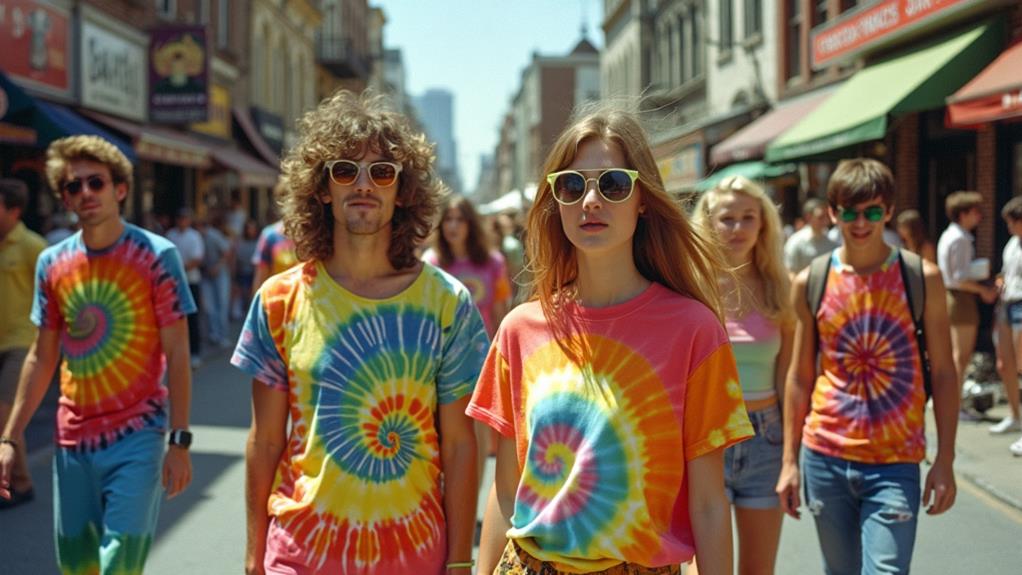
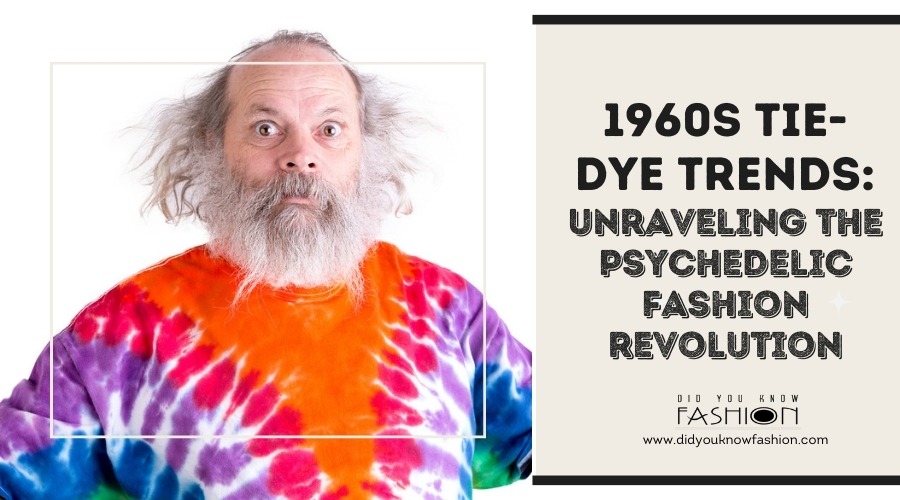
The 1960s counterculture movement was not solely about rebellion; it was a vibrant expression of individuality and defiance against conservative norms. Tie-dye emerged as a symbol of self-expression and a bold statement against the established order. Its influence was ubiquitous, visible on the streets and at iconic events like Woodstock in 1969, where figures such as Janis Joplin and Joe Cocker sported these colorful, psychedelic patterns.
Tie-dye appealed to many because it encapsulated the era's spirit of experimentation and uniqueness. In contrast to the rigid, mainstream fashion of the time, tie-dye exploded in a riot of colors and swirling designs, with each piece being distinct. This DIY fashion statement allowed individuals to create their own patterns, aligning perfectly with the counterculture's emphasis on personal authenticity and anti-capitalist sentiments.
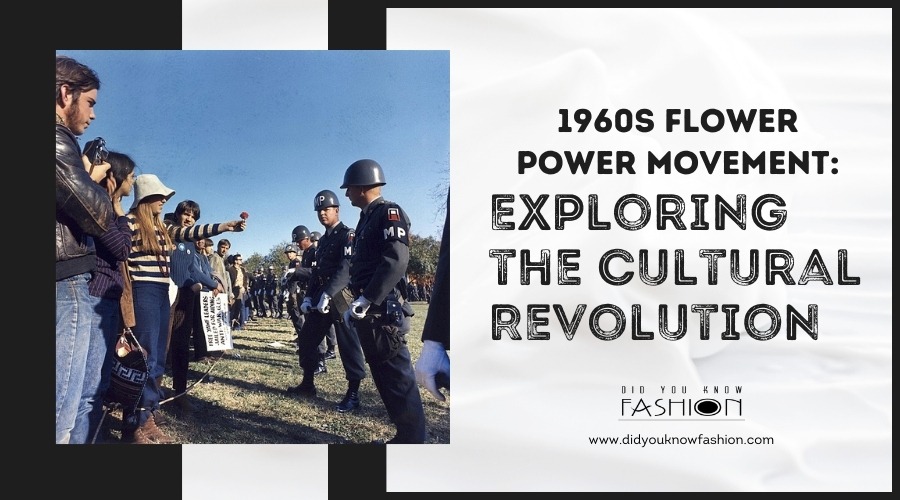
Beyond fashion, tie-dye held deeper cultural significance. It symbolized a collective yearning for change and freedom amid political upheaval, intertwining with broader social movements. For many, wearing tie-dye was an act of rebellion and a vivid expression of their commitment to the ideals of peace and love.
DIY Fashion Revolution
During the COVID-19 pandemic, there was a notable increase in DIY tie-dye projects, with Google searches soaring by 5,000%. This trend is accessible due to its minimal supply requirements and limitless creative possibilities. Whether crumpling or swirling fabric, the process is straightforward, allowing you to craft unique pieces at home with ease.
Easy to Create
Creating tie-dye clothing and accessories has never been easier, making it a cornerstone of the DIY fashion movement. Tie-dye is accessible to everyone, transforming into a fun and straightforward project you can do at home. With minimal materials like rubber bands, dye, and plain fabric, you can immerse yourself in a creative outlet that allows endless experimentation and personal expression.
Various techniques, such as the swirl method, are simple to execute and provide a canvas for your creativity. Each attempt can result in unique, vivid patterns that reflect your artistic style. The advent of DIY tie-dye kits has further simplified the process, enabling anyone to create custom pieces without needing extensive knowledge or resources.
Engaging in tie-dye activities offers more than just a fashion statement. It provides a therapeutic escape during stressful times, allowing you to explore your artistic side while producing something tangible and beautiful. Moreover, the inexpensive nature of tie-dye promotes sustainability. Upcycling old garments into bright, personalized fashion pieces reduces waste and challenges the throw-away culture of fast fashion. Embrace the ease and joy of tie-dye and become part of the DIY fashion revolution.
Minimal Materials Needed
With just a few basic materials—rubber bands, fabric, and dye—you can dive into the world of tie-dye, a cornerstone of the DIY fashion movement. This craft is incredibly accessible, requiring minimal materials that are easy to find and inexpensive. Whether upcycling an old T-shirt or starting with new fabric, the process is straightforward and rewarding.
The beauty of tie-dye lies in its simplicity. Basic techniques like the crumple or swirl methods allow you to create unique designs without advanced skills. DIY tie-dye kits, which include everything you need from dyes to instructions, have surged in popularity, making it easier than ever to get started. These kits are ideal for custom loungewear or adding a splash of color to home decor.
Tie-dye's cost-effectiveness encourages creativity and experimentation, appealing to budget-conscious consumers. Additionally, it can be a therapeutic activity, providing a creative outlet during challenging times. By reusing existing garments, you're also making an eco-friendly choice, expressing personal style sustainably.
Techniques and Styles
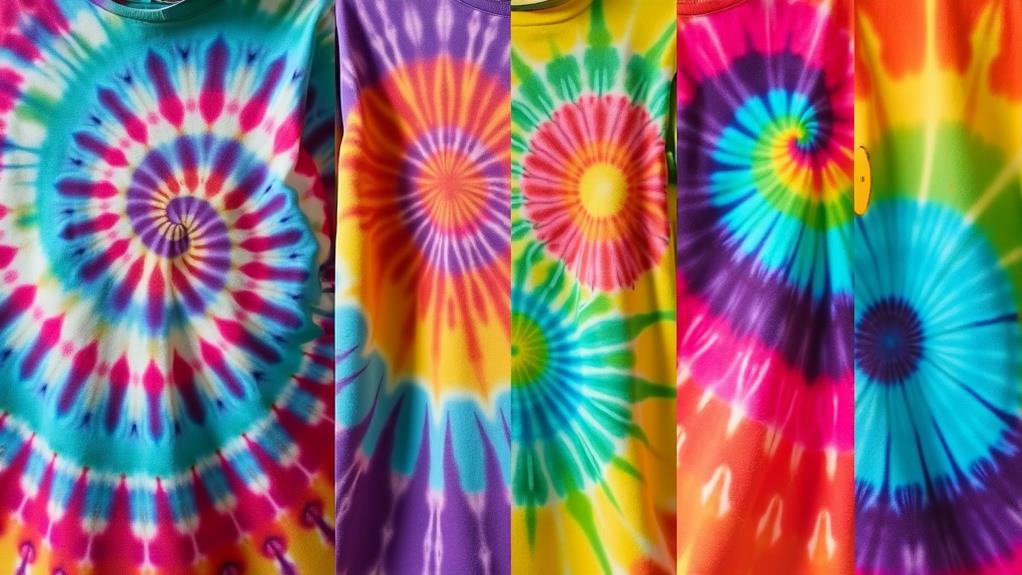
Exploring tie-dye techniques reveals a variety of methods, including the classic swirl, the crumple technique, and patterns created with natural dyes. The swirl method involves twisting fabric into a spiral and applying dye in sections. The crumple technique focuses on scrunching the fabric to achieve random, textured patterns. Additionally, using natural dyes allows for eco-friendly experimentation, producing beautiful, earthy hues.
Classic Swirl Method
The classic swirl method's enduring appeal lies in its straightforward yet visually striking technique. This method involves twisting the fabric from the center and securing it with rubber bands, creating a spiral pattern that's a hallmark of tie-dye designs. It gained traction during the 1960s, symbolizing the counterculture movement with its emphasis on individuality and lively, psychedelic aesthetics.
For DIY enthusiasts, the swirl method remains a favorite in the 2020s. Online tutorials have spurred a resurgence in interest as people seek to personalize their clothing. The simplicity of this technique makes it accessible for beginners. Basic supplies like fabric, dye, and rubber bands are all you need to get started.
The beauty of the classic swirl method lies in its versatility. The final design can vary based on the tightness of your twist and the way you apply the dye, allowing for a wide range of creative expressions from bold and bright to subtle and sophisticated. Whether you're a novice or a seasoned tie-dyer, the classic swirl method offers endless possibilities for creating unique, personalized designs.
Crumple Tie-Dye Technique
The crumple tie-dye technique thrives on spontaneity and unpredictability. By scrunching fabric into a tight bundle and applying dye, you create unique, random patterns. This method has gained popularity, especially during the COVID-19 pandemic, with a 376% increase in search interest for tie-dye techniques on platforms like Pinterest.
One of the main attractions of crumple tie-dye is its simplicity. All you need are rubber bands, dye, and fabric, making it accessible for DIY enthusiasts of all skill levels. The unpredictability of the results adds to the fun and creativity, ensuring that no two designs are ever the same.
The technique's flexibility is another advantage. It can be applied to various fabrics and items, from t-shirts and sweatpants to home décor like pillowcases and curtains. This broad application helps maintain tie-dye's relevance in contemporary fashion. Whether you're a beginner or an experienced creator, the crumple tie-dye technique offers endless possibilities for personalized, vibrant designs.
Natural Dye Patterns
Natural dye patterns bring a rich history and a sustainable twist to tie-dye, much like the spontaneity of the crumple technique. Using plant-based materials such as blackberries, marigolds, and indigo, you can achieve radiant colors cherished across cultures for centuries. Techniques like Bandhani from India and Shibori from Japan involve intricate binding and twisting methods, resulting in unique patterns that reflect regional artistry and cultural significance.
Incorporating natural dyes into your tie-dye projects goes beyond aesthetics; it's a commitment to sustainability. By utilizing readily available resources and upcycling fabrics, you make eco-friendly choices that align with a mindful approach to fashion. This method connects you to the earth, reminiscent of the 1960s counterculture movement that valued natural dyes for their authenticity and connection to nature.
Today, the resurgence of these techniques reflects a growing consumer preference for eco-friendly and handmade products. Choosing natural dye patterns allows you to create beautiful, unique pieces while supporting a broader trend toward sustainability and mindfulness in fashion. Embrace this art form to make your wardrobe both stylish and environmentally conscious.
Cultural Roots and Evolution
Tie-dye's cultural roots stretch back over 600 years, with ancient techniques like Bandhani from India and Shibori from Japan, highlighting its deep cultural significance in diverse regions. Long before its adoption by American counterculture, tie-dye was already a form of artistic and cultural expression. In the 1960s, tie-dye became synonymous with the spirit of individuality and rebellion, symbolizing a collective yearning for peace and love, particularly evident during iconic events like Woodstock in 1969.
In the 2020s, tie-dye has experienced a resurgence, reflecting a desire for creativity and connection in socially isolating times. Unlike the psychedelic patterns of the 1960s, contemporary fashion now favors simpler, more refined designs. Yet, these modern styles still evoke nostalgia, bridging the gap between past and present. The cultural significance of tie-dye has evolved from a countercultural emblem to a mainstream fashion trend. This adaptability underscores its enduring relevance, proving that tie-dye is more than a fleeting fad—it's a timeless form of expression that connects across generations.
Social Media Influence
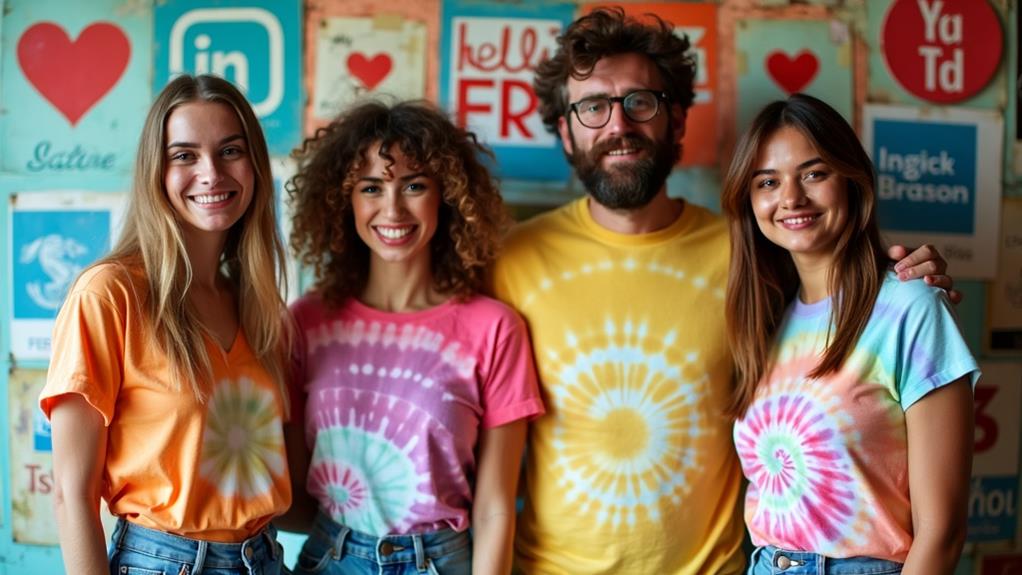
As tie-dye evolved from its countercultural roots to a mainstream fashion trend, its resurgence in the 2020s owes a great deal to the influence of social media. Platforms like Instagram and Pinterest have been instrumental, with searches for tie-dye at home skyrocketing by 462% during the COVID-19 pandemic. Notably, the rise of DIY tie-dye tutorials on YouTube has sparked a remarkable 5,000% increase in Google searches for tie-dye loungewear since 2019.
Influencers and brands have harnessed social media to showcase vibrant tie-dye designs, promoting individuality and personal expression. This visibility has catapulted tie-dye from a niche craft to a mainstream phenomenon, even gracing the runways and fashion collections highlighted by trendsetters like Vogue.
Social media engagement has also fostered a sense of community through shared DIY tie-dye projects. During isolating times, these shared activities have provided a comforting, creative outlet. Platforms like Instagram and Pinterest have not only revived interest in tie-dye but also transformed it into a symbol of modern self-expression and connectedness. Social media has redefined tie-dye, making it more accessible and popular than ever.
Nostalgia and Mental Health
Engaging in tie-dye isn't merely about creating art; it's about accessing a powerful source of nostalgia that can bolster your mental health. Research by Dr. Clay Routledge indicates that reminiscing about the carefree spirit of the 1960s can elevate your energy and mood. In today's world, particularly during challenging times like the COVID-19 pandemic, tie-dye acts as a creative outlet that offers stress relief and a sense of accomplishment.
Nostalgia's Positive Effects
Amidst the colorful swirls of tie-dye, nostalgia blooms, significantly impacting our mental health. Engaging with nostalgic elements like tie-dye taps into a reservoir of joyful memories. These vibrant patterns often evoke the carefree spirit of the 1960s and 70s, reminding us of social freedom and lively community life. Such memories can improve mood and contribute positively to mental well-being, especially during challenging times.
Dr. Clay Routledge emphasizes that nostalgia can energize us, offering a joyful distraction from stress and uncertainty. The resurgence of tie-dye during the pandemic isn't just a fashion trend; it reflects a collective yearning for a more vibrant, individualistic past. Wearing or creating tie-dye connects us to a broader community, fostering a sense of belonging essential for mental health.
Moreover, DIY tie-dye projects offer therapeutic creative expression. Channeling emotions into a tangible, vibrant piece of art allows for constructive emotional processing. This blend of nostalgia and creativity serves as a powerful tool for enhancing mental well-being.
Creative Stress Relief
Engaging in tie-dye projects provides a creative outlet that offers significant stress relief and promotes emotional well-being, especially during challenging times like the COVID-19 pandemic. Immersing yourself in the vibrant world of tie-dye allows you to tap into your creativity, which can elevate your mood. The bright, colorful patterns evoke feelings of happiness and positivity, serving as powerful mood enhancers and injecting joy into uncertain moments.
Nostalgia is a key factor in tie-dye's appeal. The patterns and techniques often recall the carefree spirit of the 1960s, connecting you to a simpler, more relaxed time. This sense of nostalgia can improve emotional well-being, offering comfort and a sense of continuity. According to Dr. Clay Routledge, nostalgia can invigorate you, making tie-dye an enjoyable and mentally revitalizing activity.
During periods of social distancing, many turned to DIY tie-dye projects to express their creativity. This act of creation is linked to improved mental health and emotional expression, particularly in times of isolation. Engaging in tie-dye can provide a therapeutic escape that fosters mental well-being.
Accessibility and Simplicity
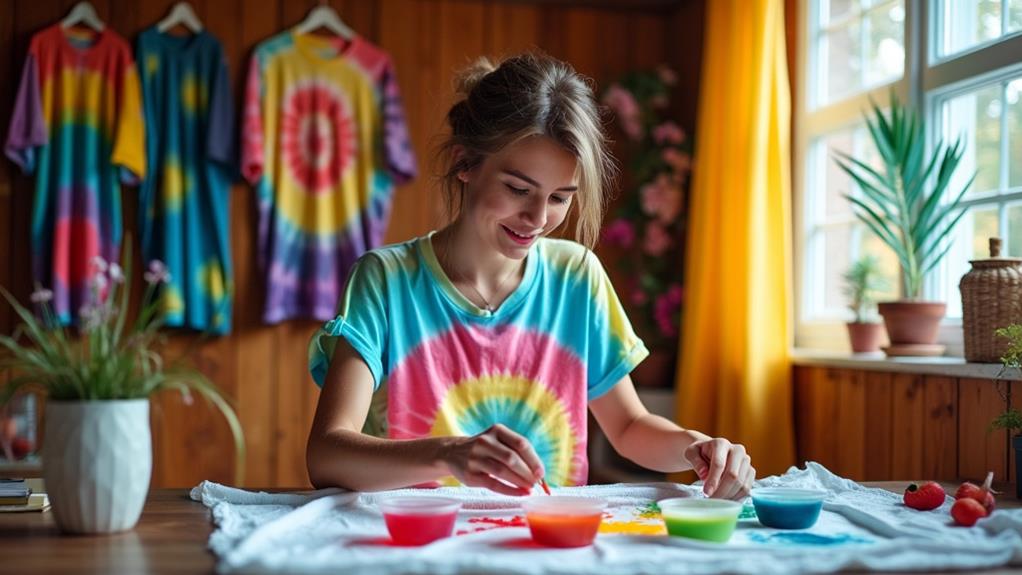
Tie-dye's lasting popularity stems from its accessibility and simplicity, making it a favored DIY project for decades. You don't need to spend much to start; basic materials like rubber bands and fabric dye suffice, keeping it affordable for anyone interested in a creative endeavor.
The simplicity of tie-dye techniques, such as the crumple and swirl methods, enables you to create striking, one-of-a-kind designs effortlessly. These methods invite experimentation, allowing your creativity to flourish.
During the COVID-19 pandemic, tie-dye emerged as a popular, budget-friendly alternative to fast fashion. It enabled many to upcycle and personalize their clothing, adding a unique touch to their wardrobes.
Online platforms like Pinterest and YouTube have further simplified the process. With numerous tutorials available, you can quickly learn the basics and find inspiration.
Additionally, tie-dye isn't limited to t-shirts. You can apply it to home decor and accessories, enhancing its accessibility and appeal.
- Minimal materials required
- Simple, easy-to-learn techniques
- Cost-effective alternative to fast fashion
- Abundant online tutorials
- Versatile application beyond clothing
Market Demand and Trends
Consumer interest in tie-dye experienced a significant resurgence during the pandemic, with Google searches for tie-dye loungewear increasing by 5,000% since 2019, particularly in March 2020 when global quarantines began. This surge in interest reflected a broader shift towards DIY craft projects, as people sought creative outlets while spending more time at home.
Businesses offering tie-dye kits and services saw notable growth, highlighting the increased market demand. Major brands and designers, such as Baked by Melissa and Vogue, expanded their product lines to include tie-dye, illustrating its acceptance as a mainstream fashion trend rather than a fleeting fad. The enduring appeal of tie-dye transcends temporary fashion trends, resonating with consumers looking for joy and individuality in their clothing choices.
Economic conditions and consumer spending habits also shape the demand for tie-dye. Its cost-effective nature makes it a fun, low-cost activity, ensuring its sustained popularity. As current fashion trends evolve, tie-dye's lively patterns offer an appealing blend of nostalgia and modernity, making it a staple in contemporary wardrobes. Embrace the colorful revival and express your individuality through the timeless art of tie-dye.
Sustainable Fashion Practices
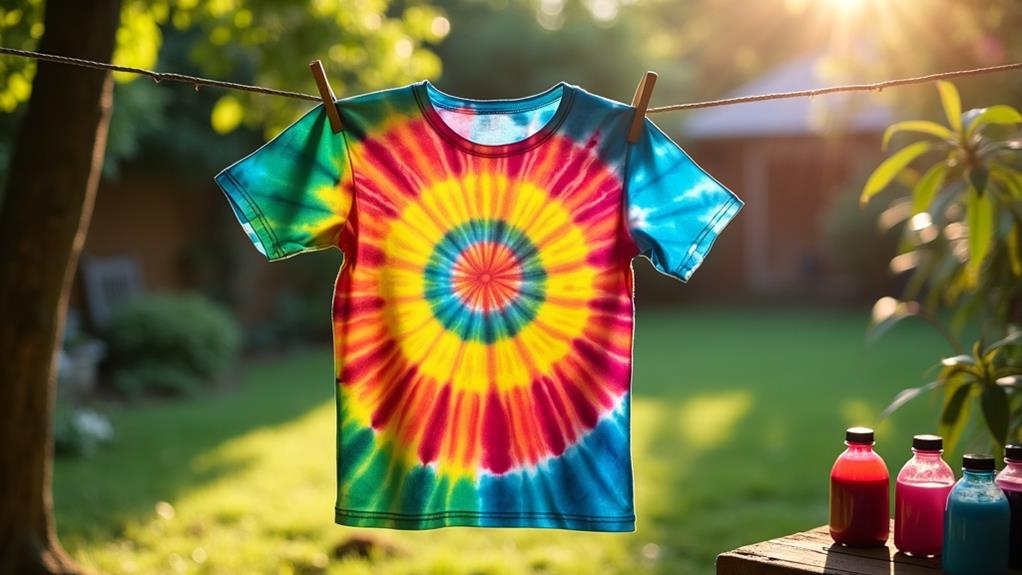
The growing popularity of tie-dye in recent years isn't just about vibrant colors and nostalgic patterns; it also aligns with the movement towards sustainable fashion practices. By adopting DIY tie-dye, you can repurpose old clothing, revitalize forgotten pieces, and reduce waste in the fashion industry. This hands-on approach to upcycling aligns perfectly with sustainable fashion principles, allowing you to create unique designs with minimal environmental impact.
DIY tie-dye kits have surged in popularity, offering budget-conscious consumers a way to craft their own vibrant attire while reducing their ecological footprint. These kits often include natural dyes, which are more environmentally friendly than synthetic alternatives. The accessibility of tie-dye means you need only minimal supplies, making it a cost-effective and sustainable alternative to fast fashion.
Here are compelling reasons to adopt tie-dye as part of your sustainable fashion experience:
- Reduces waste by repurposing old clothes
- Promotes the use of natural dyes
- Encourages individuality and personal expression
- Offers a budget-friendly alternative to fast fashion
- Provides a fun and creative DIY project
Future of Tie-Dye
Tie-dye has recently experienced a significant resurgence, driven by a combination of nostalgia and a desire for individuality in fashion. This revival aligns with a broader cultural shift towards personalized fashion, reminiscent of the 1960s counterculture movement. During the global pandemic, tie-dye's popularity skyrocketed, evidenced by a 5,000% increase in Google searches for tie-dye loungewear. This surge highlights tie-dye's appeal as a comforting and creative DIY activity embraced during isolation.
Looking ahead, the future of tie-dye in fashion appears promising. Brands are increasingly incorporating tie-dye into their collections, showcasing its versatility across various styles and items. This trend suggests that tie-dye will continue to influence fashion well beyond the pandemic. The sustained interest in tie-dye reflects broader societal themes of self-expression and creativity, ensuring its place in modern fashion.
Additionally, the accessibility and affordability of DIY tie-dye projects suggest that seasonal tie-dyeing could become a recurring activity for many. As an enjoyable and creative craft, tie-dye offers an easy way to express individuality, making it likely to maintain its popularity in the coming years.
Related posts