The Influence of Japanese Street Fashion: Harajuku and Beyond
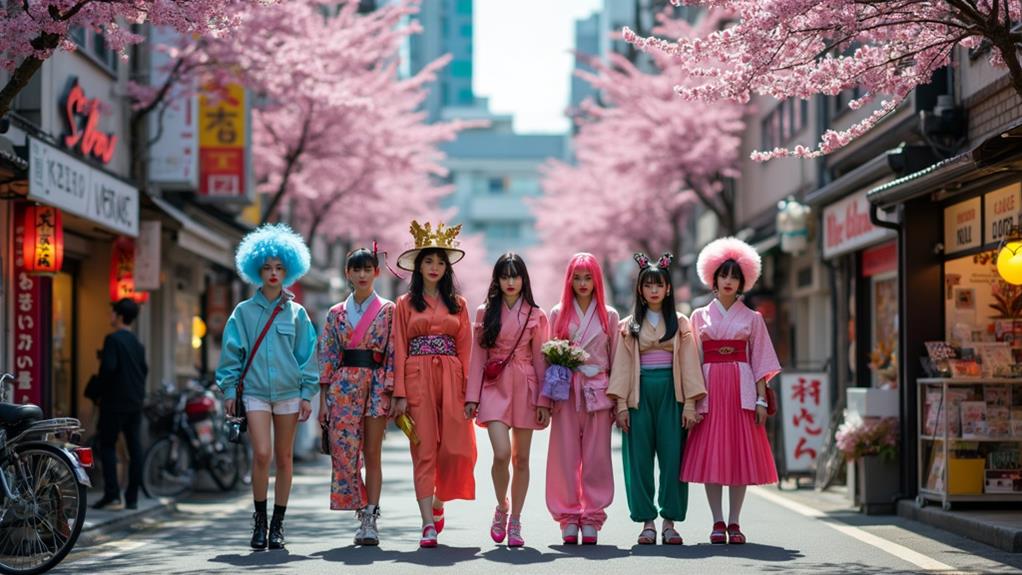
Japanese street fashion, particularly from Harajuku, epitomizes innovative and boundary-pushing style. Emerging in the 1980s as a vibrant counter-cultural movement, it is characterized by bold colors, intricate layering, and diverse substyles such as Lolita and Gyaru. This eclectic aesthetic has not only influenced local trends but has also inspired youth around the world to express their unique tastes. With social media amplifying its reach, Harajuku fashion is more influential than ever. But how did it evolve, and what does the future hold for this iconic style?
Origins of Harajuku Fashion
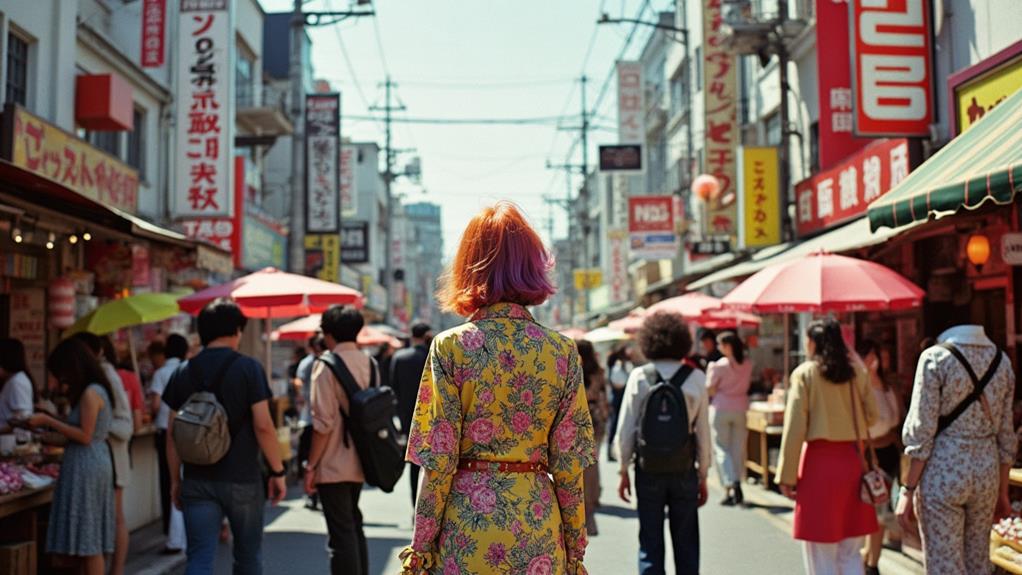
Harajuku fashion emerged in the 1980s as a vibrant counter-culture movement, challenging conventional fashion norms in Japan. By embracing eclectic styles and rejecting traditional Japanese fashion, it allowed young people to express their individuality. Japanese street culture played a significant role, with gatherings in Harajuku where youth showcased their creative outfits.
Harajuku fashion is characterized by bold colors, intricate layering techniques, and playful accessories. Various substyles have emerged, each with its unique aesthetic. Lolita, for instance, draws inspiration from Victorian fashion, emphasizing frilly dresses and modesty. Gyaru focuses on a glamorous, feminine look, often featuring heavy makeup and stylish hairdos. Decora is known for its maximalist approach, characterized by an abundance of colorful accessories.
The global influence of Harajuku fashion is significant. It has impacted international designers and trends, fostering a community that embraces unconventional fashion choices. This unique blend of individuality and creativity has made Harajuku fashion a lasting and influential force in the fashion world.
Cultural Significance
Exploring the cultural significance of Harajuku fashion reveals that it's more than just clothing—it's a rebellion against mainstream norms and an expression of individuality. This eclectic style, heavily influenced by Japanese pop culture, has had a global impact, inspiring designers and fashion enthusiasts worldwide. Events like Harajuku Fashion Walk showcase the community's creativity and foster a sense of unity among both local and international fans.
Rebellion Against Norms
Harajuku fashion emerged in the 1980s as a rebellion against mainstream norms, embracing eclectic styles to defy societal expectations. This movement became a powerful form of self-expression for young people, rejecting traditional Japanese fashion in favor of unique aesthetics that resonated with their identities. Influenced by Japanese pop culture, including anime and J-pop, these styles often featured colorful outfits that boldly resisted conformity.
The diverse substyles, such as Lolita and Gyaru, exemplify how individuals used clothing to challenge norms. Each outfit was a statement, breaking away from rigid societal expectations and celebrating uniqueness. This rebellion wasn't confined to Japan; as a cultural export, Harajuku fashion inspired people worldwide to embrace unconventional fashion choices.
Self-Expression and Creativity
Amid the lively streets of Tokyo, Japanese street fashion serves as a powerful form of self-expression and creativity. Emerging in the 1980s as a rebellion against mainstream fashion norms, Harajuku has evolved into a vibrant hub where individuality thrives. Here, you can witness a diverse array of styles, from the frills and lace of Lolita fashion to the playful and colorful Decora. These substyles provide a canvas for personal expression, encouraging fashion enthusiasts to craft their unique identities through bold outfits.
Harajuku fashion goes beyond clothing, celebrating various subcultures. Influences from punk, goth, and other styles contribute to the rich tapestry that defines the area. This diversity fosters a strong sense of community, where individuals gather to share their creative expressions.
Social media platforms like Instagram and YouTube amplify this self-expression, connecting enthusiasts with a global audience. Through these channels, individuals can share their eclectic styles and draw inspiration from others, creating a dynamic exchange of ideas. Events like the Harajuku Fashion Walk further strengthen this sense of community, offering a platform to celebrate and support local designers and artists.
Global Cultural Influence
Japanese street fashion has significantly impacted global cultural trends, emphasizing individuality and creativity in personal style. Originating in the 1980s as a rebellion against mainstream norms, Harajuku fashion has influenced global streetwear with its unique and eclectic styles that celebrate personal expression.
| Aspect | Details |
|---|---|
| Key Figures | Kyary Pamyu Pamyu, Yohji Yamamoto |
| Subcultures | Lolita, Gyaru |
| Platforms | Instagram, YouTube |
| Events | Harajuku Fashion Walk |
Iconic figures like Kyary Pamyu Pamyu and designers such as Yohji Yamamoto have shaped global perceptions of Japanese street fashion, inspiring trends worldwide. Harajuku's eclectic styles, including subcultures like Lolita and Gyaru, have broadened the acceptance of unconventional fashion, fostering diversity in personal expression.
Social media platforms, especially Instagram and YouTube, have amplified Harajuku fashion's global reach, connecting fashion enthusiasts and fostering an international community. Events like the Harajuku Fashion Walk celebrate and promote local designers, enhancing cultural exchange and showcasing the rich tapestry of Japanese street fashion on a global stage. Through these channels, Japanese street fashion continues to influence and inspire, advocating individuality and creativity worldwide.
Key Harajuku Characteristics
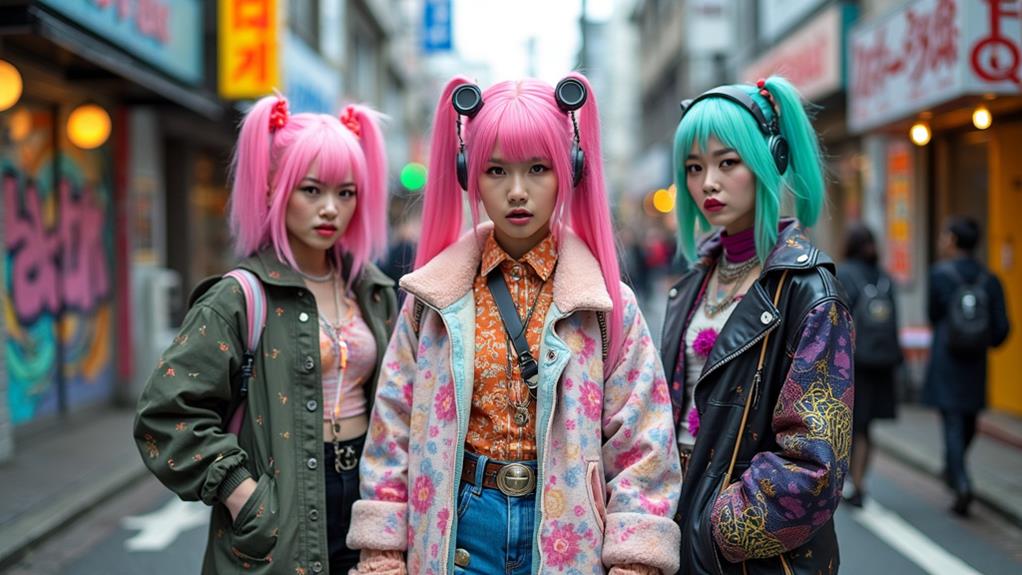
Harajuku fashion is an unmistakable explosion of bold colors and eclectic mix-and-match aesthetics. This streetwear phenomenon thrives on individuality and creativity, showcasing a distinctive blend of cultural influences that make each outfit a unique expression of self. Hallmarks of Harajuku fashion include layering techniques, unconventional silhouettes, and playful accessories, where more is always more. Often, you'll see outfits inspired by anime, with characters and themes seamlessly woven into the street style.
Acting as a canvas for self-expression, Harajuku fashion encourages mixing diverse elements to create a look that's entirely personal. The aesthetic is eclectic, drawing significantly from Japanese pop culture, particularly the vibrant worlds of J-pop and anime. Each piece you wear tells a story, contributing to the broader narrative of Harajuku's unique style.
This fashion movement is more than just clothing; it's a statement of boldness and creativity. Harajuku serves as a global beacon for self-expression, influencing fashion trends worldwide and fostering acceptance of unconventional fashion choices. It celebrates individuality, inviting you to break free from the norm and embrace your unique style.
Popular Substyles
Exploring Harajuku fashion reveals a vibrant array of popular substyles, each with its distinct characteristics. Lolita fashion features Victorian-inspired dresses that emphasize modesty and elegance. Gyaru is known for its glamorous outfits, bold makeup, and tanned skin, drawing from Western glam culture. Decora embraces maximalism with an overload of colorful accessories and layered clothing, creating a playful and whimsical look. Gothic Lolita merges dark fashion with Victorian elements, utilizing corsets, lace, and dark colors for a dramatic effect. Visual Kei, heavily influenced by music genres like punk and glam rock, features elaborate hairstyles and theatrical attire. Fairy Kei incorporates pastel colors and nostalgic elements from the 80s and 90s, often showcasing frilly skirts and stuffed animal accessories for a dreamy, whimsical appearance.
Here's a quick summary of these substyles:
| Substyle | Key Features | Influences |
|---|---|---|
| Lolita | Victorian-inspired, modest dresses | Victorian fashion |
| Gyaru | Glamorous outfits, bold makeup, tanned skin | Western glam culture |
| Decora | Maximalism, colorful accessories, layers | Playful, fanciful themes |
| Gothic Lolita | Dark fashion, corsets, lace | Victorian and goth aesthetics |
| Visual Kei | Elaborate hairstyles, theatrical clothing | Punk and glam rock music |
| Fairy Kei | Pastel colors, frilly skirts, nostalgic | 80s and 90s pop culture |
Harajuku's dynamic fashion scene offers a unique blend of diverse influences, creating a lively cultural phenomenon that caters to a wide range of tastes and styles.
Japanese Pop Culture Impact

In the bustling streets of Harajuku, Japanese pop culture significantly influences fashion trends. Anime and manga inspire vibrant outfits, mirroring the aesthetics and narratives of beloved characters. Harajuku fashion thrives on this visual language with bold graphics and playful designs, fostering creativity and individuality in every ensemble.
Artists like Kyary Pamyu Pamyu blend music with fashion, encapsulating the whimsical essence of Japanese pop culture. Her influence extends globally, popularizing distinctive Harajuku styles. Events such as Anime Expo and Tokyo Fashion Week highlight this cultural exchange, showcasing collaborations between artists and designers. These events celebrate not just fashion but the rich tapestry of Japanese pop culture that underpins it.
Social media platforms amplify this influence, enabling fashion enthusiasts worldwide to engage with and adopt Harajuku styles, creating a dynamic global community. Substyles like Gyaru and Decora emphasize individuality, making each outfit a personal expression of creativity. The fusion of Japanese pop culture with street fashion in Harajuku exemplifies the power of cultural exchange and the growing global community it fosters.
Global Fashion Influence
The vibrant fusion of Japanese pop culture and street fashion in Harajuku has made a significant impact on the global fashion scene. Harajuku fashion, characterized by its lively colors and intricate layering, has become a major influence on Japanese streetwear trends worldwide. Social media platforms like Instagram and TikTok have played a crucial role in this global reach, with hashtags like #Harajukufashion showcasing the community's creativity and diversity.
International brands such as Comme des Garçons and A Bathing Ape have embraced Harajuku fashion, merging traditional Japanese aesthetics with modern streetwear. This cultural exchange allows fashion enthusiasts from various backgrounds to connect and celebrate individuality and self-expression. Events like Harajuku Fashion Walk further promote this exchange, drawing global attention and fostering international connections.
Harajuku fashion continues to challenge conventional norms, encouraging more unconventional fashion choices. This movement resonates strongly with younger generations, fueling a global trend in contemporary street fashion.
| Brand | Influence | Platform |
|---|---|---|
| Comme des Garçons | Merges traditional and contemporary styles | Global |
| A Bathing Ape | Incorporates Harajuku elements | International |
| Social Media | Expands visibility | Instagram, TikTok |
In this dynamic landscape, the influence of Japanese streetwear is both undeniable and ever-growing.
Notable Icons and Influencers

When discussing Japanese street fashion, the global influence of icons like Kyary Pamyu Pamyu and Yohji Yamamoto is undeniable. Social media influencers further magnify this impact by sharing their distinctive styles worldwide, often using hashtags like #Harajukufashion. Events such as the Harajuku Fashion Walk unite enthusiasts, celebrating the community's creativity and diversity.
Global Fashion Impact
Japanese street fashion has made a significant global impact, largely thanks to prominent icons and influencers. Figures like Kyary Pamyu Pamyu and Yohji Yamamoto have transformed Harajuku into a symbol of Japanese streetwear, influencing global fashion with their distinct styles. Brands such as A Bathing Ape and Comme des Garçons have gained international acclaim, highlighting the vibrant cultural influences of Japanese youth. Fashion enthusiasts worldwide have embraced these brands, integrating them into both everyday streetwear and high fashion.
Events like Harajuku Fashion Walk and Harajuku Kawaii Market enable local designers to connect with a broader audience, fostering community and enhancing the global visibility of Japanese street fashion. These events help disseminate Japan's creative fashion scene beyond its borders, solidifying its status as a global phenomenon.
Social media platforms such as Instagram and YouTube are crucial in this spread, with hashtags like #Harajukufashion drawing attention to the latest trends. The rise of fashion influencers and street style bloggers contributes to a more diverse representation of creativity in global fashion. Thanks to these efforts, Harajuku's influence continues to grow, inspiring fashion enthusiasts worldwide.
Social Media Presence
In the current technological era, social media platforms like Instagram and YouTube are indispensable for showcasing Harajuku fashion to a global audience. Influencers use hashtags like #Harajukufashion to spotlight their unique styles, connecting with enthusiasts worldwide. Fashion icons like Kyary Pamyu Pamyu play a crucial role in shaping trends within the Harajuku community. Her lively and eclectic looks highlight the cultural significance of Japanese street fashion, influencing styles both locally and internationally.
These platforms help build a sense of community among Harajuku fashion aficionados. Influencers often collaborate with brands, enhancing visibility for local designers while staying true to their personal style. This dynamic interaction elevates the authenticity and appeal of Harajuku fashion, encouraging more people to participate and share their interpretations.
Additionally, the rise of platforms like TikTok has introduced a new generation of influencers. These digital natives creatively experiment with Harajuku fashion, further expanding its global presence and appeal. Social media not only amplifies voices but also fosters a vibrant community united by their love for the unique and culturally significant styles of Japanese street fashion.
Community and Events
Harajuku's vibrant fashion community thrives on the creativity and individuality of its members, with notable icons and influencers like Kyary Pamyu Pamyu and Yohji Yamamoto leading the way. These figures play crucial roles in shaping global perceptions of Japanese street fashion, inspiring trends with their unique styles and artistic expressions. The community extends beyond fashion, creating and sharing a distinct cultural identity.
Social media platforms, particularly Instagram and YouTube, are essential for showcasing personal styles and uncovering trends. Hashtags like #Harajukufashion help connect with the community, facilitating engagement with other fashion enthusiasts. Events such as the Harajuku Fashion Walk and Harajuku Kawaii Market foster a sense of belonging, providing platforms for local designers and artists to display their work.
| Event | Purpose | Key Participants |
|---|---|---|
| Harajuku Fashion Walk | Showcase personal style and trends | Fashion enthusiasts |
| Harajuku Kawaii Market | Support local designers and artists | Local designers, artists |
| Brand Collaborations | Create limited-edition, exclusive pieces | Influencers, brands |
These events and collaborations emphasize community engagement, creativity, and individuality, encouraging expression through bold and unconventional outfit combinations. Influencers often collaborate with brands, creating exclusive pieces that amplify their appeal and promote a unique cultural experience within the Harajuku fashion scene.
Social Media and Community
Harajuku fashion enthusiasts have revolutionized the way personal styles and trends are shared through platforms like Instagram and YouTube. Social media has become indispensable for community engagement, enabling fashion lovers to connect and celebrate their unique styles. By using hashtags such as #Harajukufashion, you can increase your outfit's visibility, joining a dynamic global community of like-minded individuals.
- Trend Exploration: Discover the latest styles and emerging trends through curated feeds and influencer posts.
- Community Engagement: Engage in discussions and share your unique outfits, fostering a sense of belonging.
- Influencers: Follow icons like Kyary Pamyu Pamyu who shape the global perception of Harajuku fashion.
- Online Communities: Participate in forums and groups dedicated to Harajuku fashion, exchanging ideas and inspiration.
Influencers play a pivotal role in this ecosystem, inspiring trends and broadening the reach of Harajuku fashion. Online communities and forums offer spaces for in-depth discussions, helping you stay updated on emerging trends and brand loyalty. By leveraging these platforms, you can actively engage in the ever-evolving world of Harajuku fashion, connecting with a diverse array of fashion enthusiasts worldwide.
Events and Celebrations
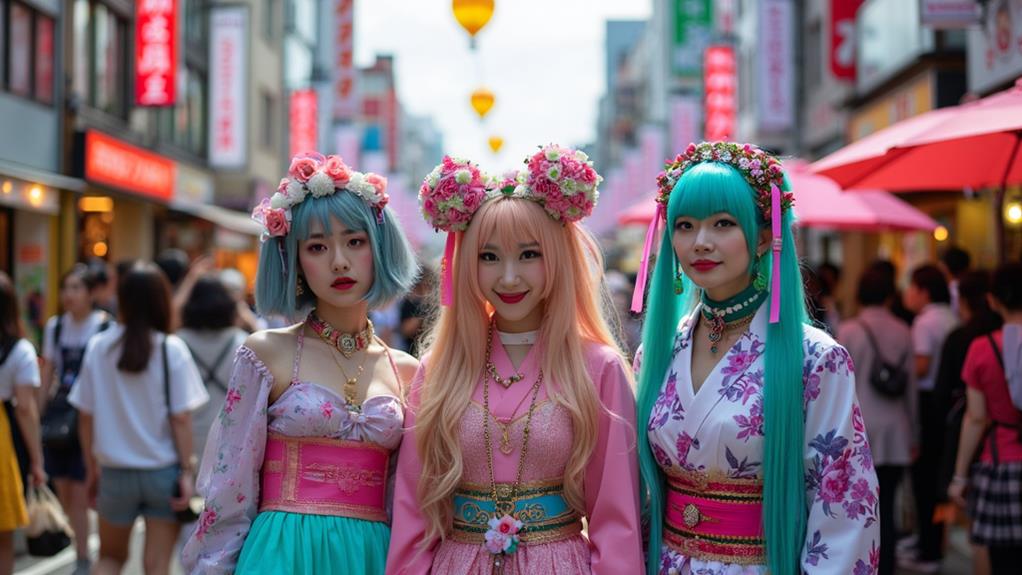
Japanese street fashion events and celebrations unite the community in vibrant and innovative ways. Iconic events such as the Harajuku Fashion Walk, community-driven festivals, and designer collaborations showcase unique styles and current trends. These gatherings provide a dynamic platform for exhibiting fashion, encouraging collaboration, and celebrating cultural influences.
Iconic Fashion Walks
The Harajuku Fashion Walk is a vibrant monthly gathering where fashion enthusiasts from diverse backgrounds come together to showcase their unique styles and celebrate the colorful world of Harajuku culture. You'll encounter various substyles, including Lolita, Gyaru, and Decora, each highlighting the diversity and creativity of Japanese street fashion. This event is more than just about the clothes; it's about the community. By participating, you connect with locals and international visitors, share inspiration, and promote self-expression.
- Substyles Galore: Experience an array of styles from Lolita to Gyaru and everything in between.
- Community Spirit: Engage with fashion lovers, both local and global, fostering a sense of unity and belonging.
- Local Designers: Discover unique, handmade items from talented local designers at the Harajuku Kawaii Market.
- Cultural Significance: Partake in an event that upholds the rich cultural heritage of Harajuku fashion.
These iconic fashion walks are essential in preserving the cultural significance of Harajuku. They encourage collaboration, creativity, and vibrant expressions of individuality. If you want to immerse yourself in the heart of Japanese street fashion, the Harajuku Fashion Walk is the place to be.
Community-Driven Festivals
Imagine a vibrant street brimming with vivid colors, eclectic outfits, and the infectious energy of people celebrating their love for fashion. This is the scene at community-driven festivals in Harajuku, such as the Harajuku Fashion Walk and Harajuku Kawaii Market. These events capture the essence of Japanese street fashion, bringing together enthusiasts, local designers, and artists in a festive atmosphere.
These festivals are not just gatherings; they are fashion showcases with interactive activities that encourage self-expression. The Harajuku Fashion Walk, held regularly, attracts hundreds dressed in their most creative outfits, fostering a strong sense of community and collaboration. You'll see everything from bold, avant-garde designs to cute, kawaii styles, with each outfit reflecting individual creativity.
At the Kawaii Market, the celebration extends beyond fashion to include Japanese pop culture, art, music, and crafts. It is a holistic event that spotlights local designers and their unique creations. Social media amplifies these events, with attendees sharing their experiences and outfits using hashtags like #Harajukufashion, spreading the influence of Japanese street fashion globally. These festivals are a dynamic showcase of the creativity and community spirit that define Harajuku.
Designer Collaborations Highlights
Designer collaborations in Harajuku form the core of its vibrant fashion scene, often presenting limited edition releases that generate significant buzz among enthusiasts. These collaborations drive excitement and exclusivity, making them essential for fashion lovers to follow. Events such as the Harajuku Kawaii Market and Harajuku Fashion Walk provide platforms for local designers to showcase their collaborative collections, fostering community connections and enhancing visibility.
- A Bathing Ape: Renowned for frequent partnerships with artists and musicians, boosting their brand appeal.
- Undercover: This influential brand engages in cross-cultural exchanges through unique fashion collaborations.
- Social Media Impact: Hashtags like #HarajukuFashion and #TokyoStreetwear extend the reach and engagement of these events.
- Colorful Cultural Events: These celebrations often include performance art, live music, and interactive experiences.
Social media has amplified the influence of these designer collaborations, enabling a global audience to engage with Harajuku's distinctive fashion events. The celebrations around these partnerships transcend traditional fashion shows, becoming colorful cultural events that embody the dynamic nature of Japanese street fashion. Whether it's A Bathing Ape's artistic collaborations or Undercover's cultural exchanges, these partnerships continue to shape and inspire the fashion world.
Future Trends and Contrasts
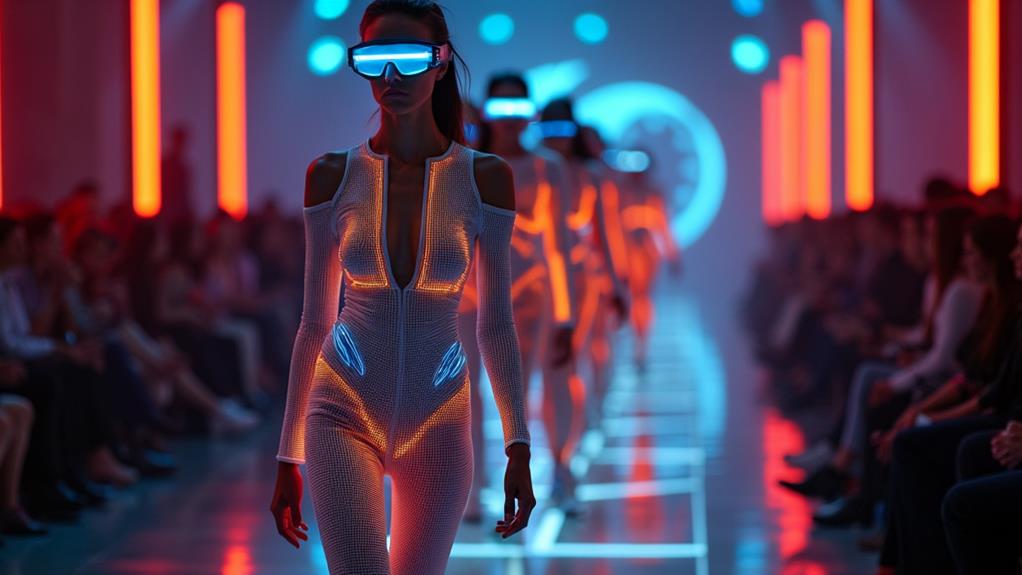
As Japanese street fashion evolves, expect a significant focus on sustainability and ethical practices. Designers will increasingly prioritize eco-friendly materials and production techniques, ensuring that your style choices reflect a commitment to the planet. Additionally, the incorporation of technology in fashion design will rise, with AI-driven customization and 3D manufacturing enhancing creativity and efficiency. Harajuku style will continue to blend global influences, evolving to reflect diverse cultural inspirations while maintaining its unique identity.
The contrast between the bold, eclectic nature of Harajuku streetwear and the elegance of traditional Japanese fashion, such as kimonos, will highlight an ongoing dialogue between contemporary aesthetics and historical craftsmanship. This interplay will provide a rich tapestry of styles for you to explore and enjoy.
Virtual fashion communities and events are emerging, indicating a shift towards digital platforms where fashion enthusiasts can share and celebrate their styles. These digital spaces will further influence trends and allow for a more interactive and dynamic fashion scene. As you navigate these changes, you'll find that Japanese street fashion continues to push boundaries, merging the past with the future in creative and exciting ways.