The Influence of Hip Hop on Fashion: From Oversized Clothes to Bling
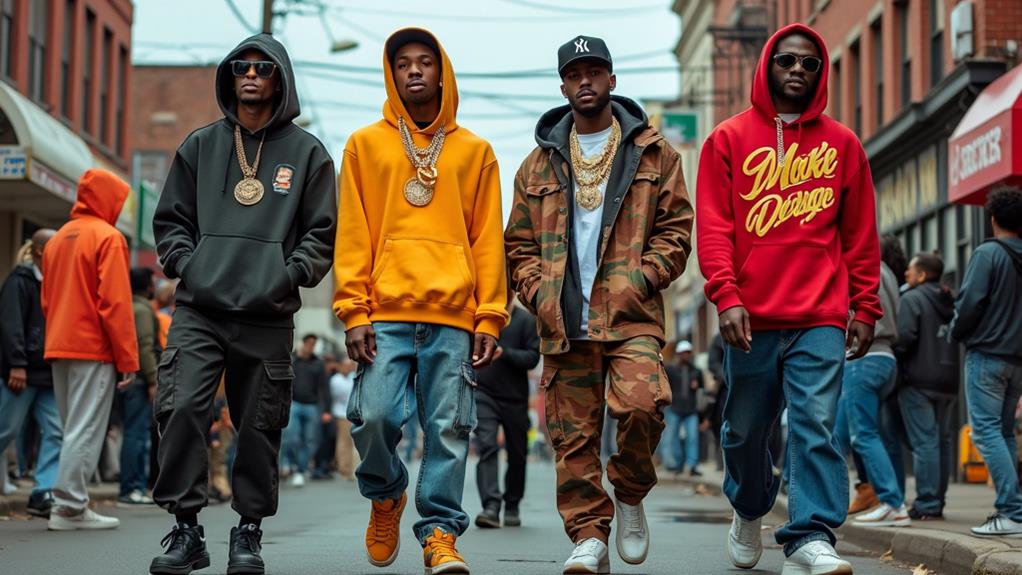
When considering hip-hop's impact on fashion, the oversized clothes and colorful tracksuits of the late 1970s often come to mind. However, this influence has evolved significantly over the decades. Dapper Dan's innovative fusion of luxury and streetwear redefined how high-end brands were perceived within the hip-hop community. From baggy jeans and snapback hats to the extravagant bling of the late 1990s, hip-hop fashion has consistently blended practicality with opulence. These trends have not only shaped the broader fashion landscape but also blurred the lines between street style and luxury, demonstrating hip-hop's enduring influence on global fashion.
Origins and Early Influences
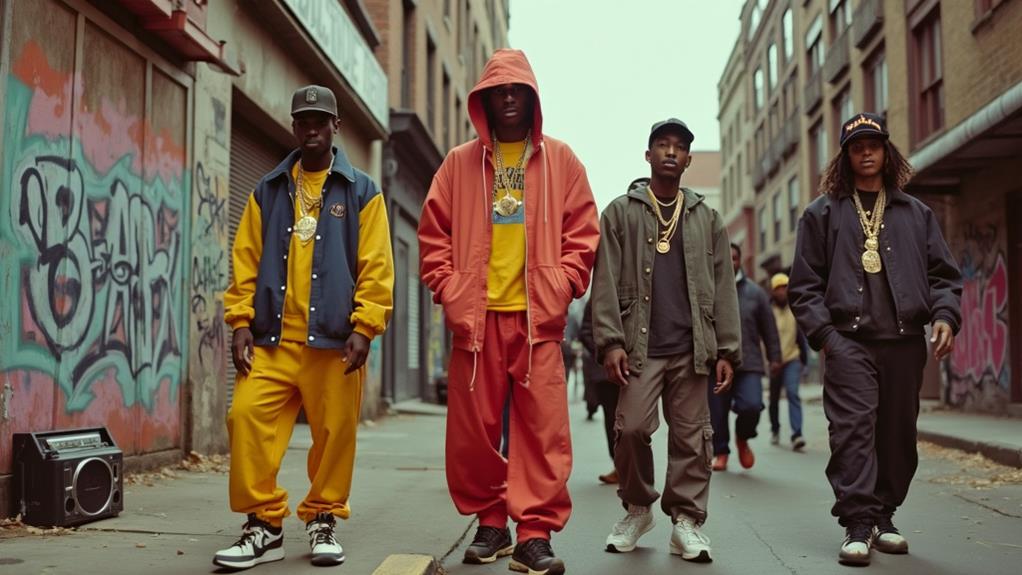
Hip-hop fashion, emerging in the late 1970s in the Bronx, was deeply influenced by the street culture of African-American and Latino communities, emphasizing practicality and self-expression. Early styles prominently featured oversized clothing, such as colorful tracksuits, baggy T-shirts, and sneakers from brands like Adidas and Pro-Keds. These elements quickly became iconic, reflecting the street culture and individuality of its followers.
In the 1980s, Dapper Dan revolutionized hip-hop fashion by blending high-end luxury brands like Gucci and Louis Vuitton with streetwear. His unique designs made luxury accessible and relevant to hip-hop culture. Accessories also played a crucial role; large eyeglasses, bucket hats, and heavy gold jewelry emerged as significant symbols of prestige and individuality.
Gangsta Rap and Street Style
Gangsta rap, championed by groups like N.W.A in the late 1980s and early 1990s, significantly shaped street style. Baggy jeans, white tees, and snapback hats emerged as symbols of rebellion and authenticity, reflecting the gritty urban culture that gangsta rap vocalized.
Sports culture seamlessly merged with street fashion, with Starter jackets becoming prominent status symbols. Leather jackets and gold chains, staples in the gangsta rap wardrobe, attracted the attention of high fashion designers like Isaac Mizrahi and brands like Chanel, who incorporated these elements into their collections.
Bling Culture and Luxury Trends

The late 1990s marked a transformative period in hip-hop fashion with the advent of bling culture. Diamond-encrusted jewelry and extravagant gold chains emerged as definitive symbols of wealth and status among hip-hop artists. Luxury brands such as Gucci and Versace gained significant traction within the hip-hop community, frequently featured in music videos and donned by artists like Diddy and Missy Elliott to showcase their success.
During this era, the transition from gold to platinum jewelry signaled a shift towards even more lavish styles. Hip-hop stars embraced luxury brands, turning them into markers of status, thereby influencing not only their fans but also the broader fashion landscape.
Here's how bling culture and luxury trends reshaped the fashion scene:
- Diamond-Encrusted Jewelry: Hip-hop artists made flashy, diamond-encrusted pieces a hallmark of success.
- Luxury Brands: Gucci and Versace became integral to hip-hop fashion, embodying wealth and achievement.
- Status Symbols: Sporting these luxury items indicated not just fashion sense but a certain level of accomplishment within the hip-hop community.
- Influence of Icons: Trendsetters like Diddy and Missy Elliott set fashions that designers couldn't overlook, incorporating hip-hop elements into high fashion.
Embrace bling culture to understand how it has redefined luxury and status in the fashion world.
Gender Representation in Fashion
When examining gender representation in hip-hop fashion, the transformative influence of female artists like Missy Elliott and Nicki Minaj is undeniable. These icons promote empowerment while navigating pressures to conform to specific images of femininity and sexuality. Their bold fashion choices challenge traditional gender norms and celebrate individuality, paving the way for diverse expressions of identity in hip-hop culture.
Male artists like Kid Cudi and A$AP Rocky are also breaking boundaries by adopting androgynous styles and blurring the lines between masculinity and femininity. This shift towards gender-fluid fashion fosters inclusivity, allowing individuals to showcase their unique style without adhering to binary gender norms. Hip-hop fashion's roots in African-American and Latino communities emphasize personal identity and cultural pride, making clothing choices a powerful form of self-expression for all genders.
Contemporary hip-hop culture celebrates diversity in fashion, promoting an environment where inclusivity and self-expression thrive. This challenges the rigid standards of traditional fashion industries, empowering individuals to embrace their individuality and showcase their identity through clothing. Hip-hop's influence on fashion continues to evolve, reflecting a broader commitment to empowerment and diversity.
Economic Implications and Criticism
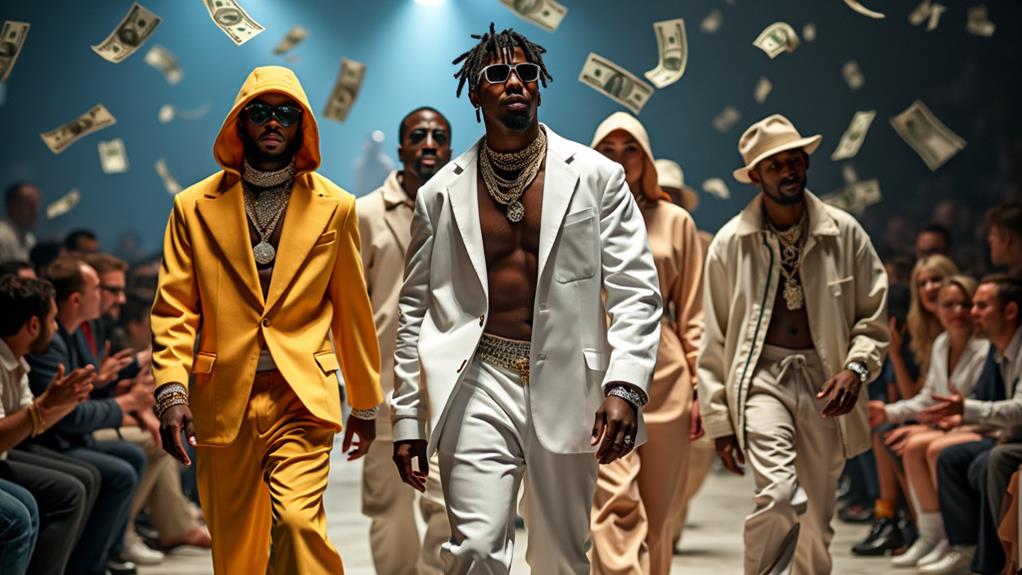
Commercialization has significantly shaped hip-hop fashion, leading to lucrative partnerships and a rise in luxury brand endorsements. Notable collaborations, such as Kanye West and Adidas, have generated billions and redefined market dynamics. However, this commercialization introduces both economic pressures and criticism.
Key Points:
- Economic Pressures: Hip-hop artists often feel obliged to adhere to high-fashion standards, which can overshadow genuine cultural expressions in favor of a luxurious image.
- Materialism: The emphasis on materialism, exemplified by diamond-encrusted jewelry and luxury cars, frequently eclipses the cultural and artistic foundations of hip-hop.
- Consumer Demand: Luxury brands such as Gucci and Louis Vuitton have leveraged hip-hop's influence, significantly boosting their visibility and consumer demand among younger demographics.
- Societal Norms and Risks: High-profile robberies of hip-hop artists in the late 1990s underscored the dangers of flaunting wealth, igniting discussions about crime and economic inequality.
While the rise of 'bling culture' has benefited luxury brands, it also prompts questions about societal values and the authentic essence of hip-hop fashion. Balancing commercialization with preserving the genuine cultural expressions that define hip-hop is crucial.
Related posts