The Harem Pant Craze of the 1910s
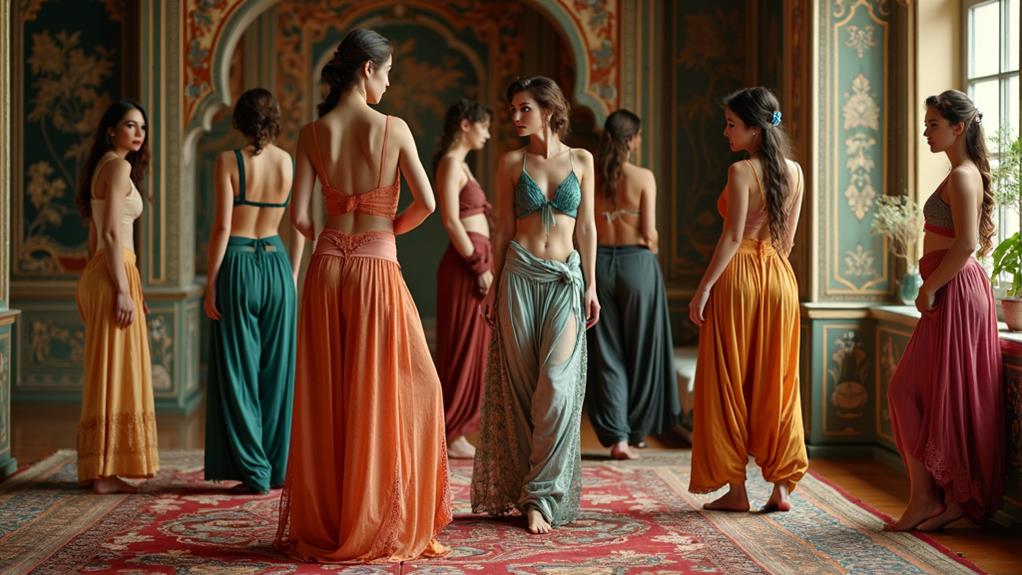
Imagine stepping into the world of early 1910s fashion, where corsets and restrictive skirts dominate women's wardrobes. Enter Paul Poiret, a daring designer who disrupts this norm by introducing harem pants. Unveiled at his opulent "1002 Nights" ball, these billowy trousers quickly captivate the Parisian elite. They symbolize modernity and independence but also spark debates on cultural appropriation. How did these pants, merging Eastern and Western styles, revolutionize women's fashion? Let's explore the ripple effects of this bold fashion statement.
Origins of Harem Pants
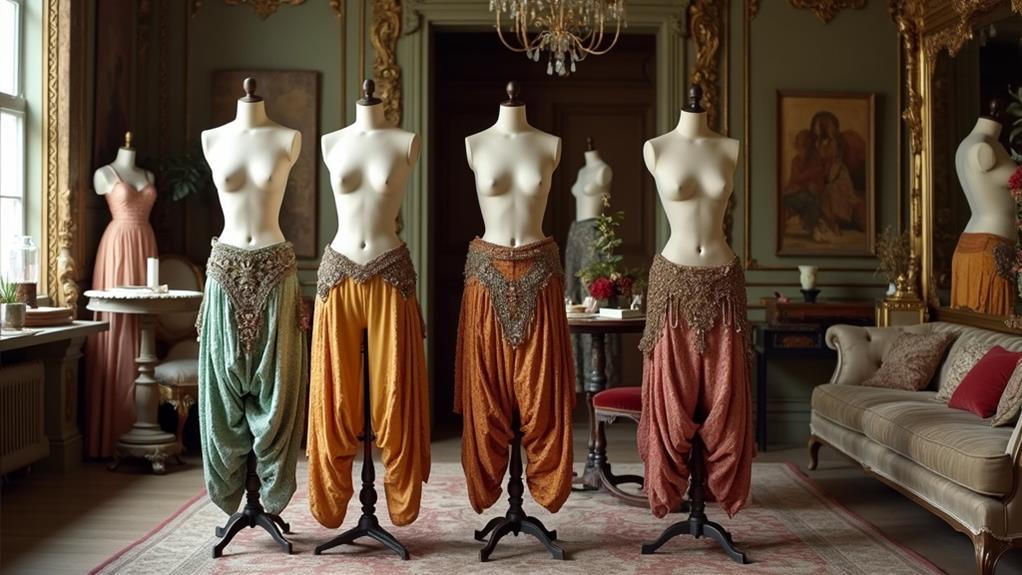
Harem pants, known for their loose fit and gathered ankles, originated in ancient Persia around 2,000 years ago. Both men and women initially wore these comfortable and modest garments, which allowed for ease of movement in everyday activities.
During the Ottoman Empire, harem pants evolved beyond functional clothing to become a cultural symbol, reflecting the region's rich heritage and dynamic fashion sense. The design, characterized by fullness at the waist and tightness at the ankles, largely remained the same.
Harem pants entered Western fashion in 1911, thanks to designer Paul Poiret. Seeking to liberate women from restrictive clothing norms, Poiret introduced harem pants as an exotic alternative. High society women embraced this bold fashion statement, often pairing the pants with striking, exotic accessories, capturing the spirit of modernity and daring.
Eastern Influence on Fashion
The profound impact of Orientalism on Western fashion in the 1910s is exemplified by Paul Poiret's bold designs. By incorporating Middle Eastern elements like harem pants, Poiret challenged conventional norms and highlighted cultural and gender dynamics. His work symbolized a fascination with Eastern aesthetics and a shift towards more liberated, modern women's fashion.
Orientalism in Western Fashion
During the 1910s, Western fashion underwent a notable wave of Orientalism, spearheaded by designers like Paul Poiret who extensively drew inspiration from Eastern attire. Harem pants, in particular, emerged as a symbol of Western fascination with Eastern cultures, reflecting a desire for adventure and cultural exploration within Parisian high society. These garments, crafted from luxurious fabrics and featuring elaborate styling, captivated the fashion elite.
Poiret's extravagant "1002 Nights" fancy-dress ball epitomized the allure of the East, propelling harem pants to sensation status. They symbolized sensuality and freedom, standing in stark contrast to the restrictive corseted silhouettes prevalent among women at the time. However, this enthusiasm also ignited discussions about cultural appropriation, as these garments were often viewed through an exoticizing lens, overshadowing their traditional significance in Eastern cultures.
Key Points:
- Symbolism: Harem pants symbolized Western fascination with Eastern cultures.
- Fashion Revolution: They contrasted sharply with the restrictive women's fashion norms of the period.
- Cultural Appropriation: Their adoption raised discussions around cultural appropriation and the overshadowing of their traditional significance.
Paul Poiret's Bold Designs
Paul Poiret's Bold Designs
The allure of the East found a lasting champion in Paul Poiret. In 1911, Poiret introduced harem pants to Western fashion, inspired by Middle Eastern styles. He aimed to liberate women from restrictive clothing norms. His designs featured the jupe-culotte, a hybrid garment with full legs tied at the ankle, emphasizing comfort and elegance in stark contrast to the corsets and tight skirts of the time.
Poiret's collections didn't stop at harem pants; they included lavish accessories like jeweled turbans and Oriental slippers, enhancing the exotic appeal. These elements helped cement harem pants within Parisian high fashion. This introduction coincided with the rise of Orientalism in Europe, reflecting a fascination with Eastern cultures that captivated the Western fashion world.
Despite initial controversy and criticism for their exoticism, Poiret's harem pants made a bold statement. They represented modernity and freedom for women in the early 20th century. Through his innovative designs, Paul Poiret redefined women's fashion and solidified the enduring influence of Eastern aesthetics in Western style.
Cultural and Gender Dynamics
The introduction of harem pants to Western fashion in the 1910s marked a significant shift in cultural and gender dynamics. When Paul Poiret introduced these Eastern-inspired garments, he aimed to liberate Western women from restrictive clothing such as corsets and heavy skirts. The unique design of harem pants, with their full legs gathered at the ankles, challenged traditional gender norms and offered a refreshing change in Edwardian fashion.
Western women, particularly those in high society Paris, quickly adopted harem pants. They saw them as a symbol of modernity and a means to express their growing independence and femininity. The blend of Eastern exoticism with Western practicality was compelling. However, this fascination also sparked debates on cultural appropriation. While harem pants highlighted Western admiration for Eastern aesthetics, they also raised questions about exploitation and respect for cultural origins.
In summary, the rise of harem pants in the 1910s signified:
- A break from restrictive Edwardian clothing.
- An acceptance of Eastern exoticism by Western women.
- The beginning of cultural appropriation debates in fashion.
These developments underscored a crucial moment in the evolution of Western women's fashion.
Paul Poiret's Innovations
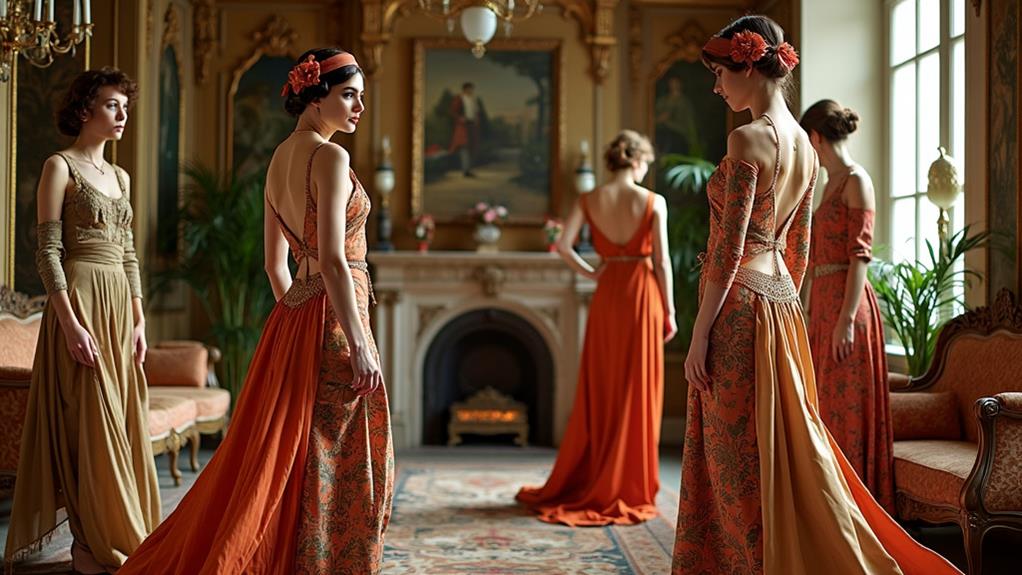
Paul Poiret's innovations in the 1910s, such as his introduction of harem pants, exemplify the fusion of Eastern inspirations with Western fashion. These designs captivated high society and played a pivotal role in the fashion liberation movement. Poiret's creations provided progressive women with both comfort and freedom, paving the way for a new era in style.
Poiret's Eastern Inspirations
In 1911, French designer Paul Poiret revolutionized the fashion world by introducing harem pants, aiming to liberate women from the restrictive corsets and confining skirts of the time. Inspired by Oriental styles, Poiret's designs reflected his fascination with Eastern aesthetics. The jupe-culotte, or harem pants, featured full legs tied at the ankle, marking a significant departure from traditional Western fashion.
Poiret's Eastern Inspirations are evident in several key aspects of his work:
- Exotic Themes: His designs often incorporated elements from Middle Eastern and Asian cultures, infusing Parisian high society with an air of exoticism.
- The 1002 Nights Ball: This extravagant event showcased harem pants paired with jeweled turbans, cementing their status as symbols of modernity and luxury.
- Challenging Norms: By introducing trousers for women, Poiret challenged Western dress conventions and opened new possibilities for female attire.
Despite initial controversy, harem pants became a fashion statement among progressive women. Poiret's vision extended beyond mere clothing; he sought to redefine femininity and freedom through his groundbreaking designs. His Eastern inspirations left an indelible mark on the fashion landscape of the 1910s.
Fashion Liberation Movement
How did Paul Poiret's groundbreaking designs ignite a fashion liberation movement in the 1910s? By introducing harem pants to Western fashion in 1911, Poiret directly challenged the restrictive clothing norms of the Edwardian period. His jupe-culotte allowed women to shed their cumbersome corsets and hobble skirts for a more comfortable and exotic look inspired by Middle Eastern aesthetics. These harem pants featured full legs gathered at the ankle, blending comfort with a striking visual flair.
Poiret's innovative approach didn't stop with comfort; it also sparked controversy. He boldly defied traditional gender norms, and his designs were criticized for their perceived exoticism and sexualization of women's fashion. Yet, this rebellion against sartorial constraints was a visual symbol of the broader societal shifts happening at the time, particularly the suffrage movement. Harem pants became a metaphor for fashion liberation, representing a push towards greater freedom and self-expression in women's attire.
Though initially popular at extravagant events, harem pants struggled to gain widespread acceptance in everyday fashion. They remained largely a statement piece within high society and artistic circles, marking a crucial moment in the progression towards fashion liberation.
High Society Adoption
In 1911, Paul Poiret introduced harem pants to high society, challenging the rigid norms of Edwardian fashion. By opposing the dominance of corsets and hobble skirts, Poiret sought to liberate women with his innovative designs. His jupe-culotte, characterized by full, billowy legs gathered at the ankle, captivated the imaginations of the Parisian elite. These harem pants symbolized modernity and boldness.
Poiret's presentation of harem pants included:
- Jeweled turbans - Adding an exotic touch.
- Oriental slippers - Enhancing the adventurous spirit.
- Dramatic silhouettes - Creating a striking visual impact.
Despite initial controversy and criticism for their exoticism and perceived sexualization, harem pants quickly became popular among progressive women. These women viewed the pants as a challenge to traditional gender norms in Western fashion. Poiret's innovations not only introduced a new garment but also reflected broader cultural shifts. By embracing Eastern aesthetics, high society women signaled their willingness to break away from conventional dress codes, paving the way for more adventurous styles in women's fashion.
High Society Adoption
In 1911, Parisian high society was captivated by harem pants introduced by designer Paul Poiret. These avant-garde garments aimed to liberate women from the constraints of traditional clothing, challenging the fashion norms of the period. Poiret's extravagant ball, "The 1002 Nights," showcased harem pants paired with lavish turbans and metallic fabrics, capturing the attention and imagination of Parisian elite women.
Progressive women, particularly those involved in the suffrage movement, embraced harem pants as symbols of departure from restrictive Victorian styles. These pants represented a shift toward modernity, aligning with the era's growing interest in Orientalism and exoticism. High society's fascination with harem pants extended beyond their style; they symbolized daring and modernity.
Despite their initial popularity, harem pants eventually faced criticism and skepticism. Many in high society reverted to more conventional styles for everyday fashion. However, for a brief period, harem pants epitomized cutting-edge fashion, challenging norms and offering a glimpse into a more liberated future.
Dance and Artistic Circles
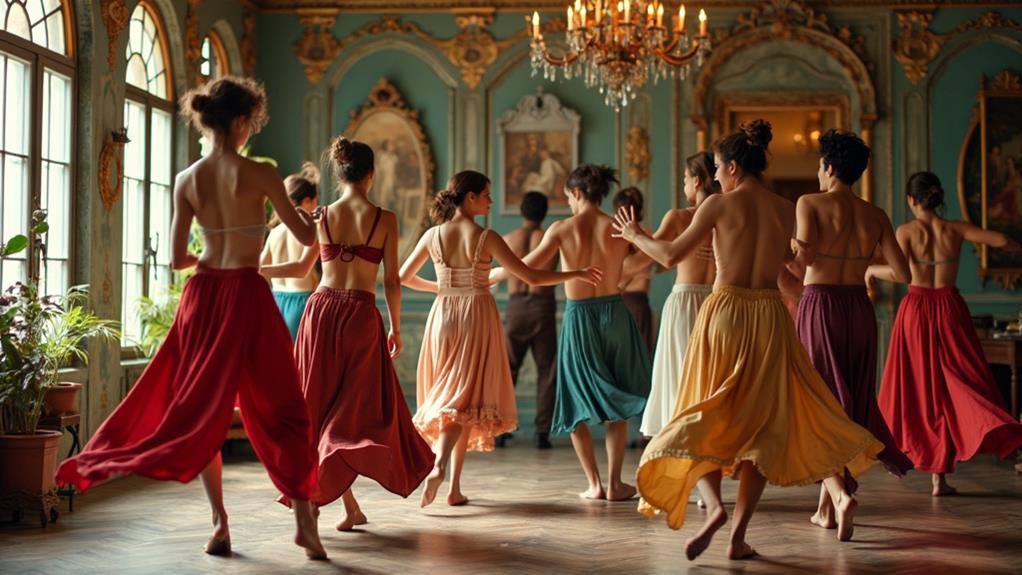
When examining the influence of harem pants in dance and artistic circles, it's essential to note how performers like Isadora Duncan embraced them for their freedom and expressiveness. These pants became a symbol of modernity and artistic innovation, aligning with trends in costume design and a cultural fascination with Eastern aesthetics. Paul Poiret's 1911 fancy-dress ball further solidified their status in avant-garde fashion, drawing the attention of artists and intellectuals.
Influential Dance Performers
Embracing the flowing elegance of harem pants, influential dancers like Loie Fuller and Isadora Duncan integrated the garment into their performances, celebrating freedom and fluidity. By wearing harem pants, these pioneers of modern dance rejected the restrictive clothing of their era, opting for garments that allowed their bodies to move freely and expressively.
In the early 1910s, the avant-garde dance scene in Paris saw harem pants as more than just a fashion statement; they symbolized modernity and rebellion against traditional women's attire. This was particularly evident in the performances of the Ballets Russes, which often incorporated Middle Eastern and Oriental themes, making the exotic allure of harem pants a fitting choice.
Here are three key ways influential performers popularized harem pants:
- Loie Fuller: Known for her groundbreaking use of fabric and light, Fuller's performances showcased the fluidity of harem pants.
- Isadora Duncan: Her emphasis on natural movement and Greek-inspired aesthetics complemented the flowing nature of harem pants.
- Ballets Russes: Their thematic focus on exoticism made harem pants a staple in their productions.
Harem pants thus transcended their controversial origins, becoming a beloved staple in the wardrobes of artistic and bohemian women during the 1910s.
Artistic Expression Trends
In the dynamic artistic circles of the 1910s, harem pants became a potent symbol of liberation and modernity. As modern dance emerged, artists sought clothing that allowed for greater freedom of movement and artistic expression. Harem pants, with their loose and flowing design, fit the bill perfectly. They became a staple in dance performances, especially those influenced by Eastern styles, where fluidity and grace were paramount.
Influential figures such as Isadora Duncan embraced harem pants, promoting them as symbols of liberation and artistic individuality. Duncan's performances, characterized by natural movement and a rejection of rigid ballet norms, showcased harem pants as more than just a fashion statement—they were a declaration of freedom.
The 1911 fancy-dress ball hosted by Paul Poiret further cemented harem pants' place in the avant-garde artistic movements. Poiret merged fashion with art, presenting harem pants alongside other exotic garments, creating a visual spectacle that resonated with the bohemian lifestyle. In these artistic circles, harem pants represented a clear break from the restrictive clothing norms of the Edwardian period, allowing artists to fully express their creativity and individuality.
Costume Design Innovations
The harem pant phenomenon of the 1910s significantly influenced costume design in dance and artistic circles. Introduced by Paul Poiret in 1911, harem pants revolutionized costume design by providing dancers and artists with unprecedented freedom of movement and expression. Poiret's designs, characterized by flowing fabrics and dramatic silhouettes, were quickly embraced by avant-garde dancers and theatrical productions, marking a significant shift in performance attire.
Incorporating harem pants into ballet and modern dance costumes was transformative. Choreographers sought garments that combined aesthetics with functionality, enhancing the visual impact on stage. The popularity of these pants stemmed not only from their appearance but also from their performance-enhancing qualities.
Three key impacts of harem pants on costume design include:
- Enhanced Movement: The loose fit allowed dancers greater flexibility and ease of movement.
- Visual Drama: Flowing fabrics and bold silhouettes added a new layer of visual interest to performances.
- Modernity and Exoticism: Harem pants symbolized modernity and exoticism in Parisian artistic circles, inspiring the use of lively colors and luxurious textiles.
The cultural fascination with Eastern aesthetics and the desire to defy conventional Western fashion norms made harem pants a staple in both dance and artistic circles, reinforcing their importance in costume design.
The 1910s Paris Scene
Imagine strolling through the vibrant streets of 1910s Paris, where artistic energy and a spirit of rebellion against traditional norms fill the air. In this dynamic scene, harem pants make their grand debut, introduced by visionary designer Paul Poiret. Poiret sought to transform Western fashion by presenting these loose, flowing trousers as a liberating alternative to the restrictive garments women typically wore.
Poiret unveiled harem pants at his lavish fancy-dress ball, "The 1002 Nights," captivating attendees with its exotic themes and luxurious fabrics. Artists, dancers, and high-society women, inspired by bohemian and avant-garde movements, eagerly adopted harem pants to express their individuality. This design sharply contrasted with the restrictive hobble skirts of the Edwardian era, signaling a shift towards comfort and practicality in women's clothing.
Here's a quick comparison to help you visualize the period:
| Traditional Fashion | Harem Pants Trend |
|---|---|
| Hobble Skirts | Flowing Trousers |
| Corsets | Free Movement |
| Edwardian Period | Modernity Symbol |
| Restrictive | Liberating |
| Mainstream | Avant-Garde |
Although harem pants initially captivated Paris, they faced criticism and began to decline in everyday wear by the end of the 1910s as fashion trends evolved.
Controversy and Criticism
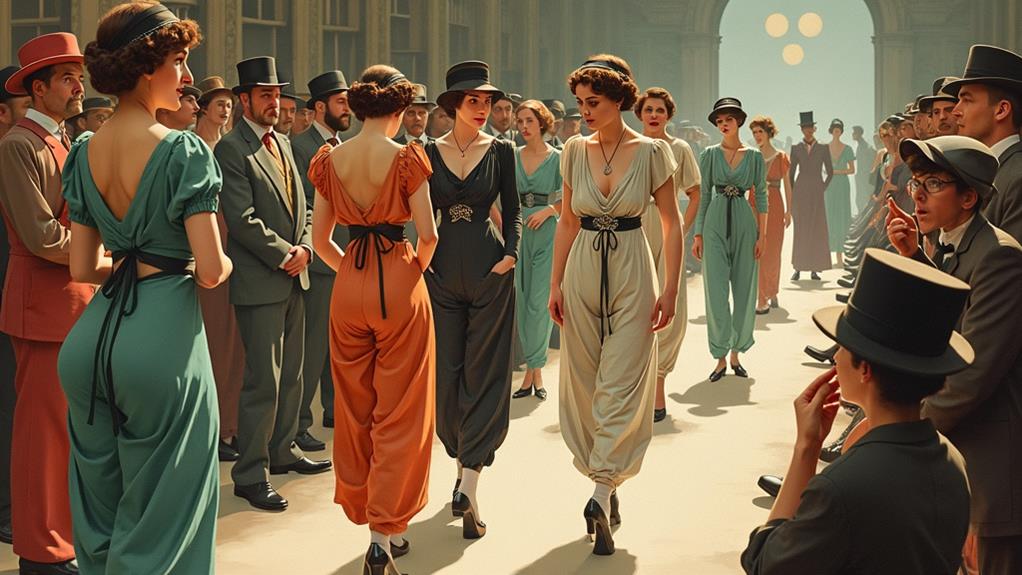
Despite the initial enthusiasm in Paris' artistic circles, harem pants quickly became a lightning rod for controversy. Critics argued that the exoticism and loose design of these garments, introduced by Paul Poiret in 1911, clashed with traditional Western gender norms and notions of propriety. The backlash wasn't just about fashion; it delved into deeper issues of cultural appropriation and societal values.
- Cultural Appropriation: Many criticized Poiret for borrowing heavily from Eastern styles without acknowledging their cultural significance, sparking broader conversations about sensitivity and respect in fashion.
- Criticism in Media: Satirists and cartoonists of the time frequently mocked harem pants, portraying them as absurd and highlighting the discomfort they represented against restrictive Edwardian fashion.
- Rejection by Women: Many fashionable women of the period rejected harem pants for everyday wear, favoring more traditional styles. This highlighted the tension between modernity and established norms in women's fashion.
The controversy surrounding harem pants underscored the complexities of adopting garments from other cultures in Western fashion. It also brought to the forefront discussions about cultural sensitivity and the implications of such choices in a rapidly changing society.
Evolution in Women's Wear
Fashion often mirrors societal shifts, and the early 1910s marked a pivotal moment in women's wear. Paul Poiret's introduction of harem pants, or jupe-culotte, transformed women's fashion by breaking away from the constraints of corsets and restrictive clothing. These pants, with their full legs tied at the ankle, offered a blend of exotic and modern aesthetics that were groundbreaking at the time.
Harem pants symbolized more than just a new style; they represented a shift towards greater freedom and comfort in women's attire. This was especially significant during a period that coincided with the suffrage movement, where women were advocating for more rights and equality. While initially embraced by progressive women, harem pants did not become mainstream. Instead, they found a niche at fancy-dress balls and other special occasions rather than in everyday wear.
Despite the controversy and criticism due to their exoticism and challenge to traditional gender norms, the harem pants trend marked a significant step in the evolution of women's fashion. It demonstrated a willingness to experiment and push boundaries, setting the stage for future innovations in women's wear.
Cultural Significance
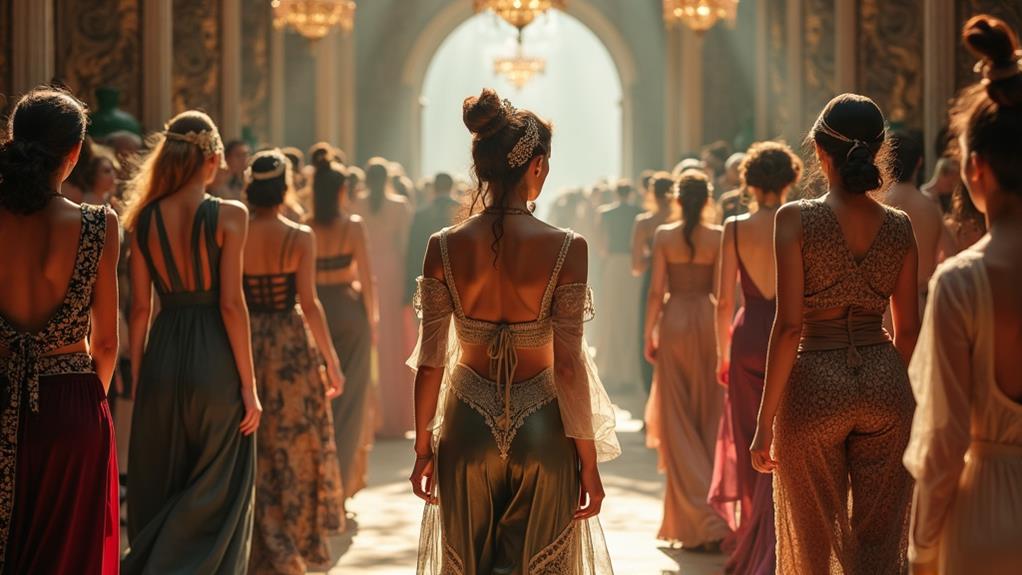
As we explore the cultural significance of harem pants, it becomes evident that they were more than merely a fashion statement. Introduced by Paul Poiret in 1911, these pants signified a departure from restrictive clothing norms and embodied a desire for liberation among women. They were not just about comfort; they represented modernity and a bold challenge to traditional Edwardian fashion.
Moreover, the exotic appeal of harem pants was closely linked to Orientalism. Western society romanticized Eastern cultures, making harem pants a symbol of both mystery and modernity. This fascination frequently blurred ethical lines, resulting in considerable cultural appropriation. Critics contended that such fashion trends trivialized and commodified Eastern traditions.
Key aspects to understand their cultural significance include:
- Symbol of Liberation: Harem pants offered freedom and practicality during a time when women's roles were evolving.
- Influence of Orientalism: The design played into Western fantasies of the "exotic East," highlighting cultural appropriation.
- Avant-Garde Appeal: Featured at Poiret's "The 1002 Nights" ball, they captivated the imaginations of the Parisian elite.
Despite their popularity, harem pants underscored the tension between fashion and cultural sensitivity, making them a controversial yet pivotal part of early 20th-century fashion.
Lasting Fashion Legacy
Harem pants have left an indelible mark on the fashion world, evolving from a radical statement piece in the 1910s to a versatile staple in contemporary wardrobes. Introduced by Paul Poiret in 1911, they signified a significant shift in women's fashion, offering greater comfort and freedom from the restrictive garments typical of the Edwardian period. Initially popular in high society and fancy-dress balls, harem pants became a symbol of progressive women's fashion.
Despite their early appeal, harem pants faced criticism for their exoticism and were relegated to costume wear by the late 1920s, highlighting the volatile nature of fashion trends. Debates about cultural appropriation further complicate their legacy, reflecting ongoing discussions about the intersection of Eastern and Western fashion.
However, their resurgence in the late 20th century, particularly linked to hip-hop culture and comfort-driven styles, solidified their status as a versatile and enduring fashion choice. This resurgence underscores their ability to transcend cultural boundaries, proving their lasting relevance in modern wardrobes.
Here's a quick comparison of harem pants' historical and modern influence:
| Period | Influence |
|---|---|
| 1910s | Radical statement piece |
| 1920s | Faced criticism, became costume wear |
| Late 20th | Resurgence linked to hip-hop culture |
| Modern | Versatile, comfort-driven fashion staple |
| Legacy | Transcends cultural boundaries |
Harem pants continue to shape Western fashion, embodying both cultural richness and modern versatility.