The Fascination With Aviator Glasses in the 1970s

In the 1970s, aviator glasses emerged as an iconic symbol of both rebellion and sophistication. Initially designed for military use during WWII, these shades transitioned into mainstream fashion, largely due to their prominence in Hollywood and their adoption by influential celebrities of the era. The sleek design and bold presence of aviators perfectly aligned with the decade's fashion trends, making them a must-have accessory. The widespread fascination with aviator glasses can be attributed to the cultural shifts and key influencers that amplified their appeal.
Origins and Early Development
Aviator sunglasses originated in the early 20th century, specifically designed to address the intense glare pilots experienced at high altitudes. The U.S. Army Air Corps played a crucial role in their development, commissioning the D-1 model in 1935. These early versions featured rigid frames and tinted lenses, enhancing visibility for military personnel.
The importance of aviator sunglasses surged during World War II. The AN6531 model, standardized in November 1941, was mass-produced for military pilots, initially featuring green lenses that were later replaced with darker ones for better glare protection. This design quickly became associated with military precision and efficiency.
Post-war, aviator sunglasses transitioned to civilian use, heavily influenced by military aesthetics and prominent figures like General Douglas MacArthur. By the late 1930s, Ray-Ban had redesigned aviator sunglasses with metal frames, transforming them into a fashionable accessory. This redesign solidified their status as a cultural icon, effortlessly blending into everyday fashion while retaining their rugged military appeal.
Influence of WWII and Hollywood
During WWII, aviator sunglasses emerged as iconic symbols of courage and patriotism, issued to both male and female pilots. These shades were not only practical but also made a bold fashion statement. Images of General Douglas MacArthur wearing aviators during the war helped solidify their status as a fashionable accessory, influencing public perception for decades.
In the 1970s, Hollywood played a significant role in reviving the popularity of aviators. Celebrities like Marilyn Monroe and Elizabeth Taylor showcased the style, associating it with glamour and sophistication. Films such as *Taxi Driver* and *Top Gun* further cemented the cultural significance of aviators, making them a coveted item.
| Person/Group | Role | Impact |
|---|---|---|
| WWII Pilots | Early Adopters | Popularized aviators as symbols of courage |
| General Douglas MacArthur | Military Icon | Cemented aviators as fashionable |
| Hollywood Celebrities | Trendsetters | Linked aviators to glamour |
| Influential Female Figures | Style Icons | Used aviators to express assertiveness |
The adoption of aviators by influential female figures in the 1970s also played a crucial role in their continued popularity. Women embraced the style to express assertiveness and independence, transforming aviator sunglasses into a symbol of empowerment. Thus, the combined influence of WWII and Hollywood turned aviator sunglasses into a timeless fashion statement.
Design and Technical Specifications
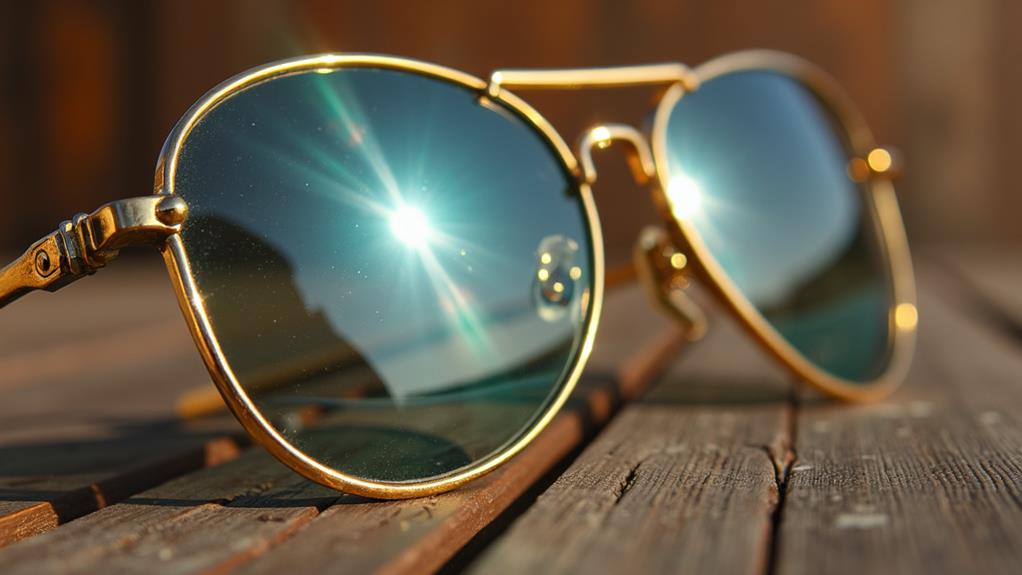
In the 1970s, aviator sunglasses gained prominence with their dark, reflective, slightly convex lenses engineered to cover the entire field of vision and significantly reduce glare. The design prioritized function and style, featuring lightweight metal frames crafted from durable materials like monel, steel, or titanium, ensuring comfort and robustness for prolonged use.
Typically, the lenses were neutral grey, allowing only 12% to 18% of visible light to pass through, providing true color and contrast distribution essential for pilots and anyone needing protection from harsh sunlight. Reflective coatings further reduced glare, making aviators ideal for bright, open environments.
A notable feature of these sunglasses was their ability to incorporate corrective lenses without compromising the full field of vision, making them adaptable for both professional pilots and everyday wearers. Additionally, innovations such as impact-resistant and polarized lenses enhanced safety and functionality, making aviators suitable for various outdoor activities. This thoughtful design ensured that aviator sunglasses from the 1970s were both practical and iconic.
Cultural Impact and Popularity
The 1970s witnessed a significant rise in the popularity of aviator sunglasses, establishing them as a timeless fashion icon. Celebrities and public figures embraced aviators, transforming them into an essential style statement. Originally linked to military figures like General Douglas MacArthur, aviators effortlessly transitioned into popular culture, symbolizing glamour and sophistication.
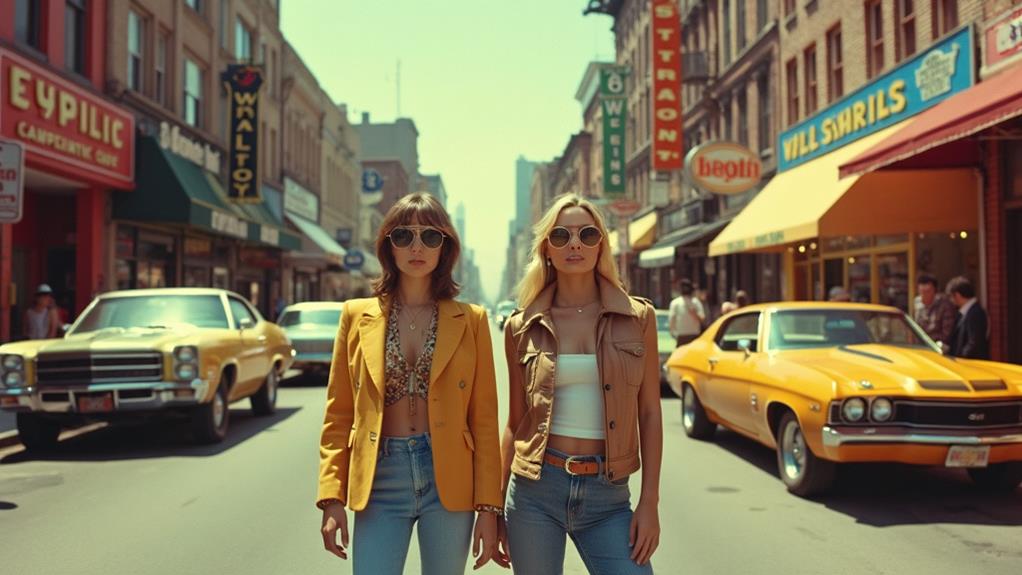
Aviator sunglasses became ubiquitous, gracing the faces of both men and women and mirroring the era's evolving fashion trends and the growing empowerment of women. Historical advertisements from the 1960s to the 1980s highlighted these versatile designs, embedding them deeply in the public's consciousness.
| Iconic Moments | Emotional Impact |
|---|---|
| Celebrities in aviators | Glamour |
| Women's empowerment | Sophistication |
| Military origins | Strength |
| Advertisements | Nostalgia |
| Popular culture | Unity |
The enduring appeal of aviator sunglasses lies in their ability to transcend generational lines, offering timeless elegance that resonates even today. The 1970s cemented aviators as more than just eyewear—they became symbols of empowerment and style. Thanks to their adaptable design, aviators continue to be a beloved choice, influencing fashion across decades.
Modern Evolution and Legacy
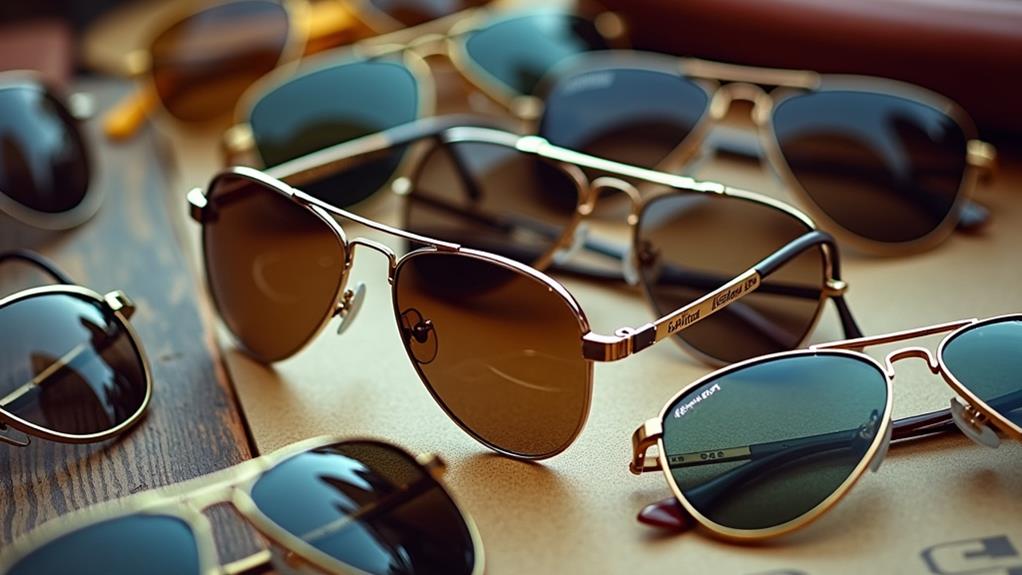
As the cultural impact and popularity of aviator sunglasses solidified in the 1970s, their evolution continued beyond that decade. Aviator sunglasses, with their oversized frames and tinted lenses, set the stage for bold fashion trends that transcended the era. Celebrities like Gloria Steinem and Tom Cruise, especially his iconic role in *Top Gun*, were instrumental in establishing aviators as symbols of fashion and individuality.
The 1970s also introduced groundbreaking materials and styles, such as flexible cable temples and vibrant lens colors, enhancing both comfort and aesthetic appeal. These innovations made aviators not only a fashion statement but also a practical accessory.
Today, the evolution of aviators remains rooted in their 1970s origins. Modern designs retain the classic teardrop shape while incorporating sleek lines and a variety of color options. This blend of nostalgia and contemporary elements ensures that aviator sunglasses remain a timeless accessory.