The Evolution of the Bikini: From Scandal to Staple

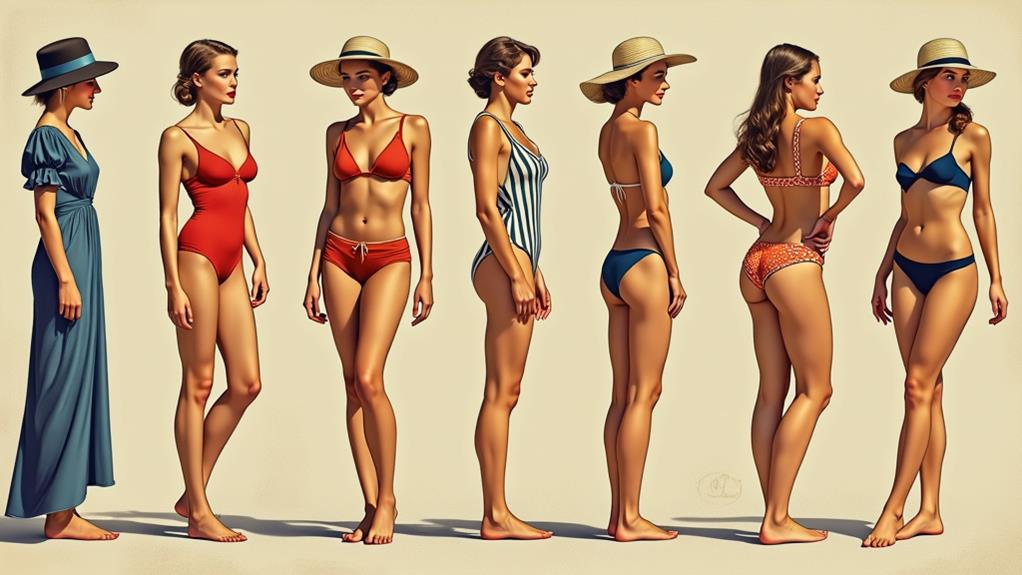
The evolution of the bikini is a captivating journey, transforming from a scandalous garment to a fashion staple. First introduced in 1946, the bikini faced significant criticism and social backlash. Despite this, it gradually secured its place in popular culture, propelled by Hollywood stars and the sexual revolution. How did this once-controversial swimwear become a symbol of empowerment and inclusion? The answer lies in its evolving design, growing social acceptance, and groundbreaking trends that have shaped its legacy. Are you interested in the pivotal moments that propelled the bikini from taboo to trendsetting?
Birth of the Bikini

On July 5, 1946, French designer Louis Réard unveiled the modern bikini, aiming to make an "explosive" fashion statement. Named after Bikini Atoll, the site of atomic bomb tests, this daring design symbolized a significant cultural shift in post-war fashion. The bikini broke away from the conservative swimwear of the past, featuring just four small patches of fabric that daringly exposed the belly button.
Réard's creation was not merely a piece of clothing but a bold declaration of freedom and modernity. To ensure it made a lasting impact, Réard enlisted Micheline Bernardini, a nude dancer, to debut the bikini. Her appearance in this revolutionary garment immediately turned heads and captured global attention, highlighting the stark contrast between traditional swimwear and Réard's radical design.
This shift was not just about aesthetics; it represented a broader change in societal norms and attitudes. The bikini embodied the newfound sense of liberation and forward-thinking that defined the post-war period. Its introduction marked the beginning of a fashion revolution, setting the stage for decades of evolving swimwear styles.
Early Controversy
The introduction of the bikini in 1946 by Louis Réard sparked immediate controversy. Many viewed the garment as scandalous and inappropriate, challenging the conservative norms of the time. Réard promoted it as the "world's smallest bathing suit," which only intensified the backlash.
| Year | Event | Impact |
|---|---|---|
| 1946 | Introduction of bikini | Immediate backlash |
| 1951 | Miss World ban | Highlighted controversy |
| 1960s | Changing attitudes | Increased acceptance |
The Catholic Church condemned the bikini, arguing it violated traditional modesty standards and was socially unacceptable. This condemnation led to bans in several countries, reflecting widespread disapproval. In 1951, the Miss World competition banned contestants from wearing bikinis, further emphasizing the garment's contentious nature.
However, attitudes began to shift in the late 1950s and 1960s. The evolving perspectives on women's freedom and modernity contributed to a cultural shift. As society progressed, the bikini gradually gained acceptance, transforming from a symbol of scandal to a fashion staple. This shift marked the beginning of broader societal changes, with the bikini becoming a symbol of modernity and changing times.
Hollywood Influence

Hollywood's influence played a crucial role in transforming the bikini from a controversial garment into a mainstream fashion icon. In the 1950s, Hollywood films began featuring the bikini, with stars like Brigitte Bardot and Marilyn Monroe wearing them on screen. Bardot's appearance in a bikini at the Cannes Film Festival in 1953 was pivotal in cementing the bikini's status as a fashionable choice and normalizing it in the public eye.
Hollywood's portrayal of bikinis significantly impacted societal attitudes towards women's bodies. Ursula Andress's iconic white bikini scene in the 1962 film "Dr. No" became a defining moment in film history, symbolizing femininity and empowerment. This scene not only made waves in cinema but also solidified the bikini's cultural significance as a symbol of modern womanhood.
Despite controversies, such as those seen in the 1951 Miss World competition, Hollywood's consistent depiction of bikinis contributed to the broader acceptance of revealing swimwear. This shift in portrayal helped challenge traditional views on modesty, gradually changing societal norms. Through Hollywood's lens, the bikini evolved from scandalous to staple, forever altering the fashion landscape.
Cultural Revolution
Amidst the sweeping changes of the 1960s cultural revolution, the bikini emerged as a powerful symbol of female empowerment and liberation. This period saw a seismic shift in societal attitudes towards women's bodies and self-expression through fashion. The bikini's rise to popularity was intertwined with the sexual revolution and the women's liberation movement, both advocating for greater freedom and autonomy for women.
Iconic moments, like Ursula Andress's unforgettable bikini scene in the 1962 film "Dr. No," cemented the bikini's status as a cultural icon. This moment illustrated how the bikini became synonymous with modernity and freedom. The bikini's acceptance was further solidified by its feature in the inaugural Sports Illustrated swimsuit issue in 1964, celebrating women's bodies in a positive light.
Key moments include:
| Year | Event | Cultural Impact |
|---|---|---|
| 1962 | Ursula Andress in "Dr. No" | Bikini as a symbol of modernity |
| 1964 | Sports Illustrated Swimsuit Issue | Positive celebration of women's bodies |
| 1960s | Sexual Revolution | Greater acceptance of women's sexuality |
| 1960s | Women's Liberation Movement | Empowerment and autonomy for women |
The 1960s cultural revolution transformed the bikini from a controversial garment into a mainstream fashion staple, reflecting broader societal changes in norms and attitudes towards women's sexuality.
The String Bikini

As the cultural transformation of the 1960s laid the groundwork for new expressions of freedom, the 1970s saw the introduction of the string bikini, pushing the boundaries of swimwear design and societal norms even further. With its minimal coverage and thin strings tying the top and bottom, the string bikini was designed by Brazilian fashion designer Rose de Primall. This bold design quickly became a symbol of sexual liberation, celebrating women's empowerment and body positivity.
The string bikini didn't just change the way people looked at swimwear; it revolutionized beach fashion. It emerged at a time when society was beginning to embrace more revealing styles, reflecting a shift towards greater personal freedom and self-expression. The scanty design allowed women to showcase their bodies confidently, aligning perfectly with the era's ethos of body positivity.
Fitness Craze
During the fitness craze of the 1980s, aerobics classes and bold color trends reshaped bikini fashion. Influencers like Jane Fonda popularized workout videos featuring lively, high-cut bikinis designed for active lifestyles. The introduction of Lycra made these styles both supportive and comfortable, ideal for beach aerobics and swimwear competitions.
Influence of Aerobics
How did the fitness craze of the 1980s reshape the bikini? The era's obsession with fitness, driven by icons like Jane Fonda, shifted the focus to athleticism and body confidence. Bikinis transitioned from being merely beachwear to symbolizing a healthy lifestyle. Aerobics classes and home workout videos frequently featured women in high-cut, form-fitting bikinis, blending fitness with stylish activewear.
Designers quickly adapted, creating bikinis with functional elements such as supportive tops and durable materials. These designs were not only fashionable but also practical for active women. The versatility allowed women to go from the beach to a beach aerobics class seamlessly, enhancing the bikini's role in mainstream culture.
To give you a clearer picture, here's a table that highlights the changes:
| Feature | Before 1980s | After 1980s |
|---|---|---|
| Design | Simple, Minimalistic | Sporty, Functional |
| Materials | Basic Fabrics | Durable, Supportive |
| Usage | Swimwear Only | Swimwear & Activewear |
The rise of fitness culture didn't just change the appearance of bikinis; it also expanded their functionality, making them a staple in both fashion and fitness wardrobes.
Bold Color Trends
The fitness craze of the 1980s not only reshaped bikini functionality but also introduced bold color trends that captured the era's vibrant energy. Icons like Jane Fonda, who championed active lifestyles, inspired bikinis to reflect dynamic patterns and neon hues. These bold color trends didn't just make waves on the beach; they redefined swimwear by aligning it with the fitness culture's celebration of body positivity and self-expression.
Here's how bold color trends transformed bikinis during this time:
- Neon Colors: Fluorescent pinks, greens, and yellows made bikinis statement pieces.
- High-Cut Legs: This design emphasized athletic physiques, complementing the fitness-focused lifestyle.
- Spandex and Stretchy Materials: These materials provided a better fit and flexibility, making dynamic patterns stand out.
- Matching Collections: Brands offered coordinated workout and swimwear sets, seamlessly merging fitness and fashion.
Brightly colored bikinis became symbols of an energetic, health-conscious age. By embracing bold colors and daring designs, the 1980s solidified the bikini's status as a staple of both beach and fitness culture.
Supermodels and Pop Culture

The bikini's rise in pop culture is inextricably linked to the influence of supermodels and media. Iconic moments like Tyra Banks on the 1996 Sports Illustrated Swimsuit Issue cover and Britney Spears in her music videos have solidified the bikini's place in fashion history. Shows like "Baywatch" and major ad campaigns featuring models like Cindy Crawford have also significantly shaped public perception and driven the industry's growth.
Iconic Fashion Moments
The bikini holds an iconic place in fashion history due to a series of unforgettable moments that revolutionized women's swimwear and cemented its status as a wardrobe staple. These key milestones fueled the bikini's rise to popularity:
- Ursula Andress in "Dr. No" (1962): Andress's emergence from the ocean in a white bikini is legendary. This scene became a symbol of glamour and allure, solidifying the bikini's position in pop culture.
- Sports Illustrated Swimsuit Issues of the 1980s and 1990s: Featuring supermodel Elle Macpherson on the cover, these issues made the bikini synonymous with beach culture and high fashion.
- Supermodel Campaigns: Icons like Cindy Crawford and Naomi Campbell showcased bikinis in high-profile campaigns, elevating swimwear to a key component of women's fashion.
- Baywatch (1990s): Pamela Anderson's red bikini became an emblem of beach culture and fitness, amplifying the bikini's mainstream appeal.
These moments not only popularized bikinis but also transformed them into an essential fashion item, securing their place in fashion history.
Influence of Media
Hollywood's golden era in the 1950s was instrumental in bringing the bikini into the mainstream. Actresses like Brigitte Bardot and Marilyn Monroe graced the silver screen in these daring swimsuits, helping to normalize the bikini as a symbol of glamour and femininity. This shift was not just a fashion statement but also a step toward women's liberation, allowing them greater freedom of expression.
The bikini's cultural impact was further cemented in 1962 when Ursula Andress emerged from the sea in "Dr. No," the first James Bond film. This iconic scene became synonymous with allure and confidence, marking a new chapter for the bikini. The 1964 launch of the Sports Illustrated Swimsuit Issue also played a significant role, associating bikinis with the beach lifestyle and glamour.
By the 1990s, supermodels like Cindy Crawford and Naomi Campbell had elevated the bikini to high fashion. Their presence on runways and magazine covers solidified the bikini's place as a fashion staple. In the 2000s, celebrity endorsements and the rise of social media, with influencers like Kim Kardashian, transformed the bikini into a symbol of luxury and lifestyle.
This evolution reflects the bikini's enduring influence on fashion, culture, and women's empowerment.
Designer Influence
The impact of designers on the evolution of the bikini cannot be overstated. French engineer and designer Louis Réard transformed women's swimwear history in 1946 by introducing the modern bikini. Before Réard's groundbreaking creation, two-piece bathing suits were far more modest. His design featured just four small patches of fabric, making it the smallest swimsuit of its time and marking a significant shift in swimwear fashion.
Here are four key ways designers influenced the bikini's evolution:
- Innovation in Fabric: The introduction of synthetic fabrics in the 1940s allowed designers to create form-fitting bikinis that enhanced both style and comfort.
- Varied Styles: Inspired by Réard, designers began experimenting with different bikini styles, such as the thong and bandeau, catering to diverse body types and fashion preferences.
- Celebrity Endorsements: Icons like Brigitte Bardot and Ursula Andress wearing bikinis helped solidify their status in popular culture.
- Cultural Shifts: Designers played a vital role in normalizing the bikini, reflecting broader societal changes in attitudes toward women's bodies and fashion.
Social Media Impact

In today's digital age, social media platforms like Instagram and TikTok have transformed the bikini into more than just swimwear; it has become a lifestyle icon. Influencers and celebrities showcase various styles, driving trends and shaping public perception. By following hashtags such as #BikiniBody and #BikiniSeason, users can connect with a community that celebrates body positivity and diverse representations of beauty.
Social media has enabled brands to reach broader audiences more effectively. Targeted ads have led to a significant increase in bikini sales, with the swimwear market projected to reach $20 billion globally by 2025. Viral challenges like the "Bikini Challenge" encourage users to share their bikini photos, fostering confidence and self-expression among all body types.
Platforms like Pinterest offer endless bikini inspiration, influencing consumer choices and leading to more diverse styles, including sustainable and inclusive designs. Social media is not just about promoting the latest trends but also about creating a more inclusive and positive view of body image. Thanks to these platforms, the bikini has evolved from a controversial garment to a symbol of empowerment and diversity.
Sustainability and Innovation
With a growing awareness of environmental impact, the bikini industry is increasingly embracing sustainability and innovation. Brands are focusing on eco-friendly materials and ethical production practices to reduce their environmental footprint. Here's how they are making a difference:
- Eco-friendly Materials: Brands are utilizing recycled plastics and organic fabrics, significantly reducing waste and pollution.
- Innovative Fabric Technology: Quick-drying and UV-protective materials enhance the fit, comfort, and functionality of bikinis, making them suitable for both leisure and active wear.
- Ethical Production: Companies are implementing ethical production practices, ensuring fair labor conditions and minimizing waste in manufacturing.
- Body Positivity: The movement towards body positivity has led to a wider range of bikini styles and sizes, celebrating diverse body types while promoting sustainable practices.
Sustainability is becoming a key driver of consumer choices and brand loyalty. By choosing brands committed to eco-friendly, ethical production and inclusive sizing, you're not just buying a bikini—you're contributing to a positive impact on the planet and the fashion industry.
Related posts