The Evolution of Sunglasses: From Function to Fashion Statement

Consider the journey of sunglasses, evolving from simple eye protection to a significant fashion statement. Initially created in the 13th century to correct vision, their role expanded significantly over time. By the early 1900s, they became essential for military use, and soon after, they were associated with Hollywood glamour. Celebrities like Audrey Hepburn turned them into must-have accessories. Technological advancements, such as polarized lenses and the development of aviator styles, also played a crucial role in this transformation. Understanding these changes provides a deeper appreciation for both the functionality and cultural impact of sunglasses.
Purpose and Benefits
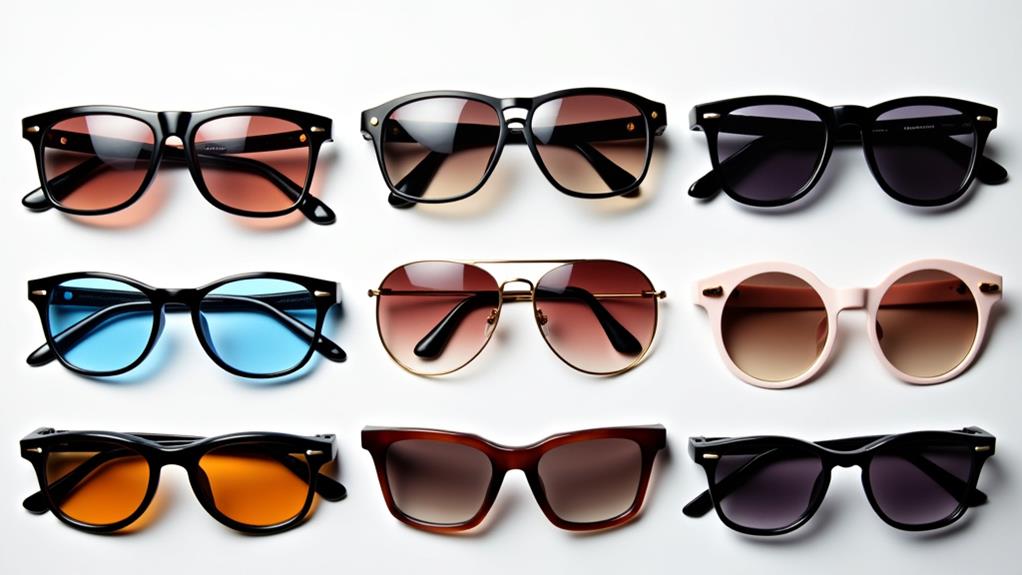
Sunglasses are more than just a fashion statement; they are essential for protecting your eyes. By wearing sunglasses, you shield your eyes from harmful UV rays, significantly lowering the risk of developing conditions such as cataracts. This protection is crucial for maintaining long-term vision health.
Reducing glare is another significant benefit. Whether you're driving, fishing, or enjoying a sunny day, glare from surfaces like water and roads can be both distracting and hazardous. Polarized lenses in sunglasses effectively minimize this glare, improving your visibility and comfort during outdoor activities.
For those requiring vision correction, bifocal sunglasses offer a seamless blend of utility and convenience. These lenses provide the necessary vision correction while also protecting your eyes from the sun, eliminating the need to switch between regular glasses and sunglasses.
Modern sunglasses are designed with both functionality and style in mind. Features like anti-fog and scratch-resistant coatings ensure durability and prolonged usability, keeping your sunglasses looking good and performing well. Whether you're at the beach or on the slopes, the right pair of sunglasses combines style with essential eye protection, making them an indispensable accessory for everyday life.
Historical Development
The evolution of eyewear reflects both technological advancements and shifting cultural values. Eyewear's history dates back to the 13th century when eyeglasses were first invented for vision correction, not fashion. These early devices laid the foundation for transforming eyewear into stylish accessories.
By the 18th century, decorative frames made from precious metals marked a significant change. Eyewear began to symbolize fashion and status. During the Victorian period, iconic styles like pince-nez and wire frames became essential accessories, showcasing societal refinement and personal taste. These styles not only provided vision correction but also served as fashion statements.
In the early 1900s, sunglasses were introduced primarily for military use, providing vital eye protection. However, their functional role quickly expanded into the realm of fashion with the emergence of aviator and cat-eye styles. By the 1950s and 1960s, Hollywood significantly influenced the popularization of sunglasses. Iconic styles like wayfarers and oversized sunglasses became synonymous with glamour and high fashion.
Throughout history, eyewear has evolved from mere vision aids to significant fashion statements, reflecting changes in both function and style.
Key Figures and Milestones
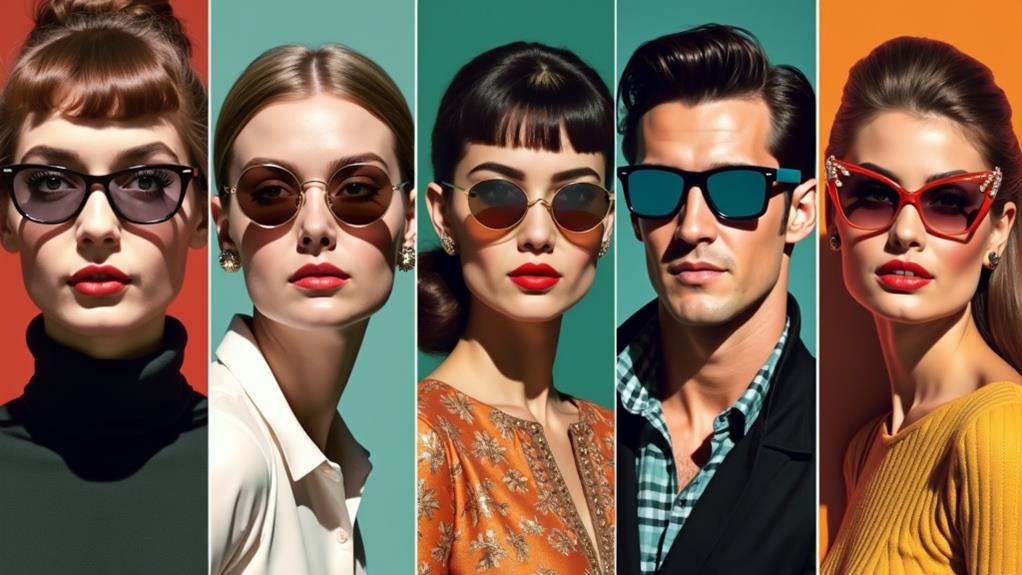
Ever wondered how sunglasses became such an integral part of both function and fashion? The journey began with Sam Foster in the 1920s. Foster's mass production of sunglasses made them accessible to the general public, marking a significant milestone in eyewear history. In the 1930s, John Macready collaborated with Bausch & Lomb to create aviator sunglasses, initially designed for pilots. These became crucial during WWII, with the U.S. Army Air Corps recognizing their importance and issuing them as standard gear, emphasizing aviation safety.
General MacArthur's iconic image sporting aviator sunglasses captured the public's imagination, making them a symbol of wartime resilience and style. This moment solidified aviators' place in popular culture. Post-WWII, sunglasses began to transcend their functional roots and entered the realm of fashion. Hollywood stars like Audrey Hepburn played an essential role in this transformation. Hepburn's stylish appearances in movies and public life made sunglasses a significant accessory for personal style.
These milestones and key figures not only ensured the practical uses of sunglasses but also embedded them deeply into fashion and popular culture, defining their status today.
Types and Innovations
As sunglasses evolved from mere functional accessories to fashion staples, they experienced significant technological advancements and stylistic variations. Polarized lenses, developed by Edwin H. Land in the 1930s, revolutionized eyewear by significantly reducing glare and enhancing visibility. These lenses are ideal for outdoor activities like fishing and skiing, offering both functionality and comfort.
Aviator sunglasses, designed for pilots in the 1930s, seamlessly combine functionality with fashion. Their large lenses and distinctive teardrop shape have made them an enduring style icon. Similarly, mirrored sunglasses, which gained popularity in the mid-20th century, provide excellent glare protection by reflecting light away from the lenses, adding a touch of mystery and flair to your look.
The 1990s introduced the trend of tiny sunglasses, showcasing bold, unconventional designs that challenged traditional eyewear norms. Modern advancements, such as anti-fog coatings and adjustable temples, cater to diverse consumer needs, enhancing comfort and usability.
These innovations have had a significant impact:
- Enhanced visibility for outdoor activities.
- Timeless style with iconic designs.
- Improved comfort and practicality through adjustable features and anti-fog technology.
These advancements have solidified sunglasses as both functional and fashionable essentials.
Cultural Significance
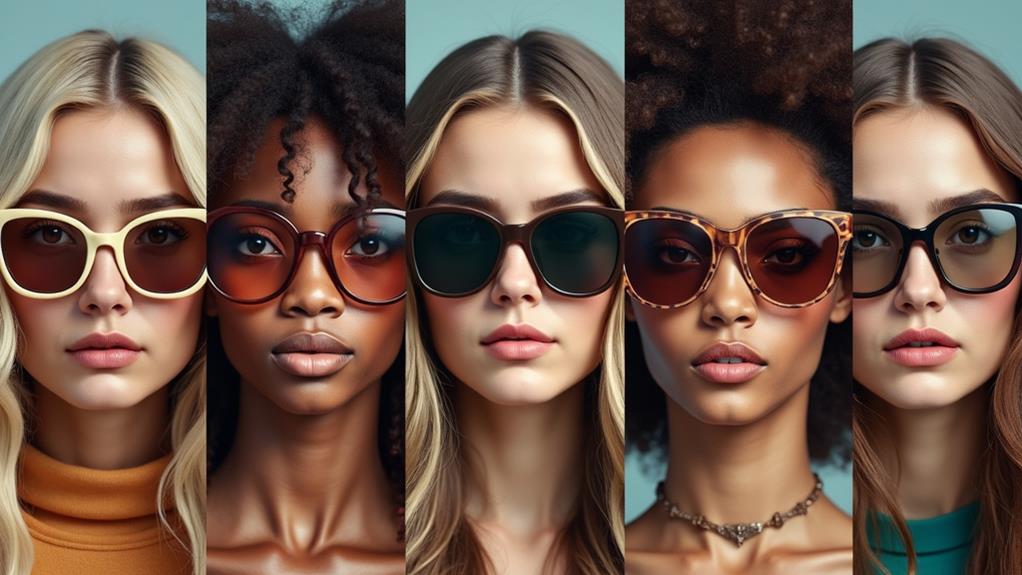
During the 20th century, sunglasses transitioned from mere eye protection to potent cultural symbols of style and status. Hollywood stars, notably Audrey Hepburn, played a pivotal role in this evolution. Her iconic looks, especially in "Breakfast at Tiffany's," transformed sunglasses into coveted fashion accessories, significantly elevating their cultural importance.
The popularity of aviator sunglasses during WWII further ingrained them in cultural identity. Initially used for military purposes, aviators became icons of adventure and daring. Consequently, sunglasses evolved into status symbols, mirroring societal shifts and personal expression.
Celebrity endorsements have consistently influenced eyewear trends. When a star dons a specific style, it quickly becomes desirable. This pattern endures, with celebrity appearances in films and media continually shaping fashion choices.
| Emotion | Example | Impact |
|---|---|---|
| Nostalgia | Audrey Hepburn's cat-eye frames | Evokes memories of classic elegance |
| Excitement | Aviators in action films | Inspires a sense of adventure |
| Aspiration | Celebrity endorsements | Drives the desire for status and style |
Fashion trends are cyclical, meaning styles like tiny sunglasses from the 1990s often resurface, driven by their enduring cultural significance.