The Evolution of Sneaker Culture: From Sportswear to Streetwear
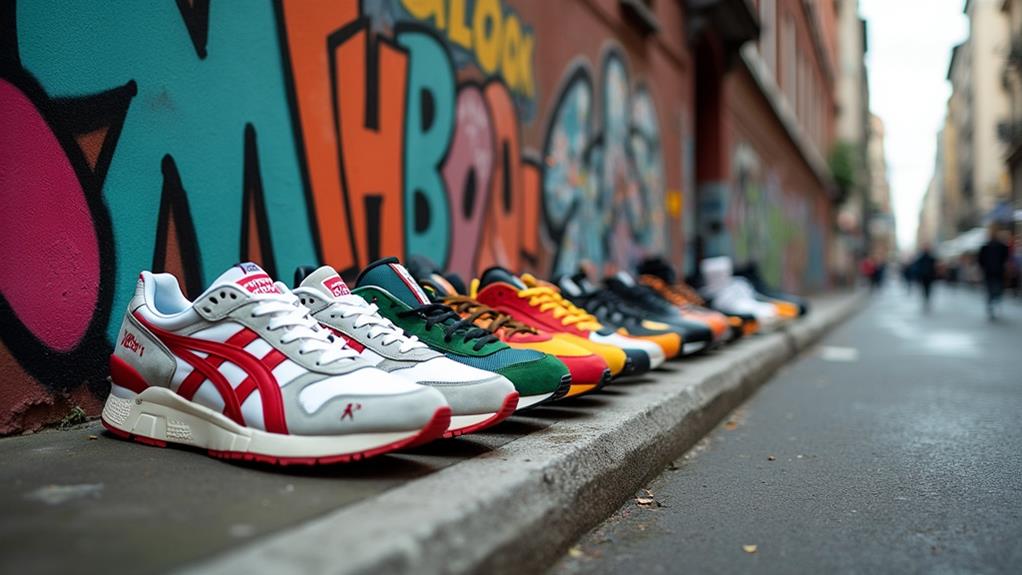
Sneakers may seem like just shoes, but their journey from athletic gear in the 1850s to streetwear icons is a compelling narrative. Initially crafted for sports performance, sneakers have evolved into symbols of self-expression and status, particularly since the 1980s. Influences from hip-hop culture and collaborations with high-fashion designers have solidified their place in contemporary wardrobes. But what drives people to collect and customize these shoes? How will sustainability and technology shape their future? Explore the complex layers of sneaker culture that transcend mere functionality.
Athletic Origins
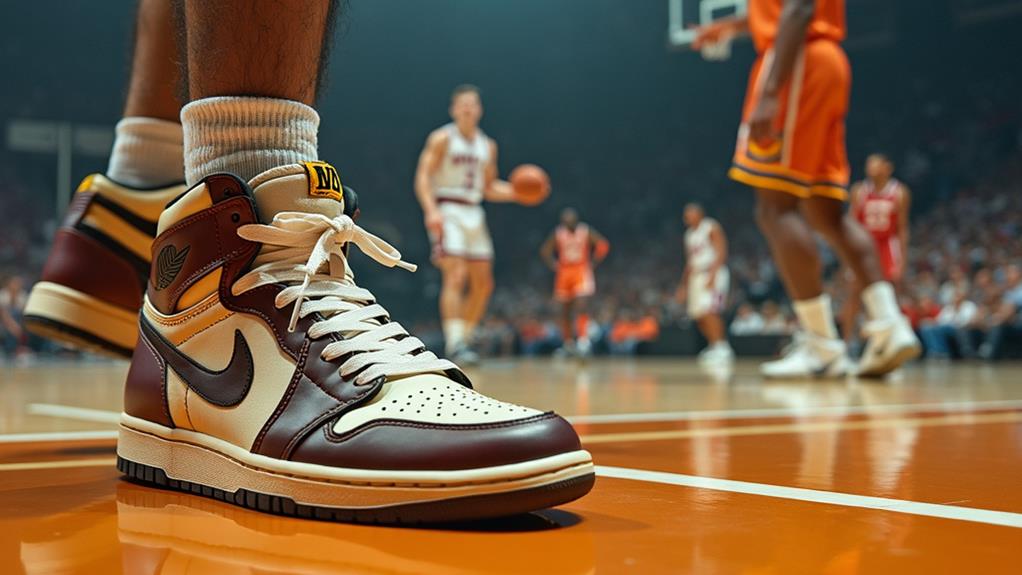
Sneaker culture traces its roots back to the 1850s when practical footwear designed for athletes first emerged, focusing on enhancing performance and comfort. Early athletic shoes, including sneakers with spiked soles, improved grip and support, setting the stage for modern sneaker technology. Exploring sneaker history reveals the cultural significance of these innovations, which paved the way for iconic models.
In 1917, the Converse All-Star became the first mass-produced basketball shoe and quickly turned into a cultural icon. This milestone in sneaker history marked the beginning of sneakers' association with basketball, a bond that has only grown stronger over the decades. Major brands like PUMA, established in 1948, initially targeted track and field athletes, further contributing to the evolution of athletic sneakers.
Streetwear Transformation
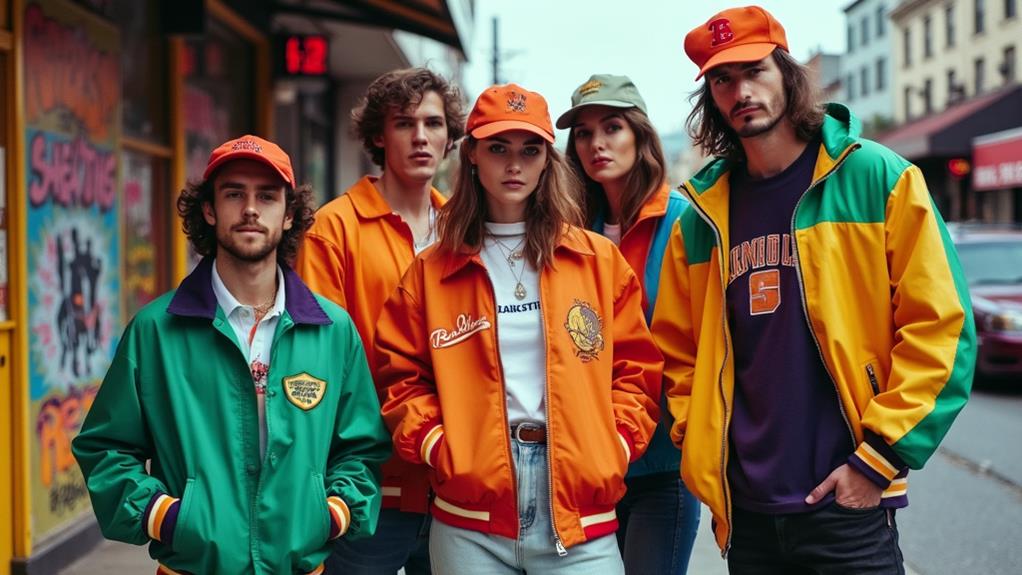
Investigating the streetwear evolution reveals how hip-hop artists and urban youth in the 1980s embraced sneakers as symbols of style and identity. Iconic collaborations, such as Run-D.M.C.'s partnership with Adidas, cemented sneakers as cultural icons in street fashion. These collaborations blurred the lines between athletic and casual wear, making sneakers essential everyday fashion items.
Hip-Hop Influence
Hip-hop's influence on sneaker culture is monumental and undeniable. In the 1980s, Run-D.M.C. catapulted the Adidas Superstar into the spotlight, transforming sneakers from mere sportswear into essential elements of streetwear and urban fashion. Their track "My Adidas" not only celebrated the iconic shoes but also established them as symbols of self-expression within hip-hop culture. This culminated in a groundbreaking $1.5 million endorsement deal with Adidas, highlighting the synergistic power of music and sneaker marketing.
| Artist | Sneaker Brand | Year |
|---|---|---|
| Run-D.M.C. | Adidas Superstar | 1986 |
| Nelly | Air Force 1 | 2002 |
| Jay-Z | Reebok S. Carter | 2003 |
| Kanye West | Nike Air Yeezy | 2009 |
| Travis Scott | Air Jordan | 2019 |
Sneakers evolved into symbols of rebellion and self-expression, allowing individuals to showcase their identity and affiliations. Collaborations between sneaker brands and hip-hop artists blurred the lines between athletic and casual wear, making sneakers a staple in everyday fashion. As hip-hop's popularity soared, sneaker culture experienced an explosion of limited-edition releases and athlete endorsements, solidifying sneakers as significant fashion statements.
Brand Collaborations
Hip-hop's powerful impact on sneaker culture set the stage for influential brand collaborations that elevated sneakers from athletic gear to high-fashion essentials. One of the most iconic collaborations was between Adidas and Run-D.M.C. in the 1980s. Their song "My Adidas" transformed sneakers into a streetwear staple and cultural icon, showcasing how brands could leverage pop culture to influence fashion.
Fast forward to 2017, Nike's collaboration with designer Virgil Abloh for the Off-White collection redefined the sneaker landscape. These limited-edition releases heightened sneaker desirability and market value, proving that high fashion and streetwear could seamlessly merge. Similarly, Nike's partnership with Travis Scott produced highly coveted shoes, some fetching thousands on resale markets.
In 2019, designer Jerry Lorenzo teamed up with Nike for the "Air Fear of God 1," perfectly blending luxury aesthetics with performance footwear. This collaboration further blurred the lines between streetwear and high fashion, emphasizing sneakers as versatile fashion pieces. Collaborations with artists like Pharrell Williams and brands like Comme des Garçons continue to illustrate the evolution of sneakers from sportswear to essential fashion items, solidifying their place in pop culture.
High Fashion Adoption
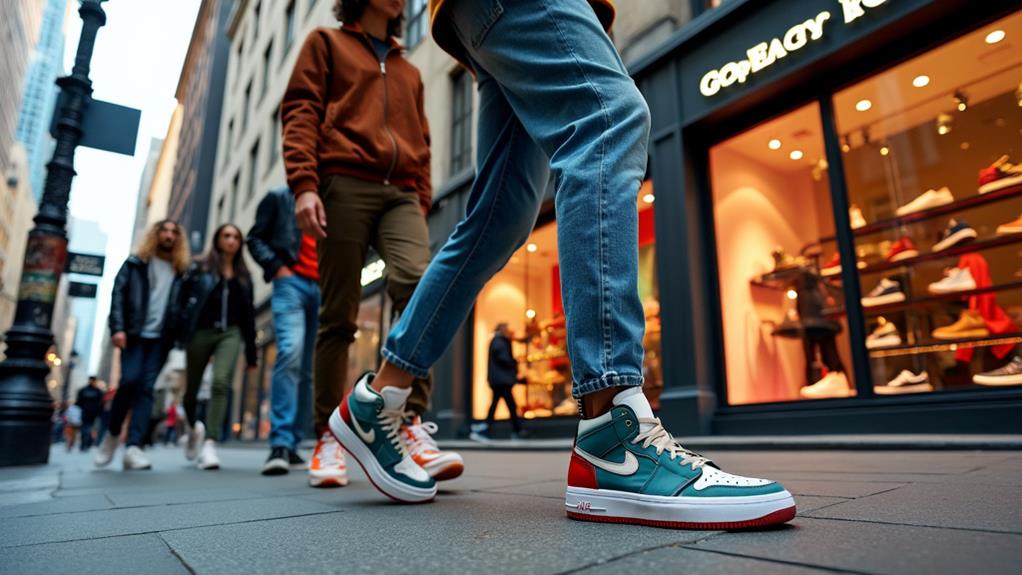
The 2000s marked a transformative period for sneaker culture as high-fashion designers began integrating sneakers into their luxury collections. This shift saw sneakers, traditionally athletic footwear, reimagined as luxury items, exemplified by collaborations like Nike and Virgil Abloh's Off-White collection. These partnerships redefined sneakers as coveted fashion pieces, merging streetwear with high fashion.
Fashion houses such as Balenciaga and Gucci launched their own sneaker lines, elevating sneakers from casual wear to luxury fashion statements. These brands crafted symbols of exclusivity and style, resonating deeply with fashion enthusiasts. Limited-edition releases became a hallmark of high fashion, driving demand and adding a layer of exclusivity to sneaker culture.
The integration of sneakers into high-profile runway shows and events marked a significant shift in fashion norms. No longer confined to the gym or the streets, sneakers became staples in luxury wardrobes. This blurring of lines between athletic and luxury footwear solidified the sneaker's place in the evolving landscape of fashion, highlighting its impact and versatility.
Sneaker Collecting Culture
As high fashion embraced sneakers, the rise of sneaker collecting culture became prominent. Gaining momentum in the 1990s, the term "sneakerhead" emerged to describe enthusiasts who seek rare and limited-edition models. Iconic pairs like the Nike Air Jordan 1 and Adidas Yeezy have transcended their athletic origins, becoming cultural symbols and valuable investment pieces.
Sneaker conventions, such as Sneaker Con, and online forums, like Reddit's sneaker communities, serve as central hubs for collectors to engage, share insights, and influence trends. These platforms help enthusiasts stay updated and connected with fellow sneakerheads.
The resale market for sneakers has exploded, with projections estimating it will surpass $6 billion by 2025. This lucrative market is driven by high demand for exclusive releases. Platforms like StockX and GOAT have revolutionized sneaker trading by offering:
- Marketplaces for buying and selling
- Authentication services
- Transparent pricing
- Secure transactions
In this dynamic culture, sneaker collecting isn't just about owning shoes; it's about being part of a community that values style, history, and exclusivity.
Personal Expression
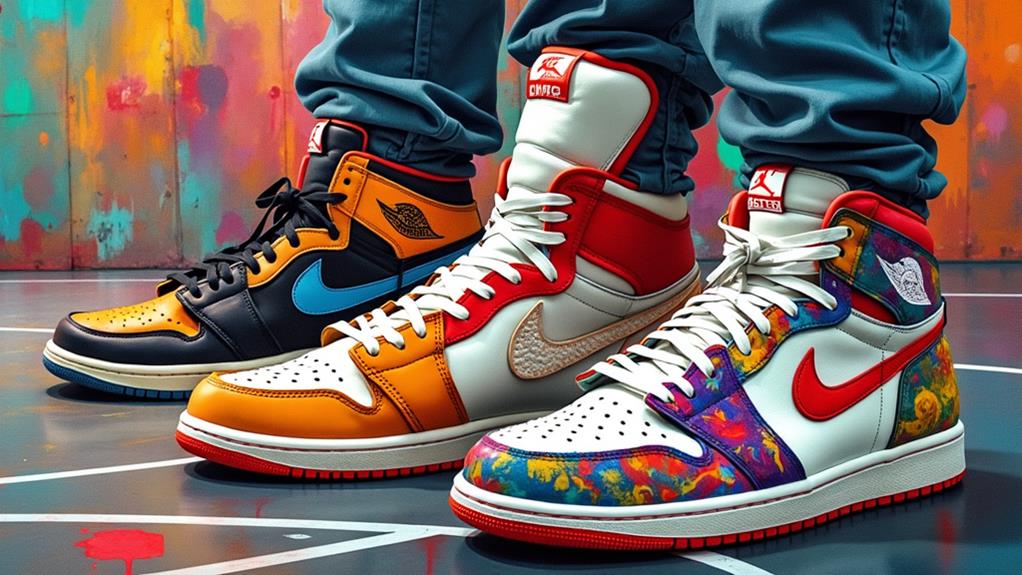
You can express your unique style through customizable sneakers, transforming them into canvases for creativity. Specialized accessories like unique shoelaces and decorative elements further personalize your footwear, making each pair a reflection of your individuality. Limited-edition releases and artist collaborations add an exclusive touch, allowing you to showcase your taste and status.
Customization and Individuality
Customization in sneaker culture offers an exciting avenue for personal expression, enabling you to create footwear that truly reflects your identity. Platforms like Nike By You and miAdidas allow for extensive personalization through a variety of color choices, materials, and design elements. These options help you craft unique pairs that showcase your individual style and creativity.
Custom sneakers aren't just about aesthetics; they often hold higher resale values due to their uniqueness and the personal connection they foster. Each pair serves as a personal statement, making you not just a wearer but a creator within the sneaker community.
Enhance your customization with unique accessories like specialized shoelaces and patches. These elements allow you to further express your mood or allegiance to specific subcultures, adding another layer to your footwear's story.
Key Points:
- Customization: Platforms like Nike By You and miAdidas offer extensive options.
- Personalization: Craft unique pairs that reflect your individual style and creativity.
- Accessories: Use specialized shoelaces and patches to enhance your personal statement.
- Resale Values: Custom sneakers often command higher resale prices due to their uniqueness.
Unique Sneaker Designs
Unique sneaker designs have become increasingly popular, serving as a canvas for personal expression through intricate patterns, vibrant colors, and diverse materials. Customizable options enable you to design sneakers that reflect your unique style. Platforms like Nike By You and miadidas make customization accessible, offering numerous possibilities for custom prints, colors, and text.
Specialized accessories, such as custom shoelaces and distinctive patches, can further enhance your one-of-a-kind sneaker designs. These details allow you to make an exclusive fashion statement that is uniquely yours. Limited-edition releases, often in collaboration with artists or designers, add another layer of exclusivity. These releases feature distinctive graphics and materials, making them highly coveted.
The rise of sneaker customization aligns with broader cultural trends emphasizing self-expression. As consumers increasingly seek unique representations of their identity, the market for personalized sneakers continues to expand. Here's a breakdown of some key elements:
| Feature | Example | Impact |
|---|---|---|
| Customizable Platforms | Nike By You, miadidas | Personal style expression |
| Specialized Accessories | Custom shoelaces, patches | Enhanced distinctiveness |
| Limited-Edition Releases | Artist collaborations | Exclusive fashion statements |
| Market Trend | Growing personalization | Increased self-expression |
Future Trends
As the sneaker industry races toward the future, several key trends are set to shape its evolution. The global sneaker market is projected to reach around $120 billion by 2026, driven by the rising demand for athleisure and casual wear. To stay ahead, you should focus on the following trends:
- Sustainability: Brands are increasingly prioritizing eco-friendly materials and sustainable practices. This shift aims to meet consumer expectations and reduce the environmental impact of sneaker production.
- Customization: Personalization is gaining popularity, allowing you to create unique designs that reflect your individual style. This trend enhances the connection between you and your sneakers.
- Technology Integration: Expect more smart features embedded in sneakers, such as performance tracking, health monitoring, and augmented reality experiences. These advancements will make your sneakers more functional and interactive.
- Collaborations and High Fashion: The fusion of sneaker culture with high fashion will continue. Collaborations between sneaker brands and luxury designers will produce cutting-edge and sought-after models, adding exclusivity to your collection.