The Evolution of Evening Gowns From the 1920s to Today
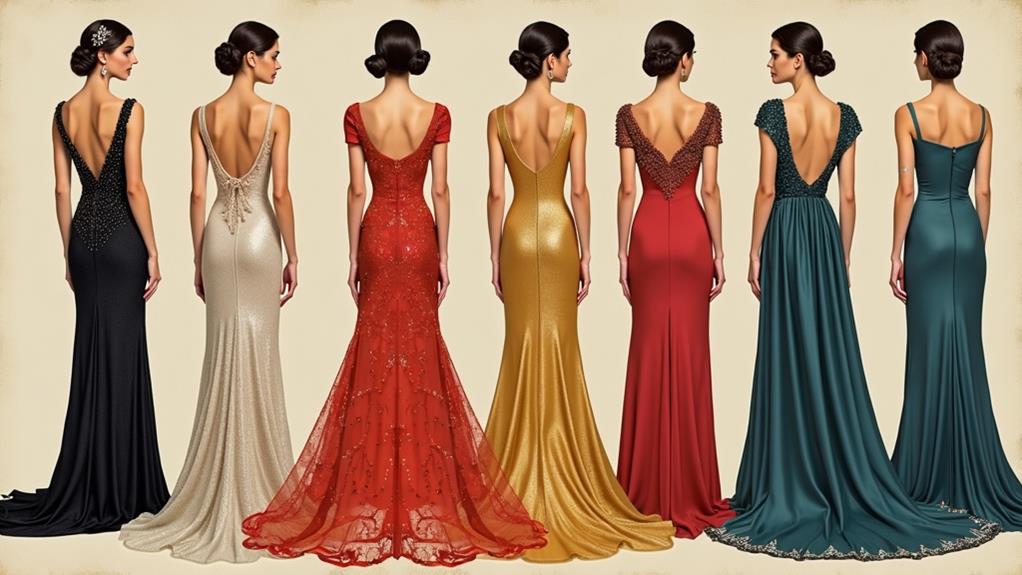
Examining the evolution of evening gowns from the 1920s to today reveals a captivating journey through cultural shifts and fashion innovation. Beginning with the liberating flapper styles of the Roaring Twenties, the timeline progresses through the post-war elegance and the glamour of Hollywood's golden era. The bold patterns of the 1960s and today's emphasis on sustainability underscore how evening wear has consistently evolved. What factors drove these transformations, and how have designers balanced tradition with contemporary sensibilities?
The Roaring Twenties
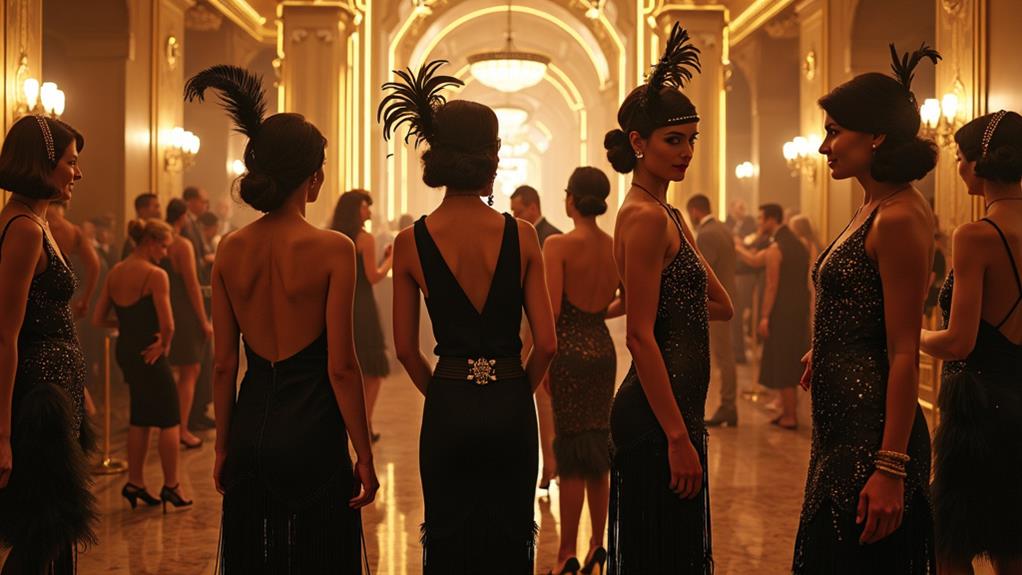
The Roaring Twenties marked a significant transformation in women's evening wear, epitomizing the era's spirit of rebellion and freedom. Flapper fashion defined this period, introducing relaxed fits, dropped waistlines, and shorter hemlines. Evening gowns were often crafted from luxurious fabrics such as chiffon and velvet, embellished with intricate beadwork, sequins, and fringe accents. These elements highlighted the era's focus on glamour and opulence, mirroring the dynamic Jazz Age culture.
Iconic designers like Coco Chanel revolutionized evening wear by popularizing shorter, danceable dresses with low necklines. This new style emphasized a casual yet sophisticated aesthetic, ideal for the lively Jazz Age lifestyle. Sleeveless designs and plunging back necklines became notable features, offering greater freedom of movement and a bolder expression of femininity.
The cultural significance of 1920s evening gowns was magnified by the flapper movement, symbolizing women's liberation and their evolving societal roles, influenced by the women's suffrage movement. Hollywood glamour also played a crucial role, as film stars embraced and popularized these daring styles, making them aspirational for many women.
Post-War Elegance
When examining evening gowns from the post-war era, you'll observe a resurgence of glamour epitomized by Christian Dior's 1947 "New Look," featuring cinched waists and voluminous skirts. Hollywood icons such as Audrey Hepburn and Grace Kelly set trends that celebrated grace and timeless style. Luxurious fabrics and structured designs became staples, reflecting the era's emphasis on elegance and social status.
Return to Glamour
Emerging from the shadows of wartime austerity, the 1950s marked a return to glamour with evening gowns that redefined women's fashion. This era highlighted full skirts and fitted bodices, creating an idealized feminine silhouette. Christian Dior's "New Look," introduced in 1947, played a pivotal role in this transformation. His designs, featuring cinched waists and voluminous skirts, moved away from wartime constraints towards luxurious elegance.
Luxurious fabrics took center stage in evening gowns. Silk, satin, and taffeta were popular choices, often adorned with intricate embellishments and embroidery. These materials reflected the era's emphasis on opulence and sophistication. Accessories such as gloves, statement jewelry, and elaborate hairstyles were essential, enhancing the overall sense of glamour and refinement.
| Key Elements | Description |
|---|---|
| Silhouette | Full skirts, fitted bodices, cinched waists |
| Fabrics | Silk, satin, taffeta |
| Embellishments | Intricate embroidery, embellishments |
| Accessories | Gloves, statement jewelry, elaborate hairstyles |
| Influential Designers | Christian Dior |
As you explore the return to glamour in the 1950s, you'll appreciate how evening gowns of this period embodied a luxurious elegance that continues to inspire fashion today.
Iconic Hollywood Influence
The 1950s marked a return to glamour, accentuated by luxurious evening gowns, and Hollywood's post-war influence significantly shaped this trend. The elegant, feminine silhouettes of the period were epitomized by icons like Audrey Hepburn and Marilyn Monroe, who set new standards for sophistication and allure. These actresses, often seen in exquisite evening wear, became ultimate symbols of glamour both on and off the screen.
Fashion designers like Christian Dior played a pivotal role in this transformation. His "New Look," characterized by cinched waists and full skirts, celebrated the hourglass figure and became a post-war fashion staple. Dior's designs, along with those of other leading designers, utilized luxurious materials such as silk, satin, and taffeta, often embellished with intricate details that added dramatic appeal.
The Academy Awards red carpet emerged as a critical platform for showcasing stunning gowns. It became a highly anticipated event where designers could flaunt their latest creations, influencing evening wear trends for years to come. Hollywood style during this period emphasized beauty and offered a sense of escapism and fantasy, reflecting the cultural climate of post-war America.
The New Look
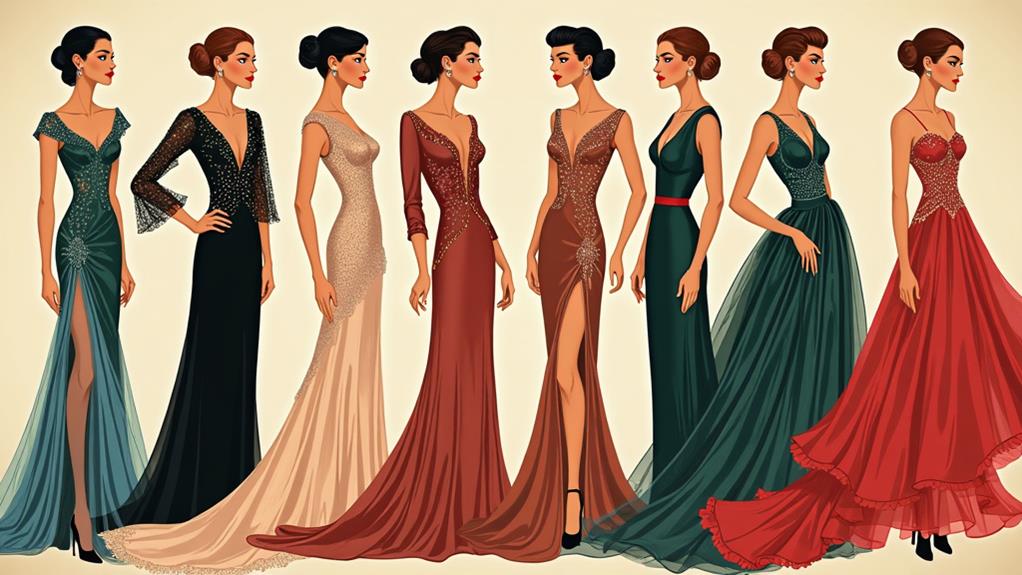
In 1947, Christian Dior introduced the groundbreaking "New Look," which dramatically reshaped women's fashion with its cinched waist and full skirt silhouette. This New Look quickly became a sensation, especially in evening gowns. Dior's vision moved away from the straight, utilitarian lines of previous decades, embracing opulence and femininity instead.
Imagine slipping into an elegant evening gown crafted from luxurious fabrics like silk and satin. The fitted bodice accentuates your waist, while the voluminous skirt flows gracefully to mid-calf, creating a striking hourglass figure. This design wasn't just about aesthetics; it symbolized a return to traditional values and a celebration of post-war prosperity. The New Look's emphasis on structure and luxury made it a popular choice for evening wear, setting trends that would influence fashion for years.
Dior's initial collection featuring the New Look sold out almost immediately, illustrating its instant popularity. Women everywhere embraced this style, reveling in its elegance and sophistication. Evening gowns took on a new life, exuding a sense of refined glamour that had been absent during the war years. With Dior's New Look, evening attire was forever transformed.
Swinging Sixties
As the opulent elegance of Dior's New Look became a staple in post-war fashion, the 1960s burst onto the scene with a lively and audacious spirit. The Swinging Sixties dramatically shifted evening gown styles, embracing bold patterns and dynamic colors that mirrored the decade's cultural revolution. Geometric shapes and mod elements, such as A-line silhouettes and psychedelic prints, dominated the fashion landscape, making evening wear more playful and expressive.
Designers like Mary Quant and André Courrèges were pivotal in popularizing the mini dress. These gowns often featured groundbreaking fabrics and innovative designs, marking a significant departure from the traditional, formal evening wear of earlier years. The youth culture's desire for less structured and more casual styles found a perfect spokesperson in Twiggy. Her androgynous look epitomized the era's fashion, contributing to its widespread appeal.
Modern Innovations
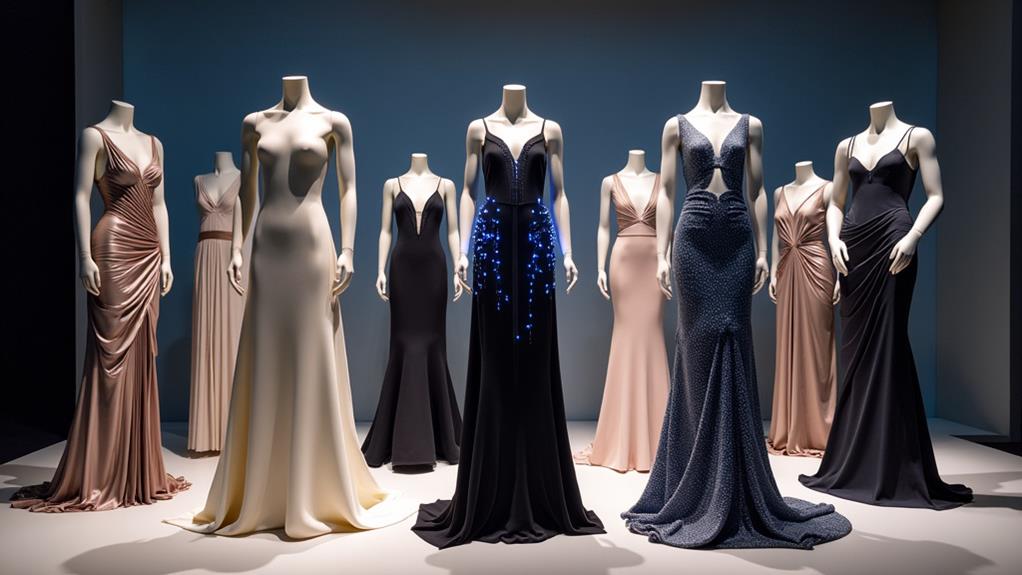
Modern evening gowns have undergone a significant transformation, incorporating innovative elements that redefine the boundaries of fashion. Designers are increasingly using sustainable fabrics such as organic cotton, recycled polyester, and vegan leather, highlighting the industry's shift towards eco-friendliness. These materials not only minimize environmental impact but also offer high-quality textures and finishes.
Technology is a pivotal component in contemporary evening wear. Methods like 3D printing and laser cutting enable designers to craft intricate patterns and distinctive silhouettes that were previously unattainable. These advancements facilitate endless customization possibilities, allowing you to tailor your evening gown's fit, design, and fabric precisely to your preferences.
Digital platforms have revolutionized fashion accessibility. The proliferation of digital fashion shows and online shopping allows you to explore modern evening wear collections from designers worldwide, eliminating geographical limitations.
Key innovations in modern evening gowns include:
- Sustainable Fabrics: Prioritizing eco-friendly materials like organic and recycled textiles.
- Advanced Technology: Leveraging 3D printing and laser cutting for unique designs.
- Global Access: Enhancing reach through digital fashion shows and online platforms.
Modern evening gowns are redefining luxury by seamlessly integrating sustainability, technology, and accessibility.
Sustainable Fashion
Sustainable fashion in evening gowns is more than a trend; it's a movement reshaping the industry. By emphasizing eco-friendly materials like organic cotton, recycled fabrics, and hemp, designers aim to reduce fashion's environmental impact. The global market for sustainable fashion is projected to reach $8.25 billion by 2023, reflecting growing consumer demand for ethical and environmentally responsible options.
| Eco-Friendly Materials | Ethical Production Methods |
|---|---|
| Organic cotton | Fair labor practices |
| Recycled fabrics | Transparency in supply chains |
| Hemp | Conscious consumerism |
Modern designers prioritize ethical production methods, ensuring fair labor practices and transparency in supply chains. This shift is driven by rising conscious consumerism, where buyers are increasingly aware of the environmental and social impact of their purchases. Vintage and upcycled evening gowns have also gained popularity, reducing waste and celebrating the craftsmanship of past periods.
Major fashion events now feature sustainable collections, showcasing innovative techniques and materials that highlight the intersection of style and environmental responsibility. These initiatives prove that sustainable choices can be made without sacrificing elegance or sophistication in evening wear. Sustainable fashion is here to stay, positively impacting both the environment and the industry.
Celebrity Influence
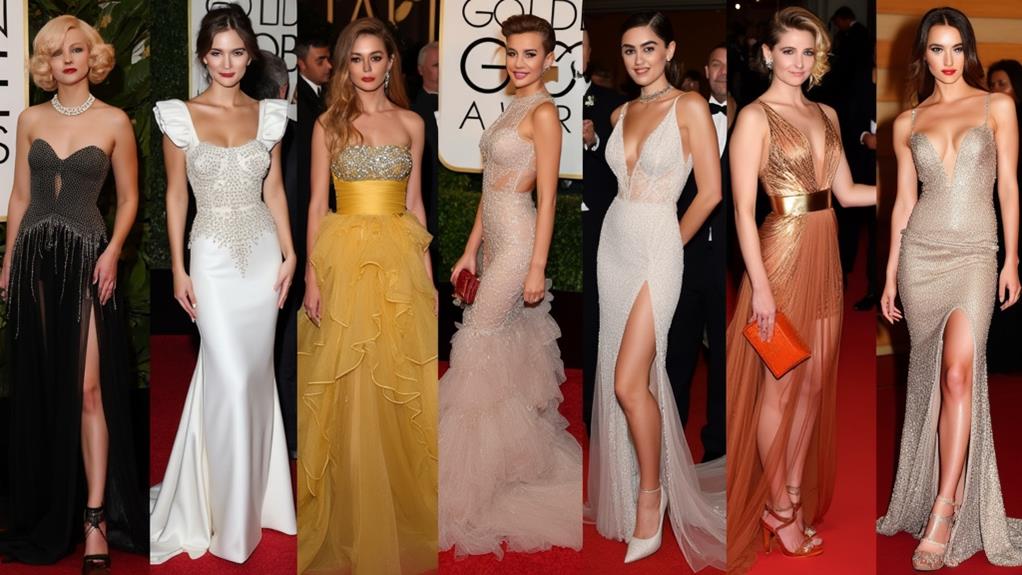
Red carpet events have significantly influenced evening gown trends, with iconic styles from stars like Audrey Hepburn and Marilyn Monroe still shaping fashion today. Hollywood's impact on fashion is undeniable, making designers like Valentino and Versace household names. Social media now allows celebrities to directly connect with fans, promoting diversity and inclusivity in evening wear.
Red Carpet Trends
The red carpet, a dazzling platform for evening gowns, consistently sets the tone for fashion trends, driven by the influential presence of celebrities. High-profile events like the Oscars and Cannes Film Festival serve as trendsetters, showcasing the latest in red carpet glamour. Over the decades, evening gowns have evolved, reflecting shifts in societal norms, aesthetics, and environmental consciousness.
In the mid-20th century, icons like Audrey Hepburn and Marilyn Monroe defined evening gown standards, inspiring generations with their timeless elegance. Fast forward to the 2010s, and stars like Lupita Nyong'o and Rihanna pushed boundaries with bold colors and unconventional silhouettes, challenging traditional aesthetics.
Today, sustainable fashion is making its mark on the red carpet. Celebrities such as Emma Watson advocate for eco-friendly designs, raising awareness about ethical production practices. With social media transforming red carpet coverage, designers and celebrities now showcase their gowns in real-time, creating instant trend cycles and influencing consumer choices.
In summary, the red carpet's impact on evening gown trends can be categorized into three key elements:
- Iconic Influences: Timeless elegance by past celebrities.
- Bold Innovations: Modern stars redefining aesthetics.
- Eco-Conscious Choices: The rise of sustainable fashion.
Iconic Celebrity Styles
Celebrating iconic celebrity styles involves acknowledging the powerful influence that stars have had on evening gown fashion over the decades. Iconic actresses like Audrey Hepburn and Marilyn Monroe set the bar high for glamour and elegance during the mid-20th century. Their memorable red carpet appearances popularized evening gowns, making them synonymous with Hollywood's golden era.
In the 1920s, the flapper movement introduced loose, drop-waist dresses adorned with sequins and fringe, capturing the decade's carefree spirit. These celebrity styles, embraced by stars of the time, transformed what evening gowns could be. Fast forward to the 1940s and 1950s, and designers like Christian Dior revolutionized evening wear with the "New Look." This style, emphasizing feminine curves and luxurious fabrics, was frequently showcased by Hollywood's leading ladies, setting new trends.
Today, daring silhouettes and extravagant embellishments continue to dominate, with stars like Beyoncé and Lady Gaga pushing fashion boundaries at high-profile events like the Met Gala. Contemporary red carpet events often reflect past design trends, with celebrities reviving vintage-inspired styles. By merging nostalgia with modern aesthetics, these celebrity styles captivate audiences, ensuring evening gowns remain timeless yet constantly evolving.
Hollywood's Fashion Impact
Hollywood stars have long held significant sway over evening gown fashion, with their red carpet choices often setting trends and influencing consumer preferences. From the Golden Era to today, icons like Audrey Hepburn and Marilyn Monroe have epitomized glamour and elegance, making their appearances at events such as the Oscars as much about fashion as the awards themselves. Their stunning evening gowns captivated audiences worldwide, setting high standards for style.
Designers like Christian Dior and Coco Chanel became renowned for merging Hollywood glamour with haute couture. The red carpet served as their runway, debuting cutting-edge designs that would later permeate retail fashion. This tradition continues with modern celebrities like Beyoncé and Lady Gaga, who make headlines with avant-garde and sustainable fashion choices.
Key points to understand Hollywood's fashion impact include:
- Trendsetting: Red carpet appearances often set new trends in evening gowns that consumers eagerly adopt.
- Designer Influence: Designers gain fame and influence by dressing Hollywood's elite.
- Sustainability: Modern celebrities promote eco-friendly and sustainable fashion, driving industry-wide changes.
Hollywood's influence on evening gown fashion is profound and enduring, shaping the industry in significant ways.
Related posts